
 English
 русский
 Español
Intelligent, efficient and energy-saving single hot plate
Cat:Single Hot Plate
In the realm of culinary innovation, our company stands at the forefront with its cutting-edge single hot plate, engineered to embody the trifecta of ...
See Details

Phone: +86-0579-84666999

E-mail: ceo@hualunte.com

Tel: +86-18058924218


A wing drying rack can be useful in homes where laundry space changes throughout the day. A balcony may also be a walking area, a bedroom may need to stay clear, and a utility room may have several jobs at once. This is why many consumers prefer a drying rack that can provide enough hanging room when needed but does not permanently occupy the floor. For overseas household-product buyers, flexible storage has become an important part of practical rack design.
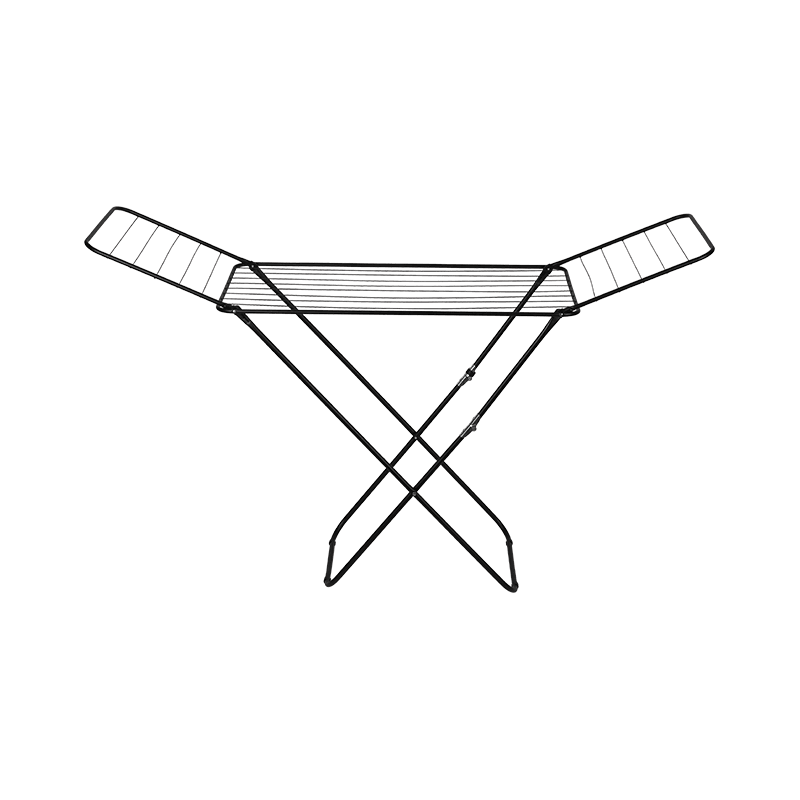
A drying area is rarely used only for laundry. After clothes are hung, the same floor space may be needed for cleaning, exercising, moving around, or simply keeping the room tidy. A foldable wing structure gives users the option to open the rack during laundry and close it afterward. This makes the product easier to fit into changing household routines.
A rack may be advertised as foldable, but the actual experience depends on how easily the frame moves. Users do not want to struggle with several awkward steps every time they finish drying clothes. The wing sections should move in a controlled way, while the frame should remain manageable when being carried to its storage position. Simple operation can make a noticeable difference in repeated household use.
For compact homes, the folded size can influence whether a drying rack is convenient or frustrating. Buyers often need to think about where the product will actually be stored: behind a door, beside a cabinet, inside a laundry room, or along a balcony wall. When developing a folding clothes drying rack, manufacturers should consider the complete cycle from opening and loading to folding and storage.
Good storage design should not come at the expense of stability during use. When the wings are extended, the frame needs to support clothing without becoming awkward to handle. The base structure and wing connections therefore deserve attention during product development. From a manufacturing standpoint, we focus on how these components work together rather than treating folding as an isolated feature.
A useful rack should work with more than one type of clothing. Shirts, trousers, towels, bedding, and smaller garments all create different hanging requirements. A wing structure gives users additional areas for arranging these items. Instead of filling one central section, they can distribute laundry across the frame according to garment size and available space.
When sourcing a rack for overseas markets, appearance is only the starting point. It is also worth checking:
These factors can help buyers judge whether a design is genuinely practical for everyday users.
The appeal of a wing drying rack comes from its ability to adapt to the home rather than permanently taking over it. Open it when laundry needs attention, arrange clothes across the available sections, and fold it away when the room needs to return to normal. For household retailers and private-label buyers, this combination of useful drying space and convenient storage offers a straightforward product story built around a problem consumers face every week.
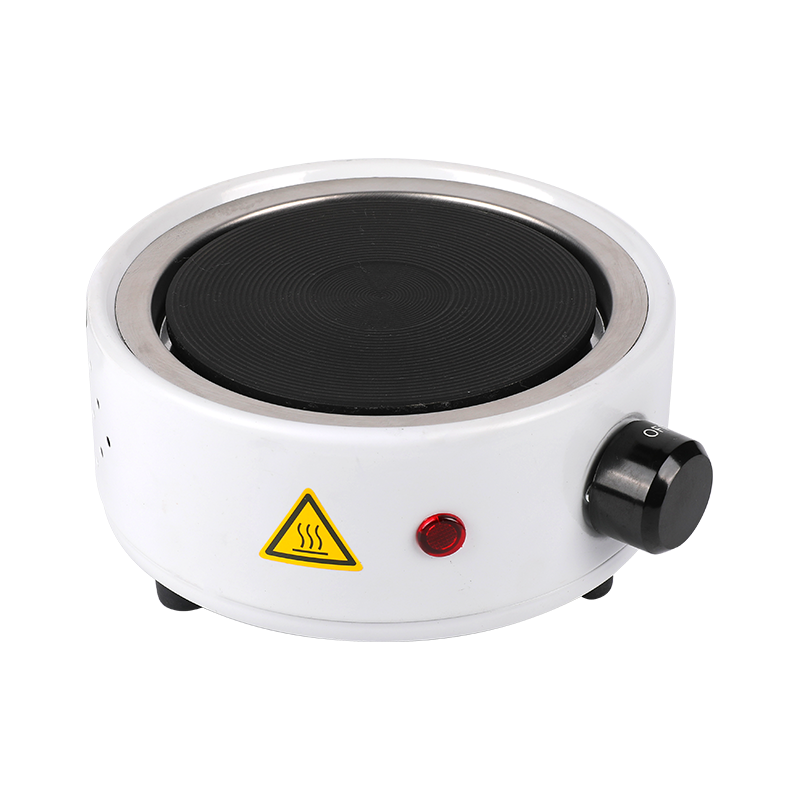
In the realm of culinary innovation, our company stands at the forefront with its cutting-edge single hot plate, engineered to embody the trifecta of ...
See Details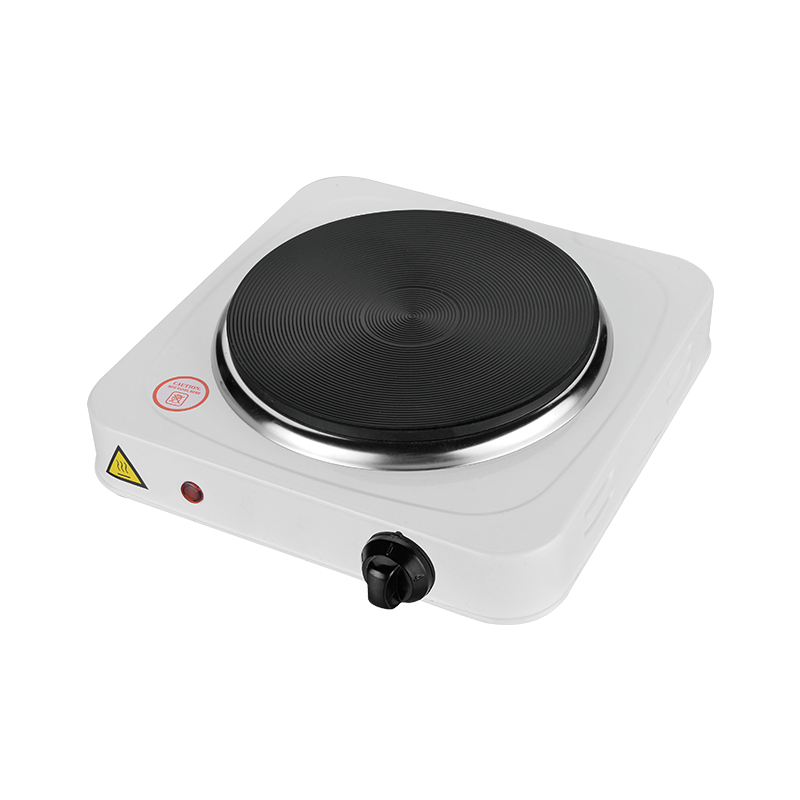
Introducing our revolutionary Portable Lightweight Outdoor Single Hot Plate – the ultimate cooking companion for outdoor enthusiasts, adventurers, and...
See Details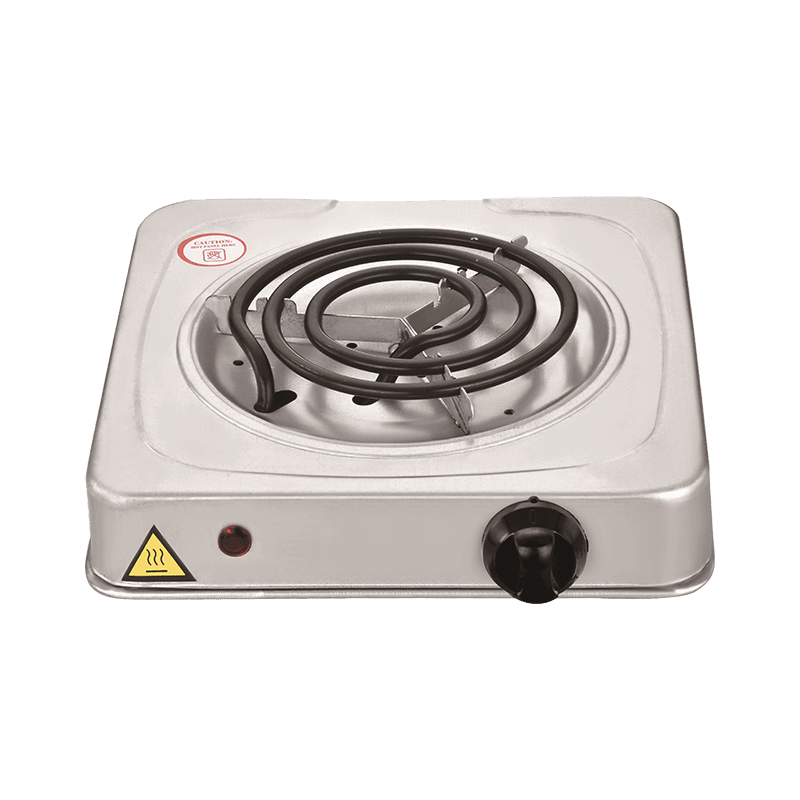
Introducing our Premium Environmentally Friendly Household Single Hot Plate – an addition to any home kitchen seeking both quality performance and eco...
See Details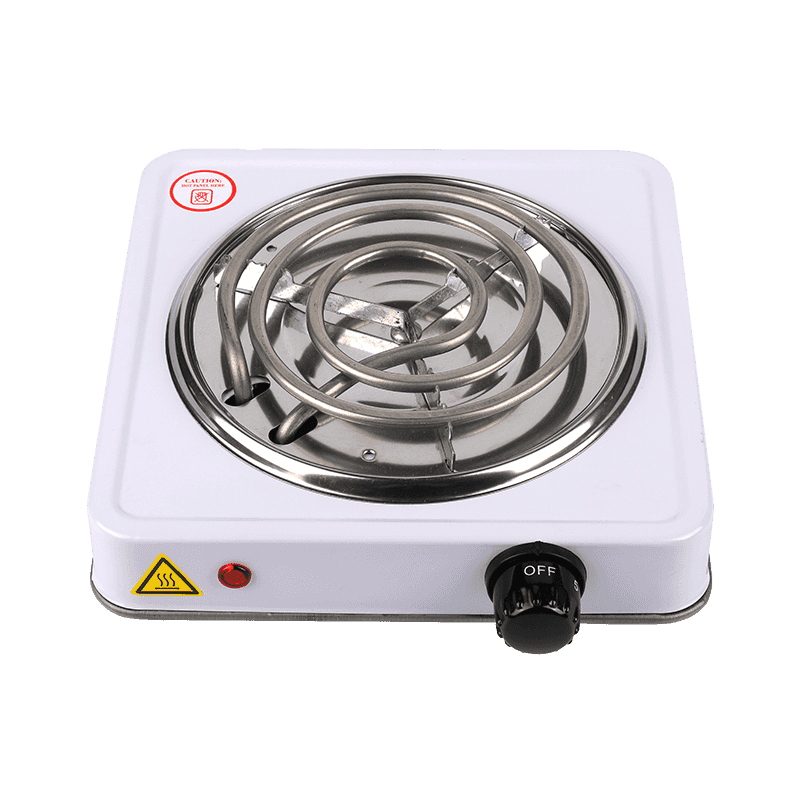
In the realm of modern kitchen appliances, innovation and technology have revolutionized the way we cook and prepare meals. Keeping pace with this evo...
See Details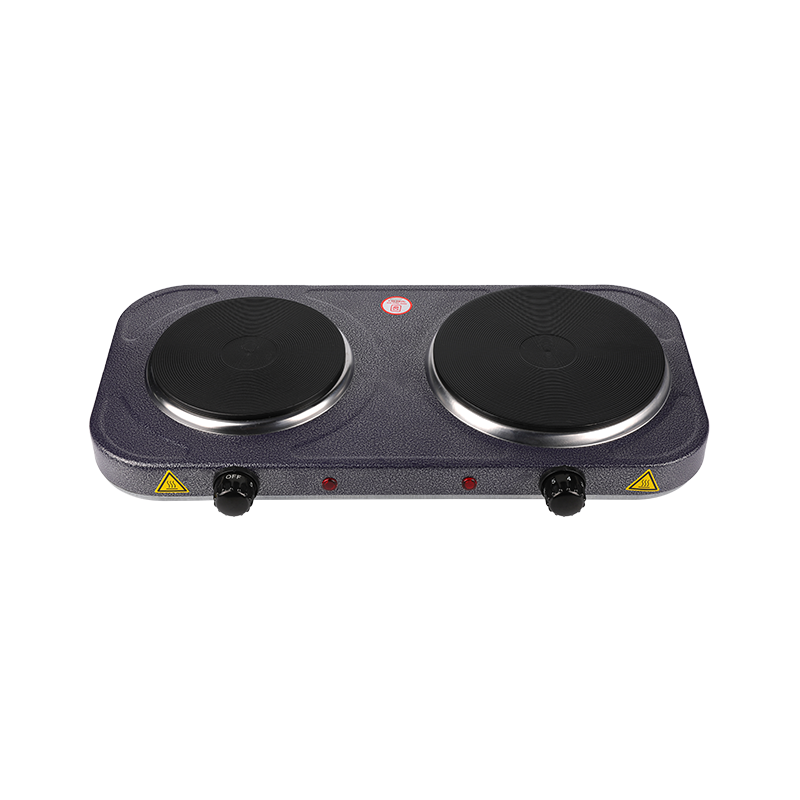
In today's environmentally conscious world, sustainability, energy efficiency, and health-conscious cooking are becoming increasingly important factor...
See Details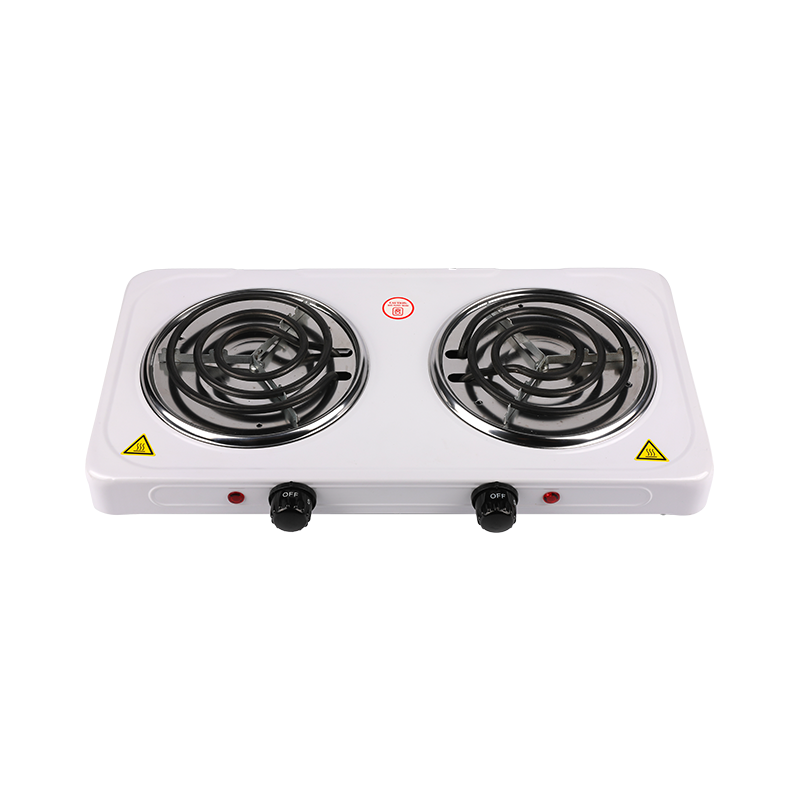
In the realm of home cooking, safety and reliability are paramount concerns for every household. With the Safe and Reliable Household Double Hot Plate...
See Details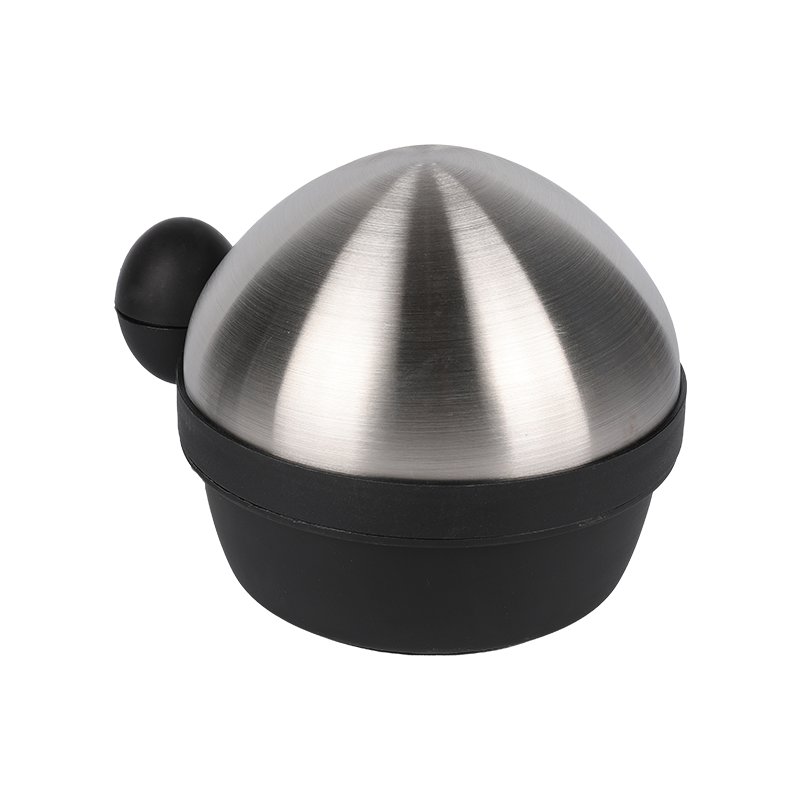
Introducing our Intelligent Rapid Egg Boiler – the ultimate solution for effortlessly preparing eggs in record time. Engineered with cutting-edge tech...
See Details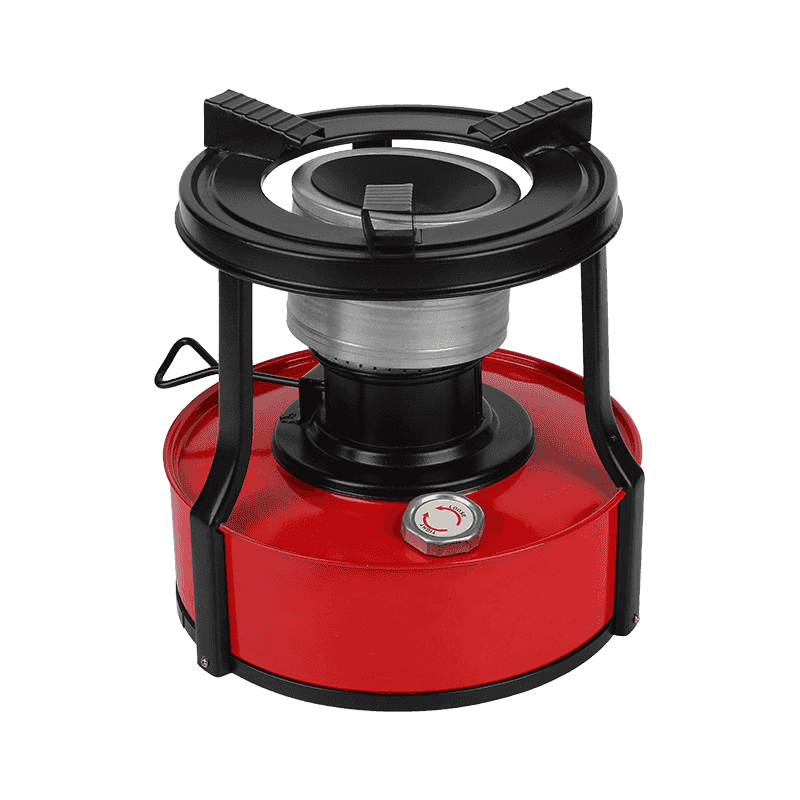
In the realm of versatile and eco-friendly cooking solutions, our company proudly presents our latest innovation: the efficient, energy-saving, and mu...
See Details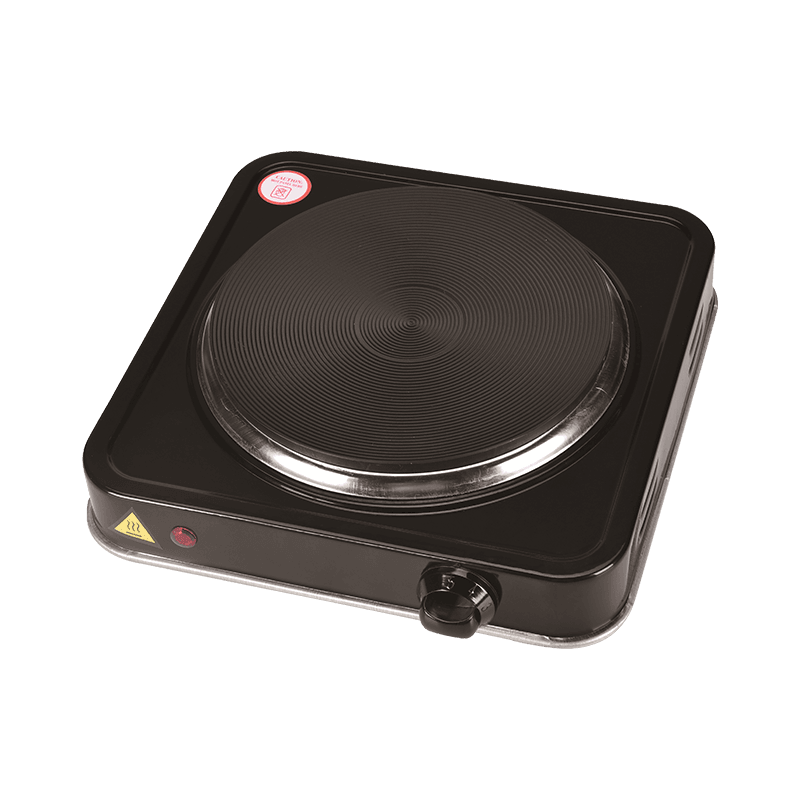
Introducing our revolutionary Efficient Space-Saving Single Hot Plate – the solution for cooking capabilities in compact living spaces, dorm rooms, sm...
See Details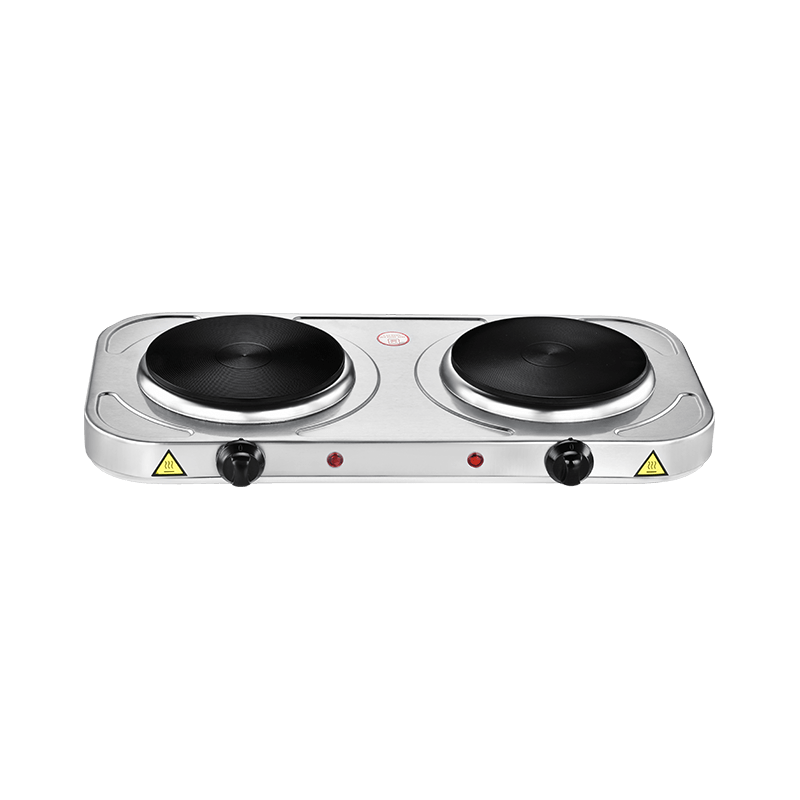
In the bustling world of commercial kitchens, durability, reliability, and quality are non-negotiable. Enter the High-Quality Durable Commercial Doubl...
See Details
Zhejiang Huaang Electrical Appliance Co., Ltd. is a manufacturer specializing in the production of kitchen appliances. It was established in 2009
Tel: +86-0579-84666999
Phone: +86-18058924218
E-Mail: ceo@hualunte.com
Copyright © Zhejiang Warranty Electric Appliance Co., Ltd. All Rights Reserved.
Smart Outdoor Kitchen Appliances Factory
