
 English
 русский
 Español
Intelligent, efficient and energy-saving single hot plate
Cat:Single Hot Plate
In the realm of culinary innovation, our company stands at the forefront with its cutting-edge single hot plate, engineered to embody the trifecta of ...
See Details

Phone: +86-0579-84666999

E-mail: ceo@hualunte.com

Tel: +86-18058924218


Daily heating needs vary from one household to another, especially during cooler seasons or in places where outdoor activities are common. Kerosene Stove Factory and Egg Boiler Manufacturers are frequently searched by buyers and product researchers because both types of products are designed around practical heat applications, although they are used in different environments. Understanding where kerosene stoves fit into everyday life helps users choose suitable equipment for specific situations.
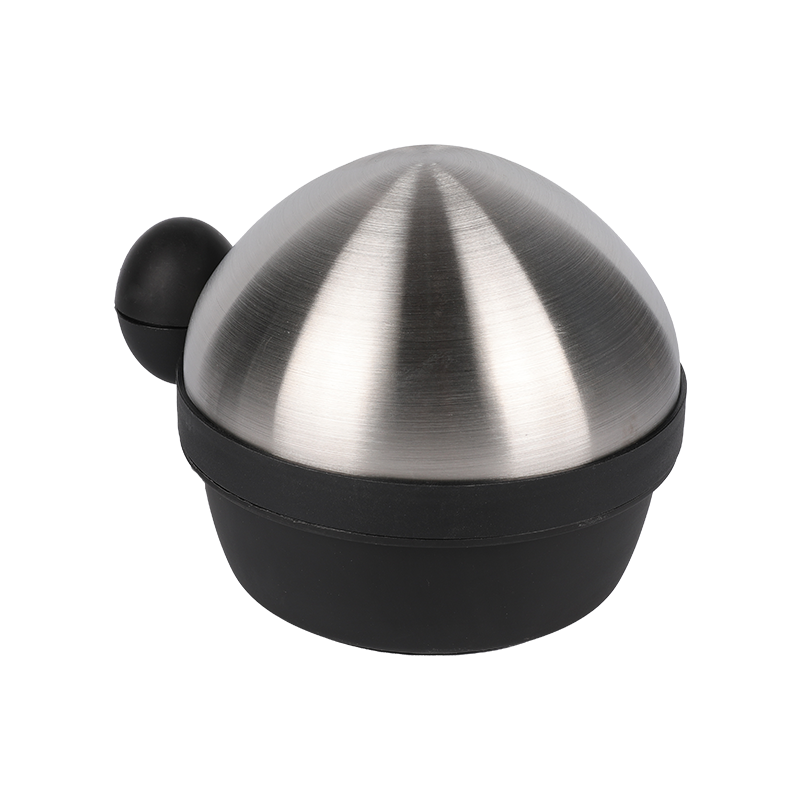
Home Heating for Everyday Comfort
Kerosene stoves are commonly used as a portable heating option in homes, cabins, and temporary living spaces. Unlike fixed heating systems, they can be moved to different locations when additional warmth is needed.
Many users place a kerosene stove in garages, workshops, enclosed patios, or other areas where temporary heating is useful. Before use, it is important to provide adequate ventilation and position the stove on a stable surface away from combustible materials.
Outdoor Activities and Seasonal Use
Outdoor recreation is another common application for kerosene stoves. Camping, fishing, gardening, and other outdoor activities often require a reliable heat source for preparing food or creating a more comfortable environment.
Because kerosene fuel is easy to transport and store in appropriate containers, many outdoor users keep a stove as part of their regular equipment. Weather conditions, available shelter, and operating space should always be considered before lighting the stove.
Emergency and Backup Heating
Power interruptions caused by storms or maintenance can temporarily affect electric heating systems. In these situations, kerosene stoves may provide an alternative source of warmth when used according to operating instructions.
Many households prepare emergency supplies that include fuel-powered heating equipment. Along with flashlights and portable cooking tools, a properly maintained kerosene stove can become part of an emergency preparedness plan.
Heating for Simple Cooking Tasks
Besides warming indoor or outdoor spaces, kerosene stoves are often used for simple cooking activities. Boiling water, heating soup, or preparing hot beverages are common examples during camping trips or temporary outdoor work.
In comparison, Egg Boiler Manufacturers focus on appliances intended for kitchen countertops. Egg cookers are designed for preparing boiled eggs through controlled heating cycles, making them suitable for daily breakfast preparation. Although their purposes are different, both products demonstrate how compact heating equipment supports everyday routines.
Fuel Handling and Daily Maintenance
Regular maintenance helps keep kerosene stoves operating smoothly. Users often check the fuel tank, burner, and wick before each use. Cleaning visible dust and keeping fuel containers sealed can also support consistent operation.
When the stove is not being used for an extended period, many users empty the remaining fuel and store the equipment in a dry location. Routine inspection before seasonal use is another common practice.
Choosing the Right Heating Equipment
Different heating tools serve different purposes. Portable kerosene stoves are generally selected for outdoor activities, temporary heating, and situations where electricity is unavailable. Egg cookers are typically chosen for convenient food preparation in the kitchen.
Understanding the intended application helps users select equipment that matches their daily habits rather than relying on a single appliance for every task. Considering operating conditions, available space, and heating requirements can make everyday use more convenient.
Both Kerosene Stove Factory and Egg Boiler Manufacturers represent product categories built around practical heating applications. One is associated with portable warmth and outdoor use, while the other supports convenient meal preparation in the kitchen. By understanding their common applications and appropriate operating environments, users can make more informed decisions for everyday heating and cooking needs.
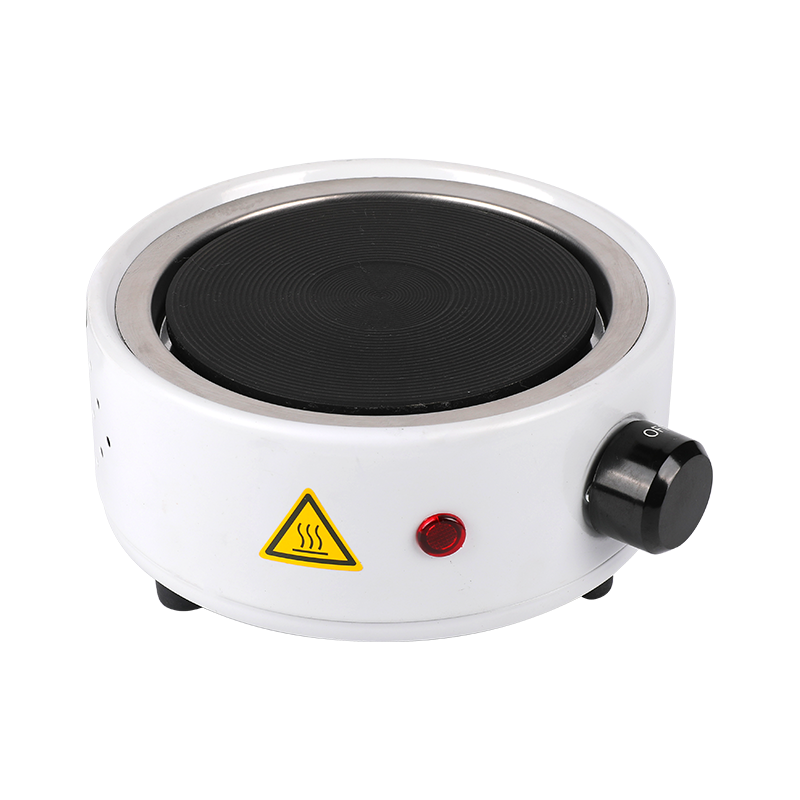
In the realm of culinary innovation, our company stands at the forefront with its cutting-edge single hot plate, engineered to embody the trifecta of ...
See Details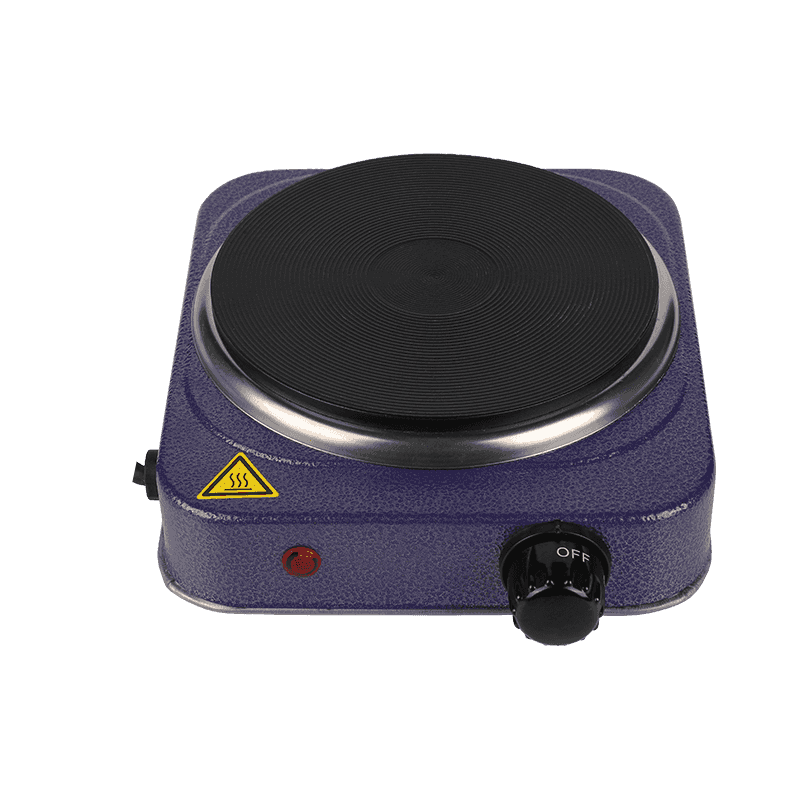
In the realm of sustainable culinary solutions, our company takes pride in presenting our innovative single hot plate, designed to embody the core val...
See Details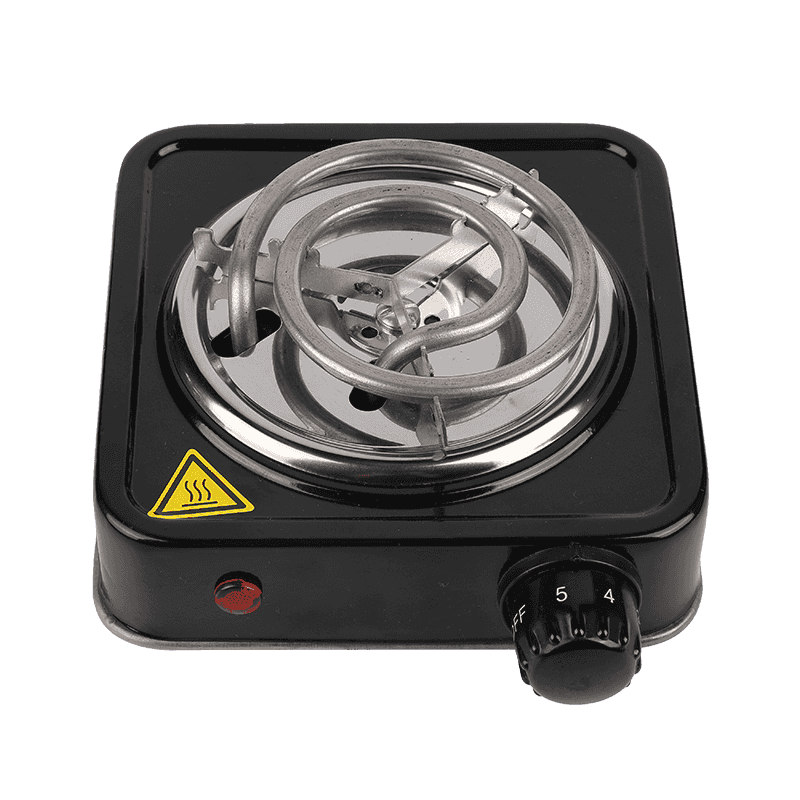
In today's fast-paced world, where space is at a premium, finding efficient and convenient solutions for small kitchens and limited spaces is essentia...
See Details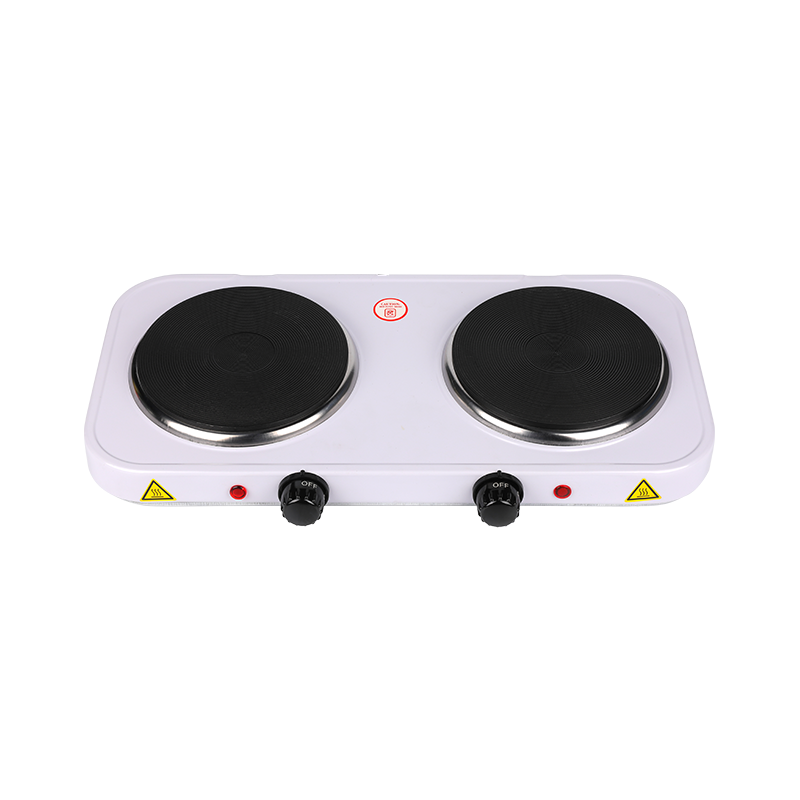
In the realm of modern kitchen appliances, versatility, efficiency, and convenience reign. Enter the Intelligent, Energy-Saving, Multi-Functional Doub...
See Details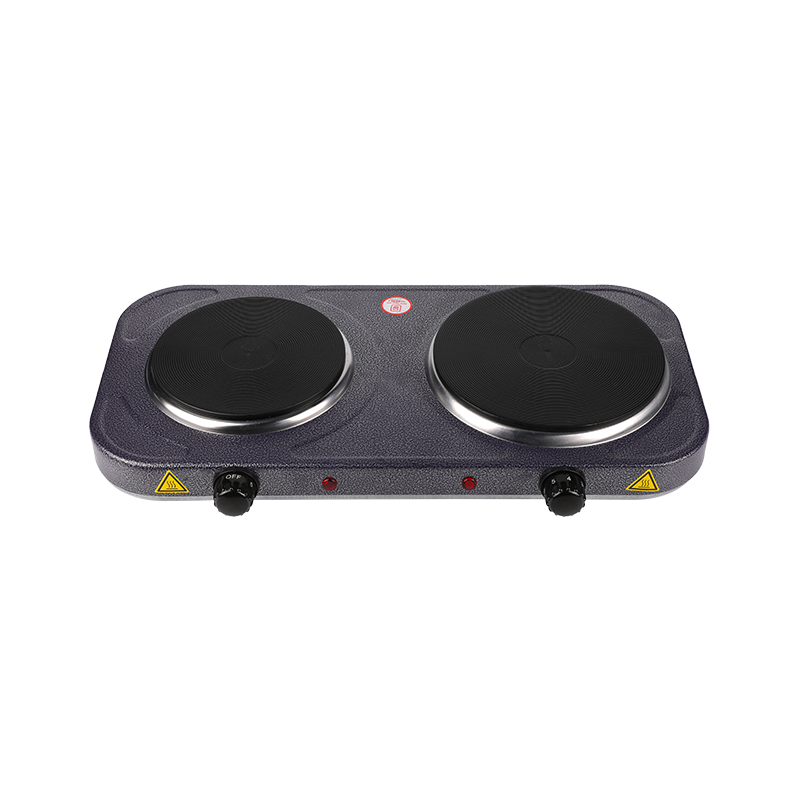
In today's environmentally conscious world, sustainability, energy efficiency, and health-conscious cooking are becoming increasingly important factor...
See Details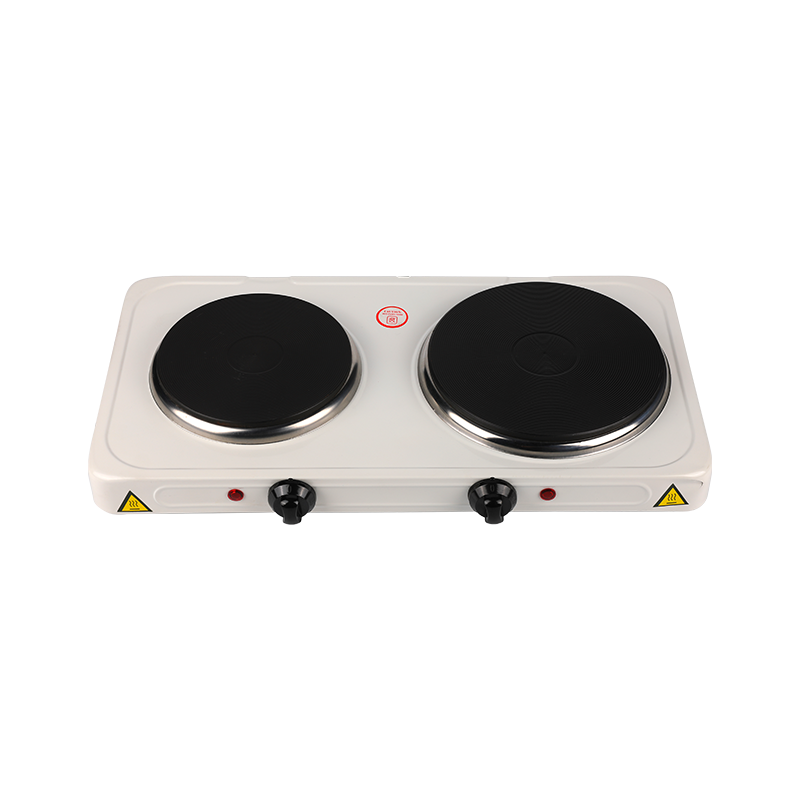
In the realm of culinary convenience, portability, and ease of use are key factors, especially for outdoor cooking adventures. Enter the Portable Ligh...
See Details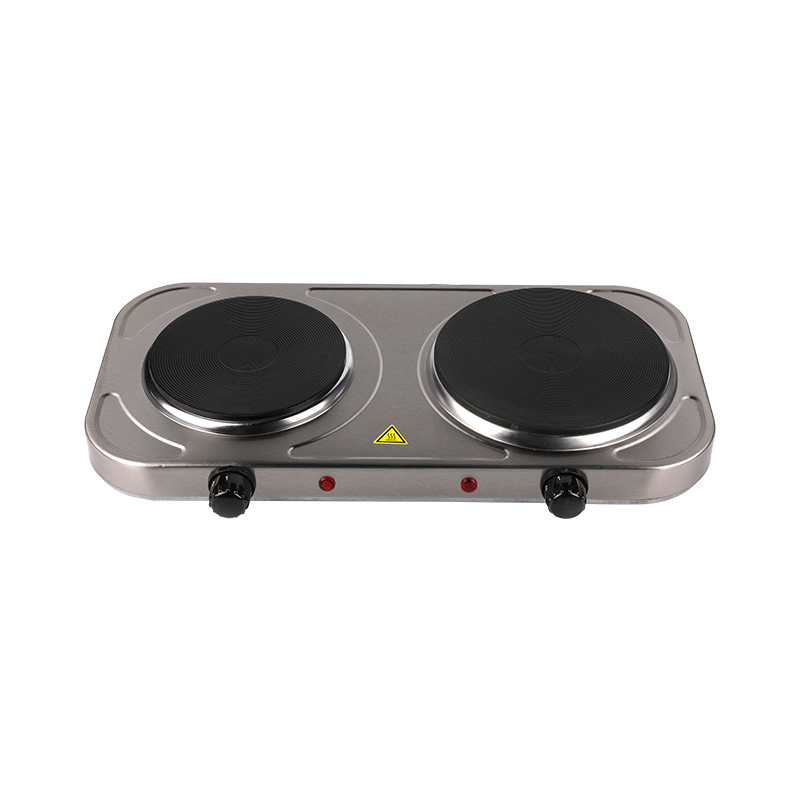
In today's fast-paced world, maintaining a healthy diet often takes a back seat to convenience. However, with the advent of the Healthy Cooking Intell...
See Details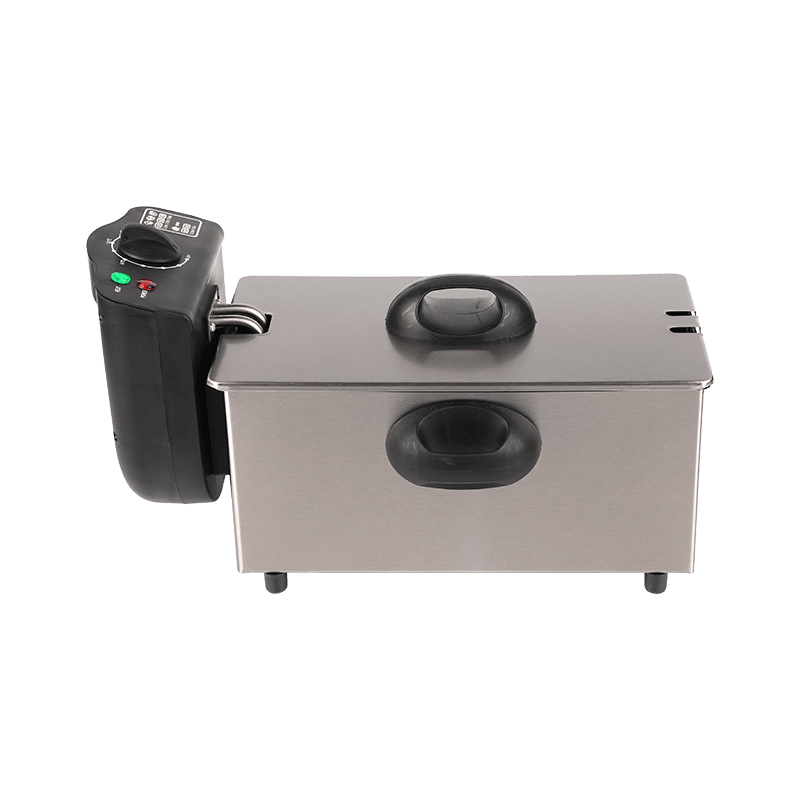
Introducing our Healthy and Environmentally Friendly Versatile Deep Fryer – the solution for health-conscious individuals and eco-conscious households...
See Details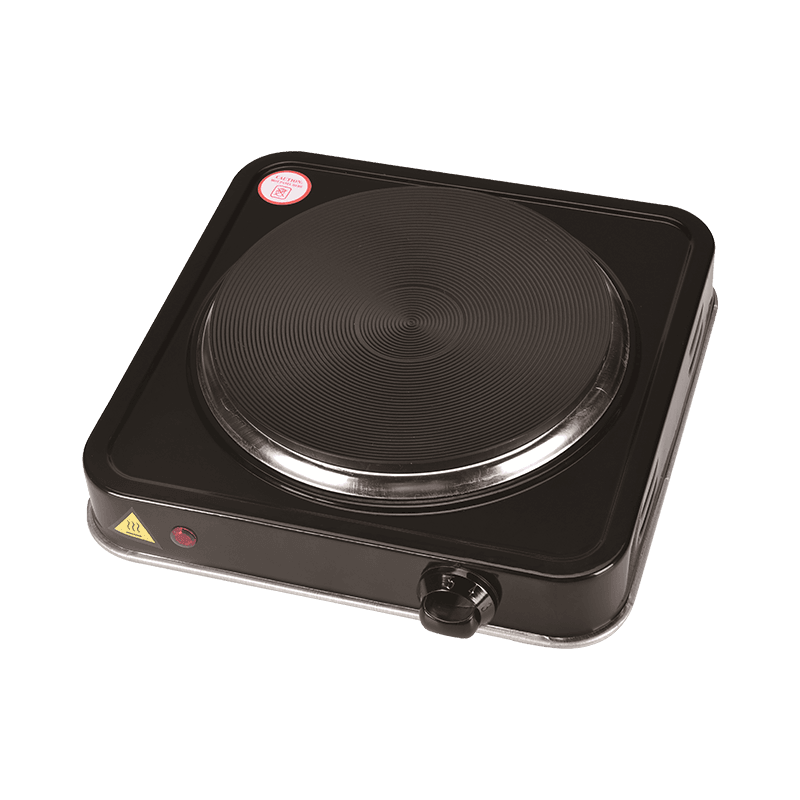
Introducing our revolutionary Efficient Space-Saving Single Hot Plate – the solution for cooking capabilities in compact living spaces, dorm rooms, sm...
See Details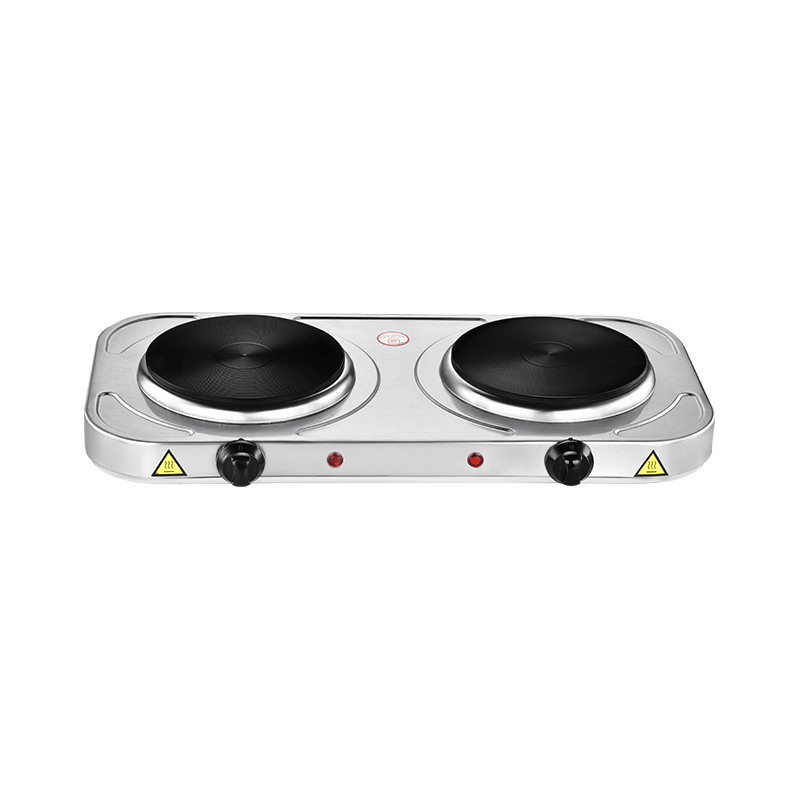
In the bustling world of commercial kitchens, durability, reliability, and quality are non-negotiable. Enter the High-Quality Durable Commercial Doubl...
See Details
Zhejiang Huaang Electrical Appliance Co., Ltd. is a manufacturer specializing in the production of kitchen appliances. It was established in 2009
Tel: +86-0579-84666999
Phone: +86-18058924218
E-Mail: ceo@hualunte.com
Copyright © Zhejiang Warranty Electric Appliance Co., Ltd. All Rights Reserved.
Smart Outdoor Kitchen Appliances Factory
