
 English
 русский
 Español
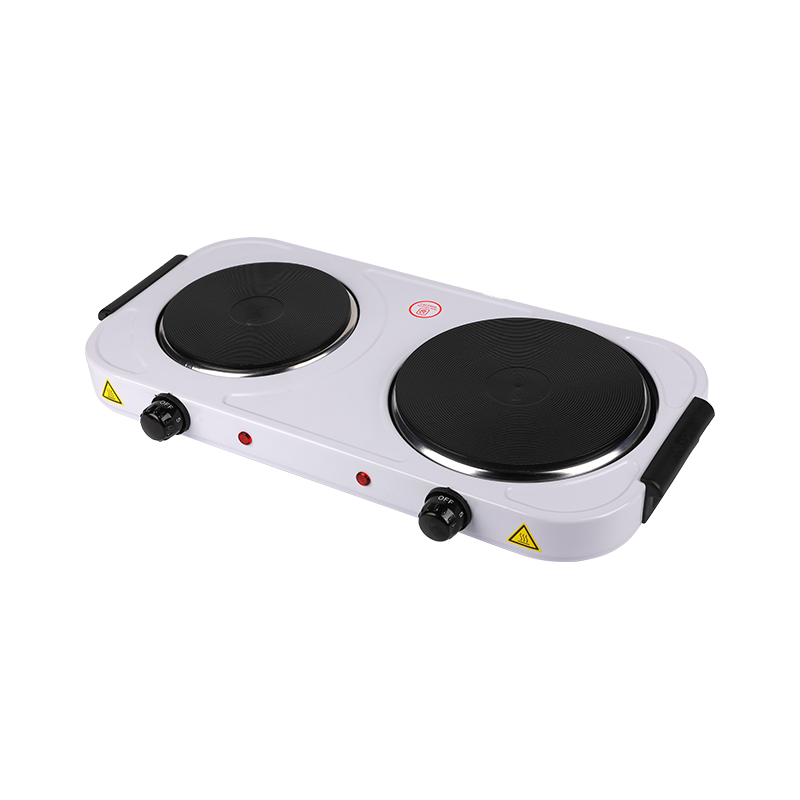
Multi-functional innovative portable single hot plate
Cat:Single Hot Plate
In the realm of culinary convenience, our company proudly presents our latest innovation: the multi-functional, innovative, and portable single hot pl...
See Details

Phone: +86-0579-84666999

E-mail: ceo@hualunte.com

Tel: +86-18058924218


Spiral heating hot plate systems are attracting attention from appliance manufacturers, distributors, and commercial equipment buyers seeking practical electric heating solutions with straightforward controls and serviceable construction. Recent industry discussion around hot plates is also placing greater emphasis on temperature consistency, electrical safety, and reliable control rather than heating output alone. These requirements influence heating elements, surface materials, controls, and protective structures.
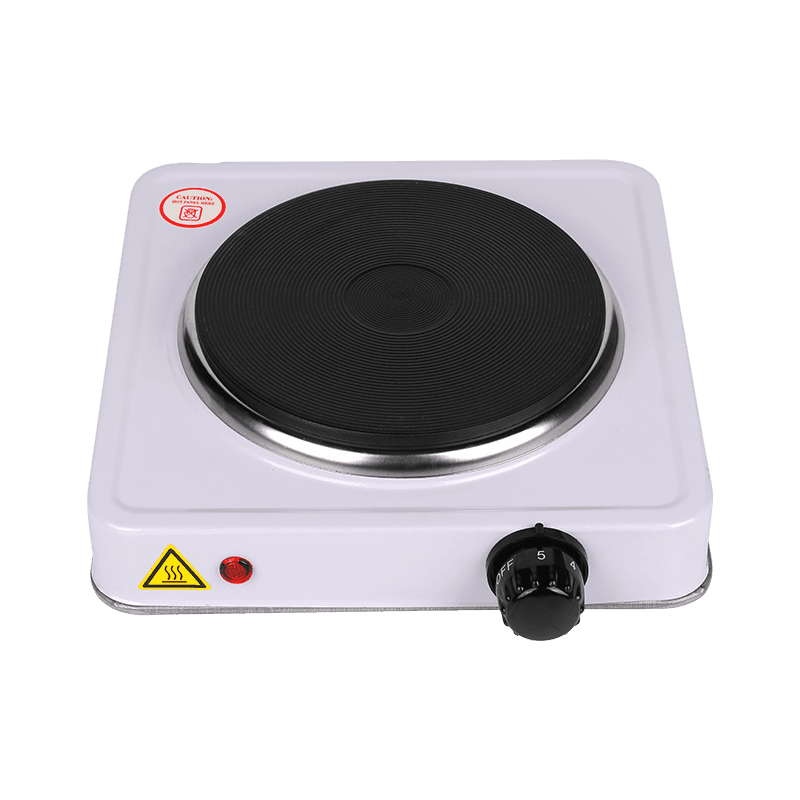
The spiral element provides a simple heating architecture in which the resistance coil converts electrical energy into heat across the burner area. Its familiar construction suits compact cooking appliances, supplementary cooking stations, and other applications requiring direct electric heat. The engineering task is to distribute heat appropriately while keeping the unit stable during repeated operation.
Uneven heating can affect cookware performance and make temperature adjustment less predictable. Recent technical discussions on industrial hot plates highlight the difference between a controller’s set temperature and the actual surface or workpiece temperature. For manufacturers, this makes element placement, plate thickness, thermal contact, and sensor positioning important design considerations. A well-matched heating assembly can provide a more predictable response without unnecessarily complicated controls.
Hot plate safety remains an important concern in both household and professional environments. Laboratory safety guidance continues to warn about electrical sparks, overheating, residual surface heat, and failures associated with older control components. New designs benefit from enclosed electrical connections, suitable insulation, stable controls, and protection against abnormal heating. These details should be considered during product engineering rather than added after the main structure has been finalized.
Material selection influences thermal transfer, corrosion resistance, cleaning requirements, and mechanical durability. Manufacturers evaluate the heating coil, support structure, cooking surface, insulation, housing, and controls as one assembly. For export production, material choices should reflect the target market, operating environment, voltage requirements, and compliance expectations. A component that performs well in a prototype may require refinement before continuous production.
For overseas buyers developing private-label or customized appliances, the heating assembly should be assessed alongside the complete product. Important points include:
This approach can reduce design changes during pilot production and clarify technical requirements before mass production.
From a manufacturer’s perspective, repeatability depends on process control as much as component selection. Coil forming, terminal connection, insulation placement, surface assembly, electrical testing, and functional testing require consistent procedures. Incoming material inspection can also help identify variation in resistance wire, terminals, insulation materials, and other components before assembly. Production teams should verify heating behavior and safety functions through defined inspection steps instead of relying only on visual checks.
The market conversation around hot plates is moving toward dependable heating, clearer temperature control, safety-conscious construction, and application-specific design. For buyers comparing suppliers, reviewing the heating element alone is not enough; the complete thermal and electrical system deserves attention. A properly engineered Spiral heating hot plate can provide a practical foundation for compact electric heating products when its coil design, materials, controls, insulation, and manufacturing process are developed as a coordinated system.
In the realm of culinary convenience, our company proudly presents our latest innovation: the multi-functional, innovative, and portable single hot pl...
See Details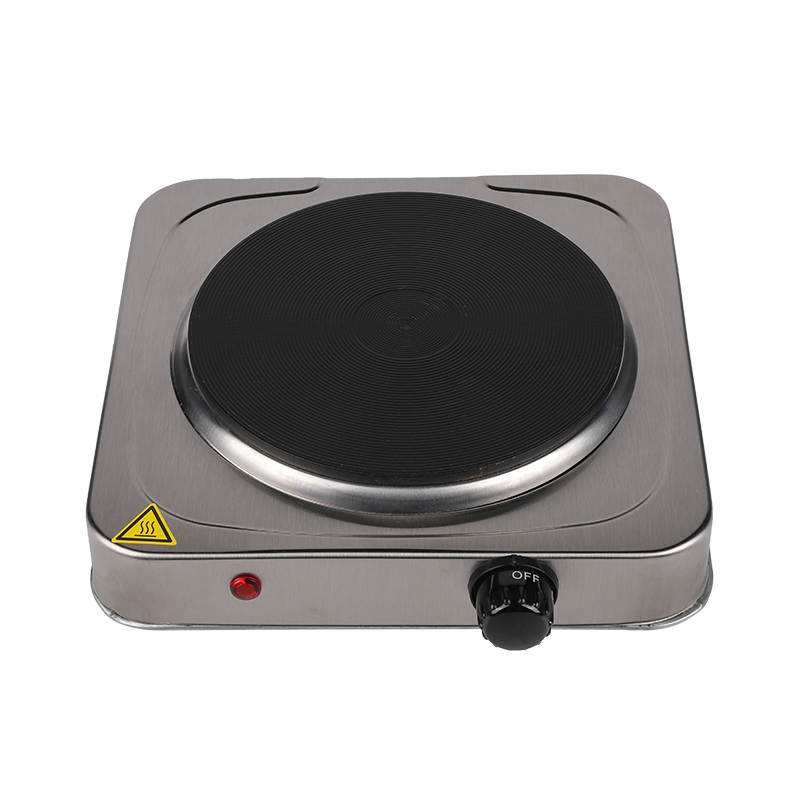
In the heart of every home, the kitchen stands as a hub of culinary creativity and family gatherings. But in today's fast-paced world, convenience and...
See Details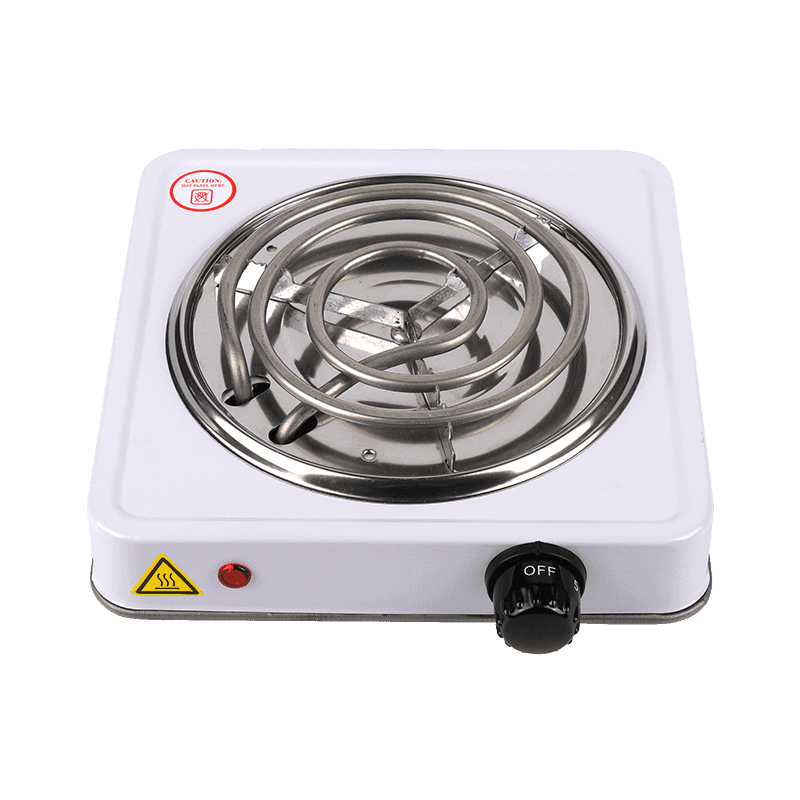
In the realm of modern kitchen appliances, innovation and technology have revolutionized the way we cook and prepare meals. Keeping pace with this evo...
See Details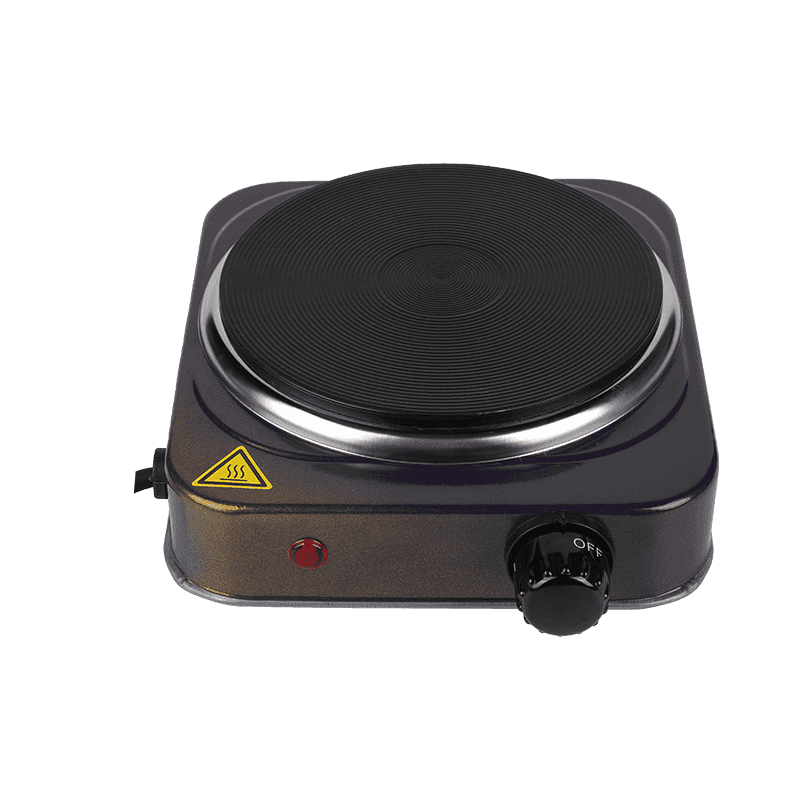
In the modern kitchen, safety, health, and environmental consciousness are of importance. That's why we're proud to introduce the Safe, Healthy, Envir...
See Details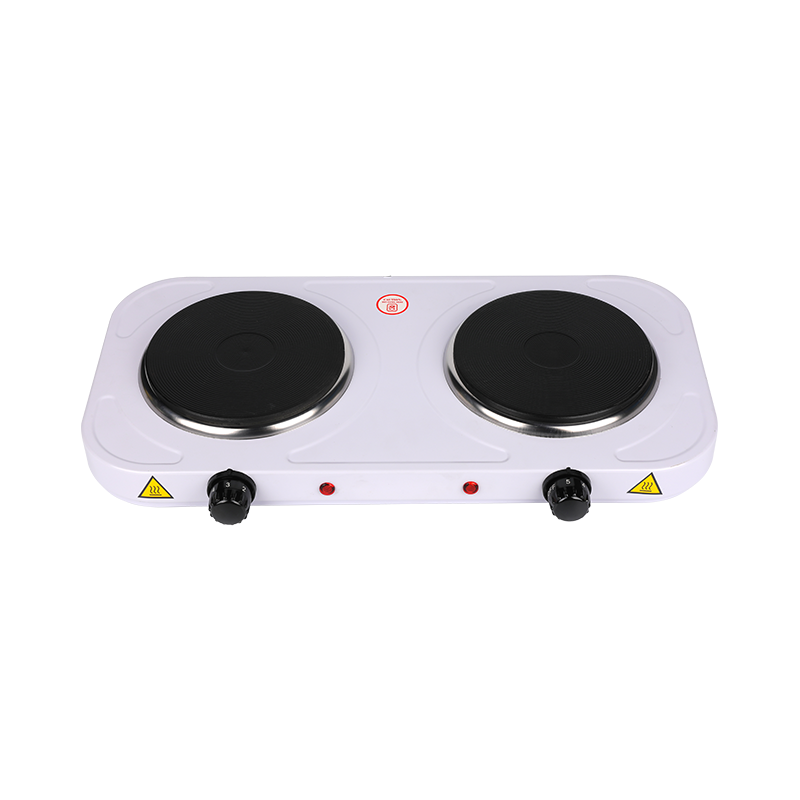
In the realm of modern cooking appliances, versatility, practicality, and intelligence are paramount. Meet the Multi-Functional Practical Intelligent ...
See Details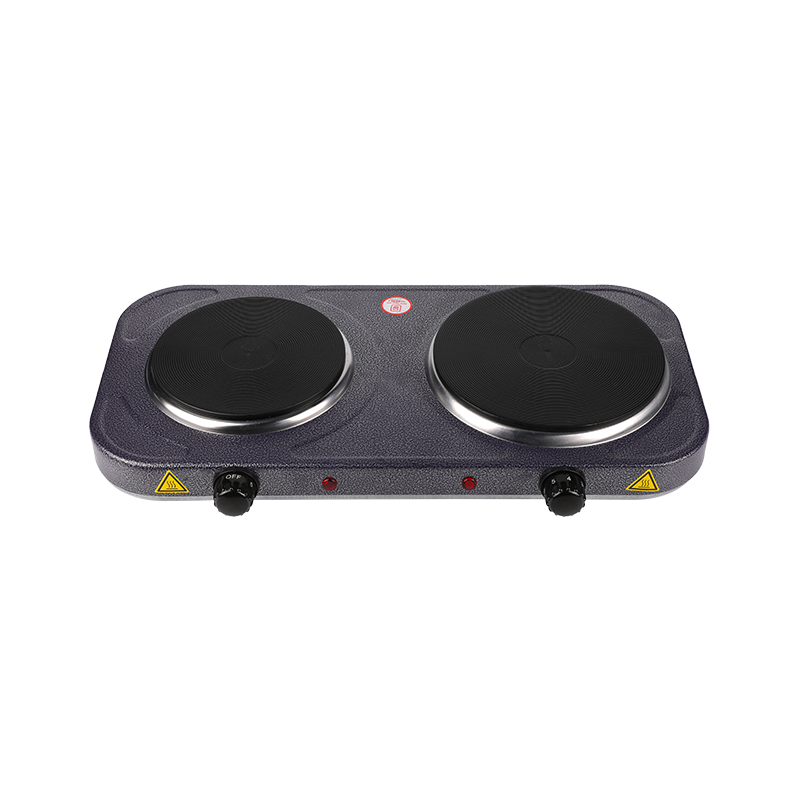
In today's environmentally conscious world, sustainability, energy efficiency, and health-conscious cooking are becoming increasingly important factor...
See Details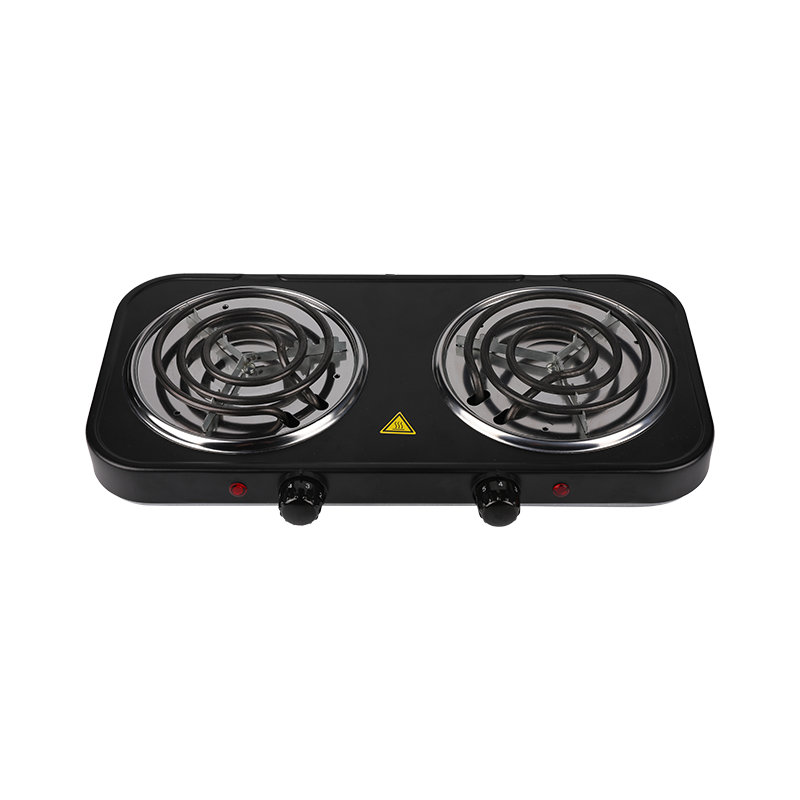
In the fast-paced environment of commercial kitchens and food service establishments, efficiency is paramount. That's where the Efficient Time-Saving ...
See Details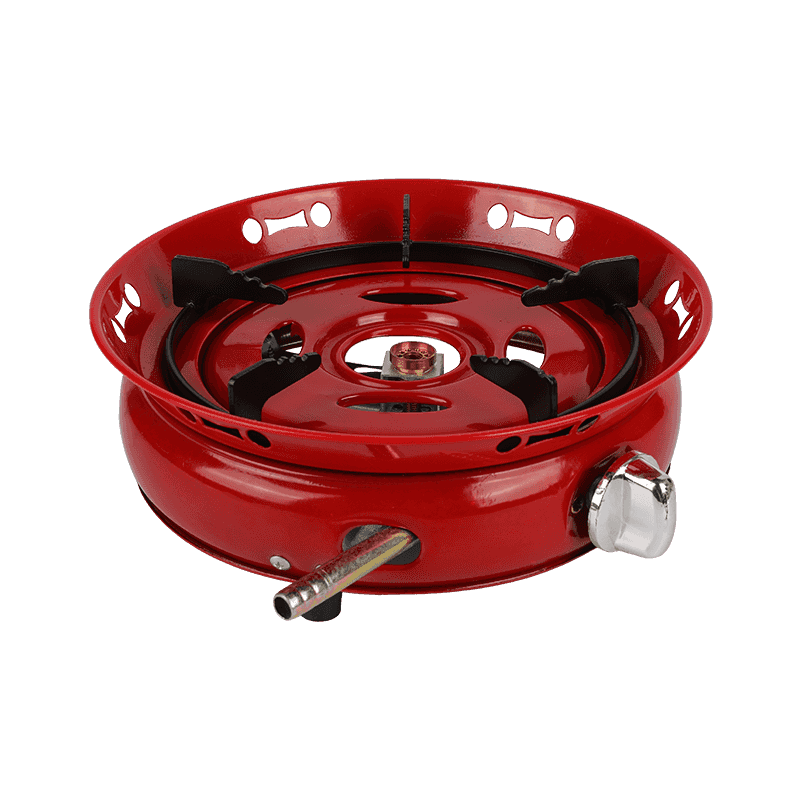
Welcome to the future of cooking convenience and sustainability! As manufacturers of cutting-edge Intelligent, Convenient, and Energy-Saving Kerosene ...
See Details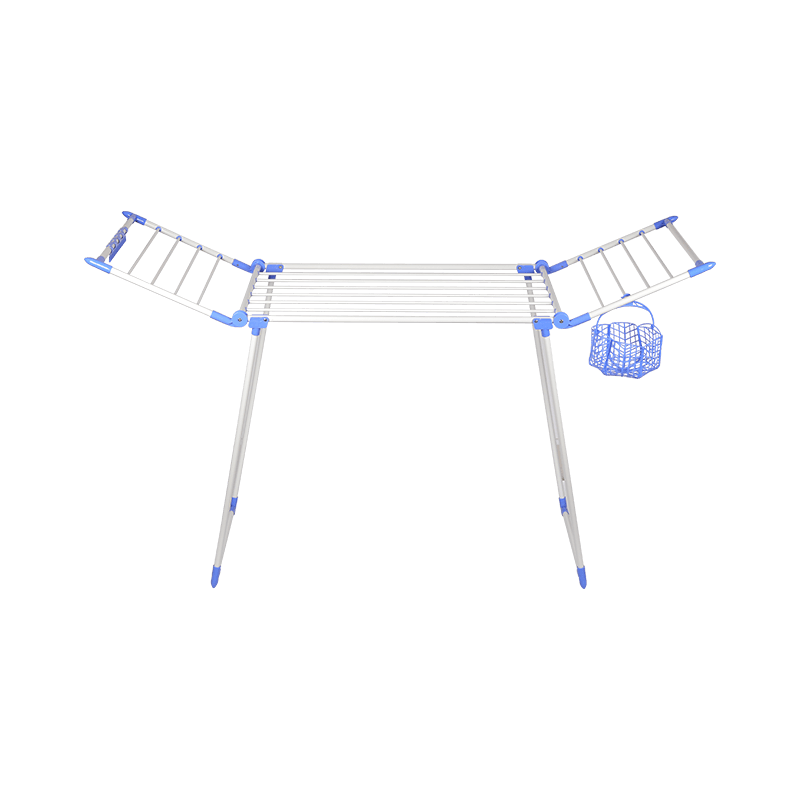
Welcome to the pinnacle of laundry elegance and practicality! As manufacturers of the Comfortable and Stylish Wing Drying Rack, we take pride in prese...
See Details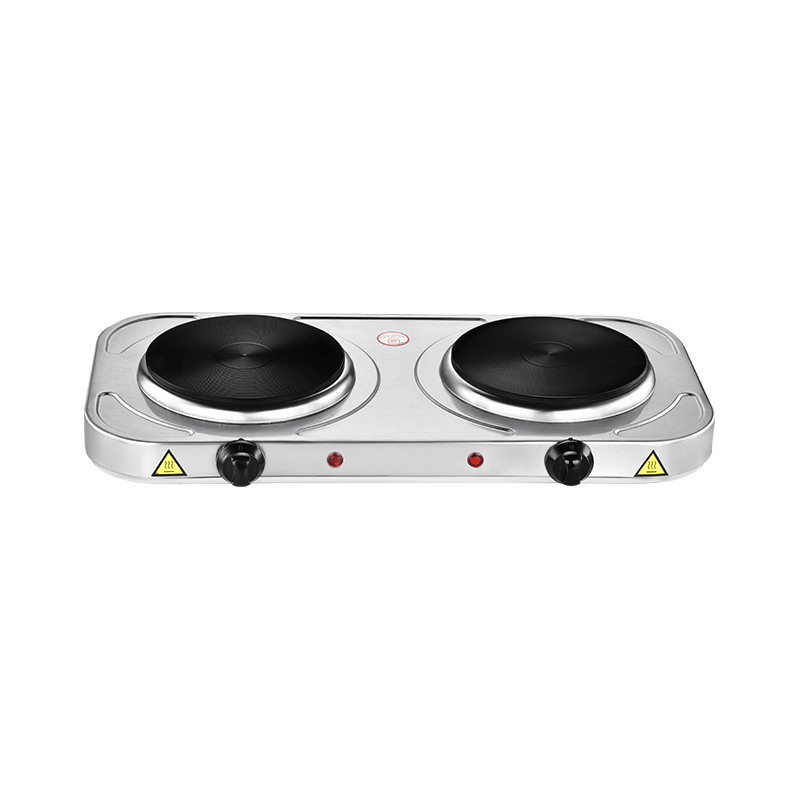
In the bustling world of commercial kitchens, durability, reliability, and quality are non-negotiable. Enter the High-Quality Durable Commercial Doubl...
See Details
Zhejiang Huaang Electrical Appliance Co., Ltd. is a manufacturer specializing in the production of kitchen appliances. It was established in 2009
Tel: +86-0579-84666999
Phone: +86-18058924218
E-Mail: ceo@hualunte.com
Copyright © Zhejiang Warranty Electric Appliance Co., Ltd. All Rights Reserved.
Smart Outdoor Kitchen Appliances Factory
