
 English
 русский
 Español
Multi-functional innovative portable single hot plate
Cat:Single Hot Plate
In the realm of culinary convenience, our company proudly presents our latest innovation: the multi-functional, innovative, and portable single hot pl...
See Details

Phone: +86-0579-84666999

E-mail: ceo@hualunte.com

Tel: +86-18058924218


Wing drying racks have quietly become a go-to choice for apartments, tiny houses, and any home where open floor area stays in short supply. The latest folding systems let the entire rack disappear into places that were once wasted space, freeing rooms to feel larger once the laundry finishes airing out.

Current wing drying racks often rely on a straightforward three-part collapse. The side wings swing inward and lie flat against the center frame. Next, the main tower drops in a single smooth motion. Finally, the base folds upward, turning the whole unit into a slim panel. To open it again, a gentle tug on a cord or a push on a lever snaps everything back into position. Certain models add small magnetic strips along the edges so the folded wings stay neatly aligned while carried or stored.
Owners regularly slide these folded racks into narrow gaps that already exist in most homes. The space between a refrigerator and the wall often fits perfectly. The area behind a couch or armchair works just as well. Some people lean the collapsed rack flat against the inside of a closet or pantry door. Others hang it in a simple fabric sleeve with handles from a coat hook or over-the-door hanger. Under-bed storage remains popular, especially with low-profile beds, and a few users stand the folded rack inside an umbrella holder near the entrance.
Many wing drying racks now let users change the height of the wings depending on what is hanging that day. Shorter items like socks and underwear need less height, so lowering the wings before folding creates a noticeably thinner package. Removable lower bars and mesh shelves can be taken off completely when not required, further reducing bulk. A few designs include slide-out shoe trays or detachable accessory hooks that can be removed in seconds, leaving only the core frame for storage.
Manufacturers commonly use lightweight aluminum tubing paired with reinforced plastic connectors. These materials hold plenty of wet laundry while keeping the collapsed thickness low. Some racks replace round tubes with flat metal bars, which stack tighter when folded. Nylon-coated steel cables and compact hinges take up little room compared to older wooden or bulky plastic joints. The overall result is a rack that feels solid in use but slips easily into tight spots afterward.
In laundry rooms, users often mount a simple wall hook so the folded rack hangs vertically like a thin board. On balconies or in bathrooms, a tension rod placed high in a corner holds the rack out of the way until needed. Some slide it behind a full-length mirror or inside a tall floor vase turned on its side. In studio apartments, the folded rack sometimes rests behind a freestanding bookshelf, completely out of sight from the living area.
Households that already use compact washing machines or stackable units find that these folding racks pair naturally with their setup. The rack opens only when the wash cycle ends, then folds away the moment clothes are dry. This rhythm keeps the living space clear for daily activities, whether that means room for yoga, children’s play, or simply walking without stepping around drying laundry.
A folding wing drying rack does not demand new furniture or renovations. It works with the existing layout of a small home, slipping into gaps most people already have. Once the clothes are dry and put away, the rack vanishes again, leaving rooms open and uncluttered. For anyone juggling limited square footage, this quiet adaptability has turned a once-awkward chore into a smoother part of the routine.
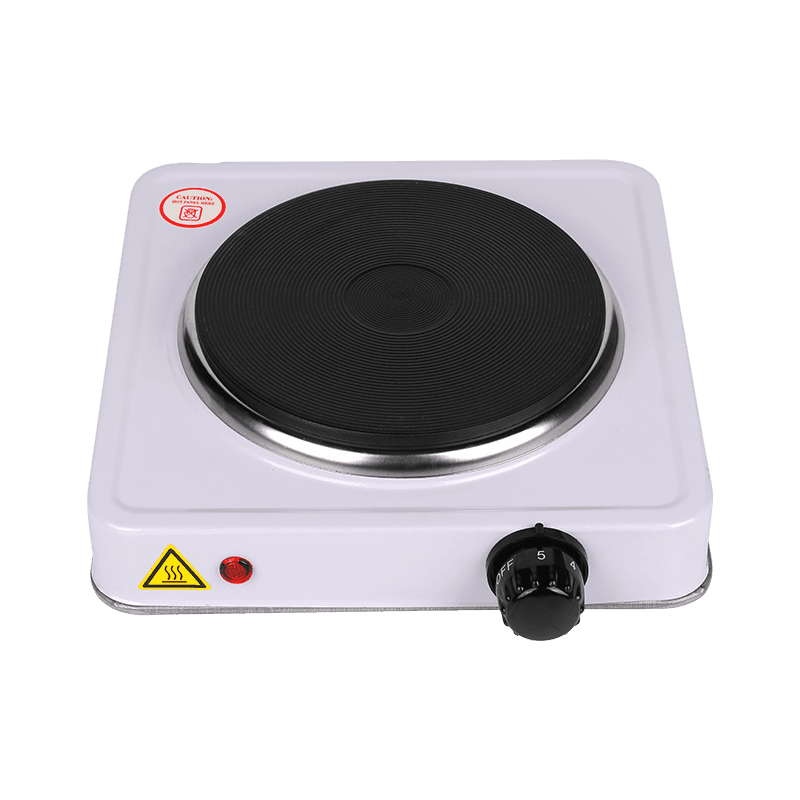
In the realm of culinary convenience, our company proudly presents our latest innovation: the multi-functional, innovative, and portable single hot pl...
See Details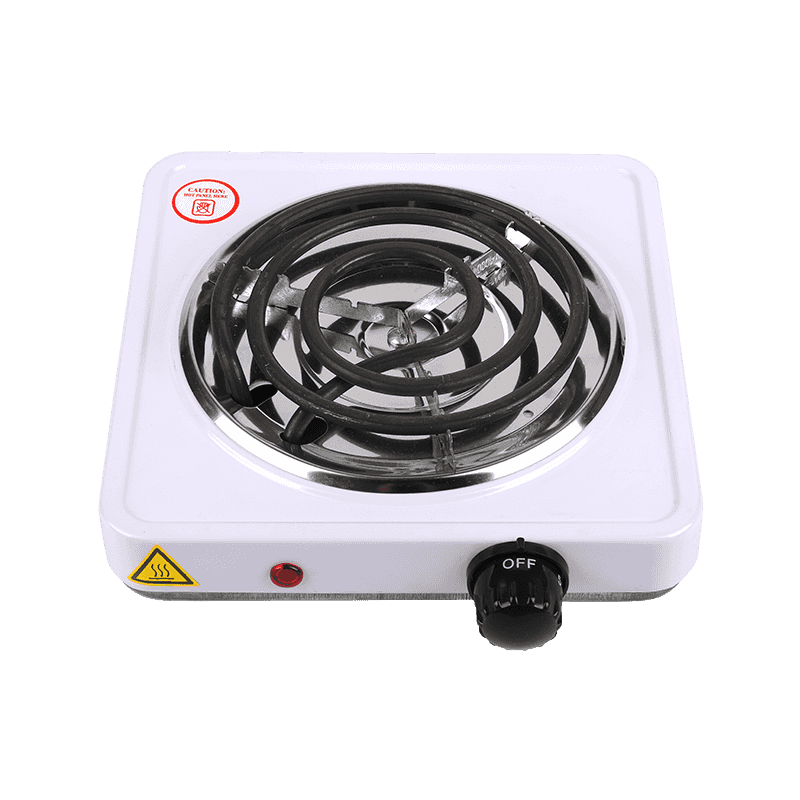
The Multi-functional healthy household single hot plate is an essential kitchen appliance designed for modern homes. This compact yet versatile device...
See Details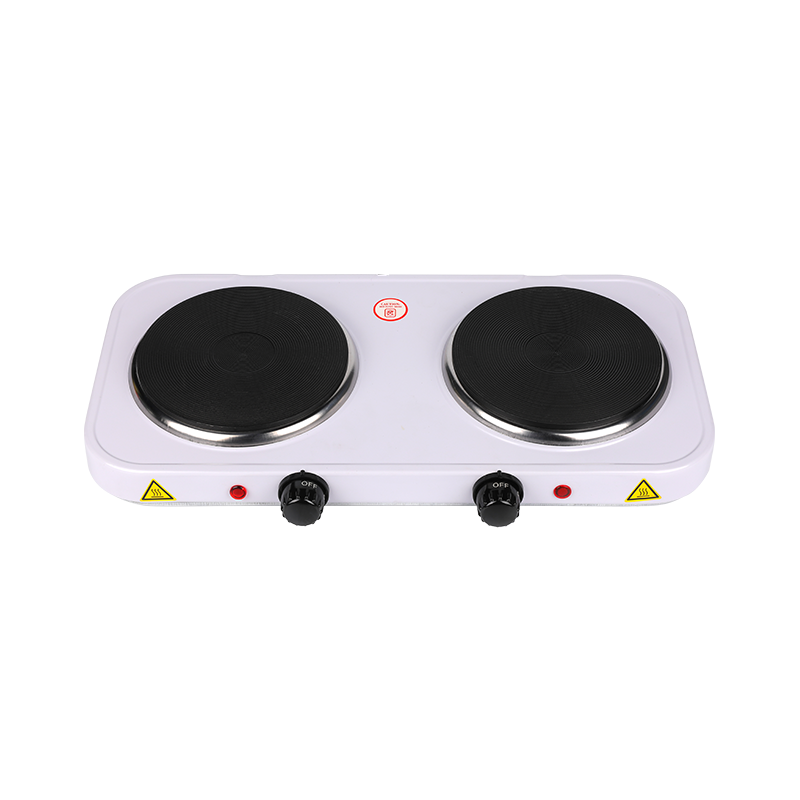
In the realm of modern kitchen appliances, versatility, efficiency, and convenience reign. Enter the Intelligent, Energy-Saving, Multi-Functional Doub...
See Details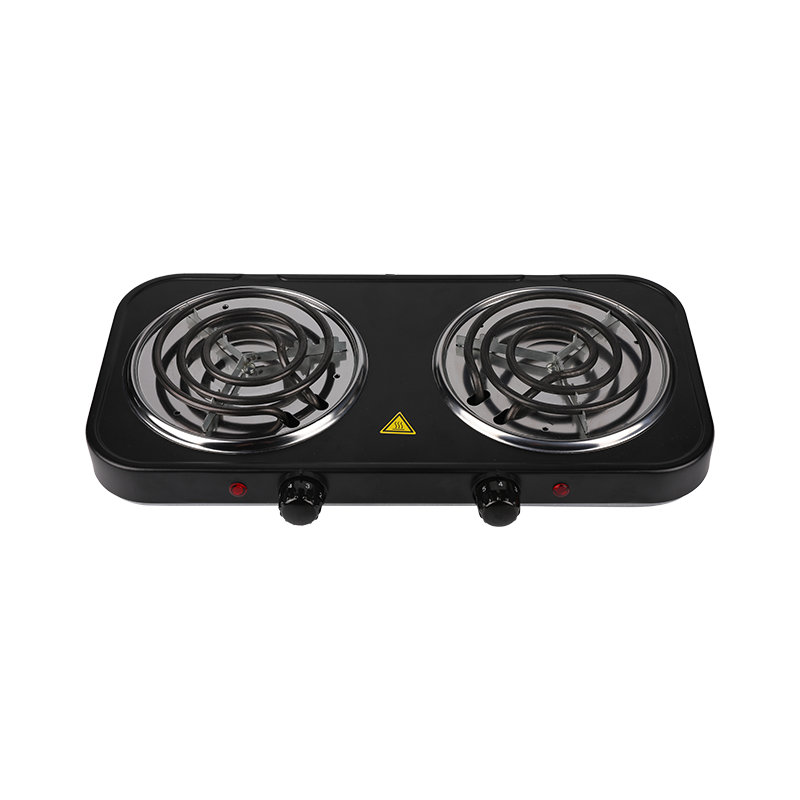
In the fast-paced environment of commercial kitchens and food service establishments, efficiency is paramount. That's where the Efficient Time-Saving ...
See Details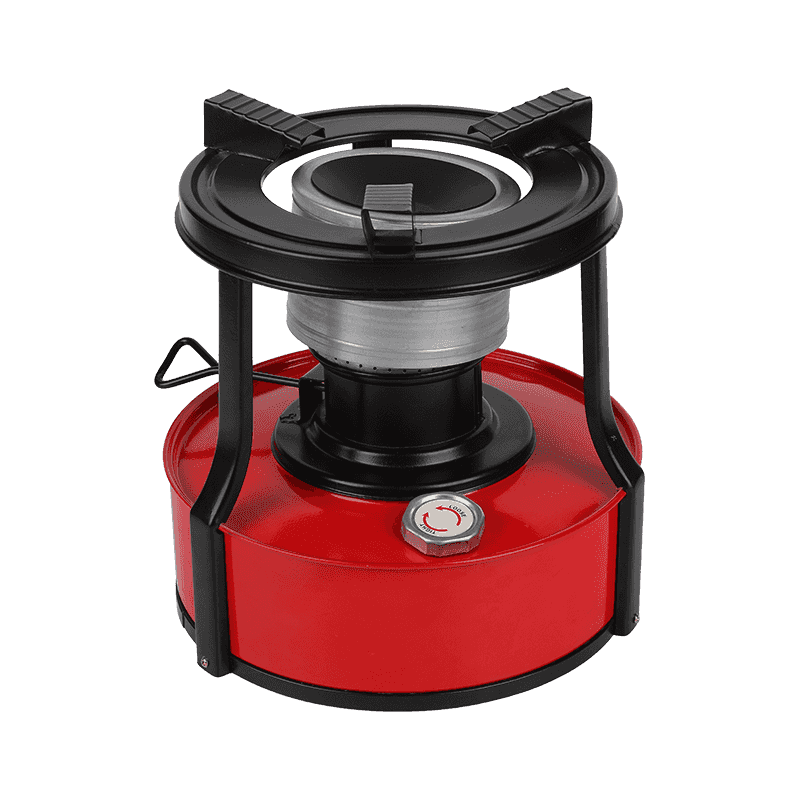
In the realm of versatile and eco-friendly cooking solutions, our company proudly presents our latest innovation: the efficient, energy-saving, and mu...
See Details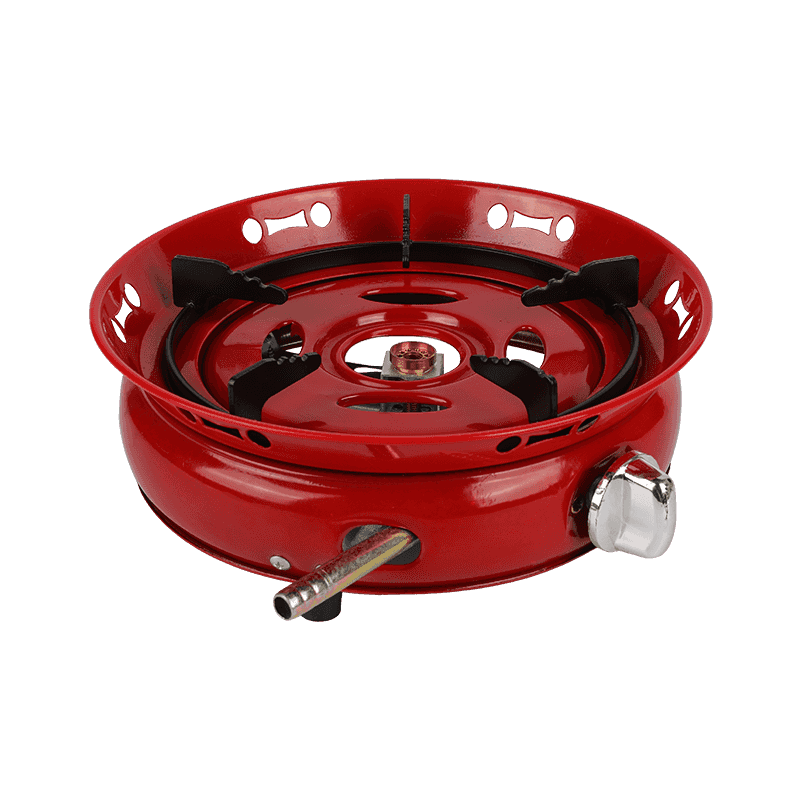
Welcome to the future of cooking convenience and sustainability! As manufacturers of cutting-edge Intelligent, Convenient, and Energy-Saving Kerosene ...
See Details
We are thrilled to present our latest innovation in home laundry solutions - the Exquisite Space-Saving Wing Drying Rack. This elegant and practical d...
See Details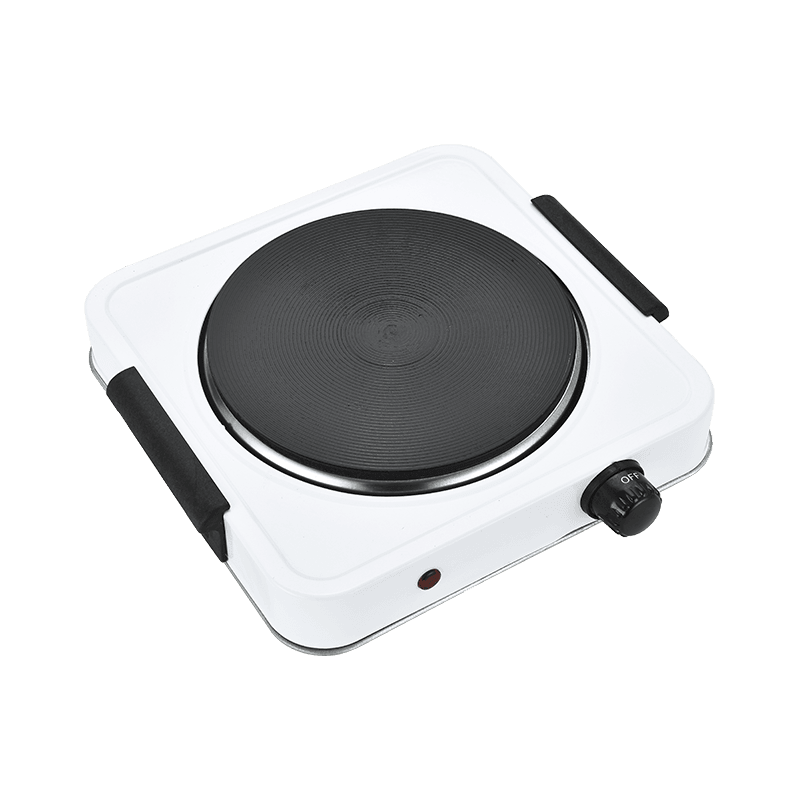
As a manufacturer of the Exquisite Practical Multi-functional Single Hot Plate, we deeply understand the needs and preferences of our customers. Let's...
See Details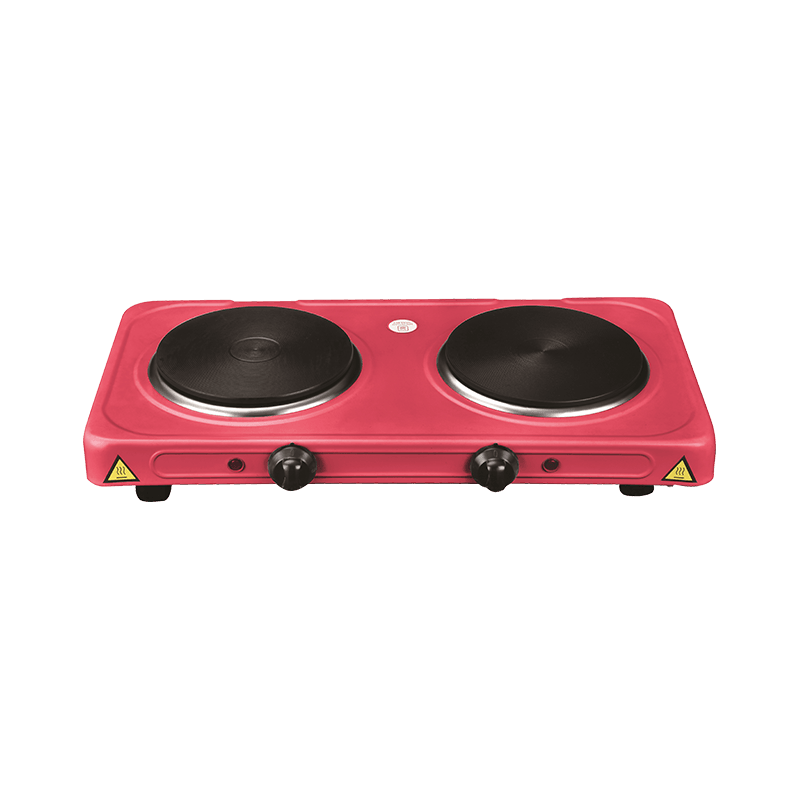
In the realm of modern culinary appliances, precision, convenience, and versatility are paramount. Meet the Precision Temperature Control Convenient D...
See Details
In the bustling world of commercial kitchens, durability, reliability, and quality are non-negotiable. Enter the High-Quality Durable Commercial Doubl...
See Details
Zhejiang Huaang Electrical Appliance Co., Ltd. is a manufacturer specializing in the production of kitchen appliances. It was established in 2009
Tel: +86-0579-84666999
Phone: +86-18058924218
E-Mail: ceo@hualunte.com
Copyright © Zhejiang Warranty Electric Appliance Co., Ltd. All Rights Reserved.
Smart Outdoor Kitchen Appliances Factory
