
 English
 русский
 Español
Multi-functional innovative portable single hot plate
Cat:Single Hot Plate
In the realm of culinary convenience, our company proudly presents our latest innovation: the multi-functional, innovative, and portable single hot pl...
See Details

Phone: +86-0579-84666999

E-mail: ceo@hualunte.com

Tel: +86-18058924218


As awareness of resource usage continues to influence purchasing decisions, compact and energy-conscious kitchen appliances are gaining attention. Within this trend, Egg Boiler Factory development strategies increasingly focus on reducing unnecessary energy consumption while maintaining reliable cooking performance. Compact design has also become a defining characteristic, particularly in urban living environments where space efficiency matters.
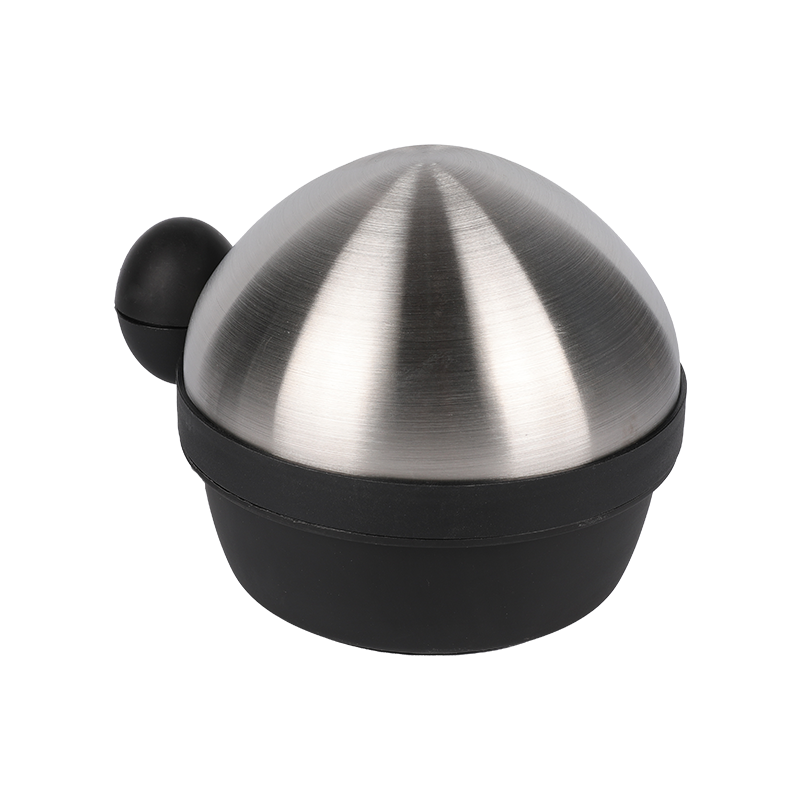
Consumers are becoming more attentive to how kitchen appliances operate daily. Products that complete tasks efficiently without prolonged heating cycles are often preferred. Egg boilers naturally align with this preference, as they use controlled heating processes rather than extended cooking times.
For buyers and importers, energy-conscious design adds value and supports product positioning across various markets. Efficient appliances are easier to introduce in regions with strict household energy awareness or limited kitchen infrastructure.
Energy-efficient egg boilers rely on well-balanced heating systems. Controlled power distribution ensures that heat is delivered evenly while avoiding unnecessary energy waste. Factories invest in refining heating plate structures, insulation placement, and internal airflow paths to maintain stable operation.
Shorter cooking cycles achieved through effective heat transfer help reduce overall power usage. These design improvements are often the result of repeated testing during development rather than dramatic structural changes.
Compact design addresses both consumer and logistical needs. Smaller appliances are easier to store, transport, and display. For end users, compact egg boilers fit naturally into kitchens with limited counter space or shared cooking areas.
From a production perspective, compact designs often allow more efficient use of materials. Internal components are arranged carefully to maintain functionality while reducing unnecessary volume. This balance supports stable manufacturing processes and consistent product output.
Developing compact kitchen appliances requires careful planning. Component placement, wiring routes, and ventilation paths must be arranged precisely to avoid performance issues. Factories address these challenges through standardized assembly procedures and repeated functional testing.
Material selection also influences compact design. Lightweight yet durable materials help maintain structural stability without increasing overall size. These choices support both product reliability and transportation efficiency.
The Synergy of Form and Responsibility
The drive for compactness naturally supports efficiency. A smaller, well-insulated cooking chamber requires less energy to heat up. Furthermore, using materials that are both durable and appropriate for the scale of the product helps ensure a long product life, which is itself a form of resource conservation. The development process views efficiency and size not as separate goals but as linked aspects of a responsible product specification. Appliances born from this philosophy aim to perform their designated tasks competently while demonstrating a clear awareness of their physical and environmental context.
The focus on energy-conscious and space-sensitive design is a direct response to evolving lifestyles and environmental awareness. By prioritizing these factors in the development phase, the resulting appliances seek to provide practical value that extends beyond their primary function. They represent an understanding that a useful kitchen tool today must also be a considerate one, thoughtfully designed for the homes and habits of the present. This direction in product development continues to guide the exploration of new materials and technologies that can further these principles.
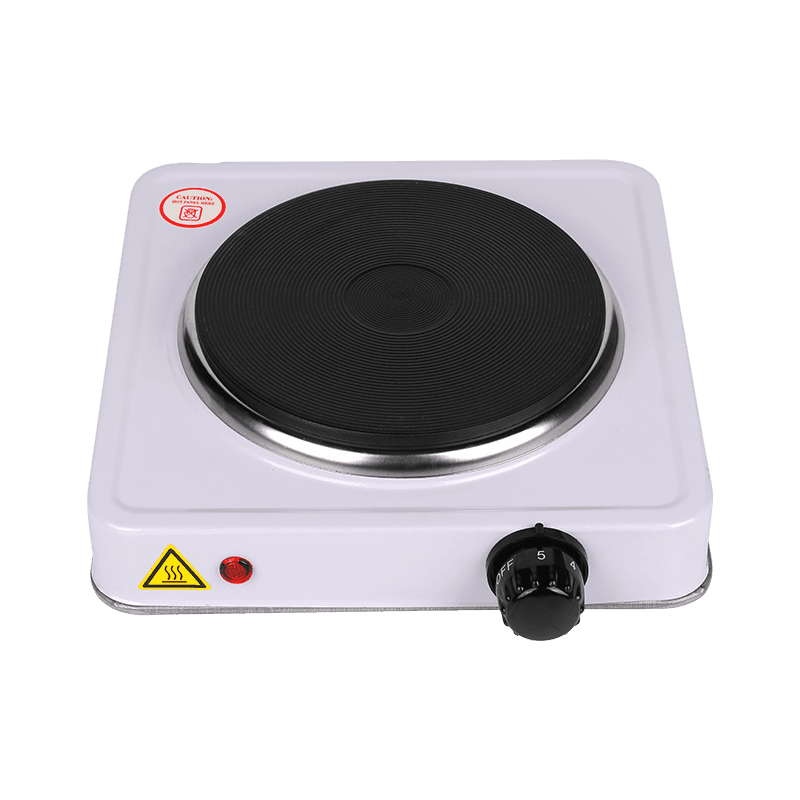
In the realm of culinary convenience, our company proudly presents our latest innovation: the multi-functional, innovative, and portable single hot pl...
See Details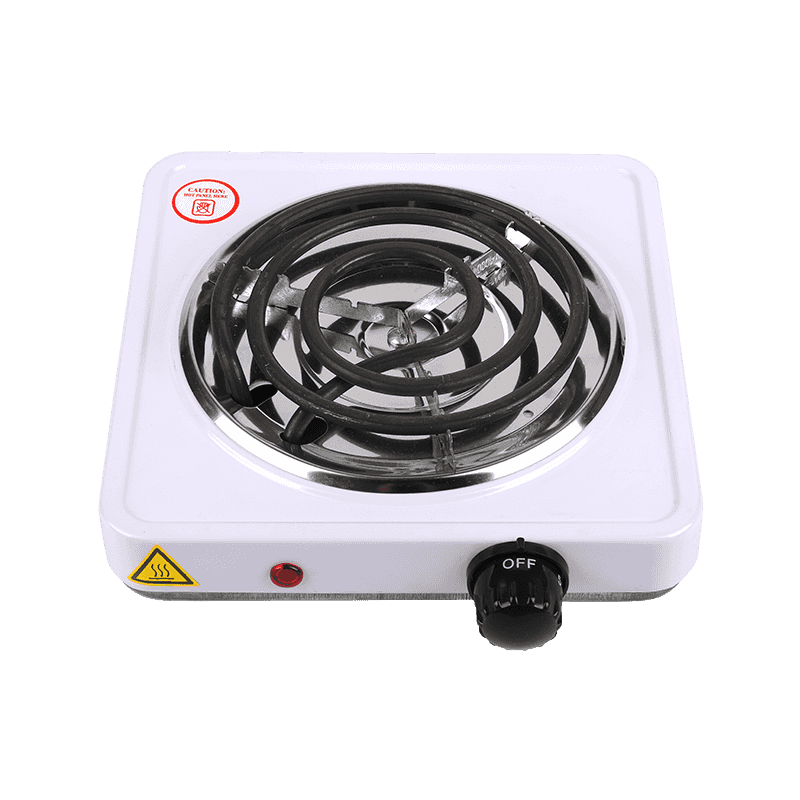
The Multi-functional healthy household single hot plate is an essential kitchen appliance designed for modern homes. This compact yet versatile device...
See Details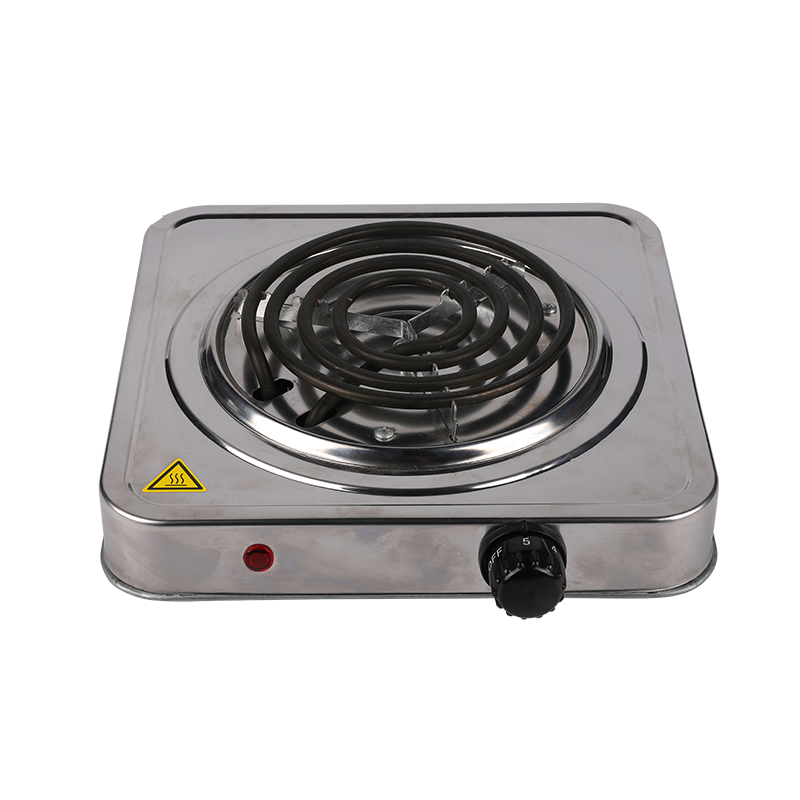
Welcome to our website, where we're proud to present our flagship product: the Efficient Time-Saving Commercial Single Hot Plate. As the owner of the ...
See Details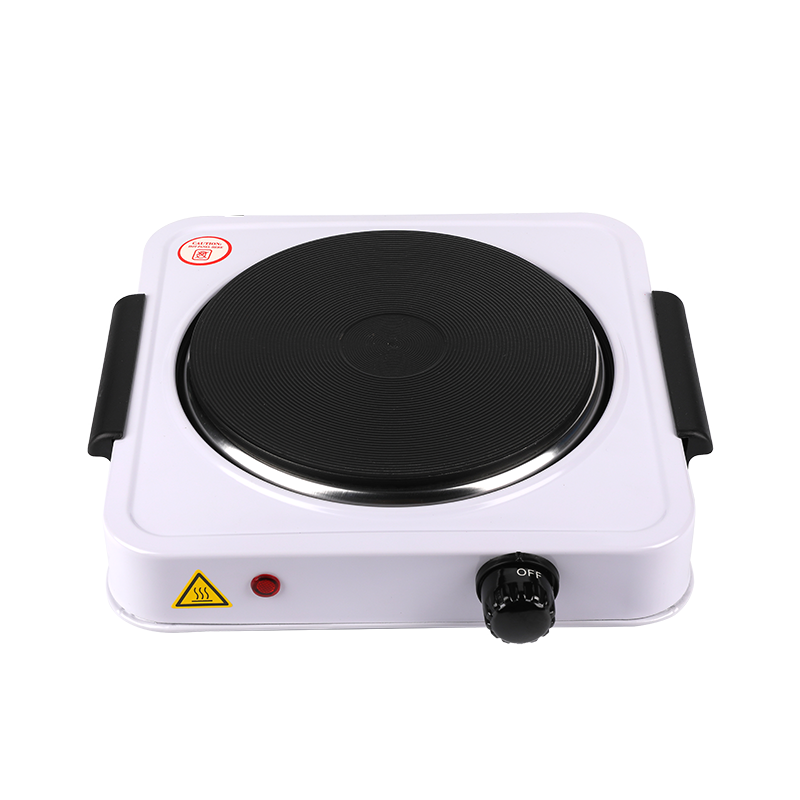
Introducing our Lightweight Energy-Saving Household Single Hot Plate – the solution for busy households seeking convenience, efficiency, and peace of ...
See Details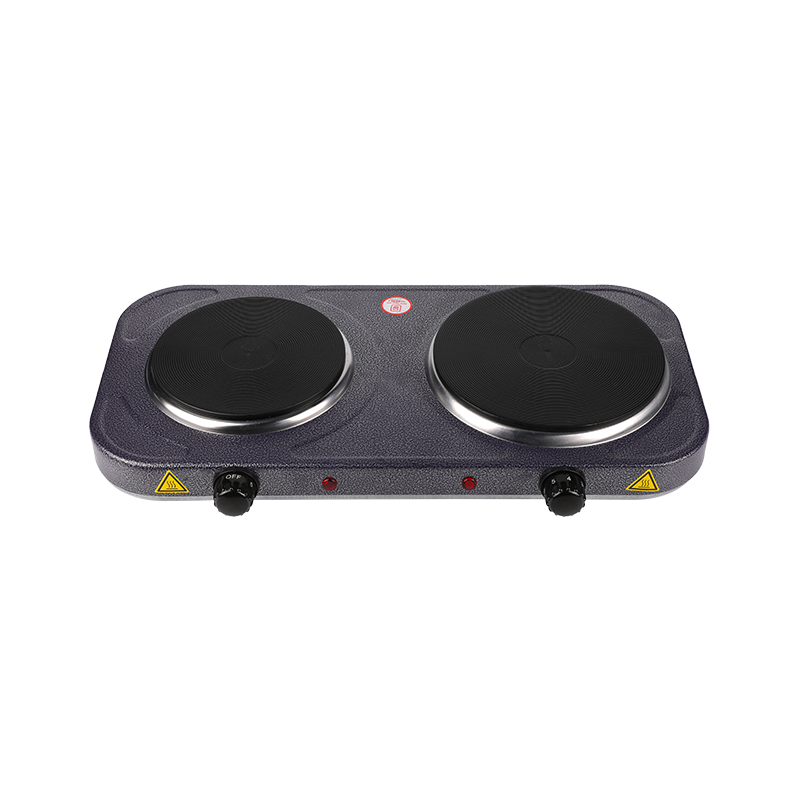
In today's environmentally conscious world, sustainability, energy efficiency, and health-conscious cooking are becoming increasingly important factor...
See Details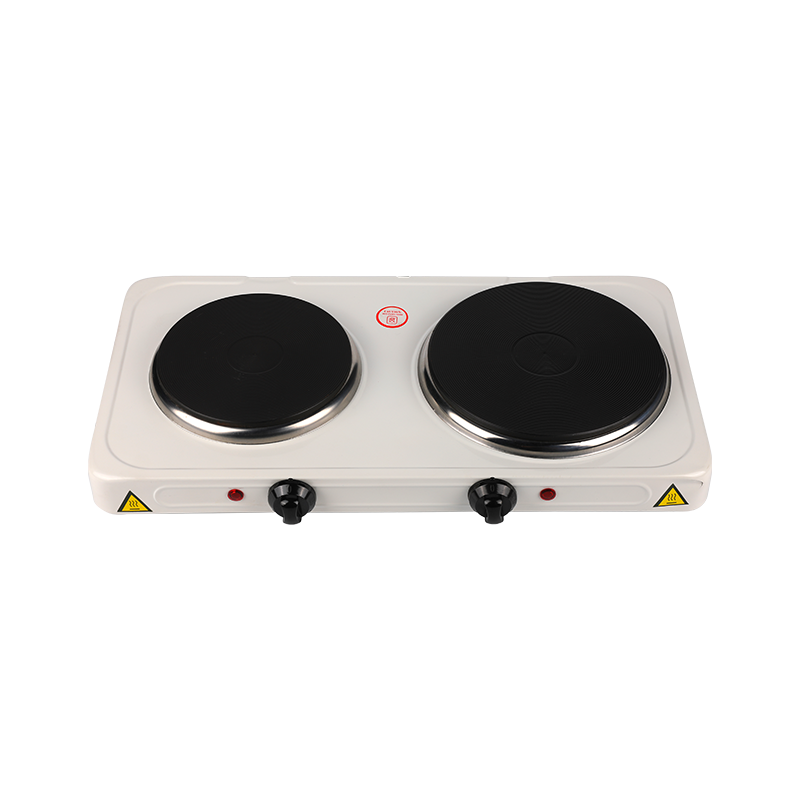
In the realm of culinary convenience, portability, and ease of use are key factors, especially for outdoor cooking adventures. Enter the Portable Ligh...
See Details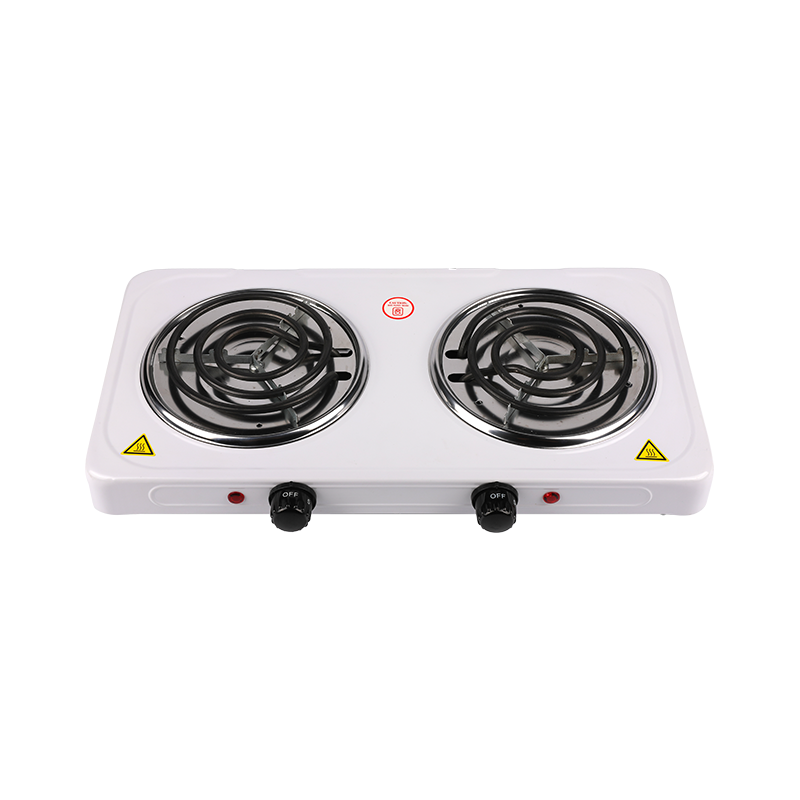
In the realm of home cooking, safety and reliability are paramount concerns for every household. With the Safe and Reliable Household Double Hot Plate...
See Details
We are thrilled to present our latest innovation in home laundry solutions - the Exquisite Space-Saving Wing Drying Rack. This elegant and practical d...
See Details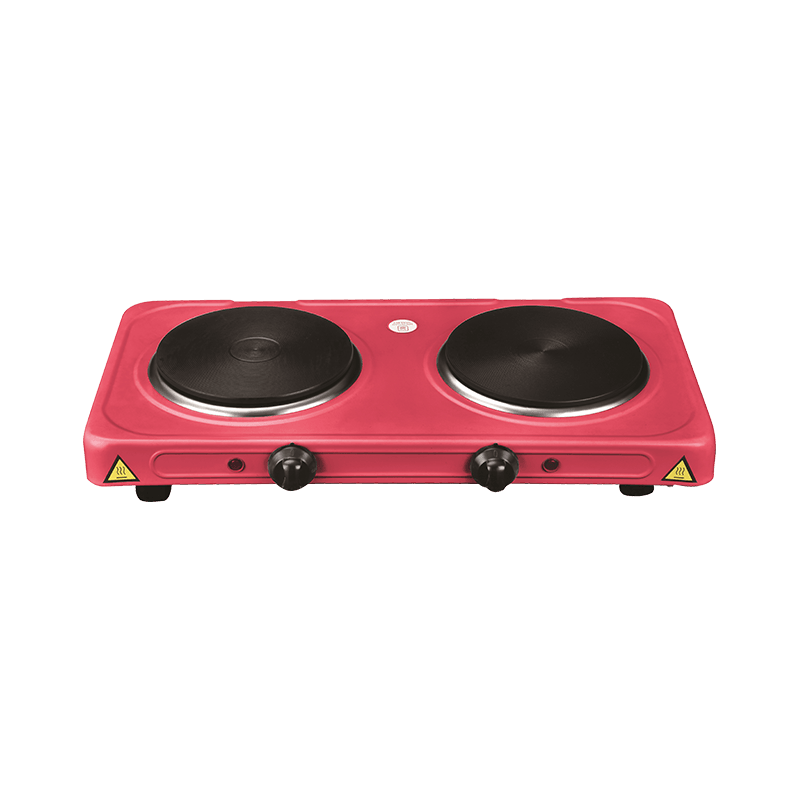
In the realm of modern culinary appliances, precision, convenience, and versatility are paramount. Meet the Precision Temperature Control Convenient D...
See Details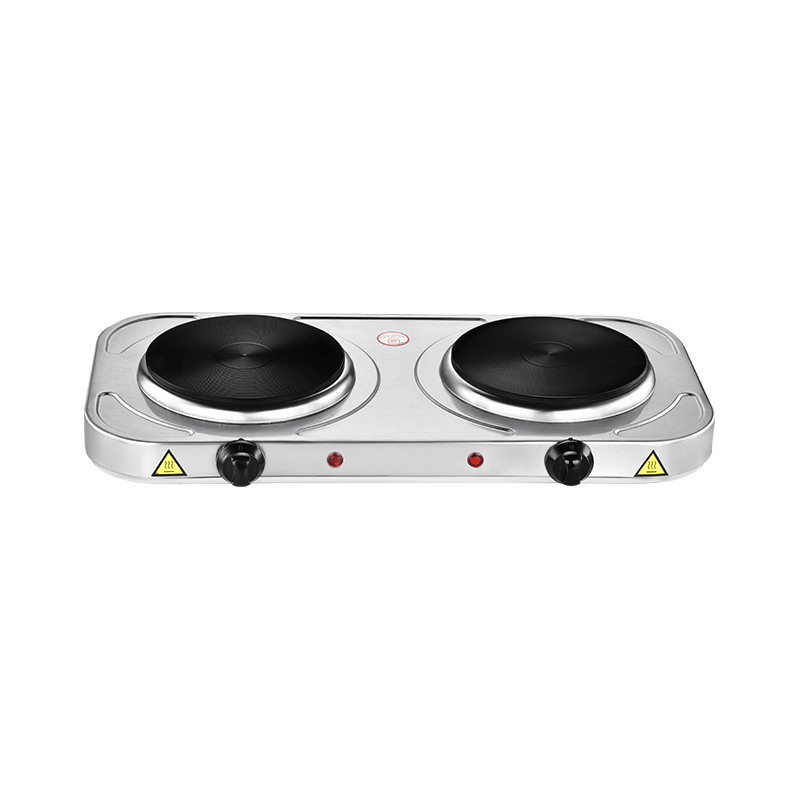
In the bustling world of commercial kitchens, durability, reliability, and quality are non-negotiable. Enter the High-Quality Durable Commercial Doubl...
See Details
Zhejiang Huaang Electrical Appliance Co., Ltd. is a manufacturer specializing in the production of kitchen appliances. It was established in 2009
Tel: +86-0579-84666999
Phone: +86-18058924218
E-Mail: ceo@hualunte.com
Copyright © Zhejiang Warranty Electric Appliance Co., Ltd. All Rights Reserved.
Smart Outdoor Kitchen Appliances Factory
