
 English
 русский
 Español
High-quality durable commercial single hot plate
Cat:Single Hot Plate
Introducing our flagship product, the High-Quality Durable Commercial Single Hot Plate – a game-changer in the world of culinary appliances. Have you ...
See Details

Phone: +86-0579-84666999

E-mail: ceo@hualunte.com

Tel: +86-18058924218


In the household appliance sector, user awareness of safety and functional reliability continues to grow. As a result, Egg Boiler Factory operations are increasingly shaped by consumer feedback related to daily use, material selection, and long-term performance. Safety and function are no longer treated as secondary considerations but as fundamental elements that influence purchasing decisions and buyer confidence across international markets.
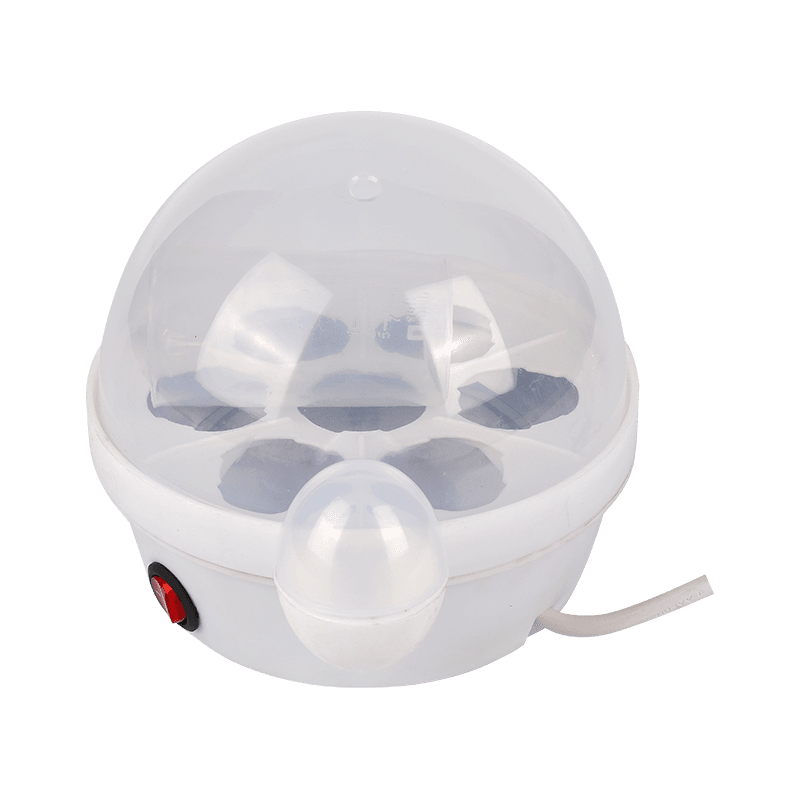
Consumers today pay closer attention to how small kitchen appliances behave during operation. Questions about heat exposure, electrical stability, and operational clarity frequently appear in user discussions. Egg boilers, which rely on controlled heating and water evaporation, naturally attract attention in these areas.
For buyers and distributors, products associated with safety concerns can create additional pressure during after-sales communication. Factories, therefore, recognize that addressing safety at the design and production stages is essential to reducing downstream issues. This approach supports smoother cooperation between manufacturing partners and sales channels.
One frequently discussed topic involves surface temperature during operation. Users want to understand which parts of the appliance may become hot and how to handle the product safely. Another concern involves electrical protection, especially in environments where appliances are used repeatedly or shared among multiple users.
Stability during operation is also a recurring point of attention. Consumers expect the appliance to remain steady on kitchen surfaces without shifting or tipping. Addressing these concerns requires attention not only to internal components but also to external structure and base design.
Beyond safety, functional consistency is a major topic in consumer feedback. Users expect egg boilers to produce predictable results based on simple operation steps. When cooking outcomes vary, confidence in the product can decline.
Unclear operating guidance may also create confusion. If instructions are difficult to understand, users may operate the appliance incorrectly, leading to dissatisfaction or safety concerns. Factories increasingly view functional clarity as part of overall product safety.
To respond to these concerns, manufacturers incorporate safety-oriented design elements into product development. Heat-resistant housing materials help reduce surface temperature exposure. Insulated handles and protective covers improve user comfort during and after operation.
Internal safety components are designed to regulate temperature and interrupt power when abnormal conditions occur. These features operate automatically, reducing reliance on user judgment during cooking. From a factory perspective, such design choices support safer usage without adding unnecessary complexity.
Functional reliability depends on precise coordination between heating elements, water control, and internal spacing. Factories refine these components through repeated testing during development and production. Adjustments may include improving water distribution, refining heating surface contact, or stabilizing internal supports.
These refinements aim to ensure that cooking results remain consistent across different usage scenarios. Reliable function reduces the likelihood of misuse and supports positive user experiences.
Consumer and buyer feedbackplays a vital role in identifying improvement opportunities. Importers and distributors often relay information gathered from end users regarding safety perception and functional clarity. Factories that actively review this feedback can respond more effectively to market needs.
Small adjustments, such as improving indicator visibility or simplifying control labeling, can significantly enhance usability. These changes demonstrate a commitment to continuous improvement rather than one-time product development.
As consumer awareness continues to evolve, addressing safety and functional reliability remains a central responsibility for manufacturers involved in egg boiler production.
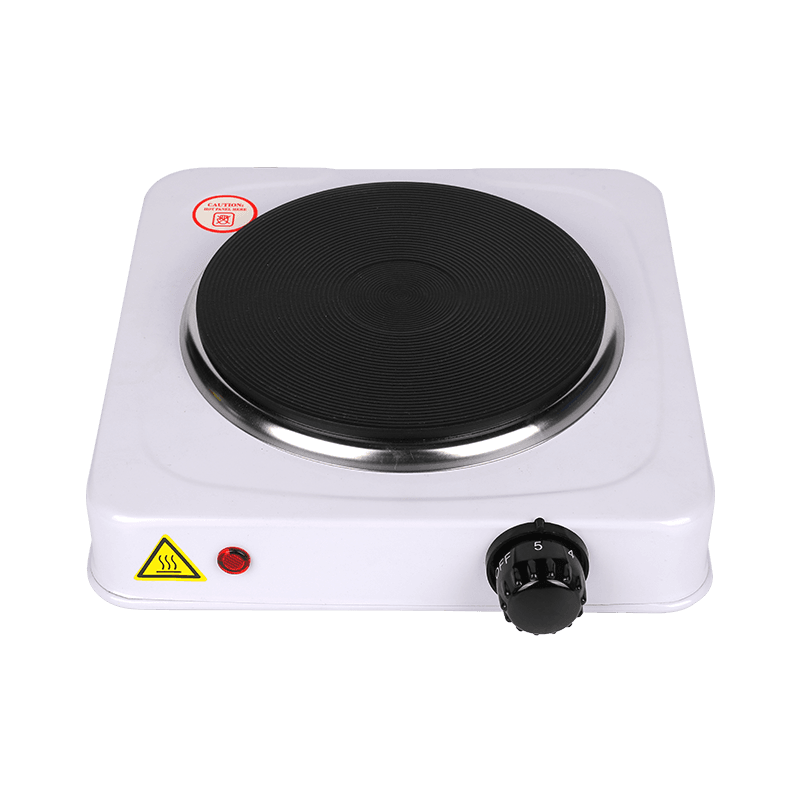
Introducing our flagship product, the High-Quality Durable Commercial Single Hot Plate – a game-changer in the world of culinary appliances. Have you ...
See Details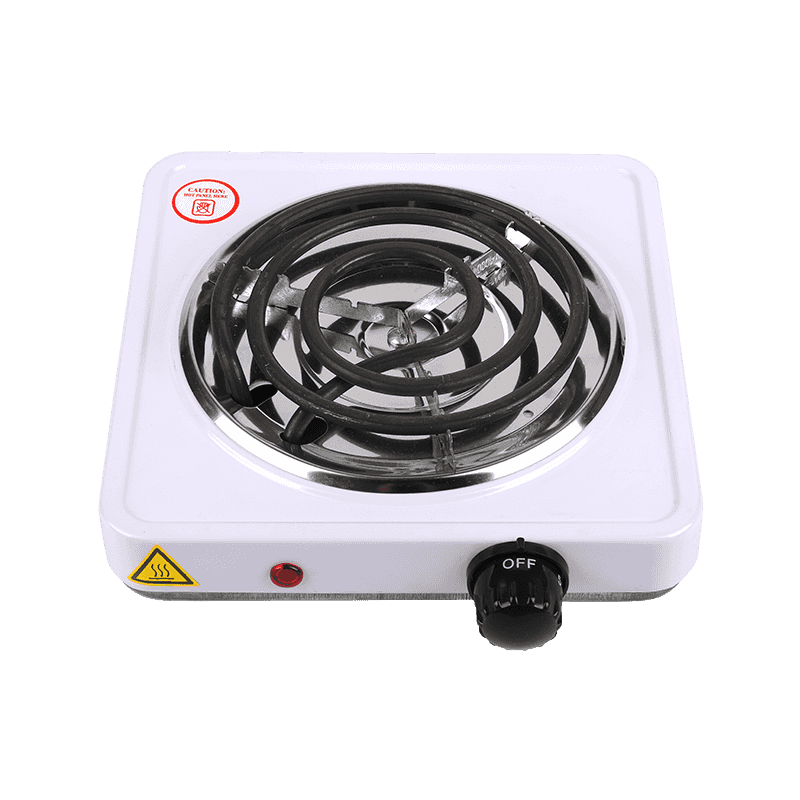
The Multi-functional healthy household single hot plate is an essential kitchen appliance designed for modern homes. This compact yet versatile device...
See Details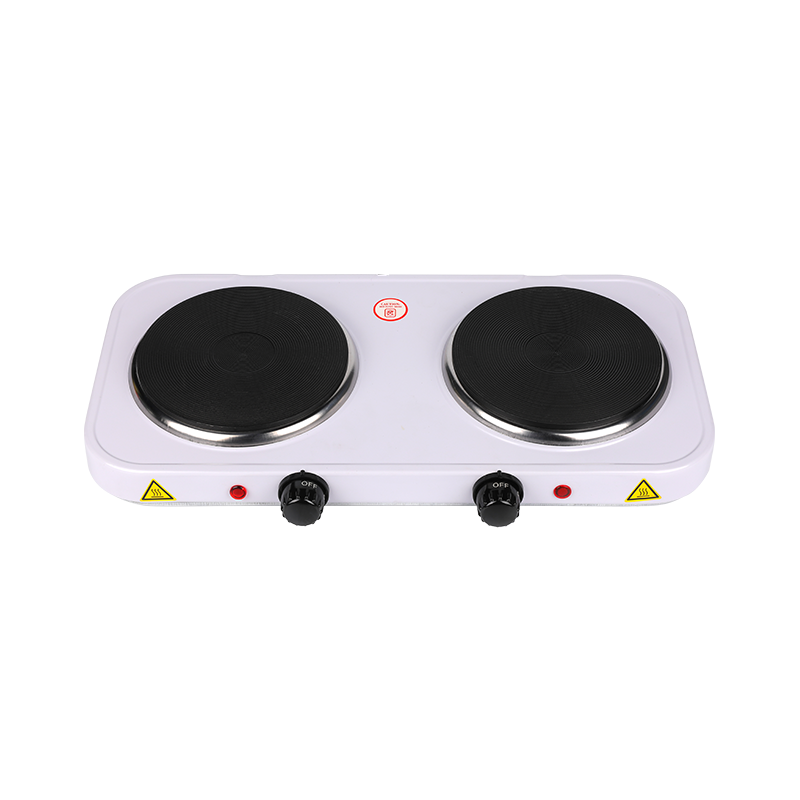
In the realm of modern kitchen appliances, versatility, efficiency, and convenience reign. Enter the Intelligent, Energy-Saving, Multi-Functional Doub...
See Details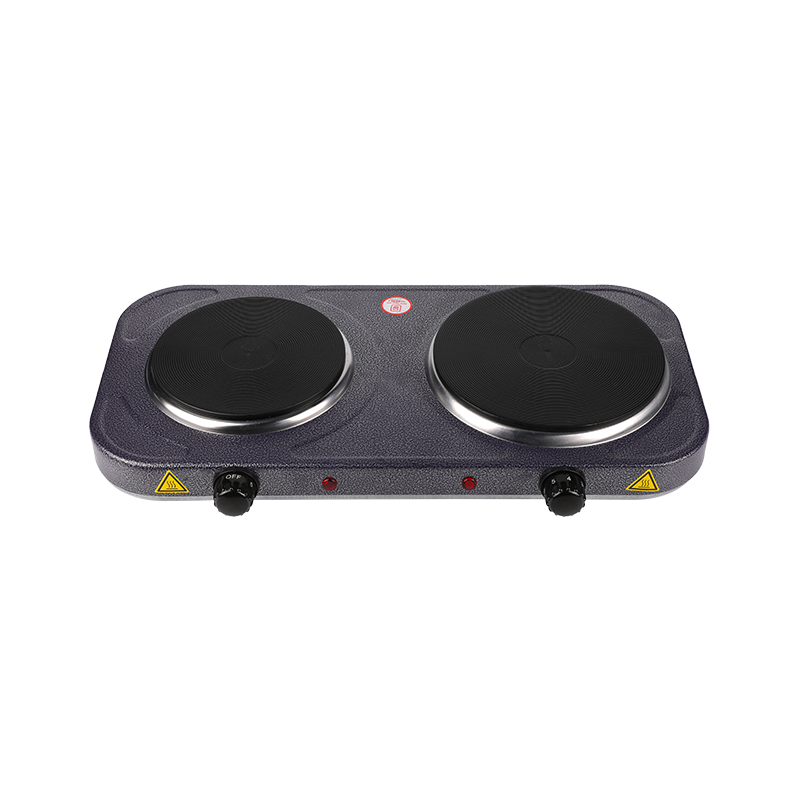
In today's environmentally conscious world, sustainability, energy efficiency, and health-conscious cooking are becoming increasingly important factor...
See Details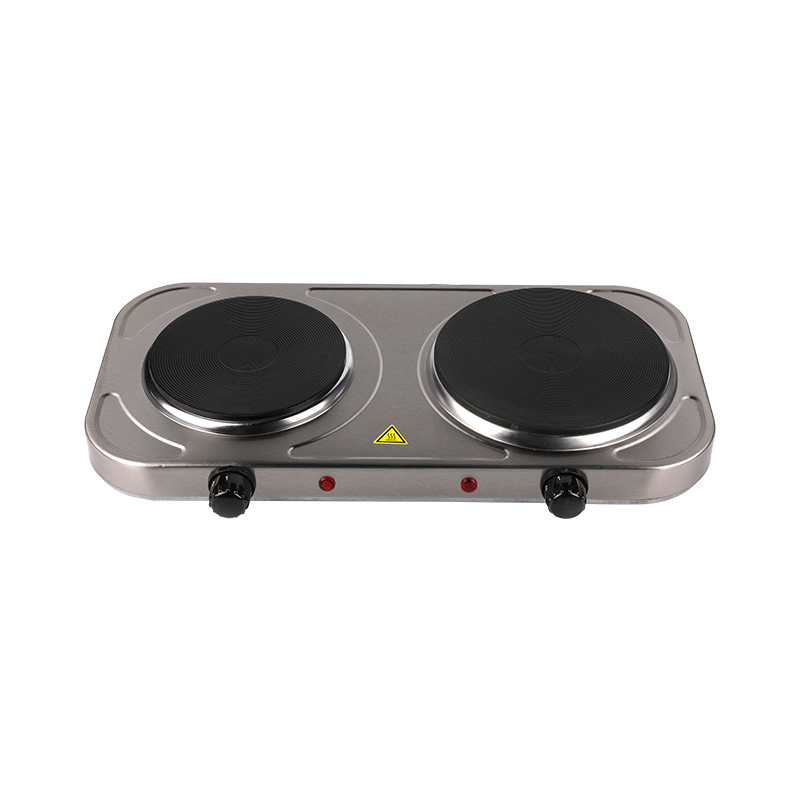
In today's fast-paced world, maintaining a healthy diet often takes a back seat to convenience. However, with the advent of the Healthy Cooking Intell...
See Details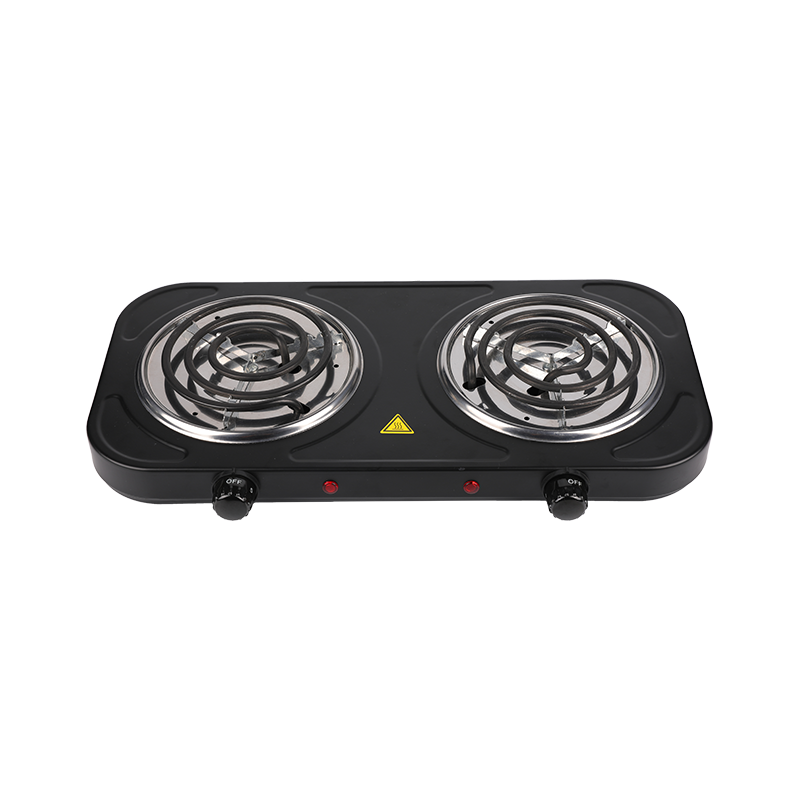
In the fast-paced world of hospitality and culinary excellence, having the right equipment is crucial for success. Enter the Professional Quality Comm...
See Details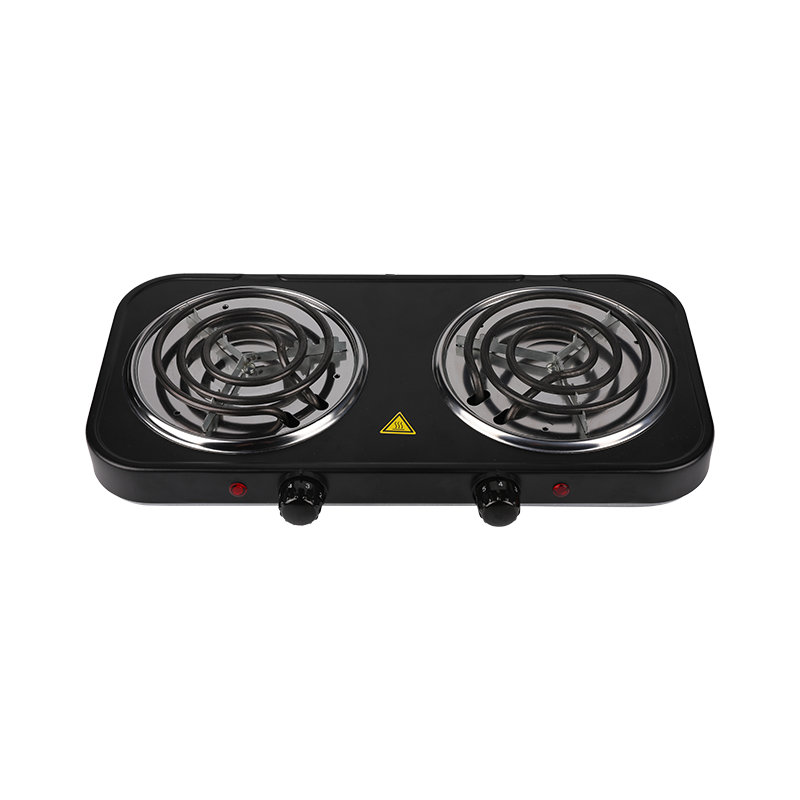
In the fast-paced environment of commercial kitchens and food service establishments, efficiency is paramount. That's where the Efficient Time-Saving ...
See Details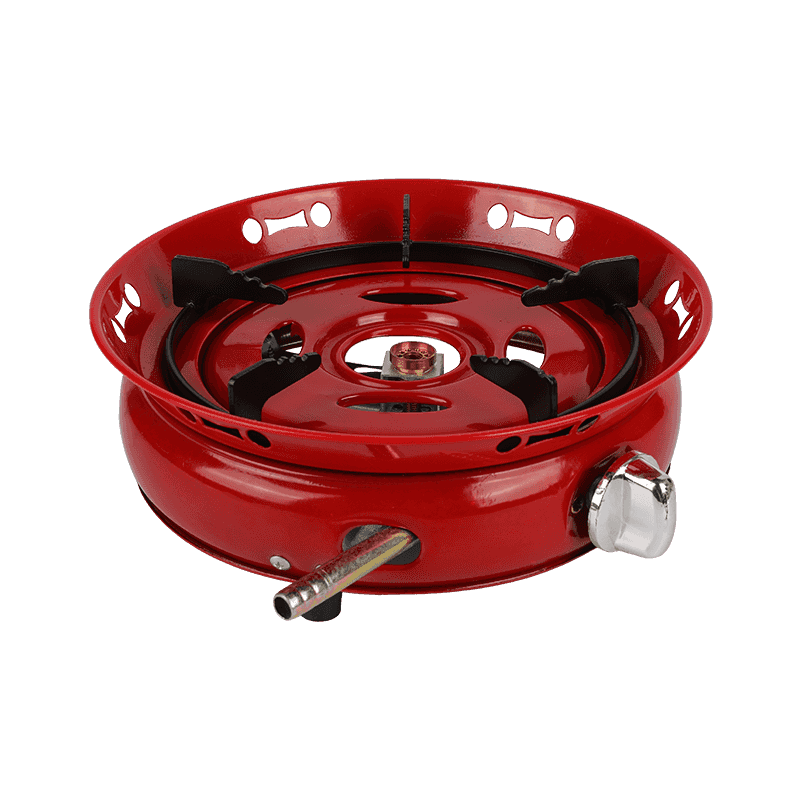
Welcome to the future of cooking convenience and sustainability! As manufacturers of cutting-edge Intelligent, Convenient, and Energy-Saving Kerosene ...
See Details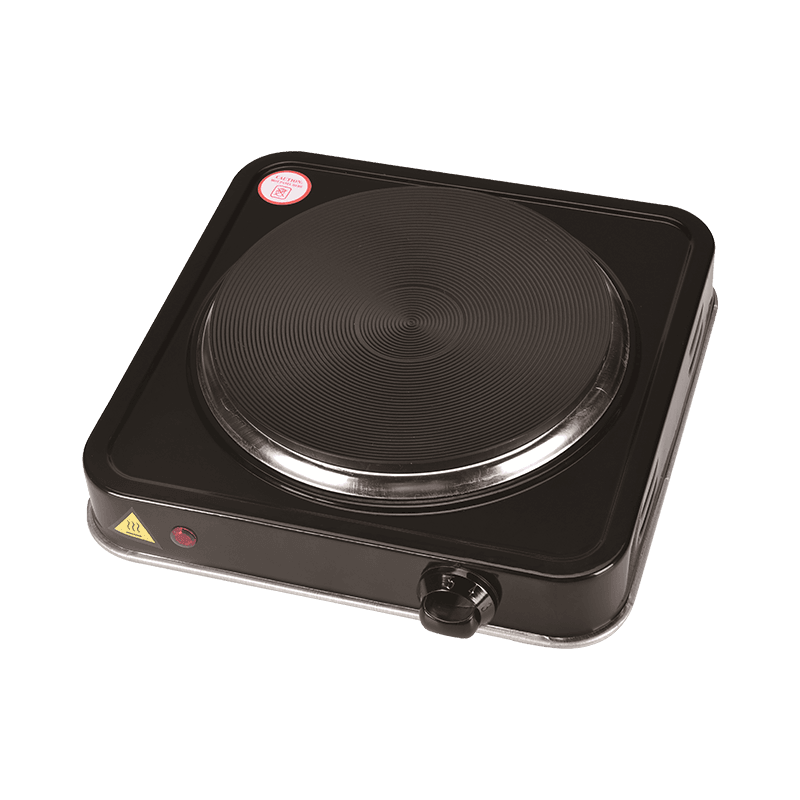
Introducing our revolutionary Efficient Space-Saving Single Hot Plate – the solution for cooking capabilities in compact living spaces, dorm rooms, sm...
See Details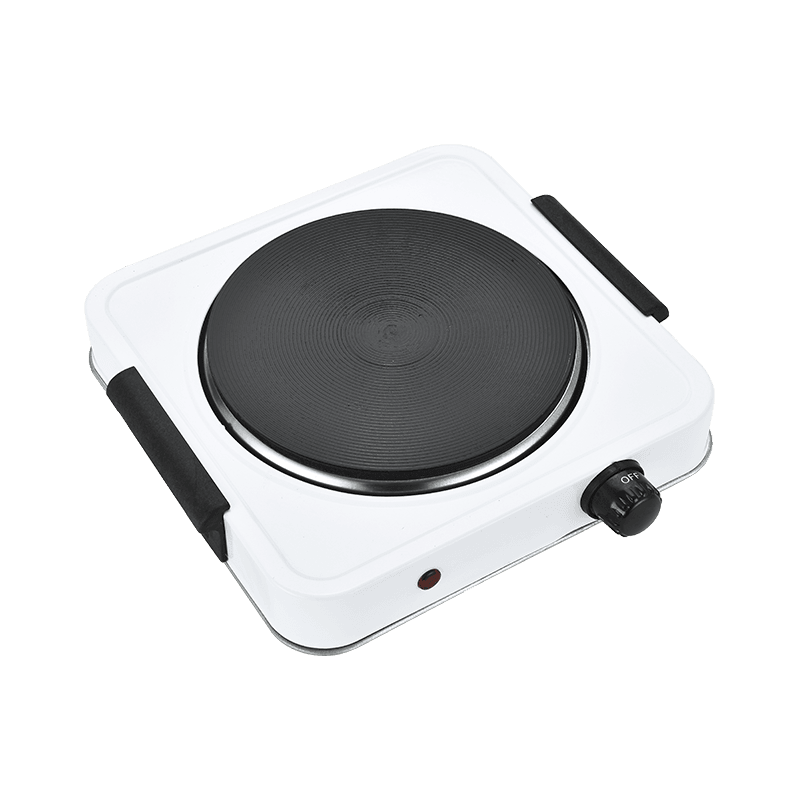
As a manufacturer of the Exquisite Practical Multi-functional Single Hot Plate, we deeply understand the needs and preferences of our customers. Let's...
See Details
Zhejiang Huaang Electrical Appliance Co., Ltd. is a manufacturer specializing in the production of kitchen appliances. It was established in 2009
Tel: +86-0579-84666999
Phone: +86-18058924218
E-Mail: ceo@hualunte.com
Copyright © Zhejiang Warranty Electric Appliance Co., Ltd. All Rights Reserved.
Smart Outdoor Kitchen Appliances Factory
