
 English
 русский
 Español
Health and environmentally friendly saving single hot plate
Cat:Single Hot Plate
In the realm of sustainable culinary solutions, our company takes pride in presenting our innovative single hot plate, designed to embody the core val...
See Details

Phone: +86-0579-84666999

E-mail: ceo@hualunte.com

Tel: +86-18058924218


Electric stove appliances have become a practical cooking solution for individuals living in compact apartments and student dormitories. In urban environments where space is limited and building regulations restrict open flames, many residents choose electric systems over alternatives such as a kerosene stove. While both appliances serve important purposes, selecting the right unit for a small living space requires careful consideration of safety, size, power compatibility, and daily convenience.
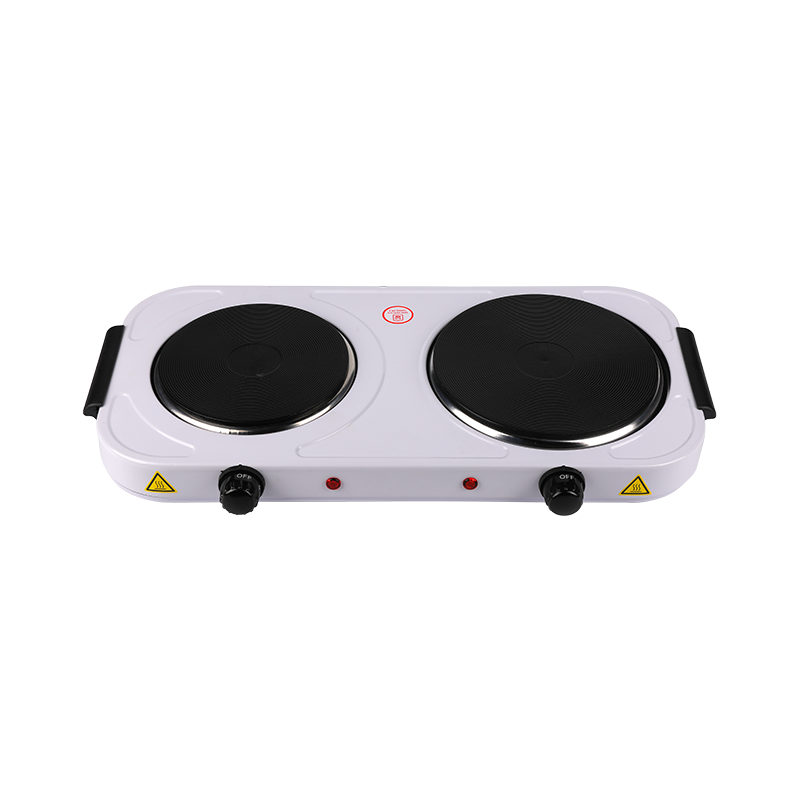
Small apartments and dorm rooms often feature limited countertop areas and shared kitchens. When evaluating an electric stove, measuring available space is an essential step. Single-burner units are commonly preferred for dormitory use because they fit easily on narrow counters and can be stored in cabinets when not in use. Double-burner designs may suit studio apartments where residents cook more frequently but still need compact appliances.
In comparison, a kerosene stove requires additional room for fuel storage and safe ventilation. Many residential buildings restrict fuel-based appliances indoors due to fire safety policies. Electric cooking systems integrate more smoothly into structured residential environments.
Before purchasing an electric stove, users should confirm that their building’s electrical system supports the appliance. Most compact models operate on standard household outlets, making them suitable for rental properties and campus housing. However, dormitories sometimes impose wattage limits to avoid overloading circuits.
Understanding voltage requirements helps prevent inconvenience and potential electrical issues. In contrast, a kerosene stove operates independently of electricity, which can be useful in areas with an unstable power supply. Nevertheless, fuel combustion introduces ventilation requirements that are often incompatible with dormitory living.
Safety plays a critical role in communal environments. Many electric stove models include automatic shut-off features that deactivate the unit after extended operation. Overheat protection systems monitor internal temperature and interrupt power if overheating occurs. These features provide reassurance in busy living spaces where distractions are common.
A kerosene stove depends on manual ignition and extinguishing. Improper handling of fuel or wick systems may pose additional risks. For shared residential buildings with strict safety guidelines, electric cooking units align better with compliance requirements.
Students and renters frequently relocate, making portability a valuable feature. An electric stove with lightweight construction and compact dimensions can be packed easily during moves. Some units include handles or protective surfaces that simplify transport.
Although a kerosene stove is also portable, transporting liquid fuel adds complexity. Containers must be sealed securely, and local transportation regulations may apply. Electric cooking appliances eliminate the need to carry combustible fuel, which simplifies relocation.
In small living spaces, heat management affects overall comfort. Electric stove appliances allow users to adjust the temperature through clear control settings. Whether simmering a sauce or boiling water, adjustable heat levels help manage indoor temperature more effectively.
A kerosene stove generates heat through combustion, which may warm the surrounding area significantly. While beneficial in colder climates, this additional heat may be uncomfortable in compact rooms without ventilation systems.
Dormitory kitchens often require quick cleanup after use. Electric stove surfaces are typically smooth and easy to wipe with a damp cloth once cooled. Removable drip trays or flat ceramic surfaces simplify maintenance.
Kerosene stove systems require wick trimming, soot cleaning, and careful fuel management. For students balancing academic responsibilities, simplified maintenance makes electric cooking appliances a convenient option.
When evaluating cost, buyers often consider both initial purchase price and ongoing operational expenses. Electricity usage can be estimated through local utility rates, allowing predictable budgeting. Since electric stove systems do not require fuel storage, there are fewer recurring supply concerns.
A kerosene stove depends on fuel availability and proper storage conditions. While fuel-based cooking can be effective in certain situations, small urban apartments generally benefit from electrically powered appliances integrated into existing infrastructure.
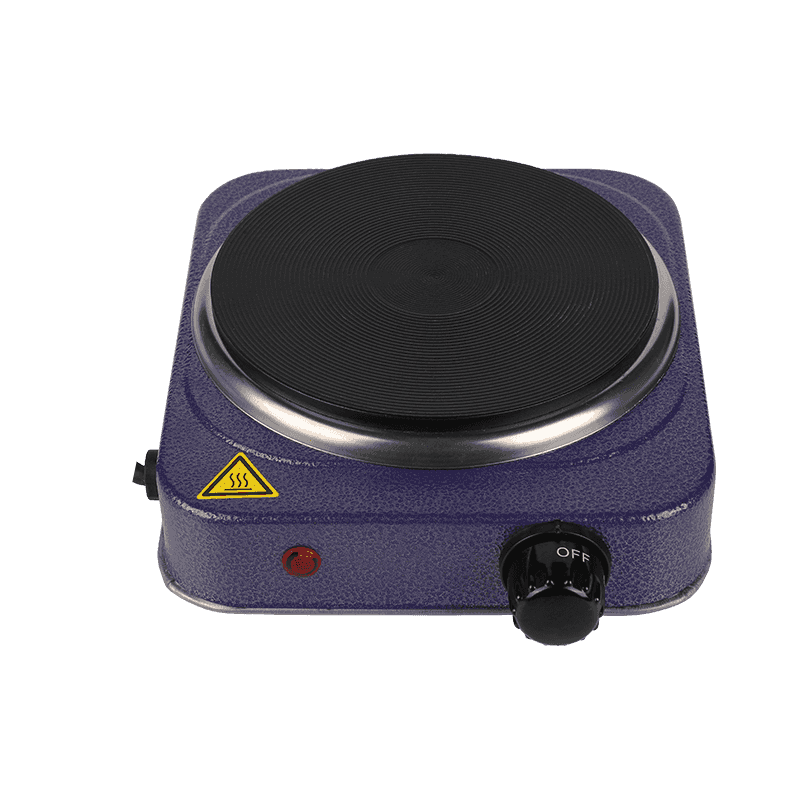
In the realm of sustainable culinary solutions, our company takes pride in presenting our innovative single hot plate, designed to embody the core val...
See Details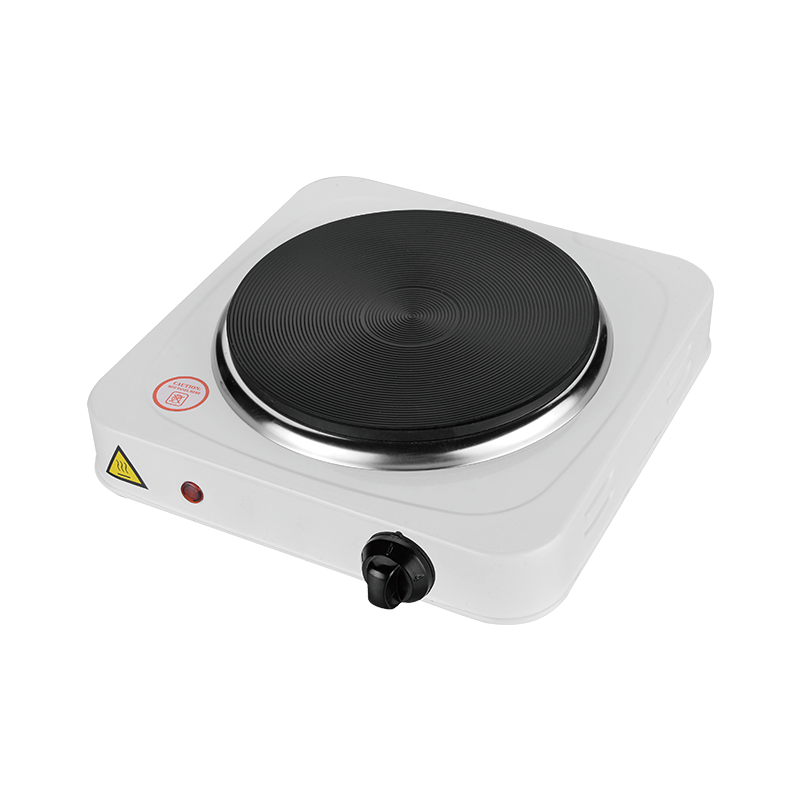
Introducing our revolutionary Portable Lightweight Outdoor Single Hot Plate – the ultimate cooking companion for outdoor enthusiasts, adventurers, and...
See Details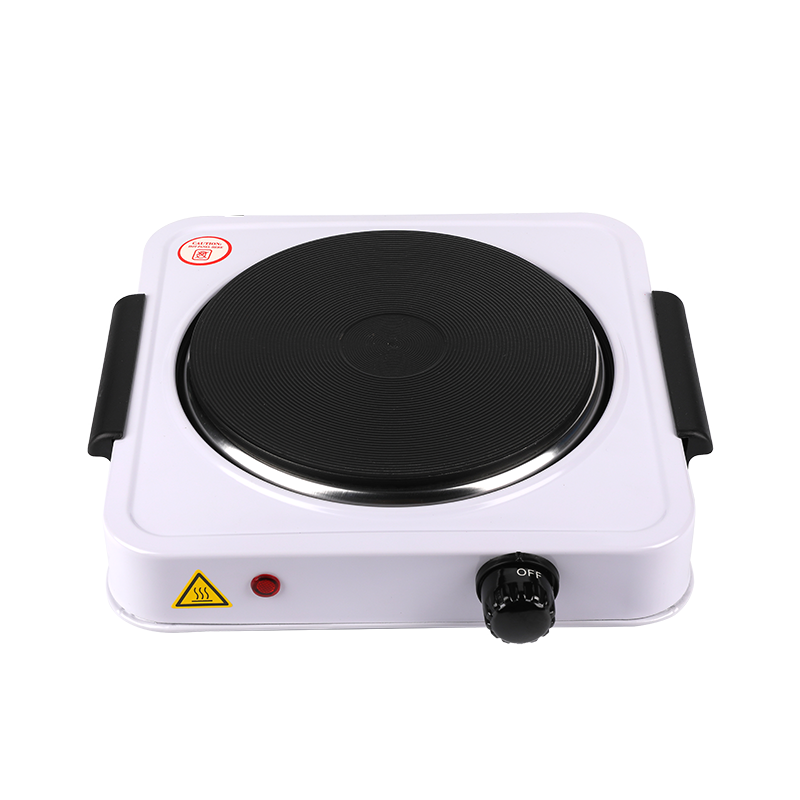
Introducing our Lightweight Energy-Saving Household Single Hot Plate – the solution for busy households seeking convenience, efficiency, and peace of ...
See Details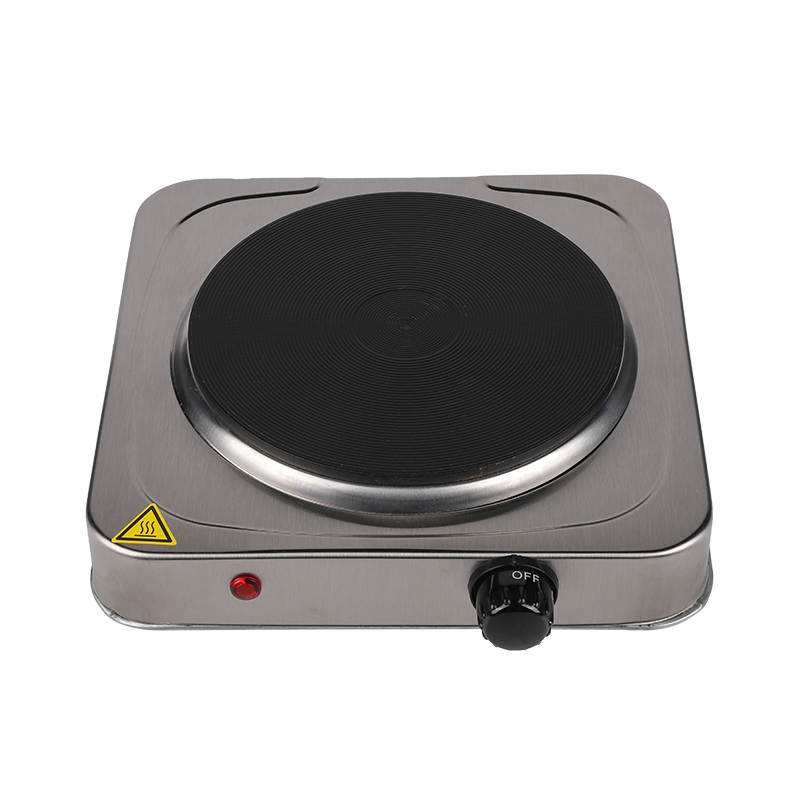
In the heart of every home, the kitchen stands as a hub of culinary creativity and family gatherings. But in today's fast-paced world, convenience and...
See Details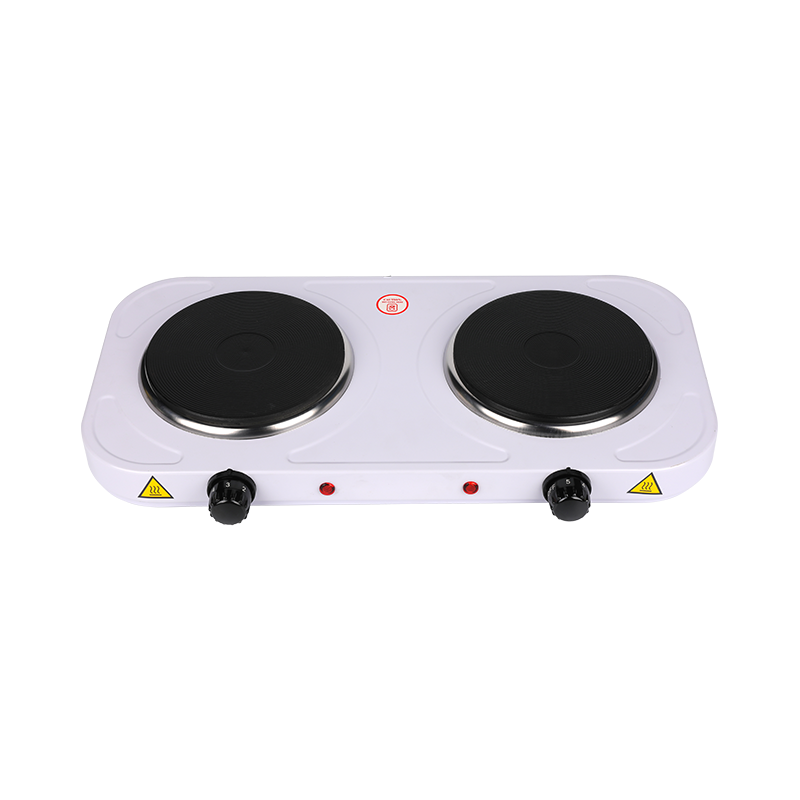
In the realm of modern cooking appliances, versatility, practicality, and intelligence are paramount. Meet the Multi-Functional Practical Intelligent ...
See Details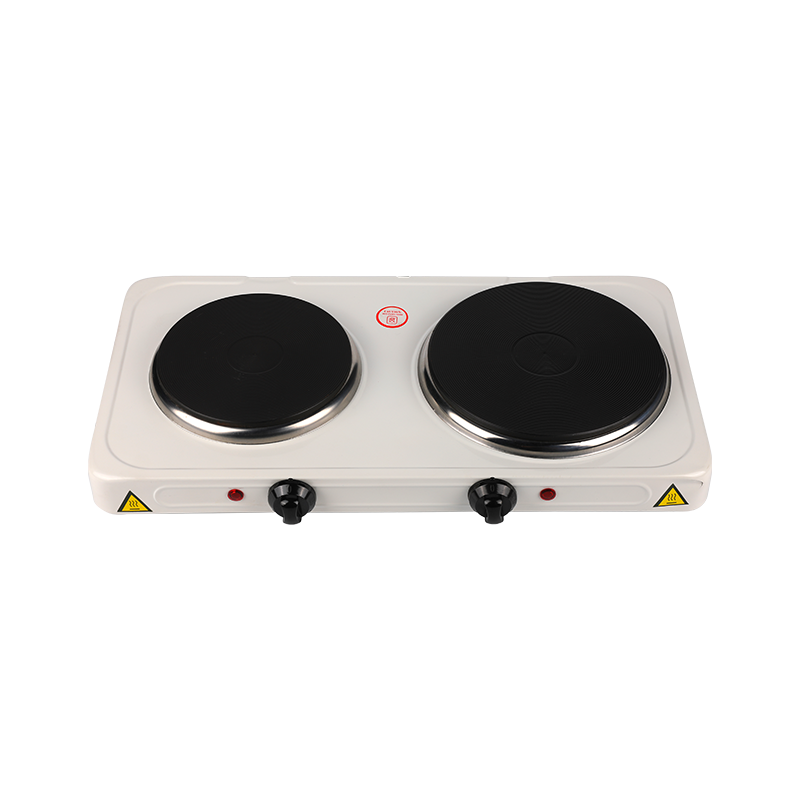
In the realm of culinary convenience, portability, and ease of use are key factors, especially for outdoor cooking adventures. Enter the Portable Ligh...
See Details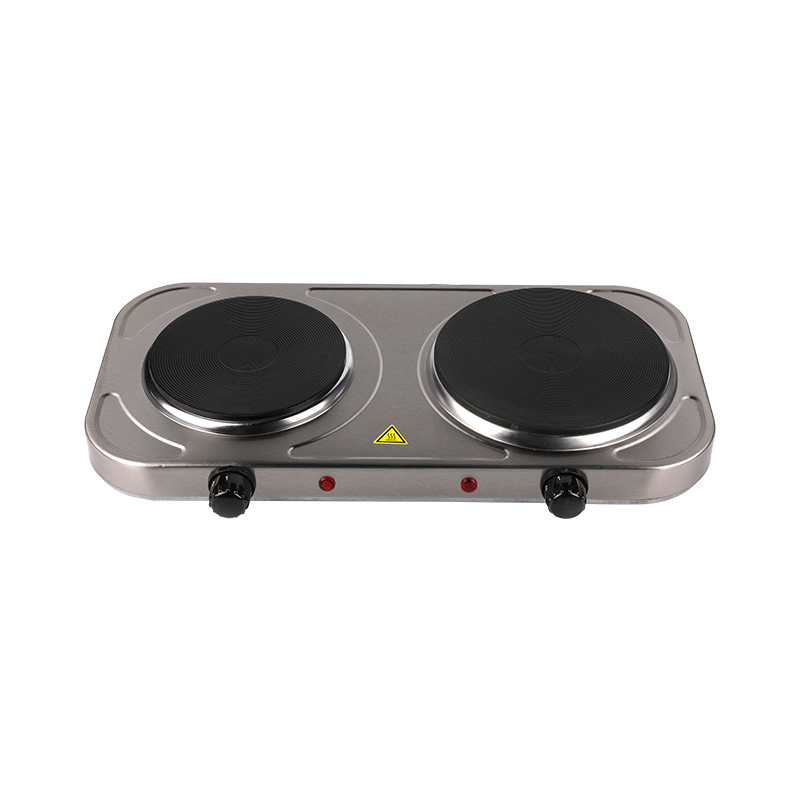
In today's fast-paced world, maintaining a healthy diet often takes a back seat to convenience. However, with the advent of the Healthy Cooking Intell...
See Details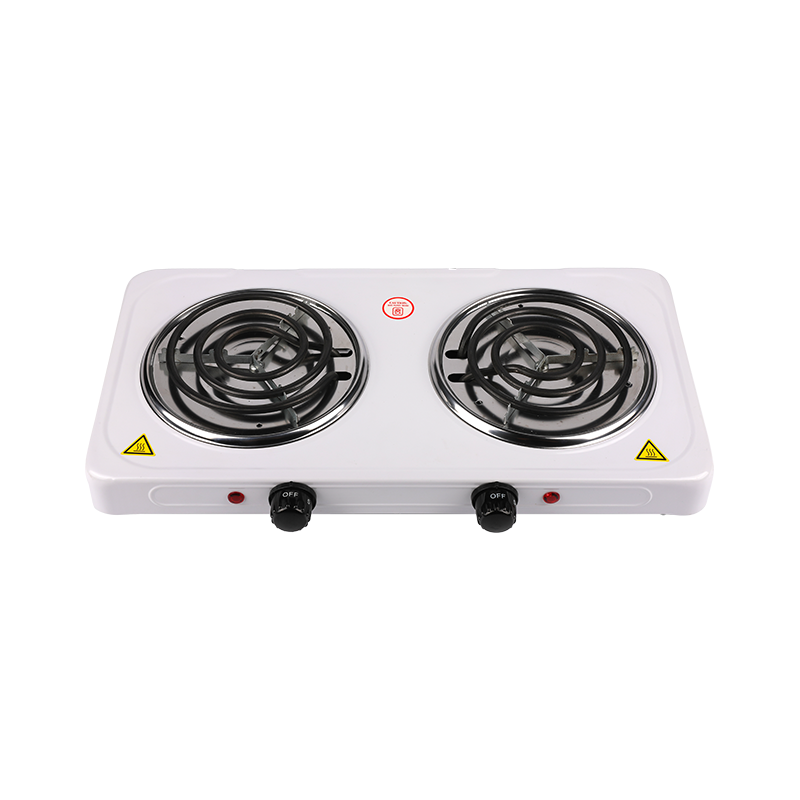
In the realm of home cooking, safety and reliability are paramount concerns for every household. With the Safe and Reliable Household Double Hot Plate...
See Details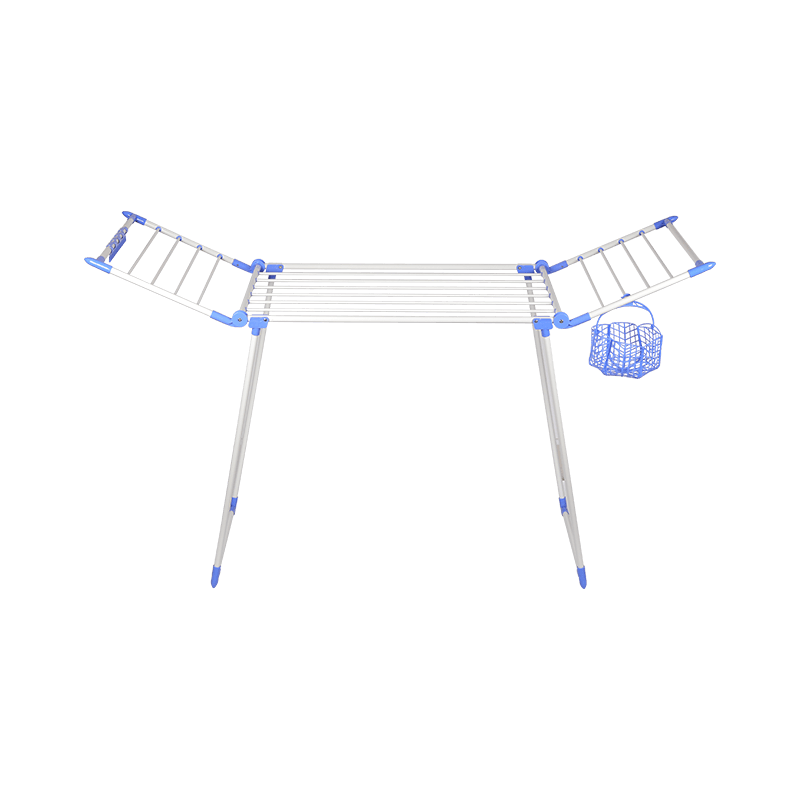
Welcome to the pinnacle of laundry elegance and practicality! As manufacturers of the Comfortable and Stylish Wing Drying Rack, we take pride in prese...
See Details
We are thrilled to present our latest innovation in home laundry solutions - the Exquisite Space-Saving Wing Drying Rack. This elegant and practical d...
See Details
Zhejiang Huaang Electrical Appliance Co., Ltd. is a manufacturer specializing in the production of kitchen appliances. It was established in 2009
Tel: +86-0579-84666999
Phone: +86-18058924218
E-Mail: ceo@hualunte.com
Copyright © Zhejiang Warranty Electric Appliance Co., Ltd. All Rights Reserved.
Smart Outdoor Kitchen Appliances Factory
