
 English
 русский
 Español
Multi-functional innovative portable single hot plate
Cat:Single Hot Plate
In the realm of culinary convenience, our company proudly presents our latest innovation: the multi-functional, innovative, and portable single hot pl...
See Details

Phone: +86-0579-84666999

E-mail: ceo@hualunte.com

Tel: +86-18058924218


Electric stove appliances have become a common choice in modern households where safety, convenience, and clean cooking environments are important considerations. As more families compare cooking solutions, many also look at kerosene stove alternatives, especially in areas where fuel-based systems were once widely used. While both appliances serve essential cooking needs, safety features often influence purchasing decisions, particularly in homes with children, elderly family members, or limited kitchen space.
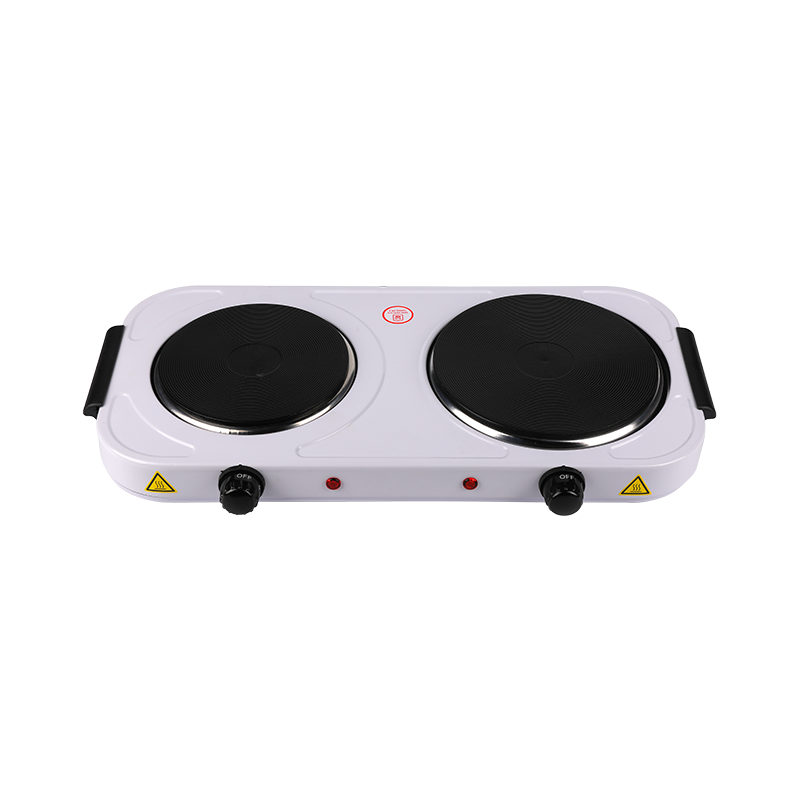
One of the core safety features of an electric stove is overheat protection. Integrated thermal sensors monitor internal temperatures and automatically interrupt power if the unit becomes excessively hot. This mechanism helps reduce the risk of internal damage and decreases the chance of fire hazards caused by prolonged heating.
In contrast, a kerosene stove relies on fuel combustion, which requires careful supervision. Open flames and liquid fuel storage demand greater attention during operation. For households seeking a more controlled heating environment, electric systems provide a stable and predictable cooking experience.
Modern electric stove models frequently include automatic shut-off functions. If cookware is removed or if the appliance operates beyond a preset time, the system powers down automatically. This feature is particularly valuable for busy households where distractions are common.
Automatic shut-off functions are especially reassuring for families with children or elderly members who may forget to turn appliances off. Compared with a kerosene stove, which must be manually extinguished, electric cooking units add a layer of operational security through electronic control.
Child safety locks prevent unintended activation by disabling control panels. This feature is helpful in homes where children may be curious about kitchen appliances. Additionally, residual heat indicators notify users when the surface remains hot even after cooking has stopped. These visual warnings reduce accidental burns and encourage safe handling practices.
Kerosene stove systems do not typically include such integrated safeguards. Because they operate through fuel combustion, their surfaces and surrounding components can remain hot without visual cues. This difference often influences families in prioritizing safer kitchen environments.
Electric stove units are commonly designed with non-slip feet and balanced weight distribution. These structural elements support steady placement on countertops and reduce the risk of accidental tipping. In compact kitchens or apartment settings, stable construction contributes to overall household safety.
A kerosene stove, particularly portable versions, may be placed on uneven outdoor surfaces or temporary indoor setups. While suitable for certain scenarios, this flexibility requires careful positioning to avoid instability. For indoor kitchens with consistent countertops, electric cooking appliances provide steady placement.
A significant safety distinction between an electric stove and a kerosene stove lies in flame presence. Electric cooking systems generate heat through coils, ceramic plates, or induction elements without open flames. This flame-free design helps lower fire risks associated with exposed combustion.
Kerosene stove models operate through fuel ignition, producing visible flames. Although effective for heating and cooking, combustion systems require proper ventilation to manage smoke and potential emissions. Electric cooking units, by contrast, do not produce combustion byproducts, contributing to a cleaner indoor atmosphere.
Modern electric stove appliances incorporate insulated wiring, reinforced plugs, and circuit protection features. These components help reduce risks related to short circuits and power surges. When connected to stable electrical systems, they provide consistent operation suitable for daily cooking routines.
Users transitioning from kerosene stove systems often appreciate the elimination of fuel storage concerns. With electric cooking, there is no need to handle flammable liquids or monitor wick conditions. Electrical safety features, when maintained properly, support long-term household use.
Although electric stove systems include multiple protective mechanisms, responsible usage remains important. Regular cleaning prevents grease buildup that could affect heating elements. Checking power cords for wear and ensuring proper ventilation around the unit also contributes to safe operation.
For kerosene stove owners, maintenance includes cleaning fuel tanks, trimming wicks, and storing fuel securely. Both appliances require care, but electric systems reduce exposure to combustion-related hazards in indoor kitchens.
Safety continues to influence how households choose cooking appliances. Electric stove features such as overheat protection, automatic shut-off, child locks, and flame-free operation address common household concerns. While a kerosene stove remains useful in certain contexts, especially outdoor or emergency settings, many modern kitchens prioritize electronically controlled cooking systems that align with contemporary safety expectations.
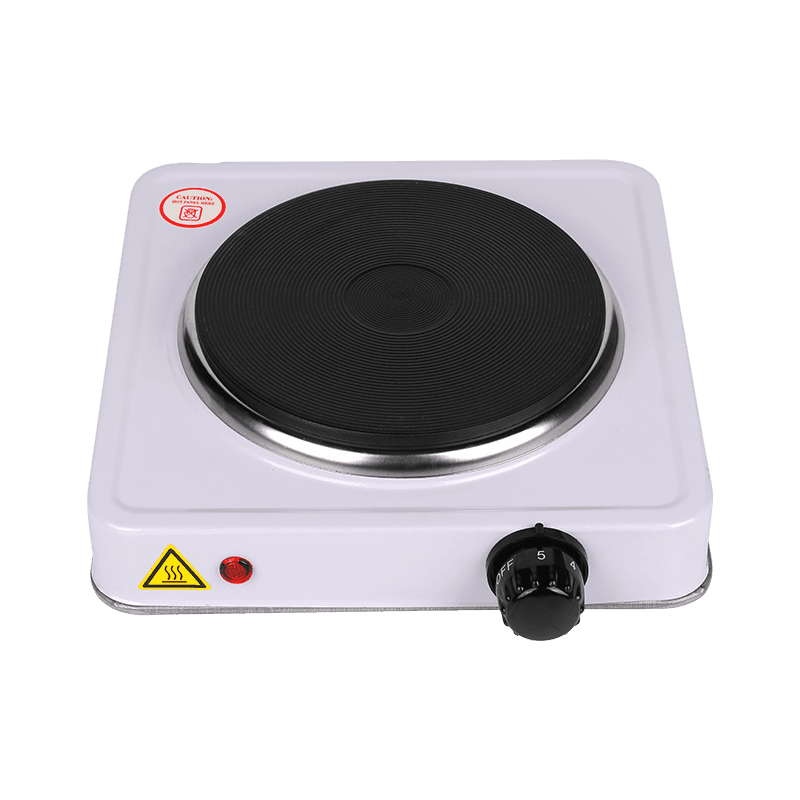
In the realm of culinary convenience, our company proudly presents our latest innovation: the multi-functional, innovative, and portable single hot pl...
See Details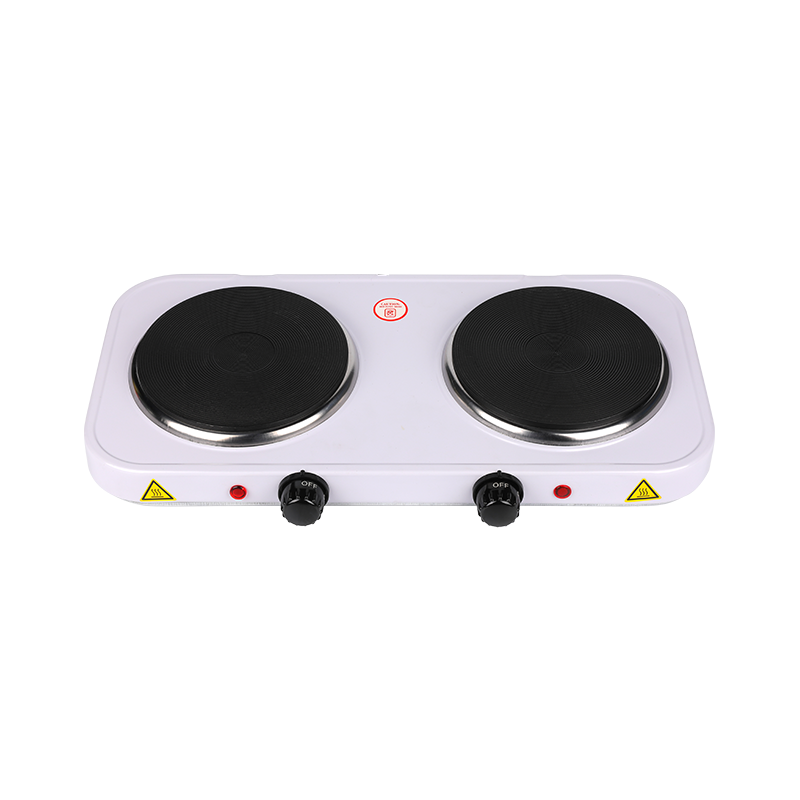
In the realm of modern kitchen appliances, versatility, efficiency, and convenience reign. Enter the Intelligent, Energy-Saving, Multi-Functional Doub...
See Details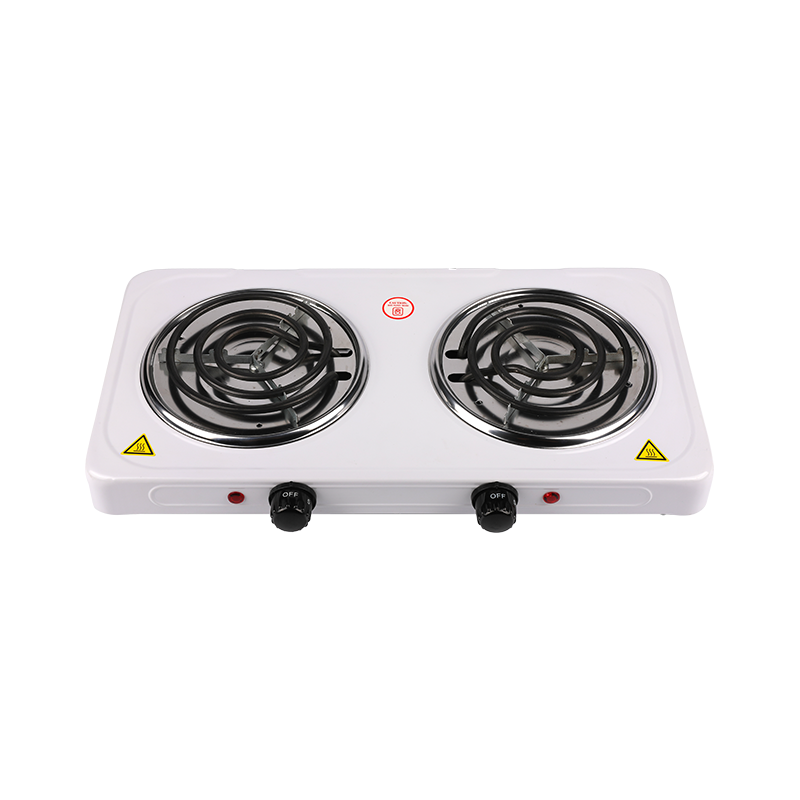
In the realm of home cooking, safety and reliability are paramount concerns for every household. With the Safe and Reliable Household Double Hot Plate...
See Details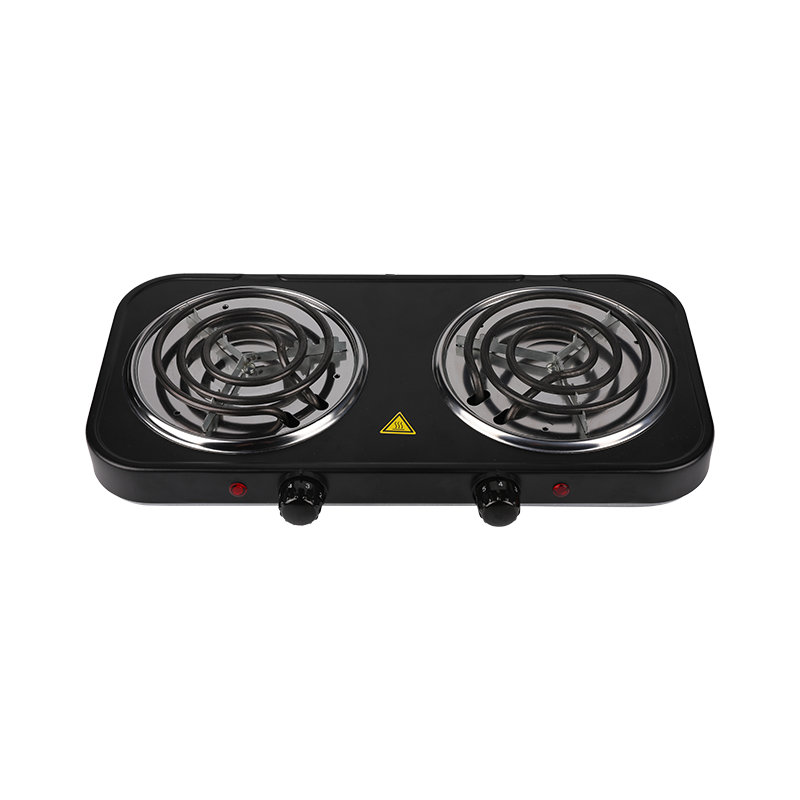
In the fast-paced environment of commercial kitchens and food service establishments, efficiency is paramount. That's where the Efficient Time-Saving ...
See Details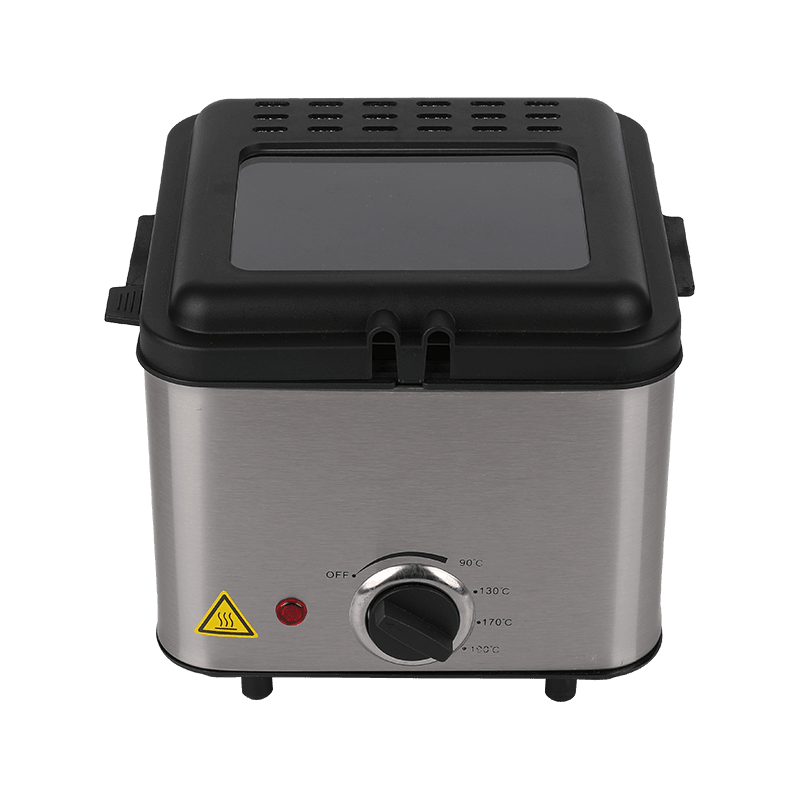
Introducing our Fast and Convenient Multi-functional Deep Fryer – the ultimate solution for those seeking quick and hassle-free cooking options with a...
See Details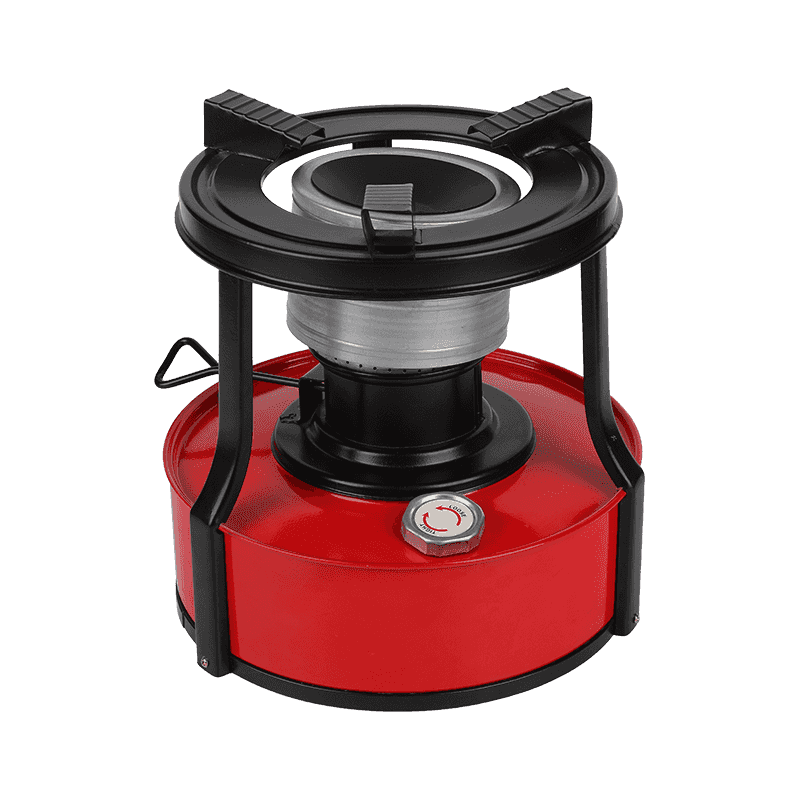
In the realm of versatile and eco-friendly cooking solutions, our company proudly presents our latest innovation: the efficient, energy-saving, and mu...
See Details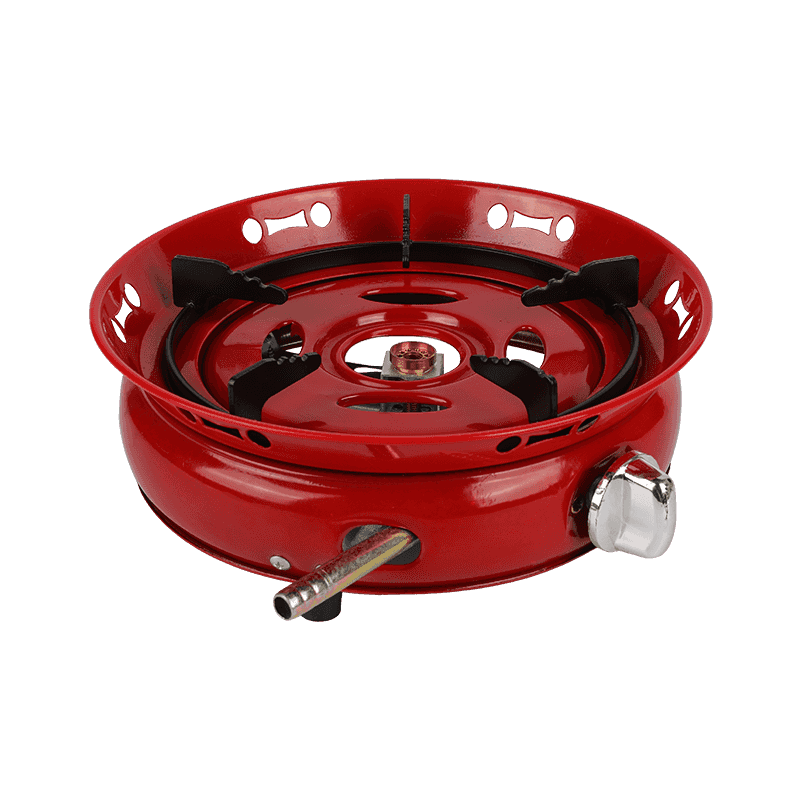
Welcome to the future of cooking convenience and sustainability! As manufacturers of cutting-edge Intelligent, Convenient, and Energy-Saving Kerosene ...
See Details
Welcome to the future of laundry care, where innovation meets convenience! As manufacturers of the Smart Folding Wing Drying Rack, we are thrilled to ...
See Details
Are you tired of traditional laundry drying methods that are cumbersome, inefficient, and take up valuable space? Say hello to our game-changing Multi...
See Details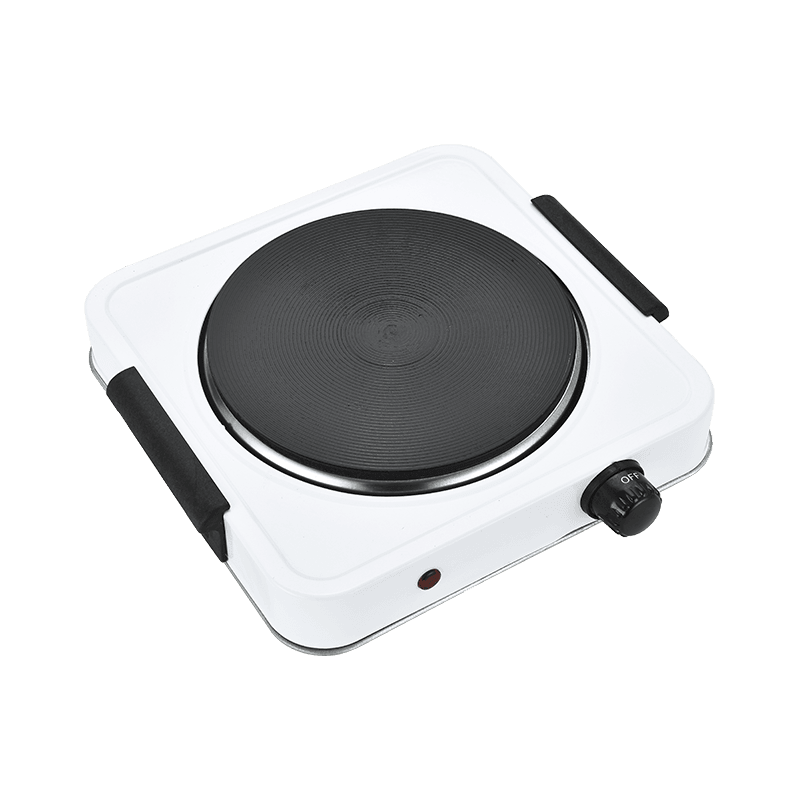
As a manufacturer of the Exquisite Practical Multi-functional Single Hot Plate, we deeply understand the needs and preferences of our customers. Let's...
See Details
Zhejiang Huaang Electrical Appliance Co., Ltd. is a manufacturer specializing in the production of kitchen appliances. It was established in 2009
Tel: +86-0579-84666999
Phone: +86-18058924218
E-Mail: ceo@hualunte.com
Copyright © Zhejiang Warranty Electric Appliance Co., Ltd. All Rights Reserved.
Smart Outdoor Kitchen Appliances Factory
