
 English
 русский
 Español
Health and environmentally friendly saving single hot plate
Cat:Single Hot Plate
In the realm of sustainable culinary solutions, our company takes pride in presenting our innovative single hot plate, designed to embody the core val...
See Details

Phone: +86-0579-84666999

E-mail: ceo@hualunte.com

Tel: +86-18058924218


Quality, consistency, and safety compliance are essential foundations for sustainable manufacturing in the kitchen appliance industry. As global sourcing becomes more interconnected, buyers increasingly evaluate factories based on their ability to maintain stable quality across production cycles. In this context, Egg Boiler Factory operations place growing emphasis on structured quality control systems and alignment with general product safety expectations.
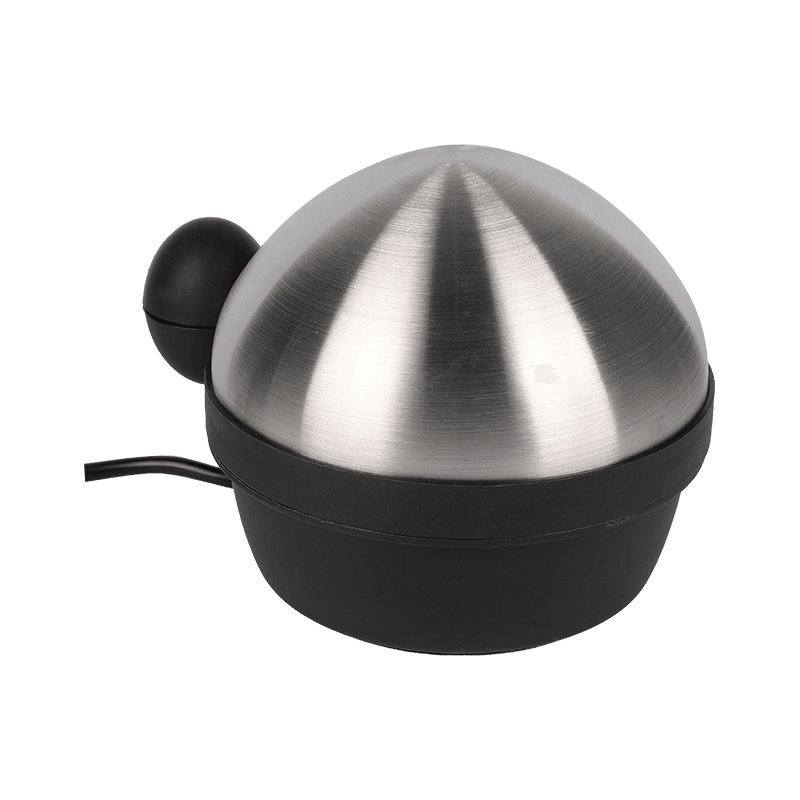
Quality control affects every stage of the supply chain. Variations in component quality or assembly processes can influence product performance, user satisfaction, and long-term reliability. For distributors and importers, inconsistent quality can lead to increased support costs and reduced market confidence.
Factories recognize that quality control is not a single inspection step but a continuous process that spans material selection, assembly, testing, and packaging. A systematic approach helps ensure that each unit leaving the production line meets defined requirements.
Quality control begins before assembly starts. Materials and components are inspected upon arrival to confirm basic conformity. Heating elements, wiring, and housing materials are evaluated to ensure they align with internal specifications.
Early-stage inspection helps prevent unsuitable components from entering the production process. This reduces the likelihood of performance issues later and supports stable assembly operations.
During assembly, standardized procedures help reduce variation between units. Clear work instructions and defined assembly sequences guide production staff. Regular checks during assembly allow supervisors to identify potential issues early.
Process control also supports efficiency by reducing rework. When assembly steps are consistent, functional testing becomes more predictable and manageable.
After assembly, functional testing verifies that the egg boiler operates as intended. These tests may include heating activation, power interruption response, and basic operational checks. Such testing ensures that each unit demonstrates stable performance before packaging.
Safety-related checks focus on electrical stability and structural integrity. These steps support safe operation during regular use and reinforce buyer confidence.
Egg boilers distributed across different regions must align with general household appliance safety expectations. While requirements may vary, factories prepare products with broad safety awareness in mind. This includes attention to insulation, wiring protection, and material behavior under heat exposure.
Awareness of safety expectations allows factories to prepare products suitable for multiple markets without major redesigns. This flexibility supports international distribution and reduces compliance-related challenges for buyers.
Effective workflow management helps reduce production defects. Clear role assignments, consistent training, and defined checkpoints support stable output. When staff understand quality expectations, errors are easier to prevent.
Factories also benefit from reviewing defect patterns over time. Identifying recurring issues allows for targeted improvements in design, materials, or assembly steps.
Documentation plays a supporting role in quality control. Production records, inspection logs, and testing documentation help factories track performance trends. Traceability supports internal reviews and strengthens accountability across production stages.
For buyers, access to clear documentation can improve confidence during sourcing decisions. Transparent processes support smoother communication and cooperation.
Strong quality assurance systems provide long-term value for buyers. Consistent quality reduces after-sales challenges and supports a stable product reputation. For distributors, a reliable supply simplifies inventory planning and customer communication.
Quality-focused manufacturing also supports market adaptability. Products that demonstrate stable performance are easier to introduce into new regions or sales channels.
Quality control and safety awareness form the foundation of sustainable cooperation between factories and buyers. When expectations are clearly defined and consistently met, partnerships are more likely to continue over time.
For egg boiler manufacturers, addressing quality and safety standards is not only about meeting requirements but also about supporting long-term growth and mutual trust across the supply chain.
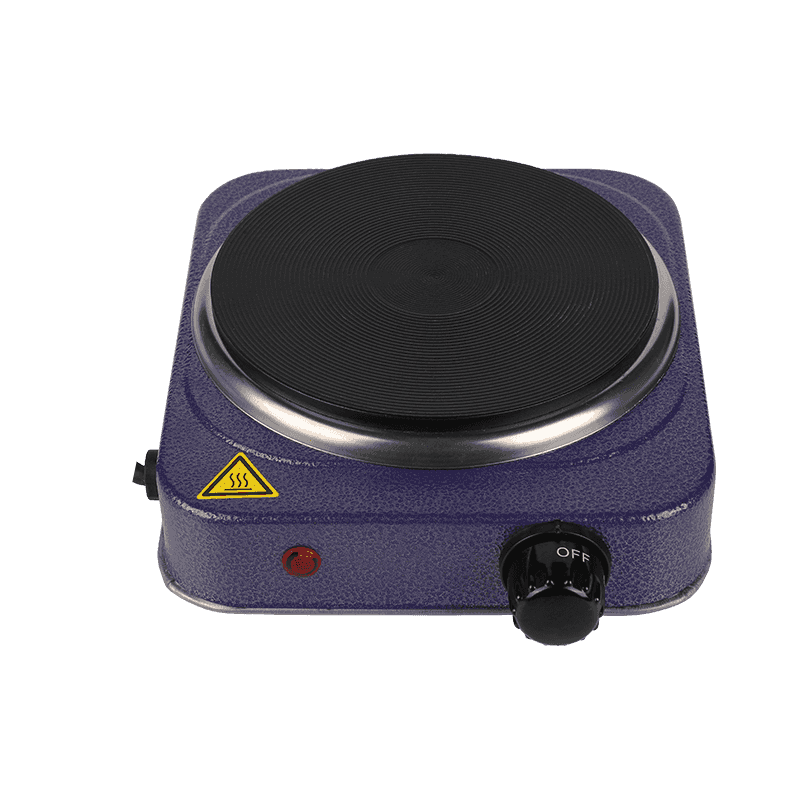
In the realm of sustainable culinary solutions, our company takes pride in presenting our innovative single hot plate, designed to embody the core val...
See Details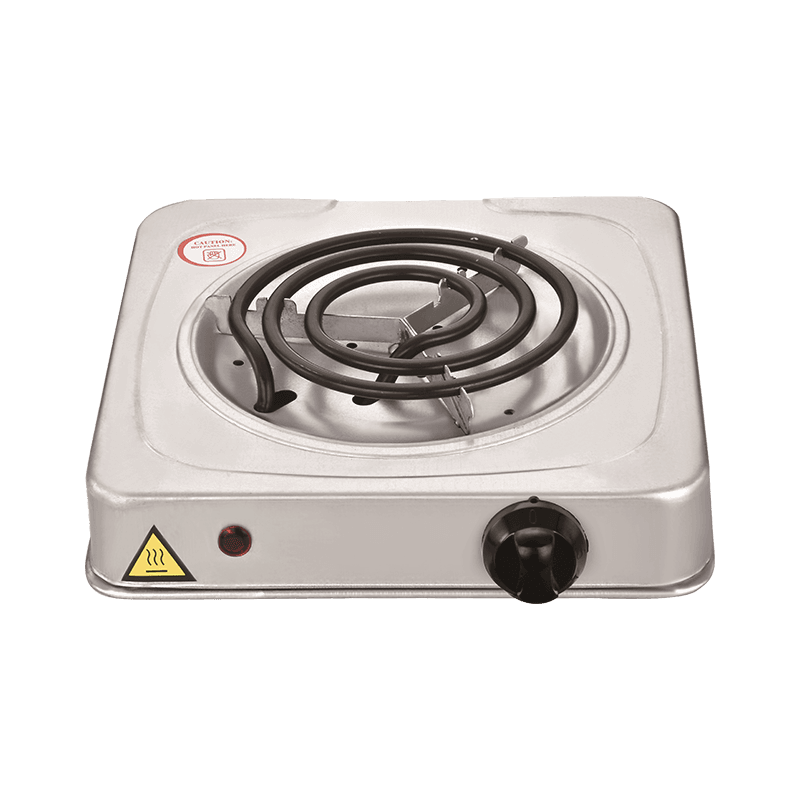
Introducing our Premium Environmentally Friendly Household Single Hot Plate – an addition to any home kitchen seeking both quality performance and eco...
See Details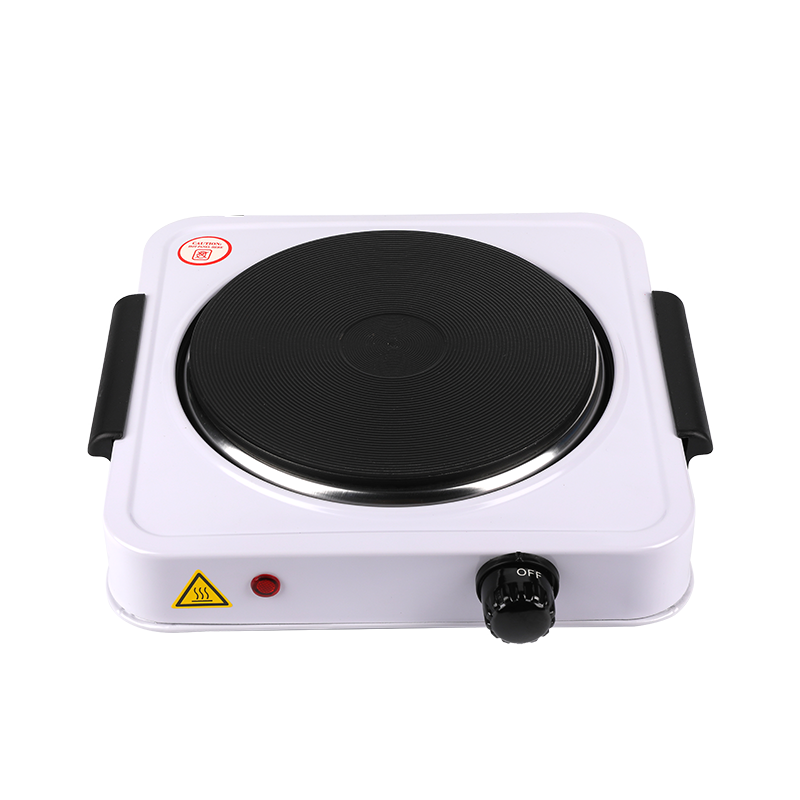
Introducing our Lightweight Energy-Saving Household Single Hot Plate – the solution for busy households seeking convenience, efficiency, and peace of ...
See Details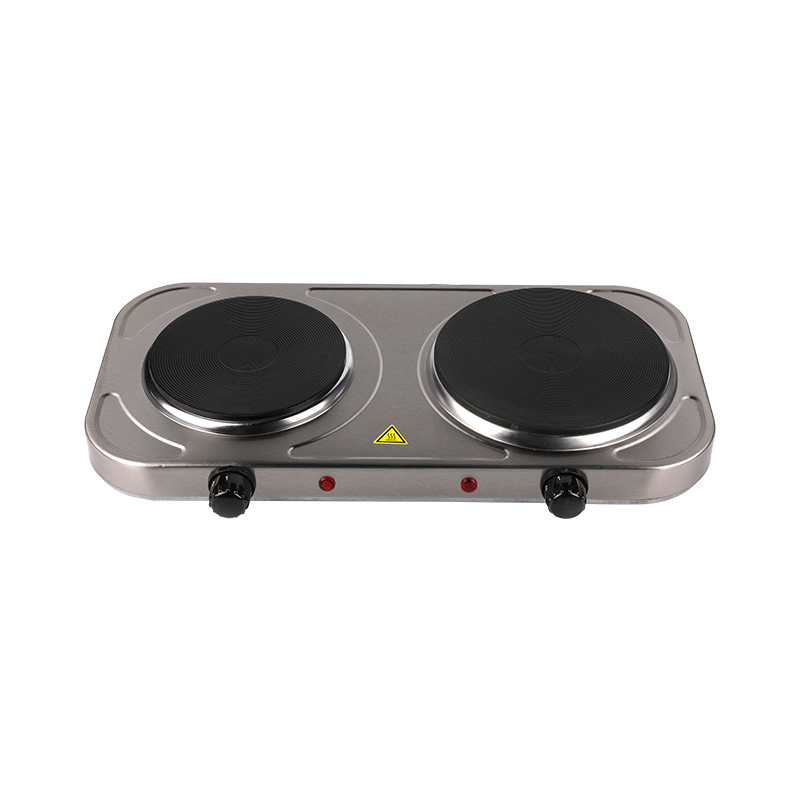
In today's fast-paced world, maintaining a healthy diet often takes a back seat to convenience. However, with the advent of the Healthy Cooking Intell...
See Details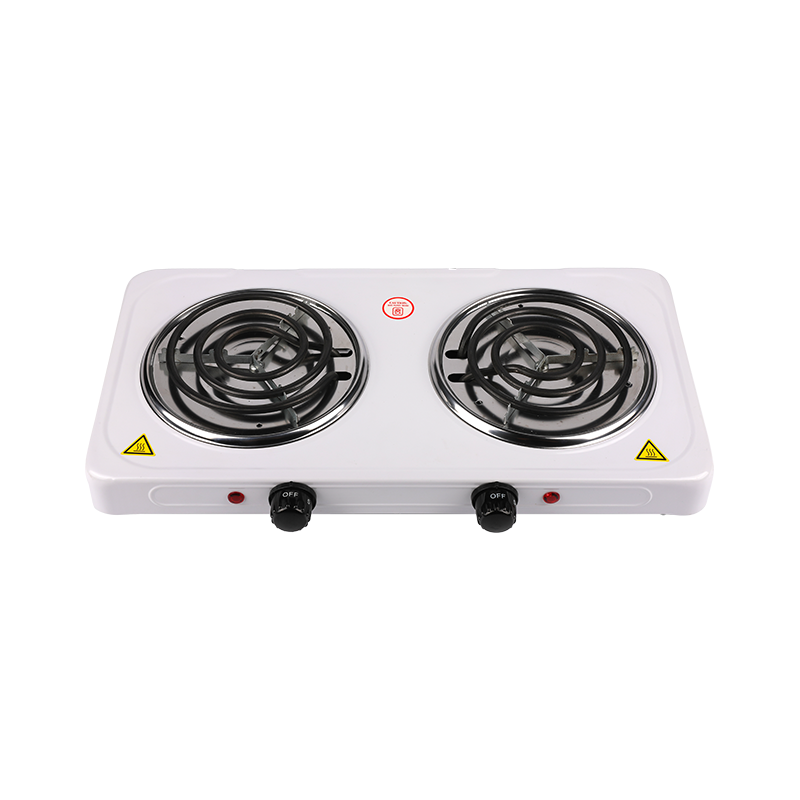
In the realm of home cooking, safety and reliability are paramount concerns for every household. With the Safe and Reliable Household Double Hot Plate...
See Details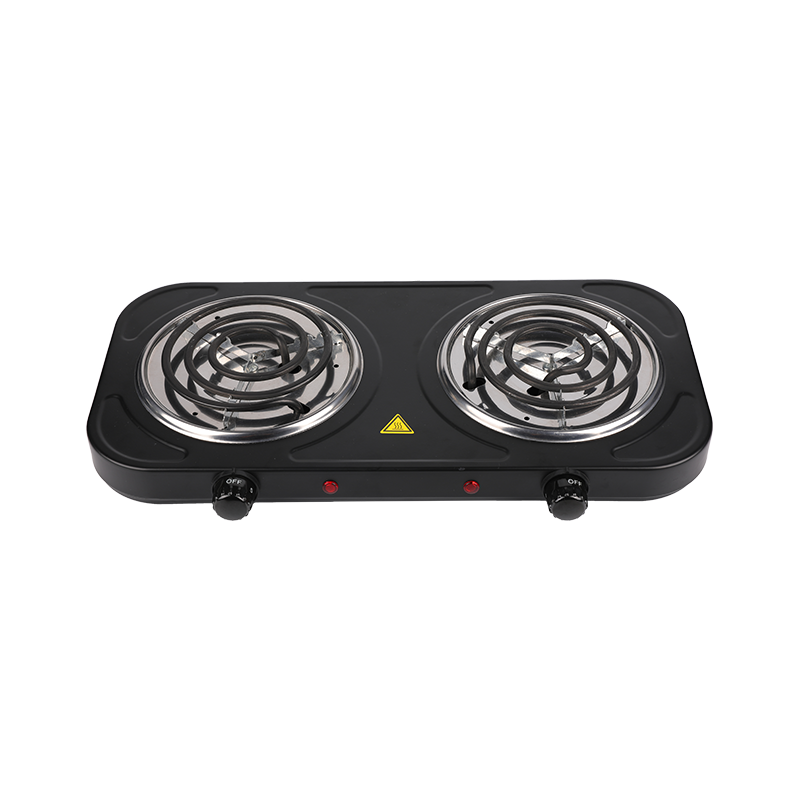
In the fast-paced world of hospitality and culinary excellence, having the right equipment is crucial for success. Enter the Professional Quality Comm...
See Details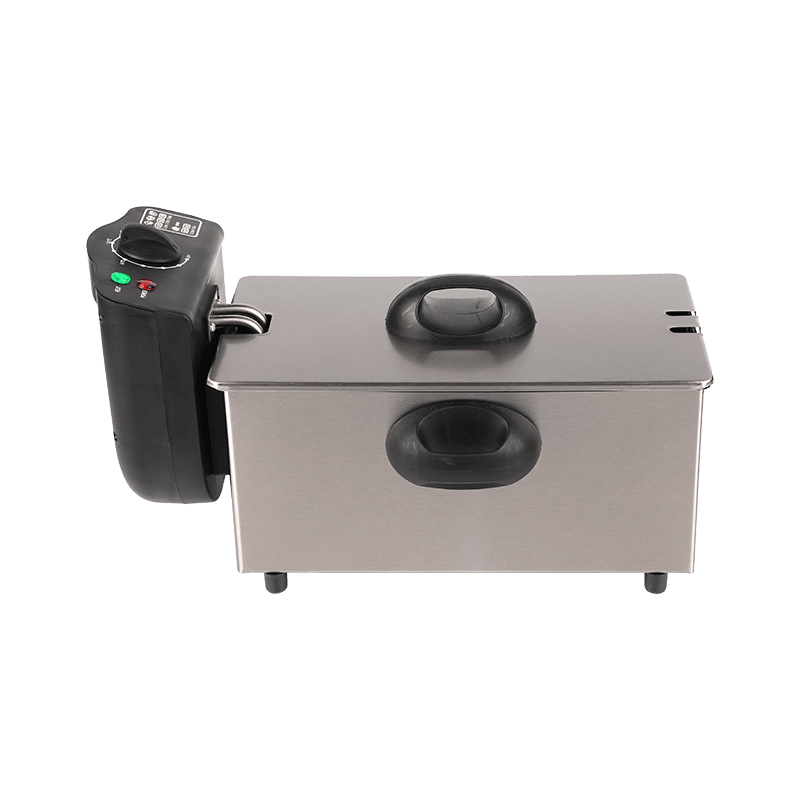
Introducing our Healthy and Environmentally Friendly Versatile Deep Fryer – the solution for health-conscious individuals and eco-conscious households...
See Details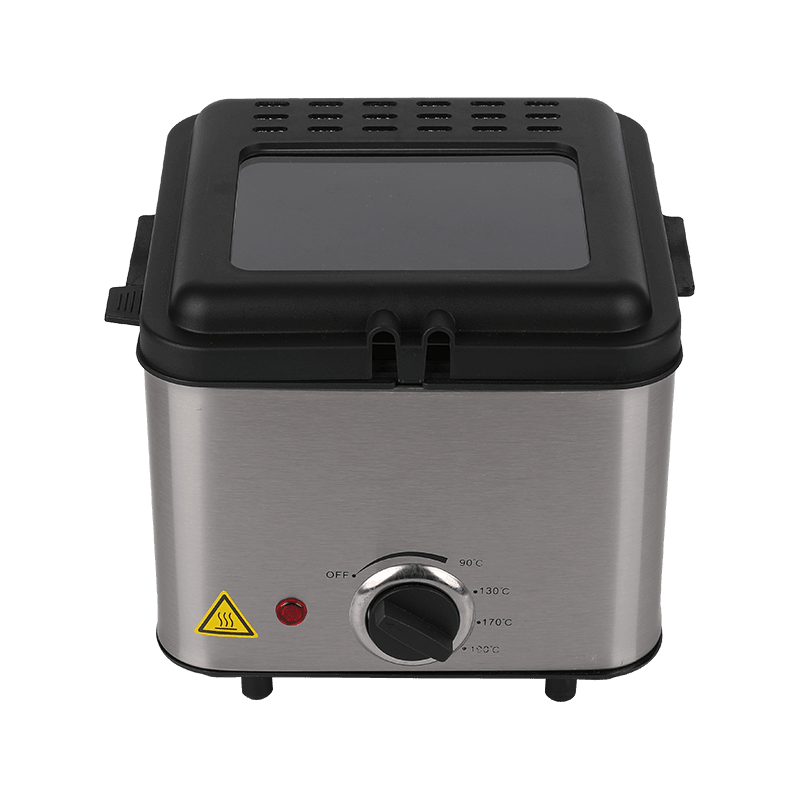
Introducing our Fast and Convenient Multi-functional Deep Fryer – the ultimate solution for those seeking quick and hassle-free cooking options with a...
See Details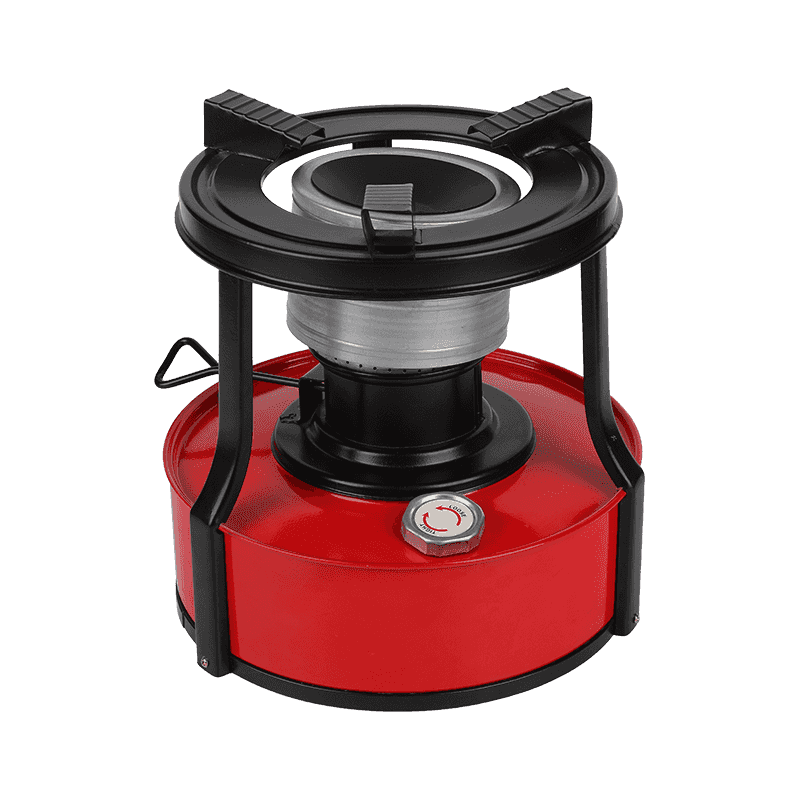
In the realm of versatile and eco-friendly cooking solutions, our company proudly presents our latest innovation: the efficient, energy-saving, and mu...
See Details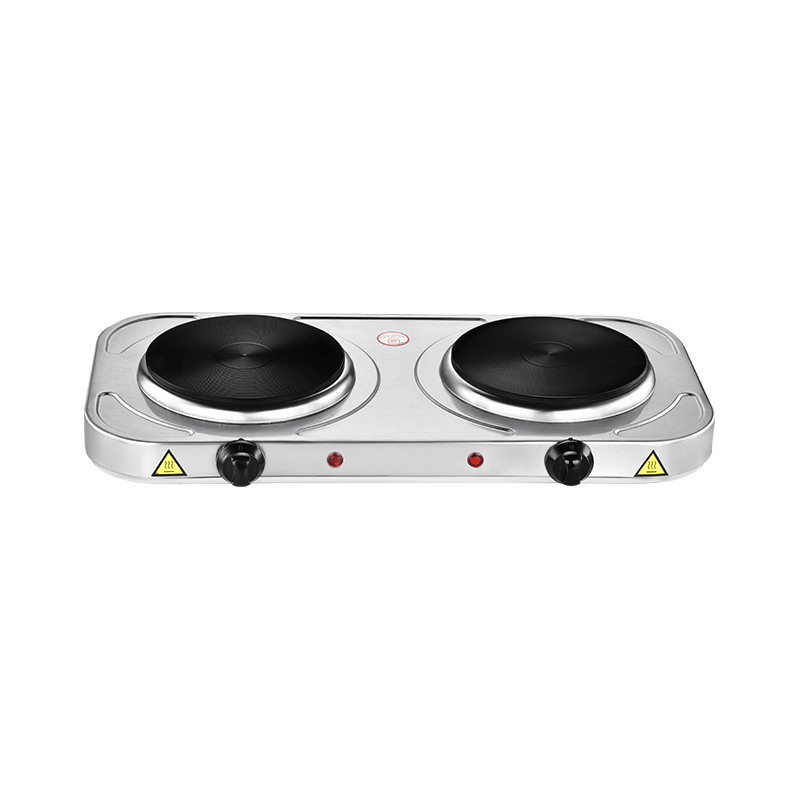
In the bustling world of commercial kitchens, durability, reliability, and quality are non-negotiable. Enter the High-Quality Durable Commercial Doubl...
See Details
Zhejiang Huaang Electrical Appliance Co., Ltd. is a manufacturer specializing in the production of kitchen appliances. It was established in 2009
Tel: +86-0579-84666999
Phone: +86-18058924218
E-Mail: ceo@hualunte.com
Copyright © Zhejiang Warranty Electric Appliance Co., Ltd. All Rights Reserved.
Smart Outdoor Kitchen Appliances Factory
