
 English
 русский
 Español
Health and environmentally friendly saving single hot plate
Cat:Single Hot Plate
In the realm of sustainable culinary solutions, our company takes pride in presenting our innovative single hot plate, designed to embody the core val...
See Details

Phone: +86-0579-84666999

E-mail: ceo@hualunte.com

Tel: +86-18058924218


Electric stove technology emphasizes structured temperature regulation and consistent heat distribution. These characteristics directly influence cooking quality, energy efficiency, and overall user satisfaction—key factors for busy households and cooking enthusiasts alike. When comparing appliances, many households evaluate how an electric stove performs relative to a kerosene stove, particularly regarding heat precision, stability, and ease of use, as these elements shape daily meal preparation experiences.
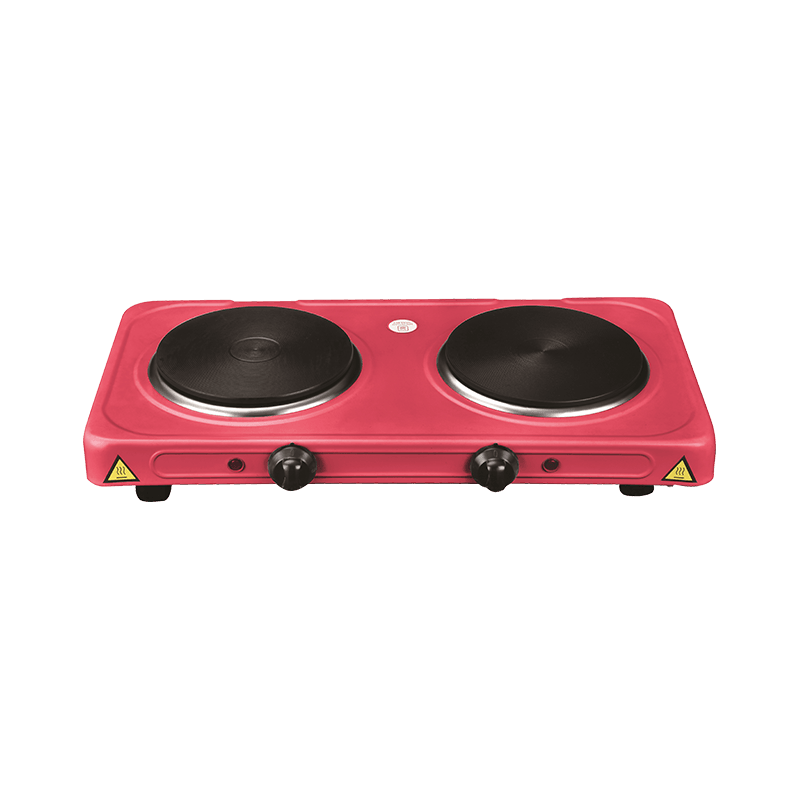
Cooking methods such as simmering delicate sauces, sautéing crisp vegetables, and boiling hearty soups all depend on steady, predictable heat levels. Electric stove appliances typically feature adjustable settings, ranging from low to high, that allow users to precisely regulate temperature according to specific recipe requirements. Knob-based or digital controls—some with clear LED displays—translate user input into measurable heat output, ensuring consistency even during long, slow-cooking sessions.
A kerosene stove operates through manual flame adjustment, relying on the user’s ability to tweak the wick height. Although capable of producing substantial heat for quick cooking tasks like boiling water, achieving fine control over low or medium heat may require experience and constant attention to flame behavior, as small adjustments can drastically alter heat intensity.
Even heat distribution supports balanced cooking results, as uneven heat often leads to undercooked centers and burnt edges. Electric stove designs, including traditional coil elements and modern ceramic glass surfaces, are engineered to spread heat evenly across the entire base of compatible cookware. This uniform distribution reduces the likelihood of unevenly cooked food and unsightly burnt spots, simplifying the process of achieving restaurant-worthy results at home.
In a kerosene stove system, heat concentrates directly beneath the flame, creating hot spots that can unevenly cook food. To counter this, constant stirring and frequent repositioning of cookware are often necessary to ensure every part of the dish receives equal heat, adding extra effort to the cooking process.
Different dishes require varied heat intensities, from gentle simmering to high-heat searing. Electric stove models allow gradual increases or decreases in temperature, supporting diverse culinary techniques and accommodating everything from delicate custards to seared steaks. Once set, heat levels remain stable until actively adjusted by the user, eliminating the need for constant monitoring.
Kerosene stove systems may experience minor fluctuations in heat intensity, influenced by factors like fuel flow, wick condition, and even air currents. While suitable for many basic cooking tasks, maintaining a consistent temperature for delicate recipes requires ongoing vigilance to avoid overheating or undercooking.
Electric stove surfaces—especially ceramic and coil models—retain residual warmth after power is reduced or turned off. This characteristic allows food to continue cooking briefly, a feature users can incorporate into meal preparation timing to save energy, such as letting pasta finish cooking in residual heat. Understanding this heat retention is also crucial for preventing overcooking.
A kerosene stove cools more quickly as the flame decreases, but surrounding metal components may remain warm for a short period. Awareness of this cooling time is important for safe handling, as accidental contact with hot surfaces can cause burns, just as with electric stoves.
Flat-bottom cookware is essential for enhancing performance on an electric stove, as it ensures maximum surface contact with the heating element. Materials such as stainless steel, cast iron, and heavy-gauge aluminum are ideal, as they maintain effective surface contact and promote efficient heat transfer from the stove to the food. Selecting appropriate cookware not only improves heat distribution but also extends the stove’s lifespan.
While a kerosene stove can accommodate various pot shapes and sizes, stability over an open flame remains essential. Balanced placement on the stove’s grate reduces the risk of tipping, which is especially important when cooking with hot liquids or heavy pots.
Electric stove cooking does not involve combustion, which contributes to a cleaner, healthier indoor environment. Without fuel burning, there are no harmful combustion emissions—such as carbon monoxide or smoke—to manage in enclosed kitchens, making electric stoves a safer choice for homes with poor ventilation.
A kerosene stove generates heat through fuel ignition, which produces smoke and fumes. This makes proper ventilation—such as opening windows or using exhaust fans—necessary during indoor use to prevent air pollution and potential health risks. For households focused on indoor air quality, electric systems offer a controlled, emission-free alternative.
Temperature regulation and even heating influence the overall cooking experience. Electric stove appliances provide adjustable heat settings and consistent surface distribution suited to daily kitchen routines. While a kerosene stove continues to serve valuable roles in regions with limited electricity or specific traditions, electric cooking systems offer predictable thermal performance aligned with indoor culinary needs.
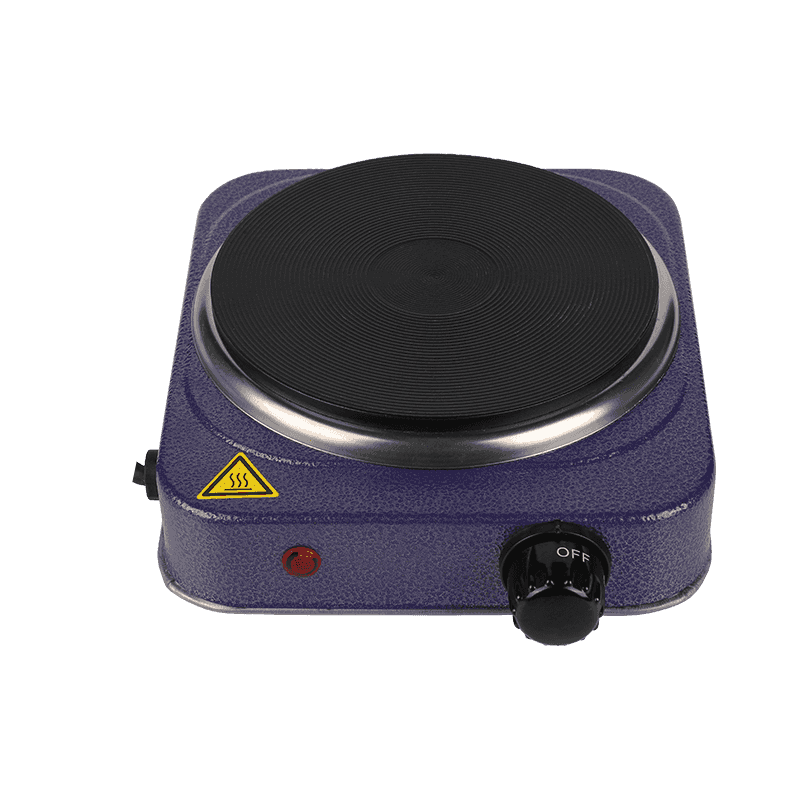
In the realm of sustainable culinary solutions, our company takes pride in presenting our innovative single hot plate, designed to embody the core val...
See Details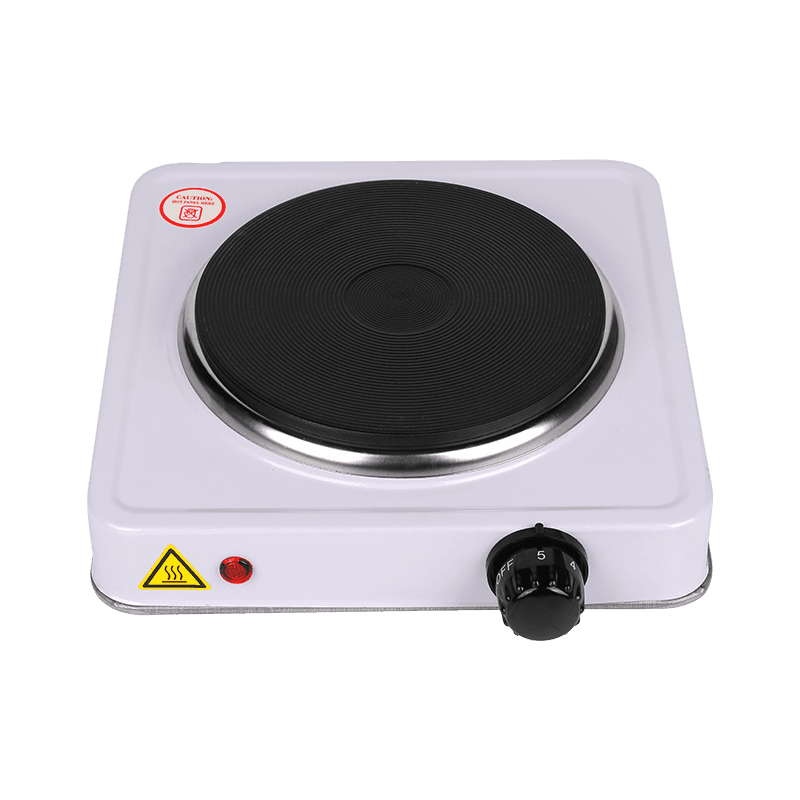
In the realm of culinary convenience, our company proudly presents our latest innovation: the multi-functional, innovative, and portable single hot pl...
See Details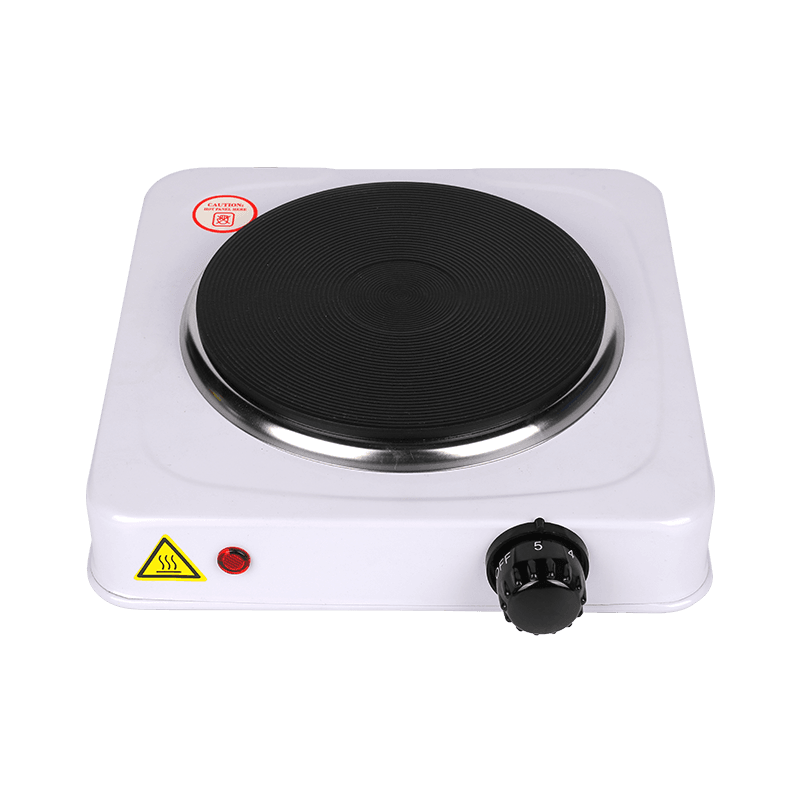
Introducing our flagship product, the High-Quality Durable Commercial Single Hot Plate – a game-changer in the world of culinary appliances. Have you ...
See Details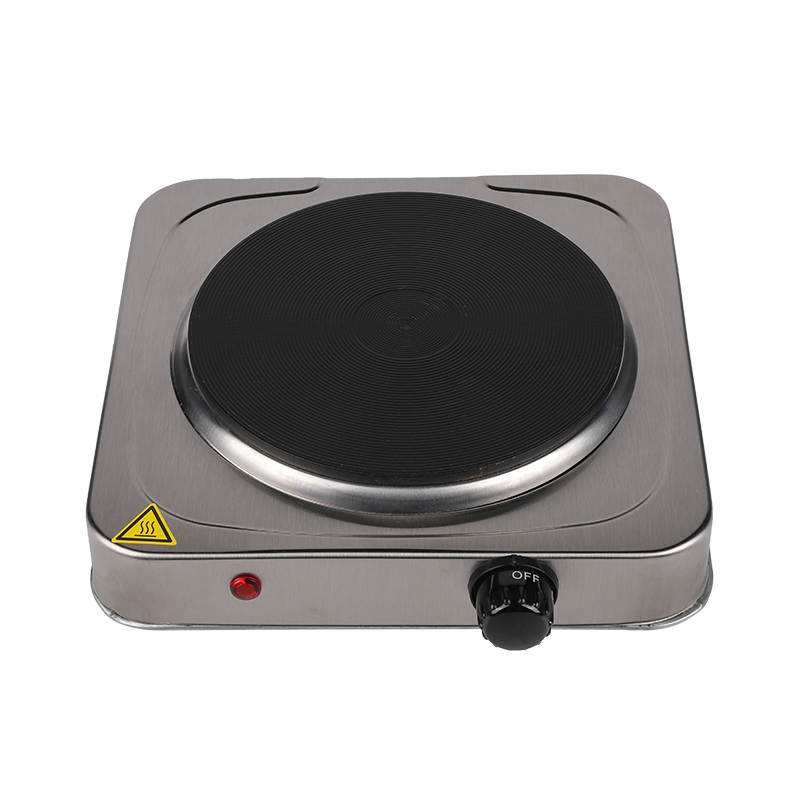
In the heart of every home, the kitchen stands as a hub of culinary creativity and family gatherings. But in today's fast-paced world, convenience and...
See Details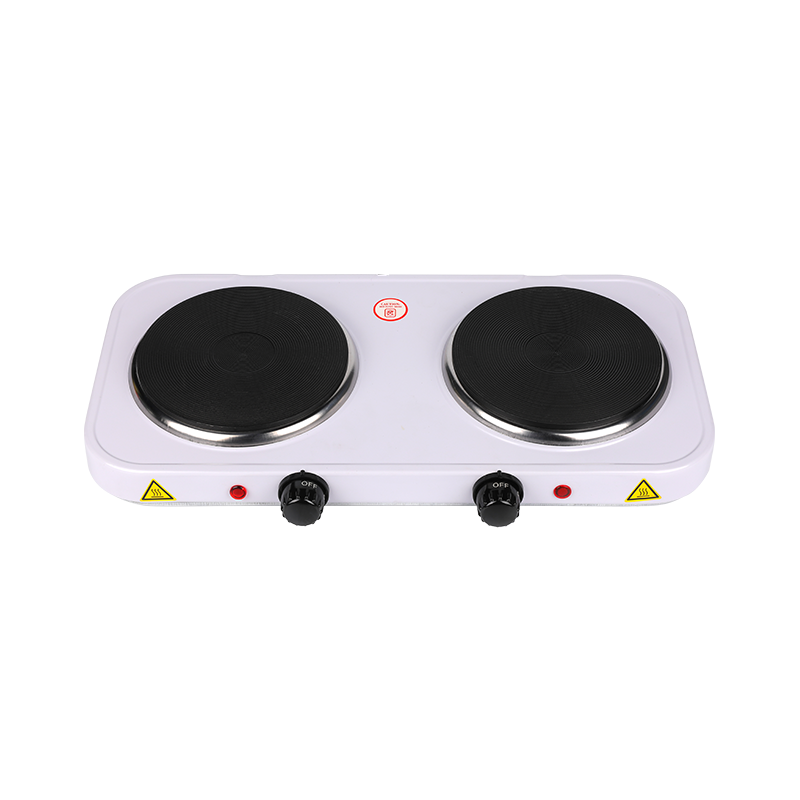
In the realm of modern kitchen appliances, versatility, efficiency, and convenience reign. Enter the Intelligent, Energy-Saving, Multi-Functional Doub...
See Details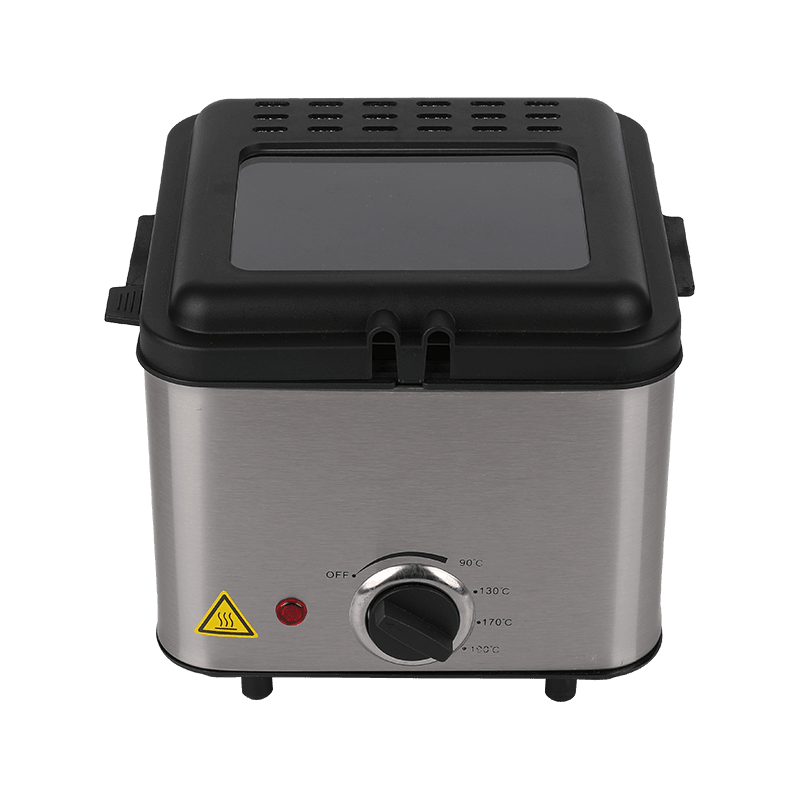
Introducing our Fast and Convenient Multi-functional Deep Fryer – the ultimate solution for those seeking quick and hassle-free cooking options with a...
See Details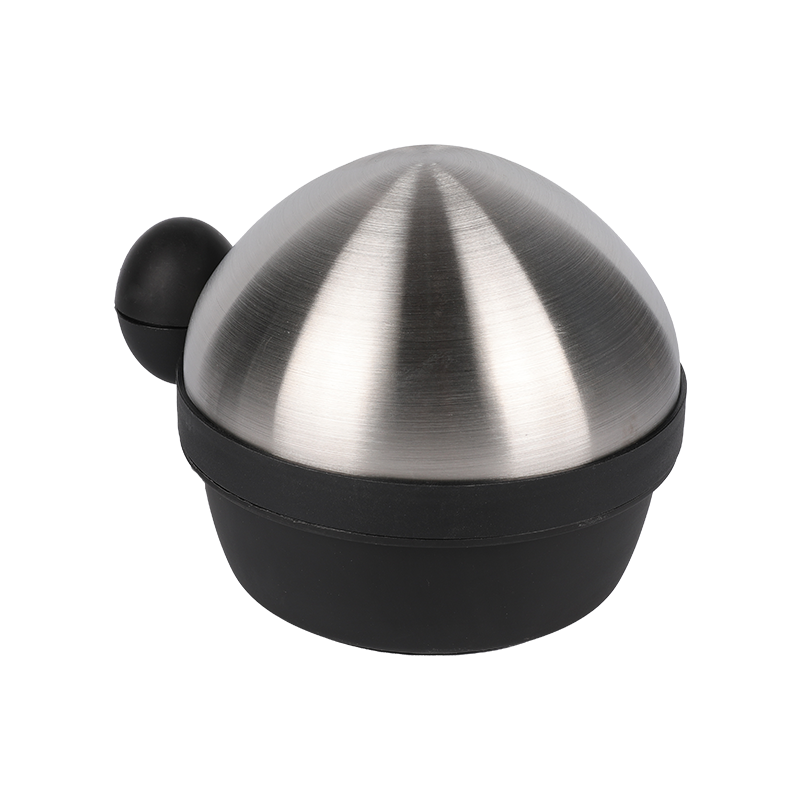
Introducing our Intelligent Rapid Egg Boiler – the ultimate solution for effortlessly preparing eggs in record time. Engineered with cutting-edge tech...
See Details
Welcome to the future of laundry care, where innovation meets convenience! As manufacturers of the Smart Folding Wing Drying Rack, we are thrilled to ...
See Details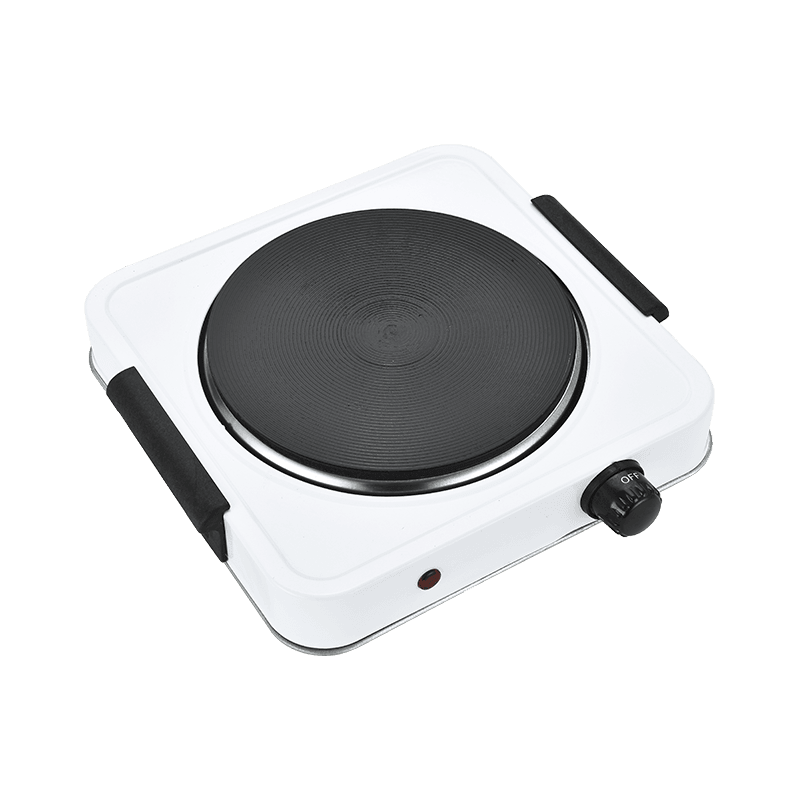
As a manufacturer of the Exquisite Practical Multi-functional Single Hot Plate, we deeply understand the needs and preferences of our customers. Let's...
See Details
In the realm of modern culinary appliances, precision, convenience, and versatility are paramount. Meet the Precision Temperature Control Convenient D...
See Details
Zhejiang Huaang Electrical Appliance Co., Ltd. is a manufacturer specializing in the production of kitchen appliances. It was established in 2009
Tel: +86-0579-84666999
Phone: +86-18058924218
E-Mail: ceo@hualunte.com
Copyright © Zhejiang Warranty Electric Appliance Co., Ltd. All Rights Reserved.
Smart Outdoor Kitchen Appliances Factory
