
 English
 русский
 Español
Lightweight energy-saving household single hot plate
Cat:Single Hot Plate
Introducing our Lightweight Energy-Saving Household Single Hot Plate – the solution for busy households seeking convenience, efficiency, and peace of ...
See Details

Phone: +86-0579-84666999

E-mail: ceo@hualunte.com

Tel: +86-18058924218


Kerosene stoves have long been a practical choice for outdoor cooking, especially in places where modern amenities are hard to come by. As camping and backpacking continue to grow in popularity, more people are looking for stable heating equipment that works reliably across different weather and terrain. This article looks at how kerosene stoves meet the needs of outdoor lovers, with a focus on their adaptability, fuel options, and how they perform in real outdoor situations.
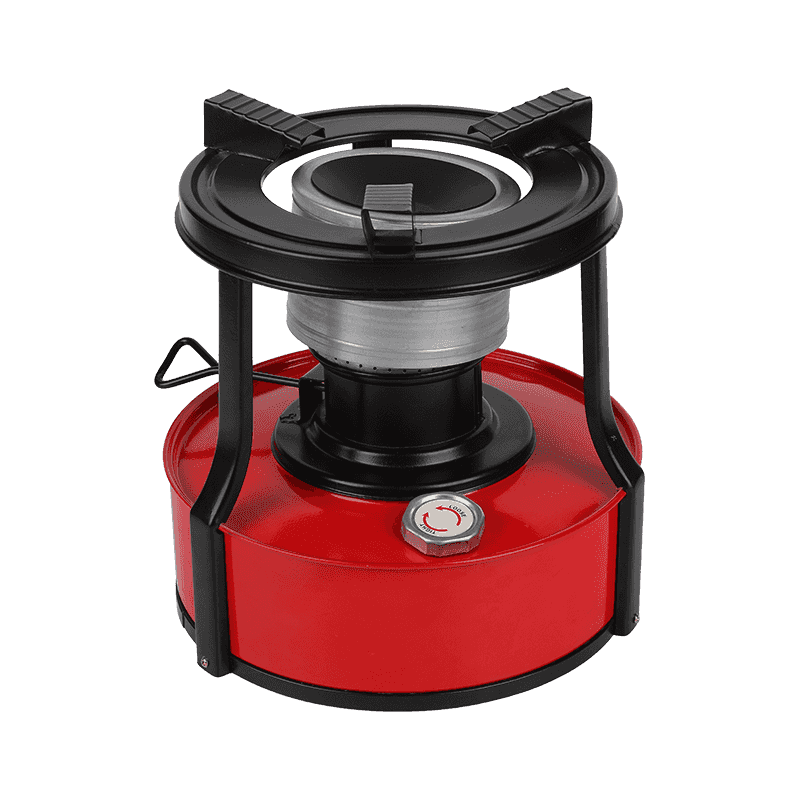
One major benefit of kerosene stoves is how well they perform at high altitudes and in cold weather. Unlike gas stoves, which can struggle in freezing conditions because of problems with fuel vaporization, kerosene stoves keep burning steadily even in harsh environments. Most are built with metal materials like stainless steel or galvanized iron, which hold up well against rust and humidity—making them a good fit for coastal or damp areas.
Many stainless steel models are also lightweight, usually between 1 and 2 kilograms, so hikers don’t have to carry heavy gear while still getting durable equipment. This mix of portability and strength makes them popular among backpackers who need gear that can handle rough use on the trail.
Kerosene stoves also stand out for their ability to run on different fuels. Although kerosene is the main choice, some models can also use diesel or biofuels when needed. This flexibility really helps during long trips where it’s difficult to restock supplies.
Many users find that one small fuel tank—holding anywhere from 0.5 to 2 liters—can last through several meals, so they don’t have to carry extra fuel. For example, a family camping for a week might use just one liter of kerosene to boil water for drinks, cook pasta, and heat vegetables, showing how efficiently these stoves use fuel.
Tests by outdoor enthusiasts show that kerosene stoves work well whenever consistent heat is needed. Boiling a liter of water generally takes about four minutes, which is a bit slower than gas stoves but still fast enough for most cooking tasks.
In more extreme situations, like mountain trips in snowy areas, these stoves have let teams make hot meals even during blizzards when other heating methods stop working. A group hiking in the Andes once used a kerosene stove to melt snow for drinking water and cook stew during an unexpected storm, proving just how dependable they can be when other equipment lets users down.
When picking a kerosene stove, there are a few practical things to keep in mind. A good windshield helps keep the flame steady in windy conditions, and a fuel gauge makes it easier to tell how much fuel is left. Secure, portable fuel containers also prevent leaks while traveling.
Experienced campers usually suggest avoiding unknown or unbranded stoves, since poorly made ones can leak or break unexpectedly. Models with sealed burners and stable bases are generally safer and easier to use. A wide, weighted base, for instance, lowers the chance of the stove tipping over on uneven ground—an important detail for anyone hiking over rocky paths.
Although kerosene stoves are often used for fun outdoor activities, they also play an important role in emergencies. Because they don’t rely on electricity, they’re extremely useful during power outages caused by storms or natural disasters.
Many families in areas with extreme weather keep these stoves in their emergency kits, so they can still make hot food and clean drinking water when regular systems fail. In places hit often by heavy rain or hurricanes, households may store a small kerosene stove with other emergency supplies, knowing it will work without power or gas lines.
Some kerosene stoves can even be used for heat as well as cooking, providing extra warmth inside tents or small cabins. This makes them especially useful for people living off-grid. It’s important to remember proper ventilation when using them indoors to keep the air safe, as most user guides and safety instructions point out. Using one in a well-ventilated tent, for example, helps prevent carbon monoxide buildup during cold nights.
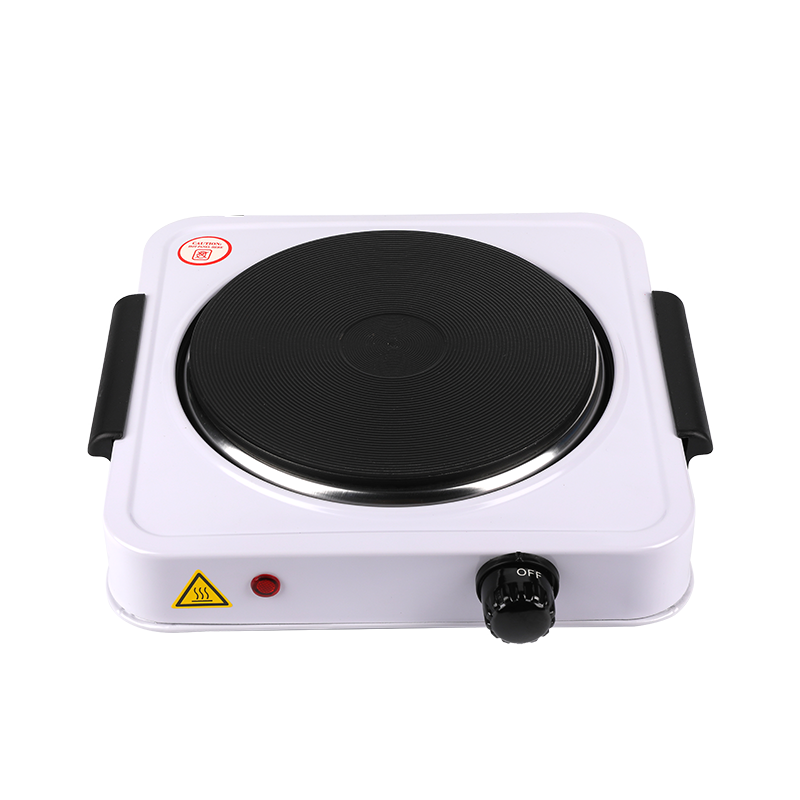
Introducing our Lightweight Energy-Saving Household Single Hot Plate – the solution for busy households seeking convenience, efficiency, and peace of ...
See Details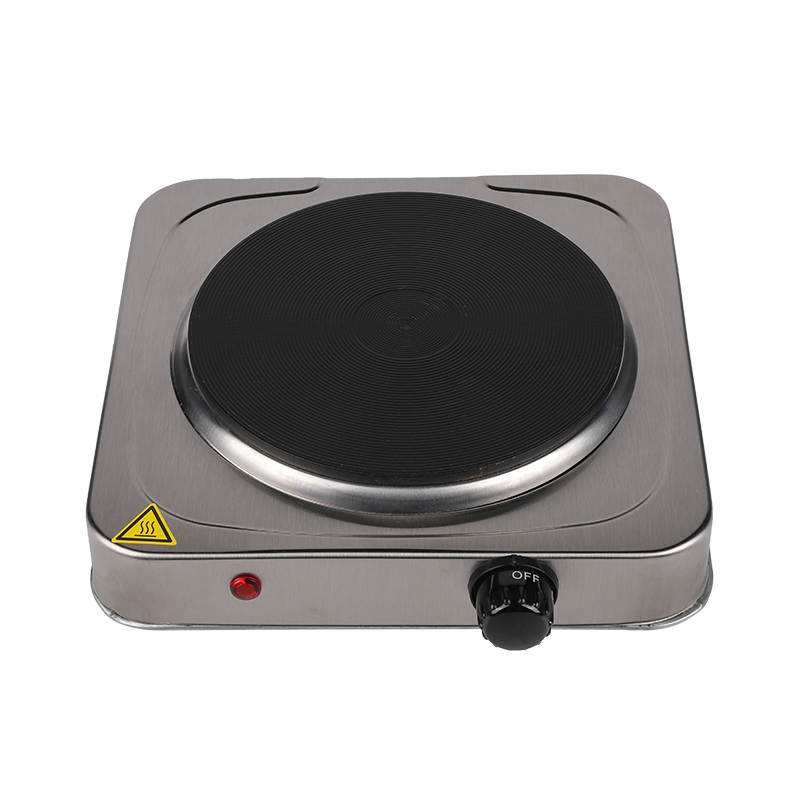
In the heart of every home, the kitchen stands as a hub of culinary creativity and family gatherings. But in today's fast-paced world, convenience and...
See Details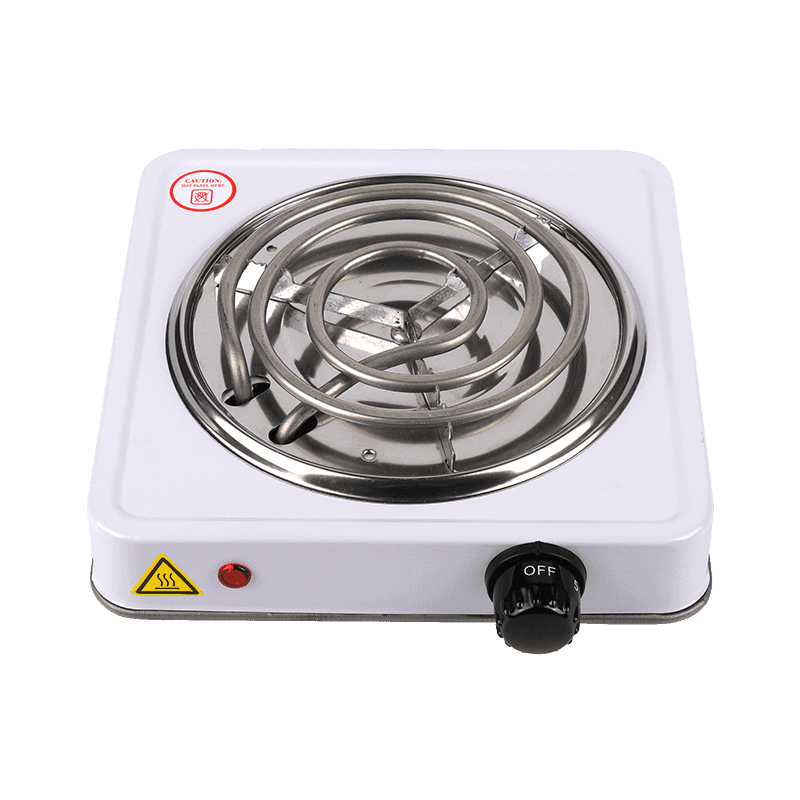
In the realm of modern kitchen appliances, innovation and technology have revolutionized the way we cook and prepare meals. Keeping pace with this evo...
See Details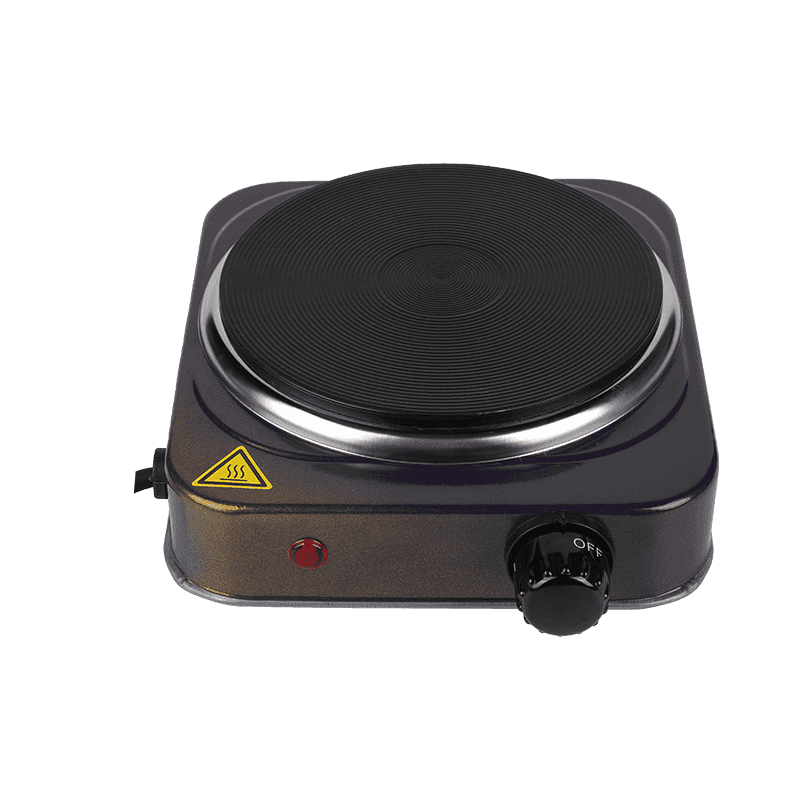
In the modern kitchen, safety, health, and environmental consciousness are of importance. That's why we're proud to introduce the Safe, Healthy, Envir...
See Details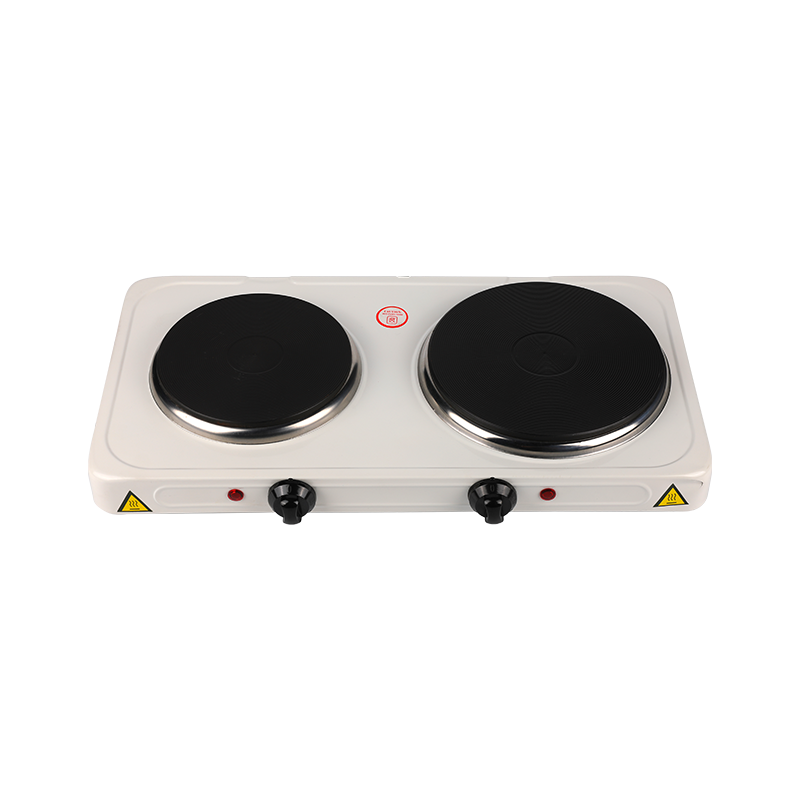
In the realm of culinary convenience, portability, and ease of use are key factors, especially for outdoor cooking adventures. Enter the Portable Ligh...
See Details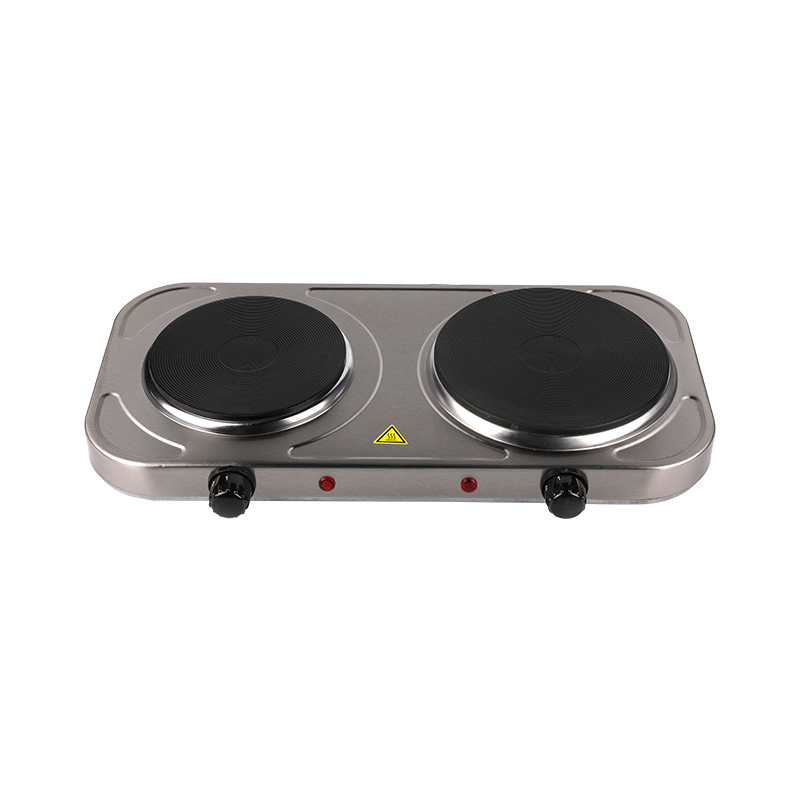
In today's fast-paced world, maintaining a healthy diet often takes a back seat to convenience. However, with the advent of the Healthy Cooking Intell...
See Details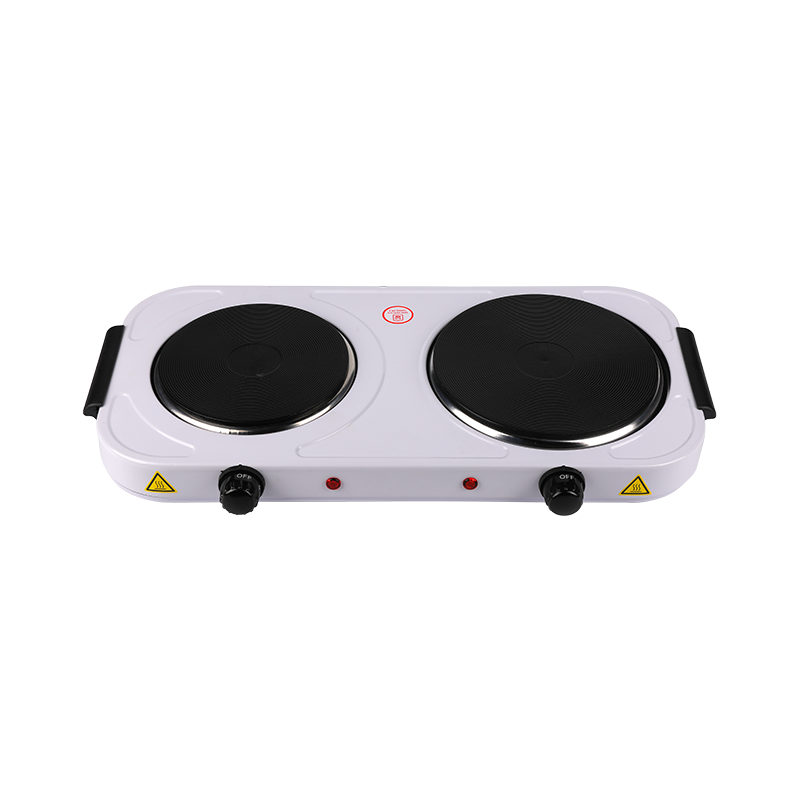
In today's fast-paced world, where time is of the essence and convenience is paramount, the heart of every home lies in its kitchen. It's where famili...
See Details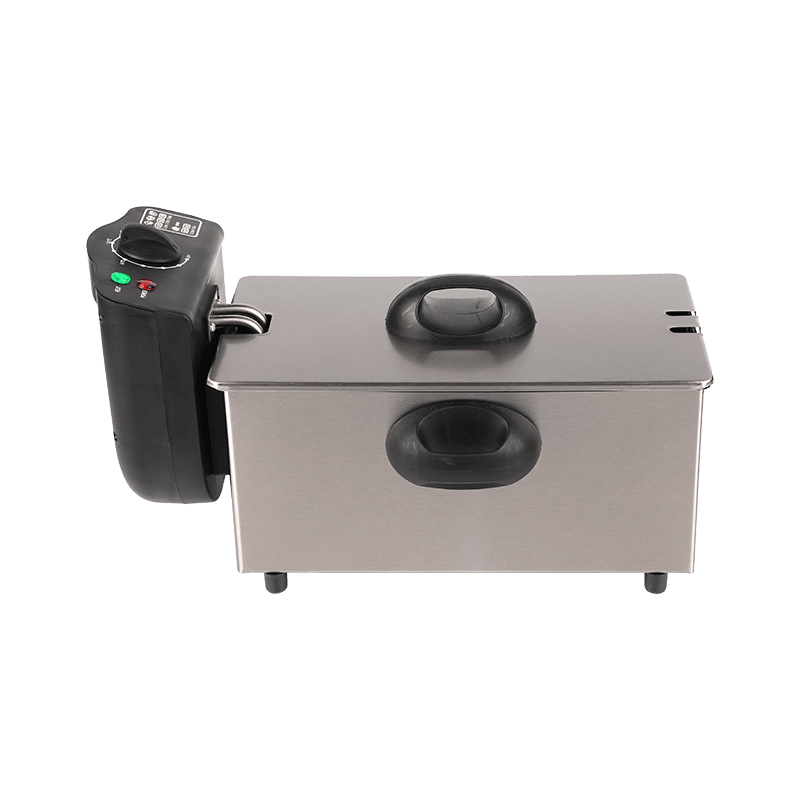
Introducing our Healthy and Environmentally Friendly Versatile Deep Fryer – the solution for health-conscious individuals and eco-conscious households...
See Details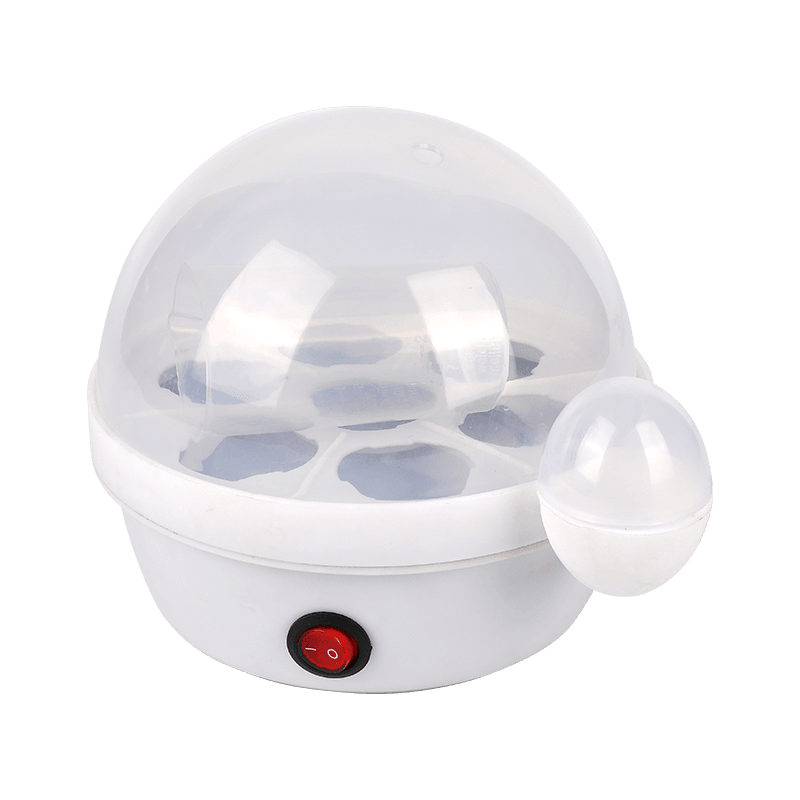
Introducing our Multi-functional Convenient Egg Boiler Expert – the ultimate kitchen tool for effortlessly preparing cooked eggs with precision and sp...
See Details
Are you tired of traditional laundry drying methods that are cumbersome, inefficient, and take up valuable space? Say hello to our game-changing Multi...
See Details
Zhejiang Huaang Electrical Appliance Co., Ltd. is a manufacturer specializing in the production of kitchen appliances. It was established in 2009
Tel: +86-0579-84666999
Phone: +86-18058924218
E-Mail: ceo@hualunte.com
Copyright © Zhejiang Warranty Electric Appliance Co., Ltd. All Rights Reserved.
Smart Outdoor Kitchen Appliances Factory
