
 English
 русский
 Español
High-quality durable commercial single hot plate
Cat:Single Hot Plate
Introducing our flagship product, the High-Quality Durable Commercial Single Hot Plate – a game-changer in the world of culinary appliances. Have you ...
See Details

Phone: +86-0579-84666999

E-mail: ceo@hualunte.com

Tel: +86-18058924218


A kerosene stove is frequently used as a reliable cooking solution during power outages, especially when electricity and gas systems are temporarily unavailable. In many households and outdoor environments, it serves as an essential backup device that ensures people can continue preparing meals and boiling water when normal cooking systems are no longer functional. Its independence from electrical infrastructure makes it an important part of emergency preparedness planning.
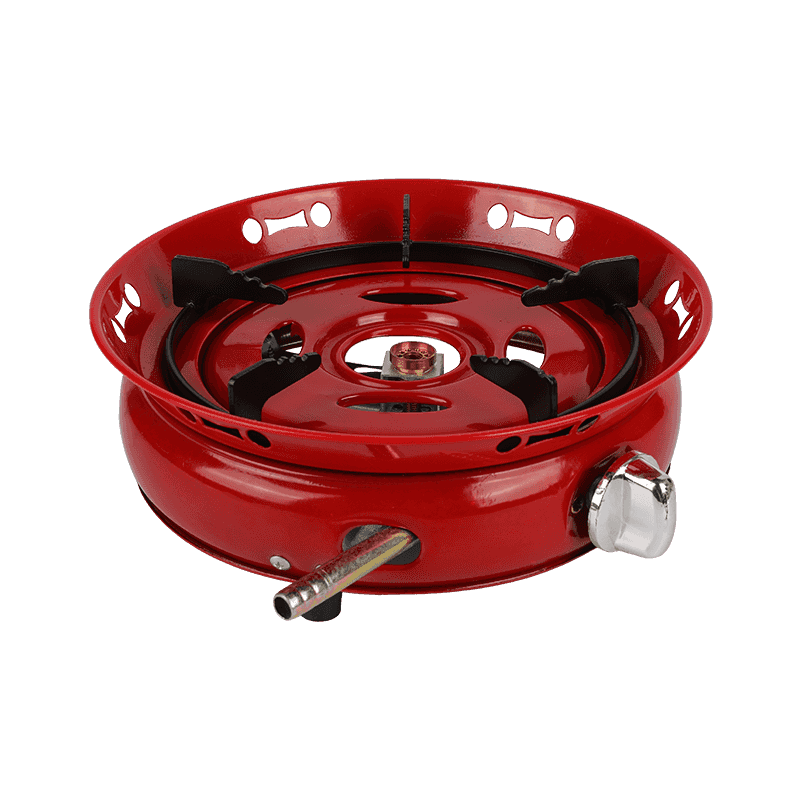
When a power outage occurs, one of the most immediate challenges is the loss of cooking capability. Electric stoves, induction cookers, and microwaves all become unusable. At the same time, refrigeration systems may stop working, increasing the urgency of cooking stored food before it spoils.
A kerosene stove solves this problem by providing a fuel-based heat source that does not depend on electricity or gas pipelines. This allows users to maintain basic cooking routines, even in environments where infrastructure recovery may take time.
A kerosene stove operates by burning liquid fuel to produce a controlled flame. Once fuel is added and ignition is completed, the stove generates consistent heat that can be adjusted depending on cooking needs.
The structure is relatively simple compared to electric appliances. There are no electronic components or complex installation requirements. This simplicity makes it particularly useful during emergencies when quick access to cooking equipment is necessary.
During power failures, a kerosene stove can support several essential cooking activities. These include boiling drinking water, preparing staple foods such as rice or noodles, heating soups, and warming pre-cooked meals.
In colder environments, the stove may also contribute to warmth in the cooking area, although proper ventilation must always be maintained. Its ability to support multiple basic needs makes it a practical emergency tool.
Preparation plays an important role in ensuring effective use of a kerosene stove during outages. Fuel should be stored in tightly sealed containers designed for liquid fuel storage. These containers should be placed in stable, cool, and well-ventilated locations.
Many households also prepare additional accessories such as spare wicks, ignition tools, and cleaning brushes. These items help ensure that the stove can be used immediately without delay.
Fuel management is also important. Users often rotate fuel stock to ensure it remains usable when needed.
When using a kerosene stove indoors during outages, ventilation becomes a critical factor. Combustion naturally produces gases that must be properly dispersed.
The stove should be placed on a flat and stable surface, away from flammable materials such as curtains, wooden furniture, and paper products. Windows or ventilation openings should be kept available to maintain airflow.
Avoiding enclosed, unventilated spaces is important for maintaining safer air conditions during operation.
During emergency use, users should always monitor the flame to ensure stable combustion. The stove should never be left unattended while operating.
After use, it should be fully turned off and allowed to cool before refueling or storage. Fuel should never be added to a hot stove. These simple practices help reduce risks during stressful outage situations.
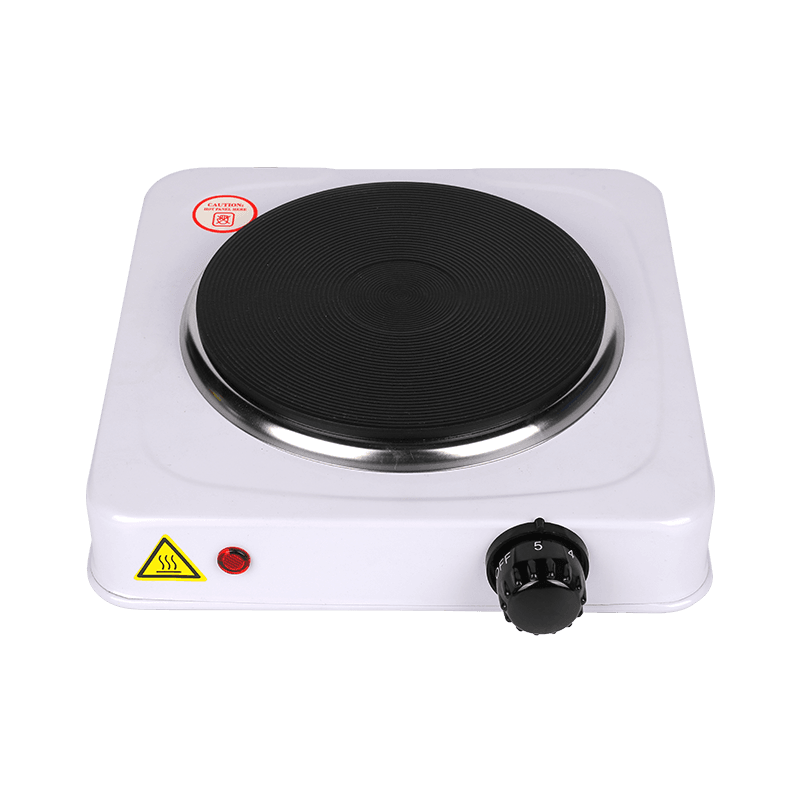
Introducing our flagship product, the High-Quality Durable Commercial Single Hot Plate – a game-changer in the world of culinary appliances. Have you ...
See Details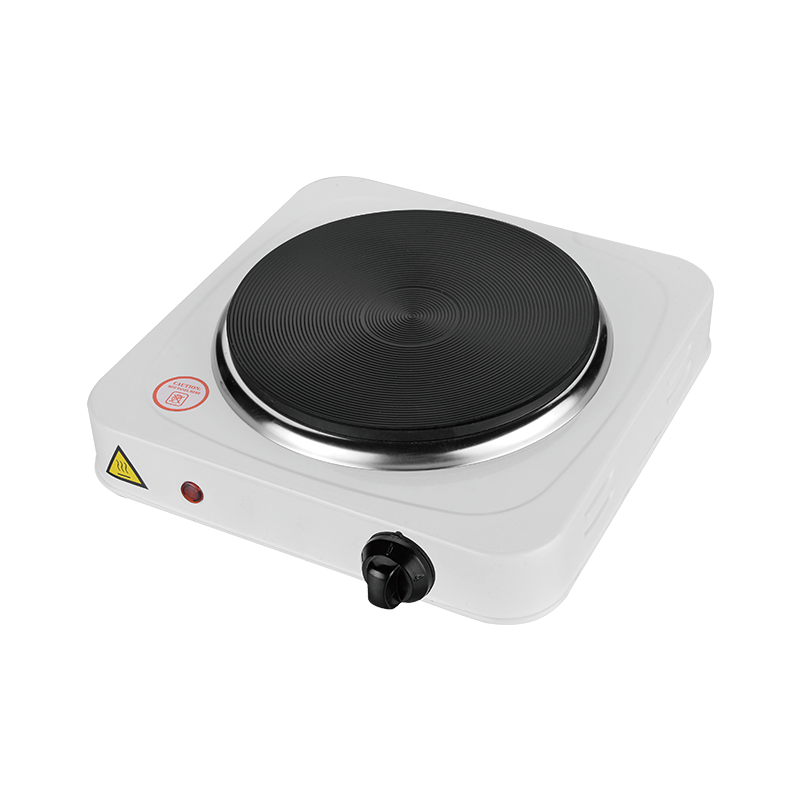
Introducing our revolutionary Portable Lightweight Outdoor Single Hot Plate – the ultimate cooking companion for outdoor enthusiasts, adventurers, and...
See Details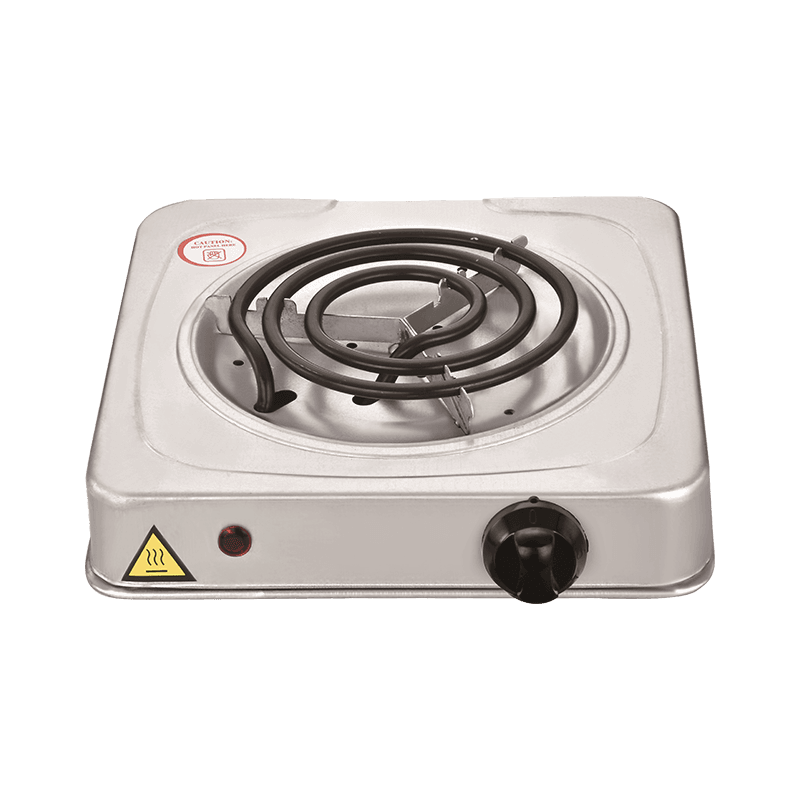
Introducing our Premium Environmentally Friendly Household Single Hot Plate – an addition to any home kitchen seeking both quality performance and eco...
See Details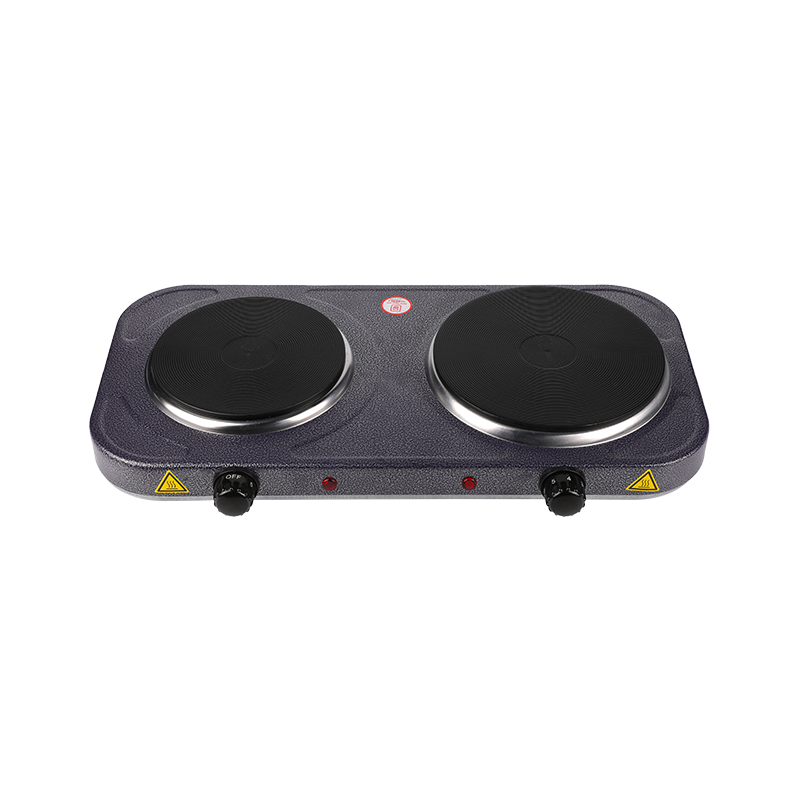
In today's environmentally conscious world, sustainability, energy efficiency, and health-conscious cooking are becoming increasingly important factor...
See Details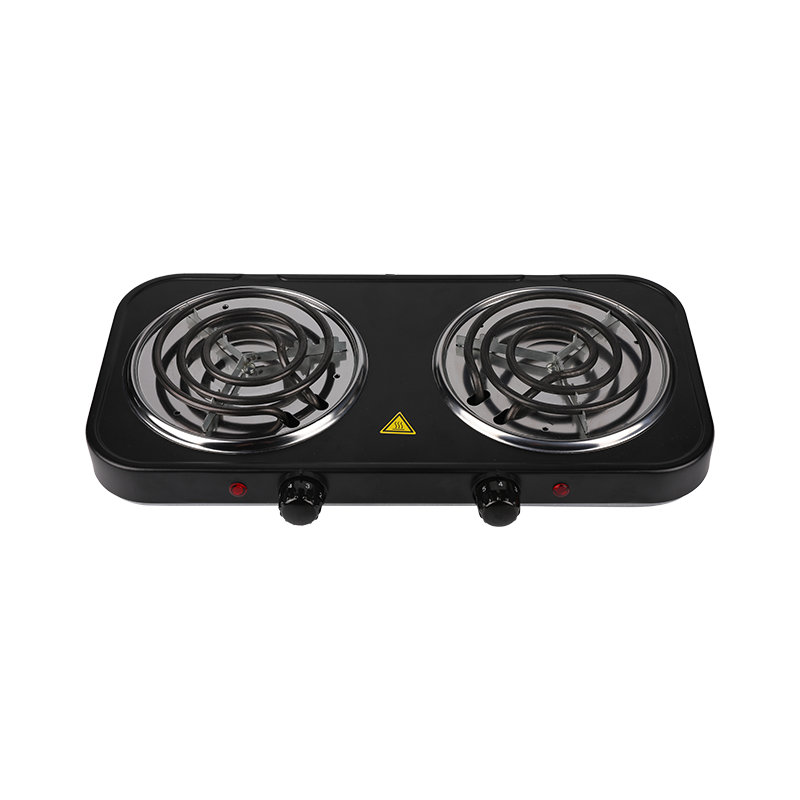
In the fast-paced environment of commercial kitchens and food service establishments, efficiency is paramount. That's where the Efficient Time-Saving ...
See Details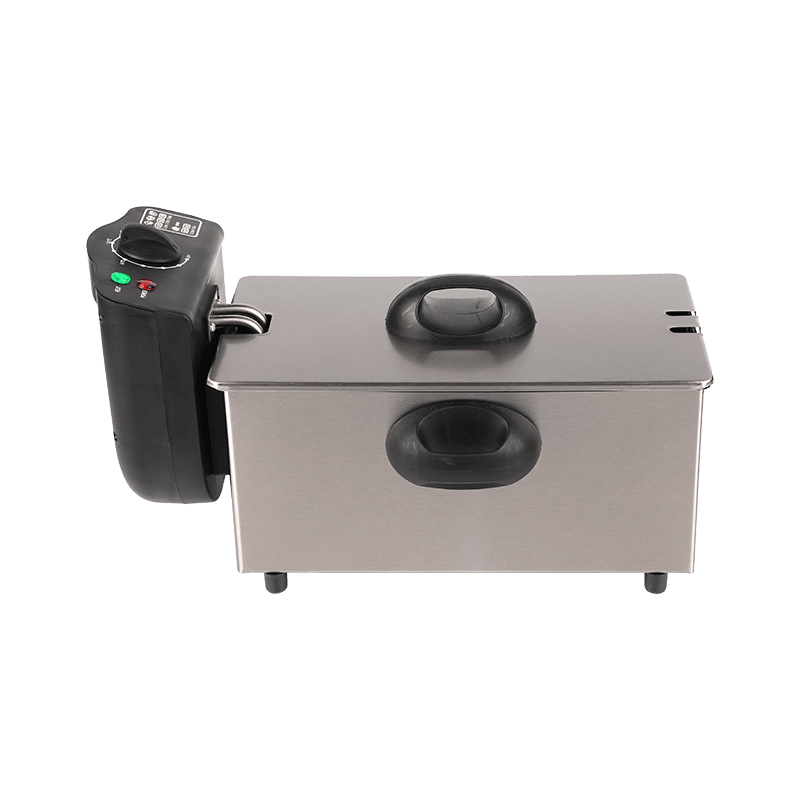
Introducing our Healthy and Environmentally Friendly Versatile Deep Fryer – the solution for health-conscious individuals and eco-conscious households...
See Details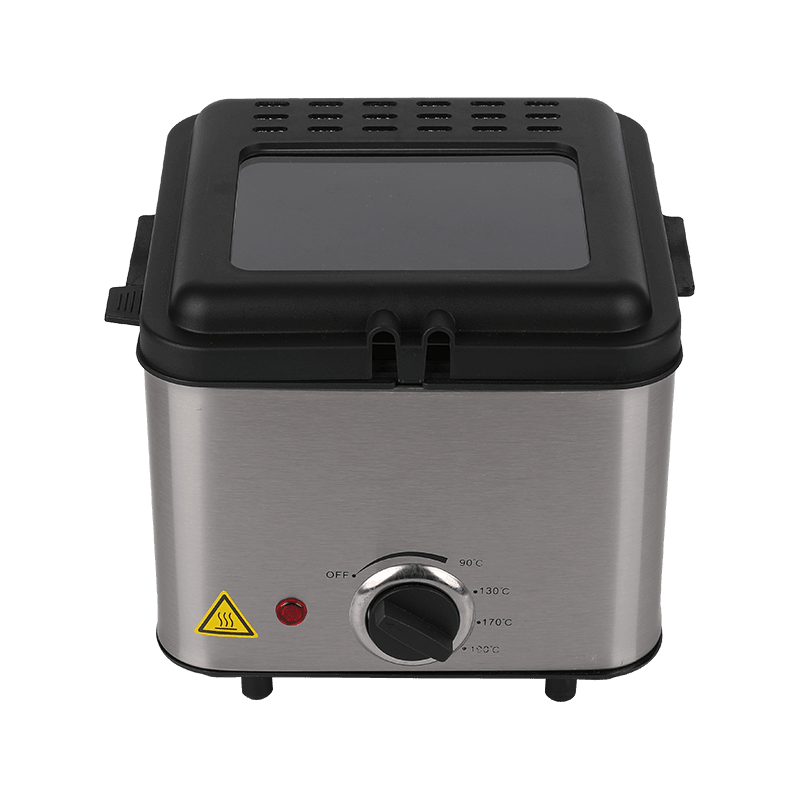
Introducing our Fast and Convenient Multi-functional Deep Fryer – the ultimate solution for those seeking quick and hassle-free cooking options with a...
See Details
Welcome to the future of cooking convenience and sustainability! As manufacturers of cutting-edge Intelligent, Convenient, and Energy-Saving Kerosene ...
See Details
Are you tired of traditional laundry drying methods that are cumbersome, inefficient, and take up valuable space? Say hello to our game-changing Multi...
See Details
We are thrilled to present our latest innovation in home laundry solutions - the Exquisite Space-Saving Wing Drying Rack. This elegant and practical d...
See Details
Zhejiang Huaang Electrical Appliance Co., Ltd. is a manufacturer specializing in the production of kitchen appliances. It was established in 2009
Tel: +86-0579-84666999
Phone: +86-18058924218
E-Mail: ceo@hualunte.com
Copyright © Zhejiang Warranty Electric Appliance Co., Ltd. All Rights Reserved.
Smart Outdoor Kitchen Appliances Factory
