
 English
 русский
 Español
High-quality durable commercial single hot plate
Cat:Single Hot Plate
Introducing our flagship product, the High-Quality Durable Commercial Single Hot Plate – a game-changer in the world of culinary appliances. Have you ...
See Details

Phone: +86-0579-84666999

E-mail: ceo@hualunte.com

Tel: +86-18058924218


Selecting a cooking appliance involves comparing available options to find a good fit. A hot plate, as a standalone electric unit, is often compared to built-in cooktops like gas burners or induction ranges. Each type has distinct characteristics affecting performance, safety, and day-to-day use. Expanding this comparison to include a traditionally fuel-based option like a kerosene stove provides a broader view of the different ways to generate heat for cooking, highlighting the hot plate’s place in the spectrum of available appliances.
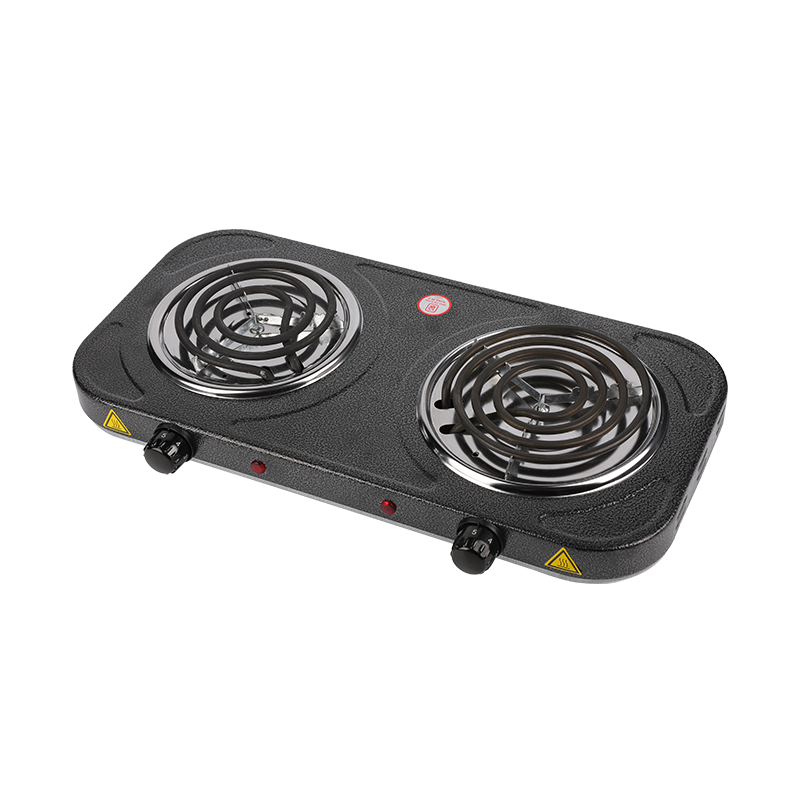
The method of heat generation defines the cooking experience. A standard electric hot plate uses a coiled or solid element that heats up and transfers warmth to the cookware. This provides consistent heat but can be slower to change temperature compared to a gas flame, which adjusts almost instantly. An induction hot plate, a specific type, creates a magnetic field to heat the pot directly, offering a faster response. In contrast, a kerosene stove produces heat from a burning wick, delivering intense direct flame but with adjustments that are manual and less precise than electronic controls. The heat output can also vary as the fuel depletes.
Safety considerations vary significantly across these appliances. A hot plate presents risks primarily related to electrical safety and residual surface heat after use. Many models include safeguards like automatic shut-offs. Induction models have the added benefit of the surface not heating without magnetic cookware. Gas cooktops carry risks associated with open flame and potential gas leaks. A kerosene stove introduces a more complex safety profile: it has an open flame, produces combustion fumes requiring ventilation to avoid indoor air hazards, and involves handling and storing liquid fuel. Its use indoors is generally subject to strict guidelines and is not typical for everyday cooking.
Practicality encompasses installation and daily handling. Built-in gas or induction cooktops require professional installation and a fixed location. A hot plate offers clear advantages in mobility and simplicity; it needs only a standard electrical outlet and can be placed on any stable surface. This makes it suitable for temporary setups, small spaces, or as a supplement. A kerosene stove is also portable, but with different constraints. Its practicality is tied to outdoor use or well-ventilated areas due to fumes, and it requires a stable, flame-resistant surface, limiting where it can be used safely inside a home.
The ease of use and ongoing costs are practical factors. A hot plate operates with the flip of a switch and uses household electricity. Cleaning is typically straightforward. A gas cooktop also offers immediate control but requires a gas line. A kerosene stove operates outside this utility framework. Its “fuel” is not delivered through a pipe or wire; it requires purchasing, transporting, and safely storing kerosene. Operation involves manual lighting, priming, and wick maintenance, adding steps not found with electric or gas appliances. This makes it less convenient for daily meal preparation but potentially valuable where utilities are absent.
This comparison shows that these appliances serve different primary roles. Built-in electric or gas cooktops are designed as permanent kitchen fixtures. The hot plate is a flexible solution for when a permanent fixture is not available, practical, or sufficient. It acts as a dedicated, plug-in cooking station. The kerosene stove occupies a separate category: a non-electric, fuel-powered appliance for scenarios where conventional utilities are not relied upon. Its use is situational rather than常规. Therefore, comparing a hot plate to a kerosene stove is less about which is better and more about identifying which one aligns with the user’s environment—a connected, indoor space versus an off-grid or contingency situation.
A hot plate provides a specific set of benefits centered on electric operation, portability, and integrated safety features, positioning it as a practical choice for many indoor living situations. Its performance and safety profile differ noticeably from both built-in cooktops and traditional fuel-based appliances like the kerosene stove. Each appliance type has a context where its characteristics are advantageous. For regular cooking in a home with utilities, the convenience and safety of a hot plate or built-in cooktop are clear. The kerosene stove remains a tool with a specific purpose, valued for its independence from the electrical grid rather than for daily culinary use.
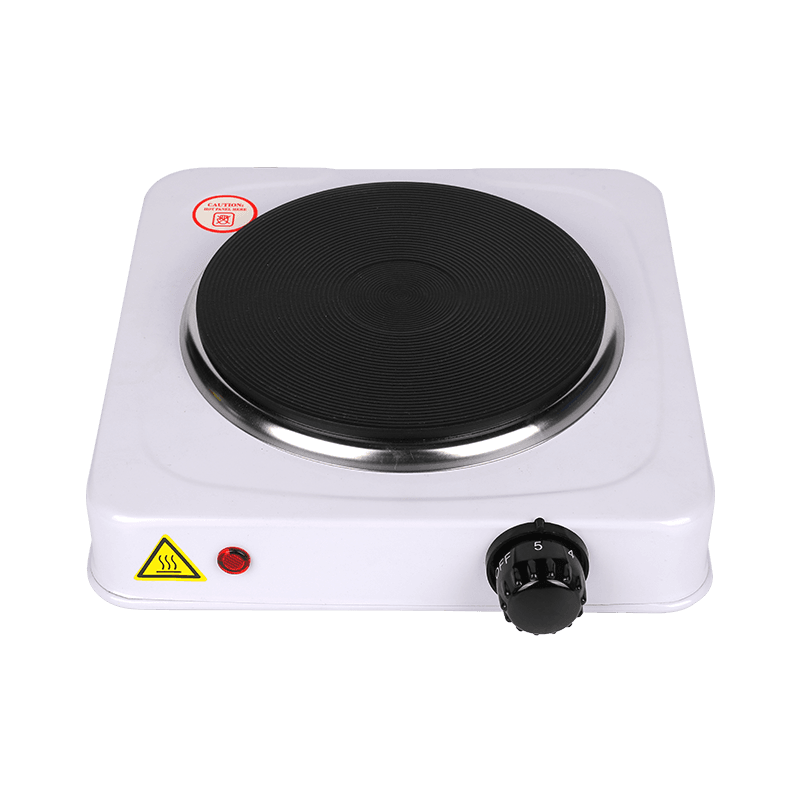
Introducing our flagship product, the High-Quality Durable Commercial Single Hot Plate – a game-changer in the world of culinary appliances. Have you ...
See Details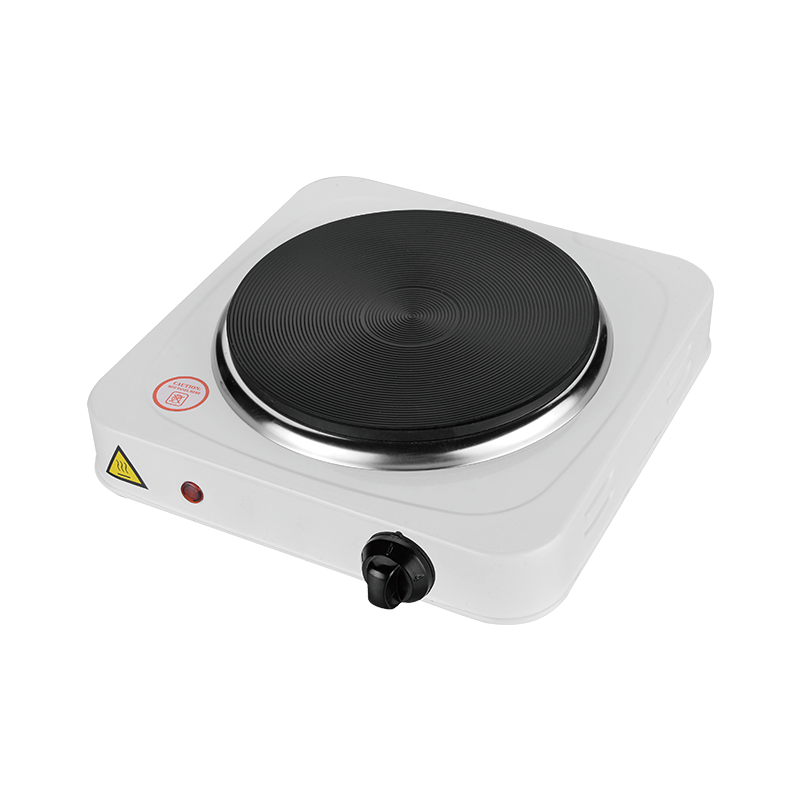
Introducing our revolutionary Portable Lightweight Outdoor Single Hot Plate – the ultimate cooking companion for outdoor enthusiasts, adventurers, and...
See Details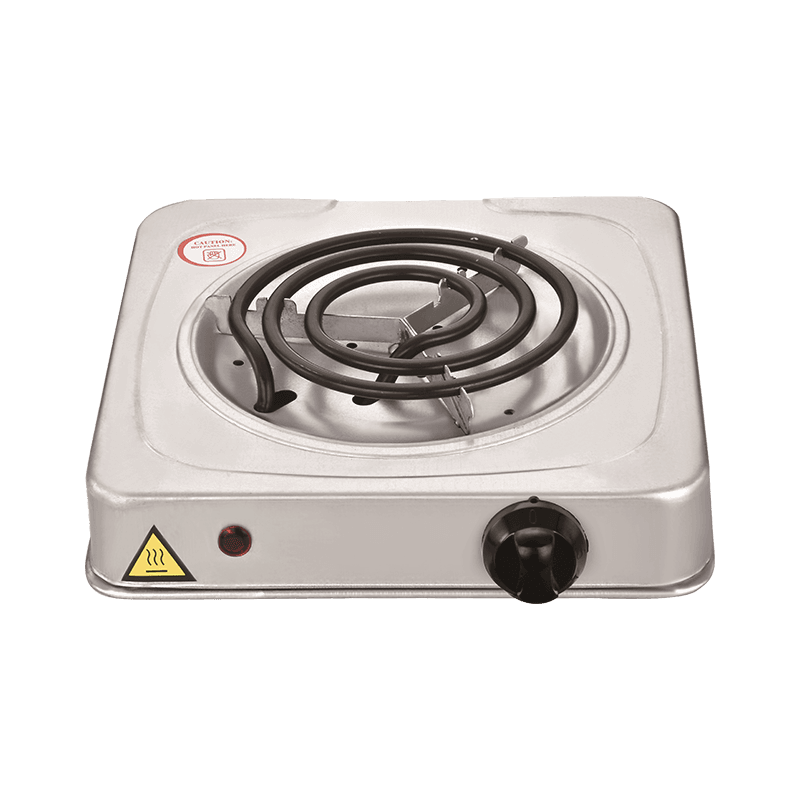
Introducing our Premium Environmentally Friendly Household Single Hot Plate – an addition to any home kitchen seeking both quality performance and eco...
See Details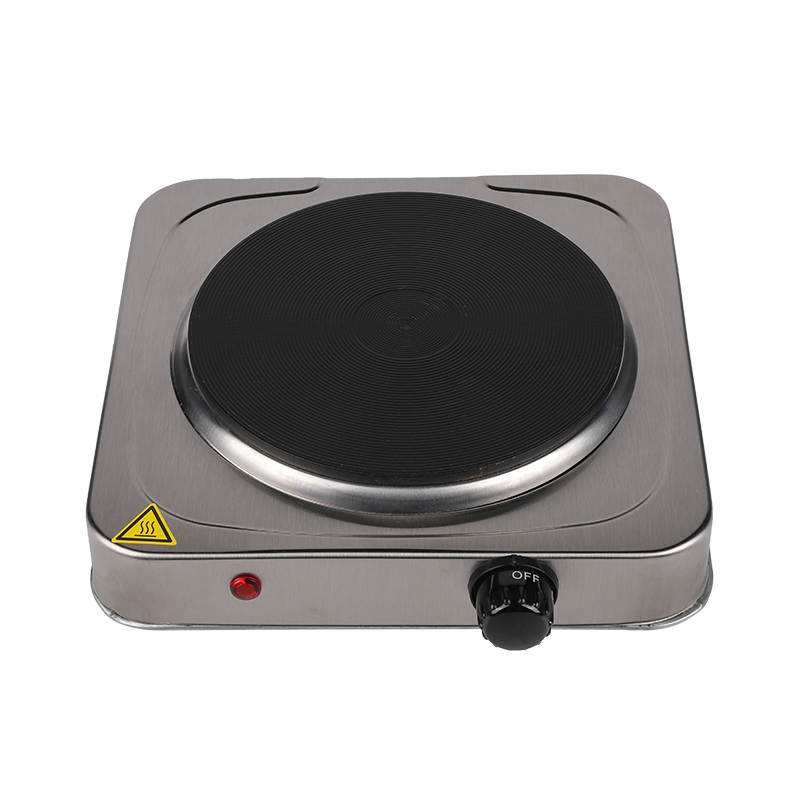
In the heart of every home, the kitchen stands as a hub of culinary creativity and family gatherings. But in today's fast-paced world, convenience and...
See Details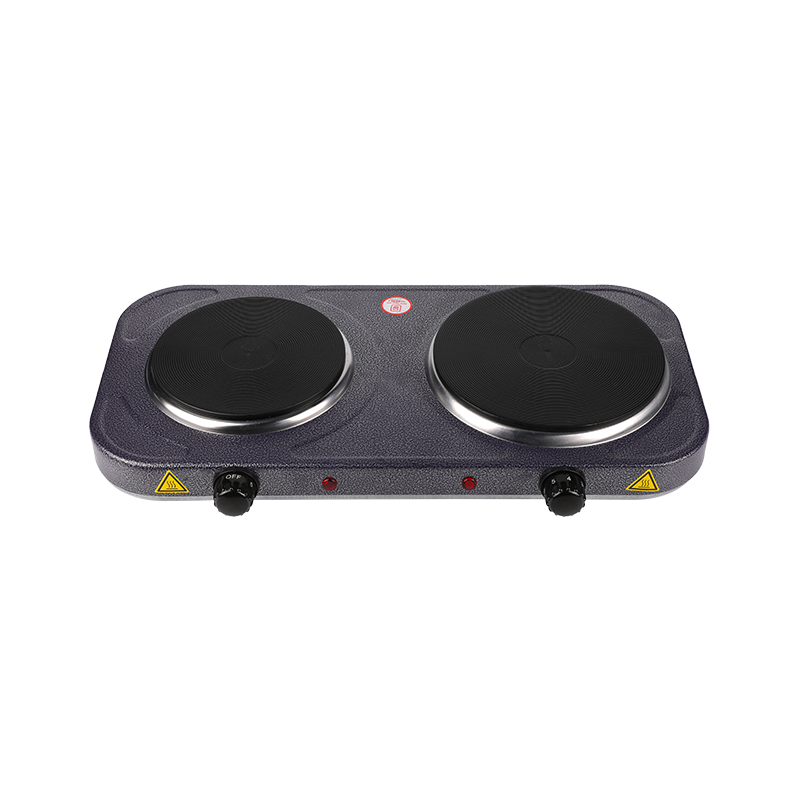
In today's environmentally conscious world, sustainability, energy efficiency, and health-conscious cooking are becoming increasingly important factor...
See Details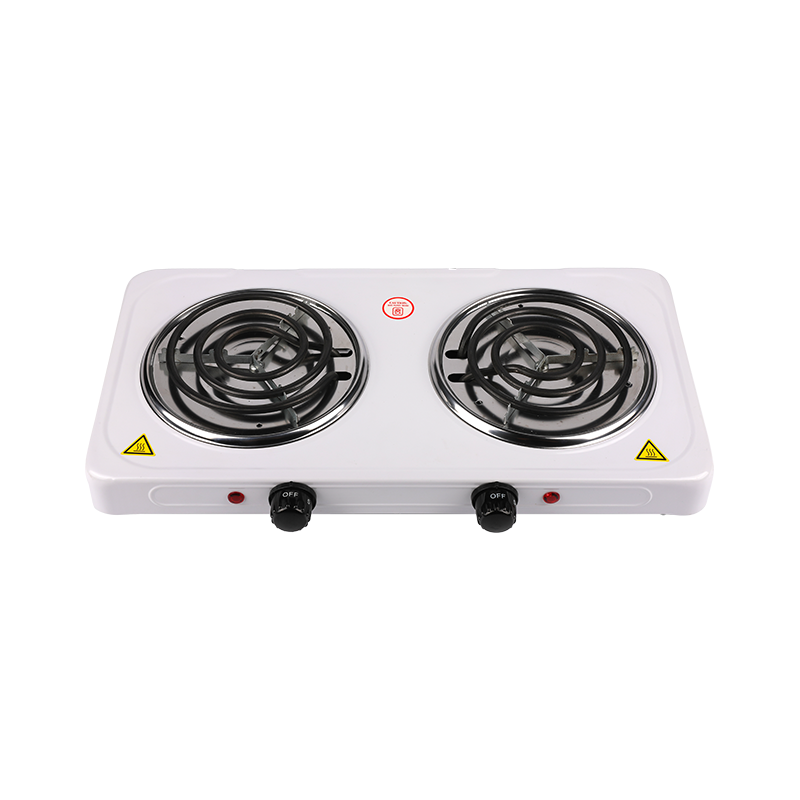
In the realm of home cooking, safety and reliability are paramount concerns for every household. With the Safe and Reliable Household Double Hot Plate...
See Details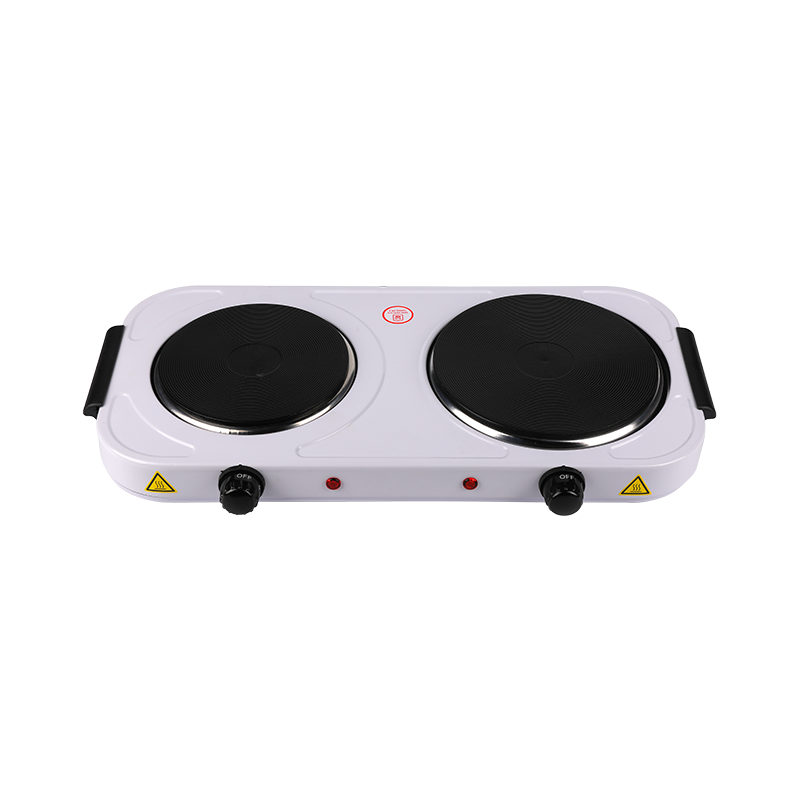
In today's fast-paced world, where time is of the essence and convenience is paramount, the heart of every home lies in its kitchen. It's where famili...
See Details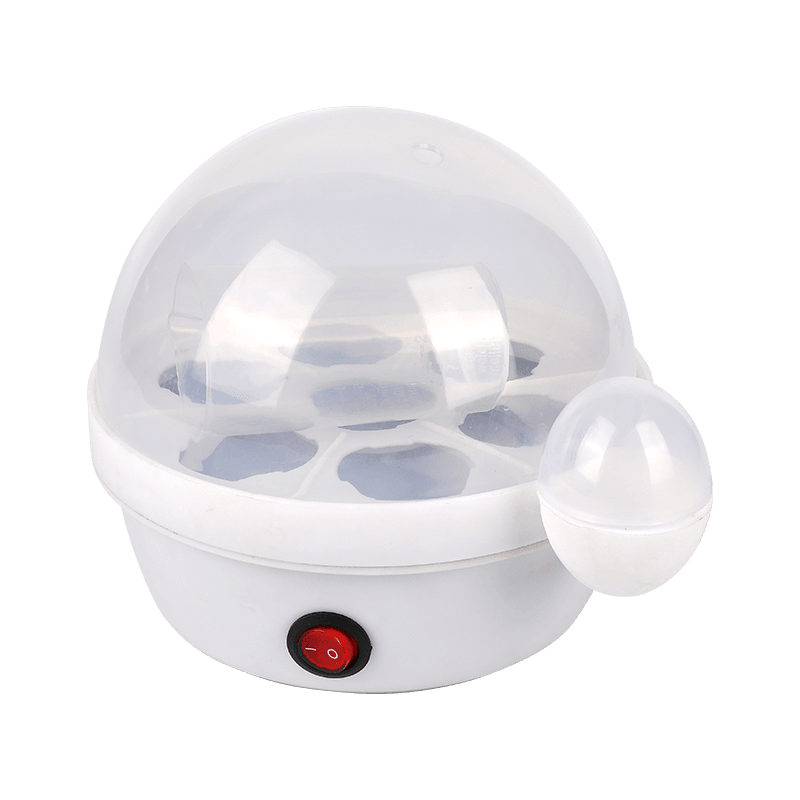
Introducing our Multi-functional Convenient Egg Boiler Expert – the ultimate kitchen tool for effortlessly preparing cooked eggs with precision and sp...
See Details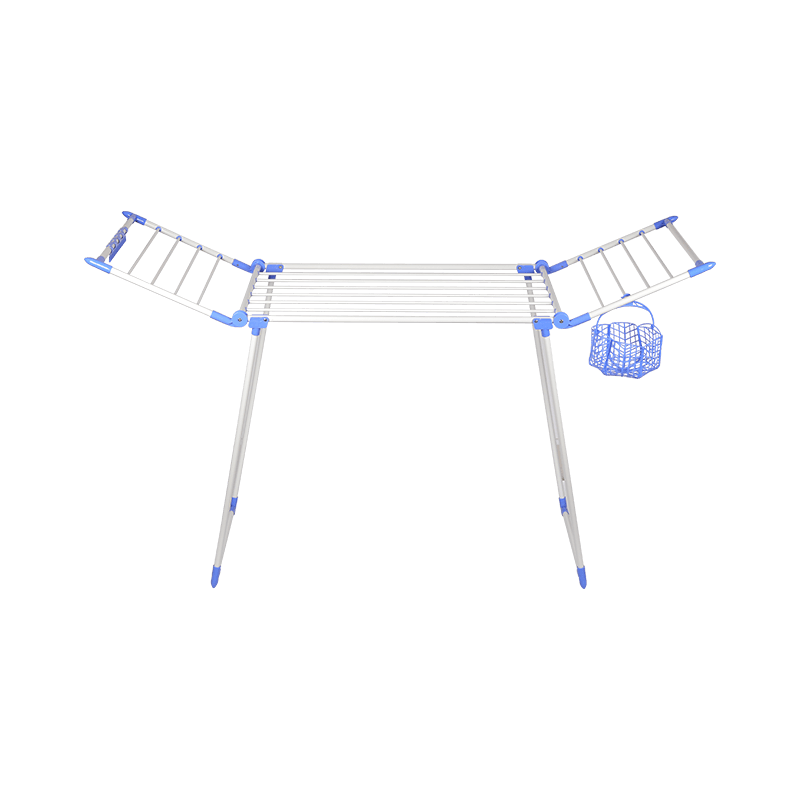
Welcome to the pinnacle of laundry elegance and practicality! As manufacturers of the Comfortable and Stylish Wing Drying Rack, we take pride in prese...
See Details
Are you tired of traditional laundry drying methods that are cumbersome, inefficient, and take up valuable space? Say hello to our game-changing Multi...
See Details
Zhejiang Huaang Electrical Appliance Co., Ltd. is a manufacturer specializing in the production of kitchen appliances. It was established in 2009
Tel: +86-0579-84666999
Phone: +86-18058924218
E-Mail: ceo@hualunte.com
Copyright © Zhejiang Warranty Electric Appliance Co., Ltd. All Rights Reserved.
Smart Outdoor Kitchen Appliances Factory
