
 English
 русский
 Español
Portable lightweight outdoor single hot plate
Cat:Single Hot Plate
Introducing our revolutionary Portable Lightweight Outdoor Single Hot Plate – the ultimate cooking companion for outdoor enthusiasts, adventurers, and...
See Details

Phone: +86-0579-84666999

E-mail: ceo@hualunte.com

Tel: +86-18058924218


When evaluating a hot plate for purchase, potential users focus on a set of practical features that directly impact their cooking experience and safety. These considerations help determine if a particular model aligns with their daily routines and kitchen setup. While a hot plate is designed for standard indoor use, being aware of how its features compare to those of other cooking methods, such as a kerosene stove, can further inform the decision-making process by highlighting different operational philosophies.
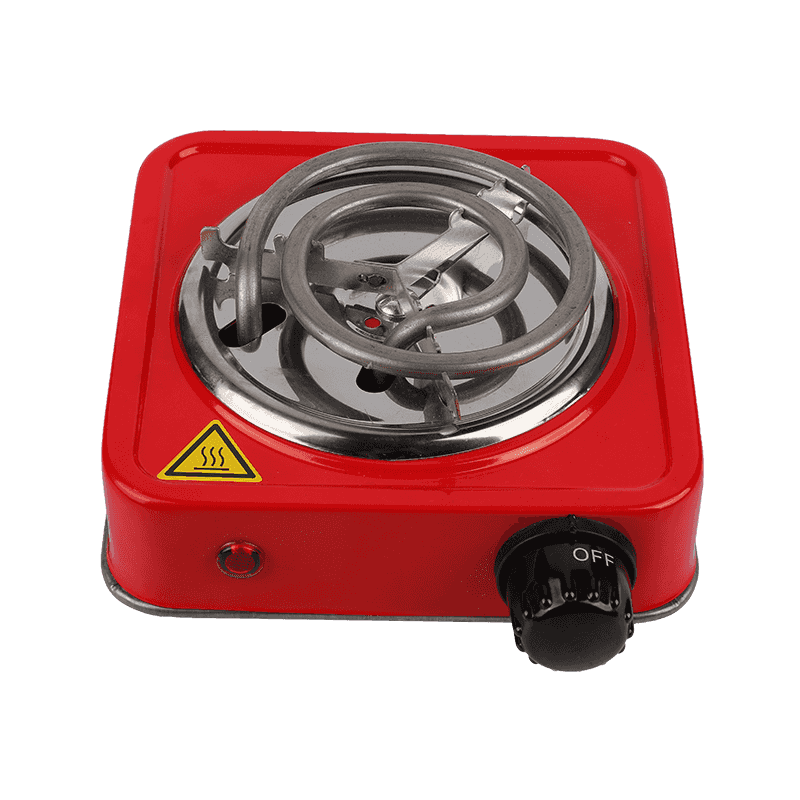
A central feature of any hot plate is its heating capability. Consumers look for units that can reach a suitable temperature for boiling and offer a range of settings for gentle simmering. Consistent heat distribution across the cooking surface is also a noted factor, as it affects cooking outcomes. Modern hot plates often provide adjustable digital or dial controls to manage this. This level of contained, adjustable heat differs from the operation of a kerosene stove, where the flame is adjusted manually, and heat can be less even, directly influenced by fuel level and wick condition.
Safety features are a primary concern for appliances used indoors. Many hot plates include elements like indicator lights to show when the surface is hot, automatic shut-off functions to prevent overheating if left unattended, and stable, non-slip feet. These integrated designs aim to prevent accidents and offer peace of mind, especially in households with children or in busy environments. This proactive safety approach is a key differentiator from a kerosene stove, where safety depends heavily on user vigilance—managing an open flame, ensuring adequate ventilation to prevent fume buildup, and handling liquid fuel safely.
The simplicity of cleaning is a significant practical feature. Hot plates with smooth, ceramic glass surfaces are often sought after because spills can be wiped away easily once the unit has cooled. Models with coiled heating elements might require more careful cleaning to remove food debris. This focus on easy maintenance for daily use contrasts with the upkeep of a kerosene stove, which involves regular tasks like trimming the wick, cleaning soot from the burner, and safely storing fuel. The hot plate generally demands less routine involvement beyond basic cleaning.
For many buyers, the hot plate’s portability is a major advantage. A compact and lightweight design allows it to be moved between rooms, stored in a cabinet, or used on a countertop. The physical form should be sturdy and stable. This portability caters to flexible living situations. While a kerosene stove is also portable, its design incorporates a fuel tank and is constructed to manage combustion, often making it heavier and requiring careful handling to avoid fuel spills, which affects its convenience as a frequently moved item.
The importance of each feature depends on the user’s scenario. Someone needing a hot plate for occasional use might prioritize a simple, cost-effective model. Someone using it daily may value more precise temperature control and a durable surface. This process of matching features to needs is distinct from considering a kerosene stove. The kerosene stove’s features—its fuel independence and high heat output—are evaluated against a different set of needs, typically related to outdoor use or emergency readiness, rather than daily culinary convenience. Understanding these differing feature sets guides consumers toward an appliance that fits their specific lifestyle.
The decision to purchase a hot plate involves weighing a combination of performance, safety, maintenance, and design features. These elements collectively define how the appliance will function in a user’s daily life. By focusing on these practical aspects, consumers can identify a hot plate that meets their expectations for indoor cooking. This feature-based evaluation also illuminates why a hot plate and a kerosene stove are chosen for different reasons; one is selected for its integrated, user-friendly features suited to a powered home, while the other is considered for its operational independence from the electrical grid.
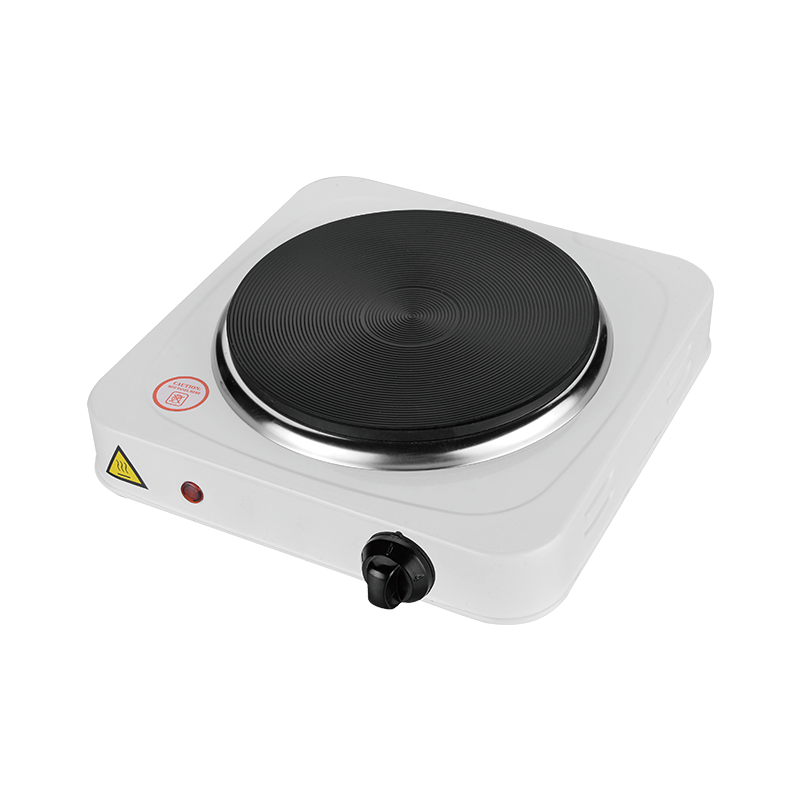
Introducing our revolutionary Portable Lightweight Outdoor Single Hot Plate – the ultimate cooking companion for outdoor enthusiasts, adventurers, and...
See Details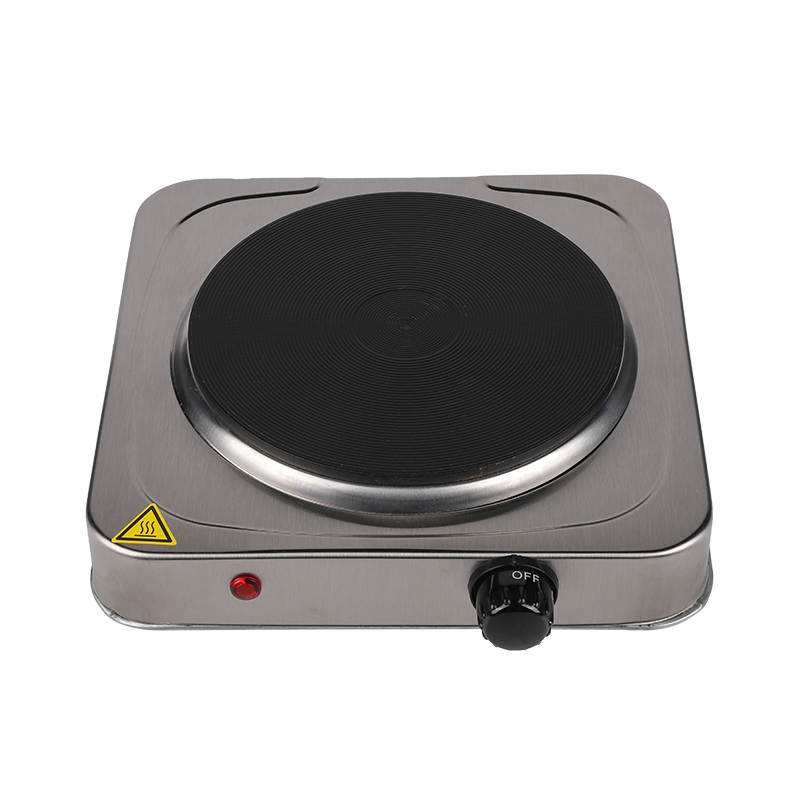
In the heart of every home, the kitchen stands as a hub of culinary creativity and family gatherings. But in today's fast-paced world, convenience and...
See Details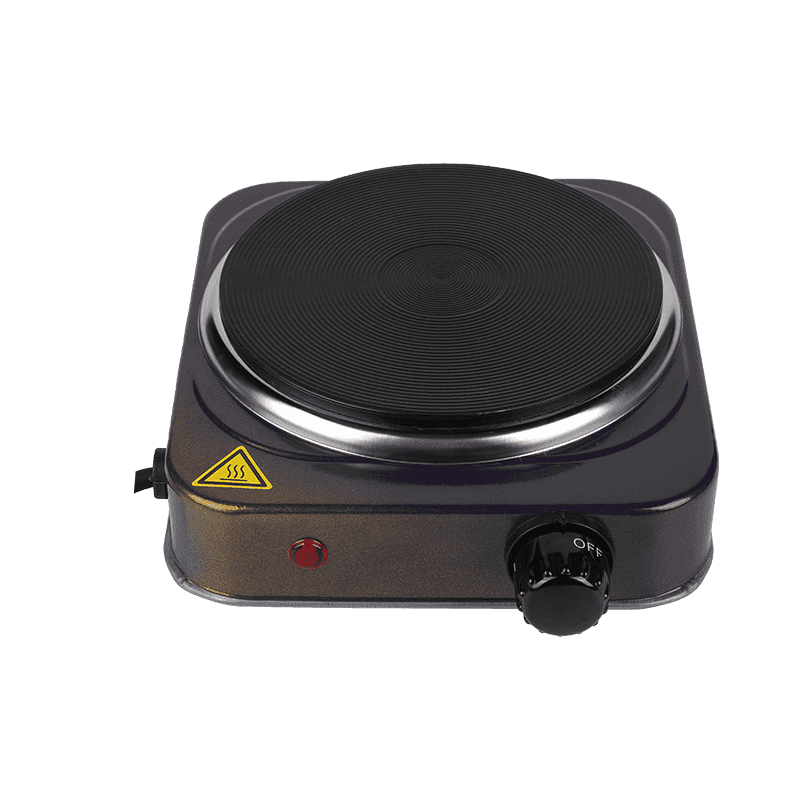
In the modern kitchen, safety, health, and environmental consciousness are of importance. That's why we're proud to introduce the Safe, Healthy, Envir...
See Details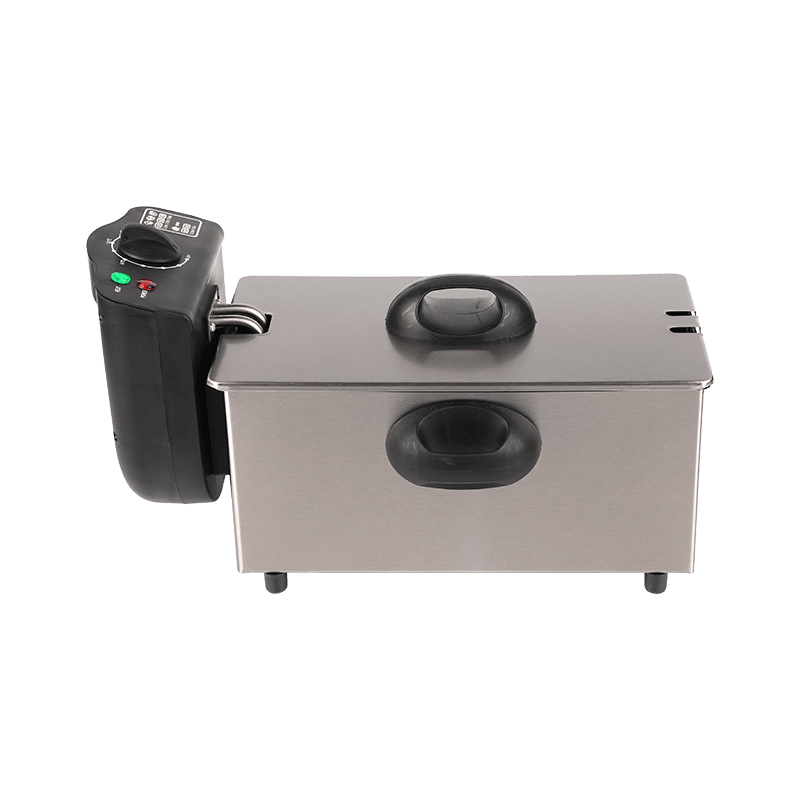
Introducing our Healthy and Environmentally Friendly Versatile Deep Fryer – the solution for health-conscious individuals and eco-conscious households...
See Details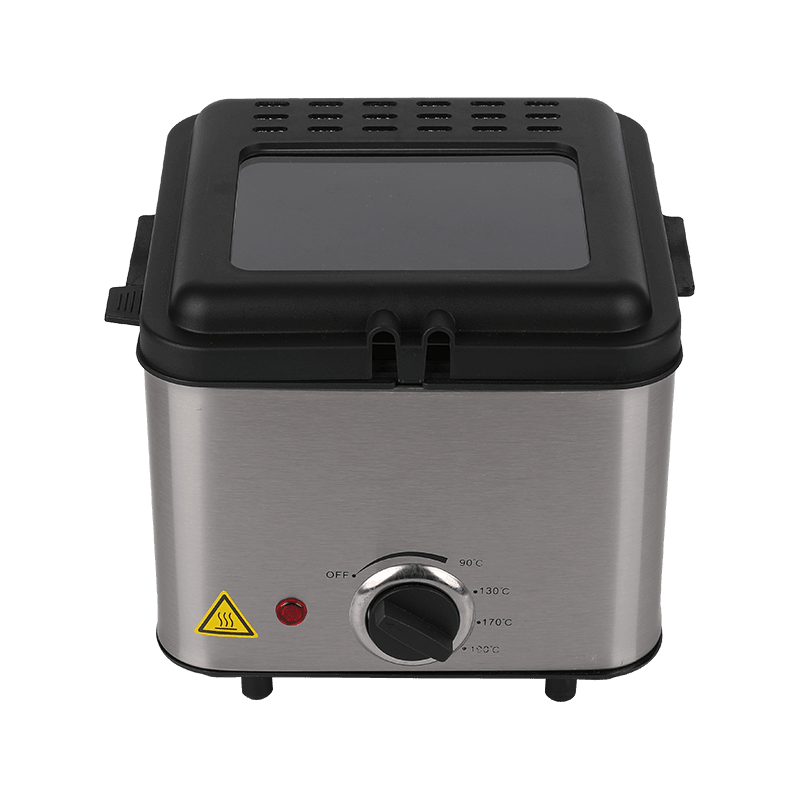
Introducing our Fast and Convenient Multi-functional Deep Fryer – the ultimate solution for those seeking quick and hassle-free cooking options with a...
See Details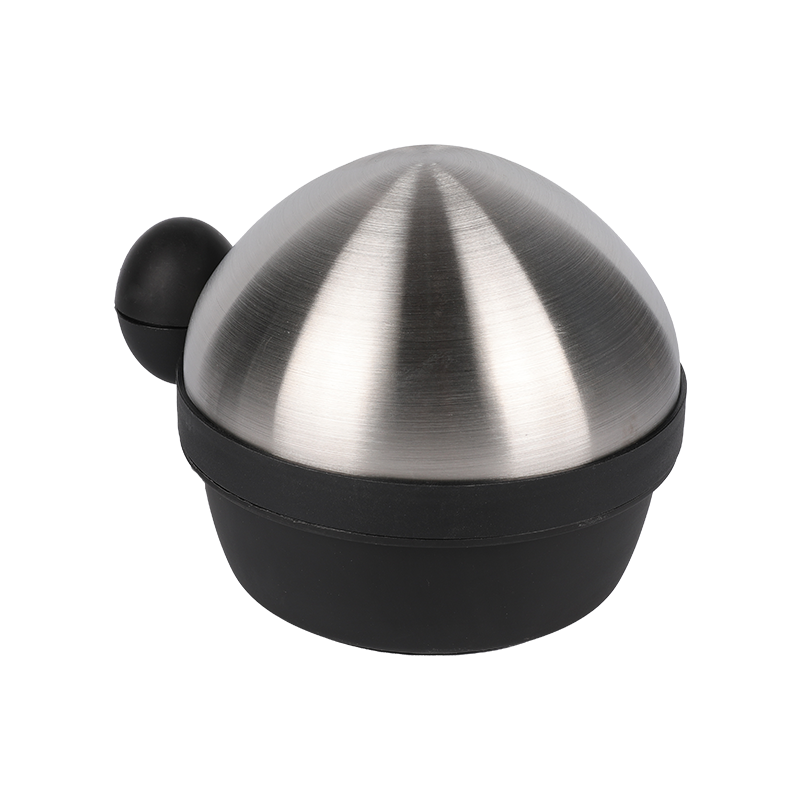
Introducing our Intelligent Rapid Egg Boiler – the ultimate solution for effortlessly preparing eggs in record time. Engineered with cutting-edge tech...
See Details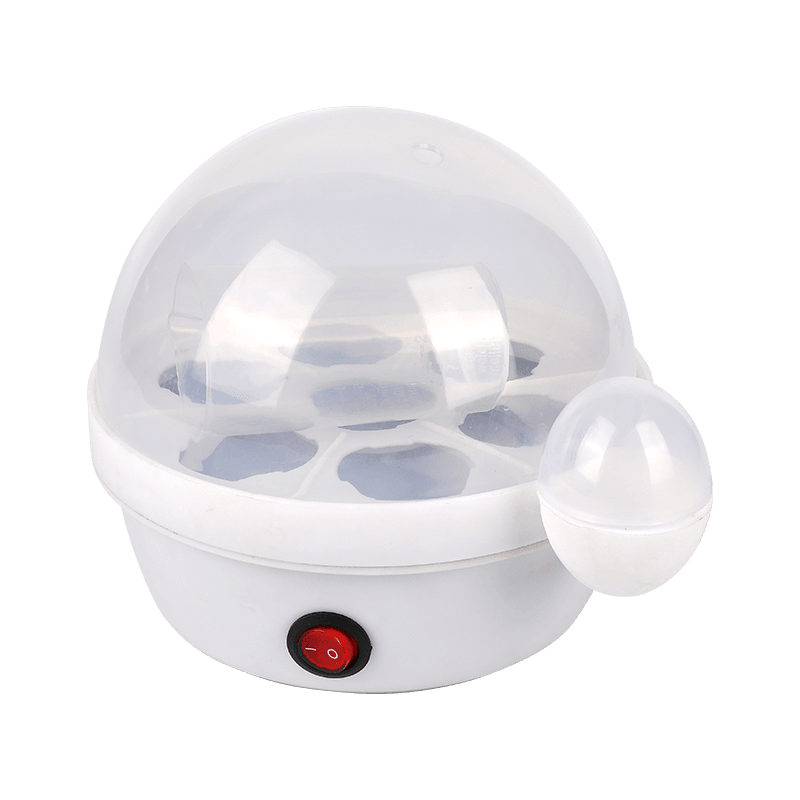
Introducing our Multi-functional Convenient Egg Boiler Expert – the ultimate kitchen tool for effortlessly preparing cooked eggs with precision and sp...
See Details
Welcome to the future of laundry care, where innovation meets convenience! As manufacturers of the Smart Folding Wing Drying Rack, we are thrilled to ...
See Details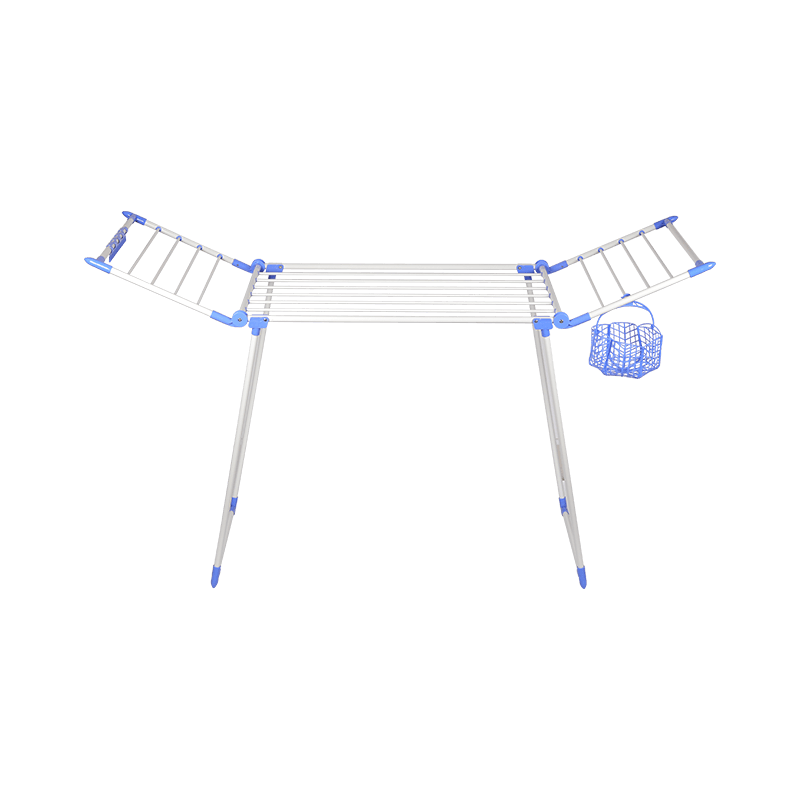
Welcome to the pinnacle of laundry elegance and practicality! As manufacturers of the Comfortable and Stylish Wing Drying Rack, we take pride in prese...
See Details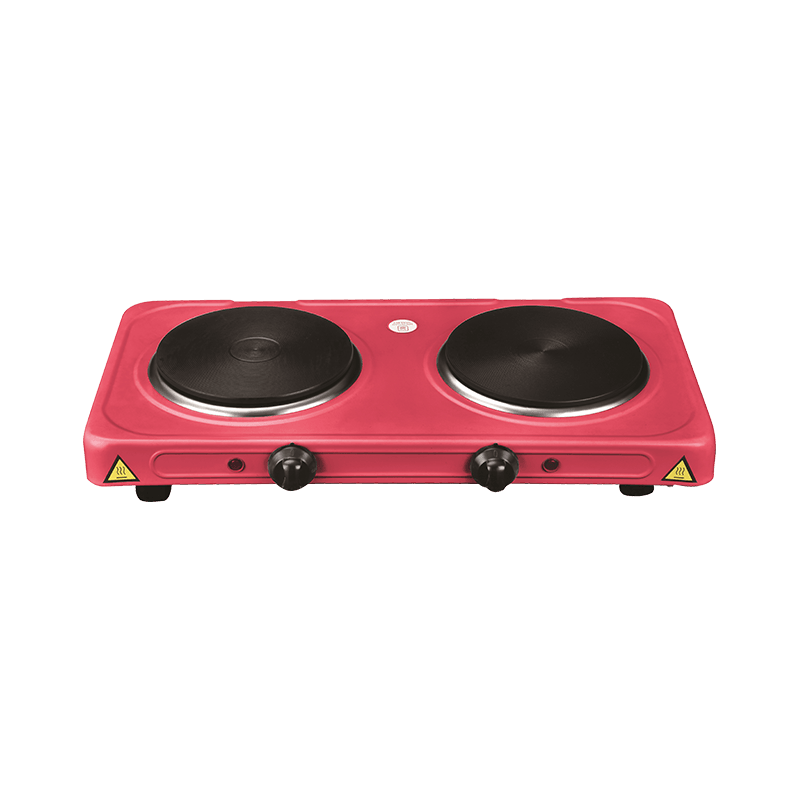
In the realm of modern culinary appliances, precision, convenience, and versatility are paramount. Meet the Precision Temperature Control Convenient D...
See Details
Zhejiang Huaang Electrical Appliance Co., Ltd. is a manufacturer specializing in the production of kitchen appliances. It was established in 2009
Tel: +86-0579-84666999
Phone: +86-18058924218
E-Mail: ceo@hualunte.com
Copyright © Zhejiang Warranty Electric Appliance Co., Ltd. All Rights Reserved.
Smart Outdoor Kitchen Appliances Factory
