
 English
 русский
 Español
Intelligent, efficient and energy-saving single hot plate
Cat:Single Hot Plate
In the realm of culinary innovation, our company stands at the forefront with its cutting-edge single hot plate, engineered to embody the trifecta of ...
See Details

Phone: +86-0579-84666999

E-mail: ceo@hualunte.com

Tel: +86-18058924218


The hot plate is a versatile tool that serves distinct purposes across different settings. Its basic function—providing a portable, flat heating surface—adapts to the needs of a home kitchen, a student dorm room, or a scientific laboratory. This flexibility is a key reason for its widespread use. To fully appreciate its role, it can be helpful to contrast it with older heating methods, such as those employed by a kerosene stove, which have more limited and specific applications in the modern context.
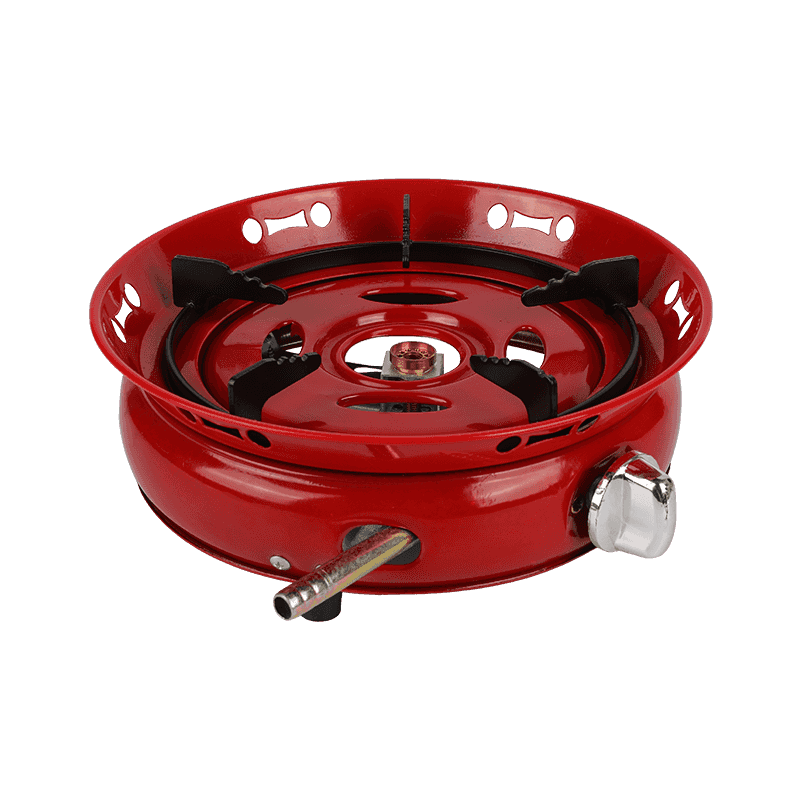
In residential settings, a hot plate often acts as an extra cooking station. It can be used during large family gatherings to keep side dishes warm, or in a home where the primary stove is under renovation. For smaller living spaces like studio apartments or tiny homes, it sometimes serves as the main cooking appliance due to its compact size. The consistent, flameless heat from an electric hot plate is manageable and avoids the indoor air quality concerns associated with burning fuels. This distinguishes it from using a kerosene stove indoors, which requires significant ventilation to disperse fumes and is generally not recommended for regular household cooking due to maintenance and safety considerations.
University dormitories and similar shared accommodations frequently have rules regarding cooking appliances. A hot plate, particularly models with automatic shut-off features, is often one of the permitted items because it presents a contained heat source. It allows students to prepare simple meals without shared kitchen access. The clear advantage here is safety and compliance with housing policies, which typically prohibit open-flame devices. A kerosene stove, with its visible flame and fuel storage requirements, would rarely be allowed in such environments, highlighting how the hot plate is specifically designed for safe use in controlled, indoor living spaces.
Beyond cooking, the hot plate has important applications in laboratories. Here, specific models are engineered for precise temperature control and even heat distribution, essential for experiments involving chemical solutions or biological media. The ability to maintain a steady temperature for extended periods is critical. Safety is also paramount; laboratory hot plates may have spark-free designs for use with flammable solvents. In this controlled scientific context, a hot plate offers reliability and safety that a flame-based kerosene stove cannot provide. Historically, open flames were used in labs, but the move to electric hot plates represents a shift towards greater control and reduced risk of accidental ignition or temperature fluctuation.
Understanding where a hot plate is commonly used also helps clarify the niche for appliances like the kerosene stove. The kerosene stove’s utility becomes apparent in situations devoid of electrical infrastructure. This includes remote cabins, certain outdoor camping scenarios, or as part of an emergency preparedness plan. Its operation is fundamentally different, relying on combustible fuel. This places it outside the standard use cases for a home, dorm, or lab, where convenience, safety regulations, and precise control are prioritized. The hot plate, in these common settings, addresses a demand for accessible, on-demand heat without the handling of liquid fuel.
From simmering a soup in a dorm room to conducting a sensitive experiment, the hot plate proves to be an adaptable appliance. Its design caters to the needs of modern indoor environments that demand safety, convenience, and often, precise temperature management. Its applications in homes, dorms, and labs are well-established, each leveraging its electric heating in a slightly different way. In contrast, a kerosene stove fulfills a role tied to off-grid or contingency scenarios. Recognizing the strengths of each appliance allows users to select the right tool for their specific environment and intended purpose.
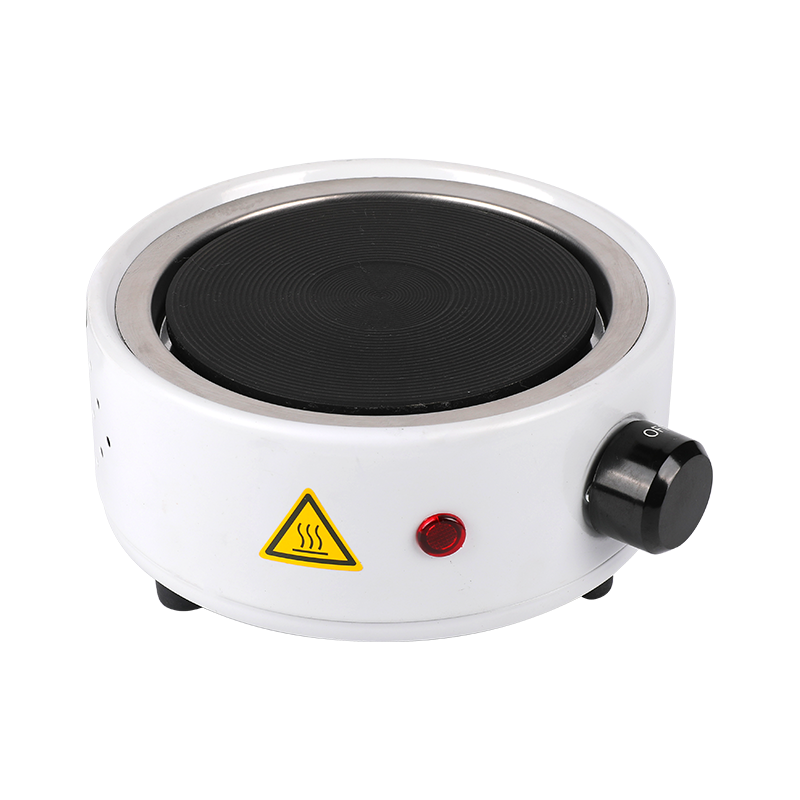
In the realm of culinary innovation, our company stands at the forefront with its cutting-edge single hot plate, engineered to embody the trifecta of ...
See Details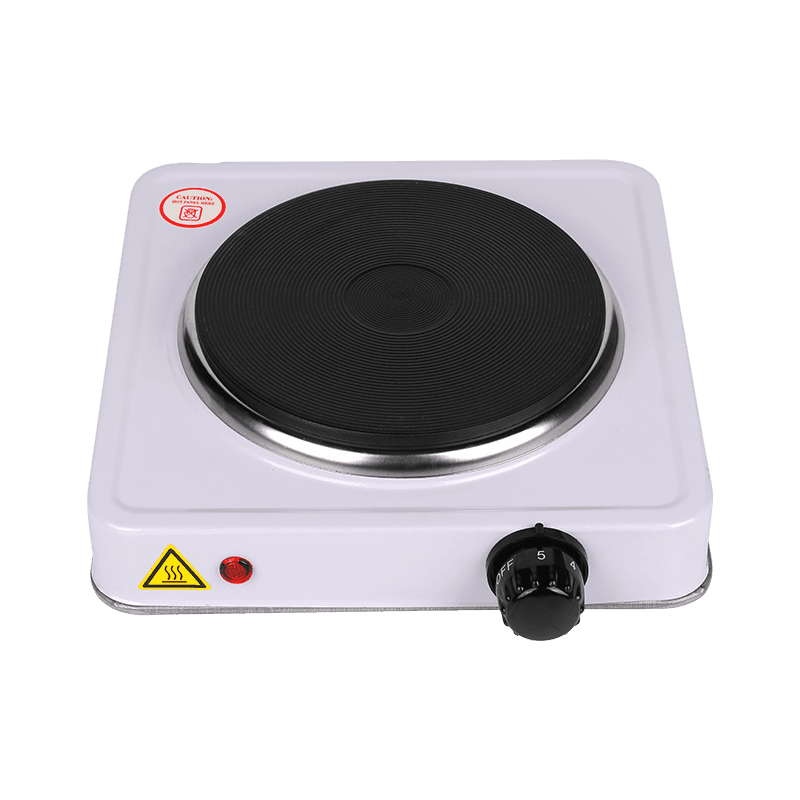
In the realm of culinary convenience, our company proudly presents our latest innovation: the multi-functional, innovative, and portable single hot pl...
See Details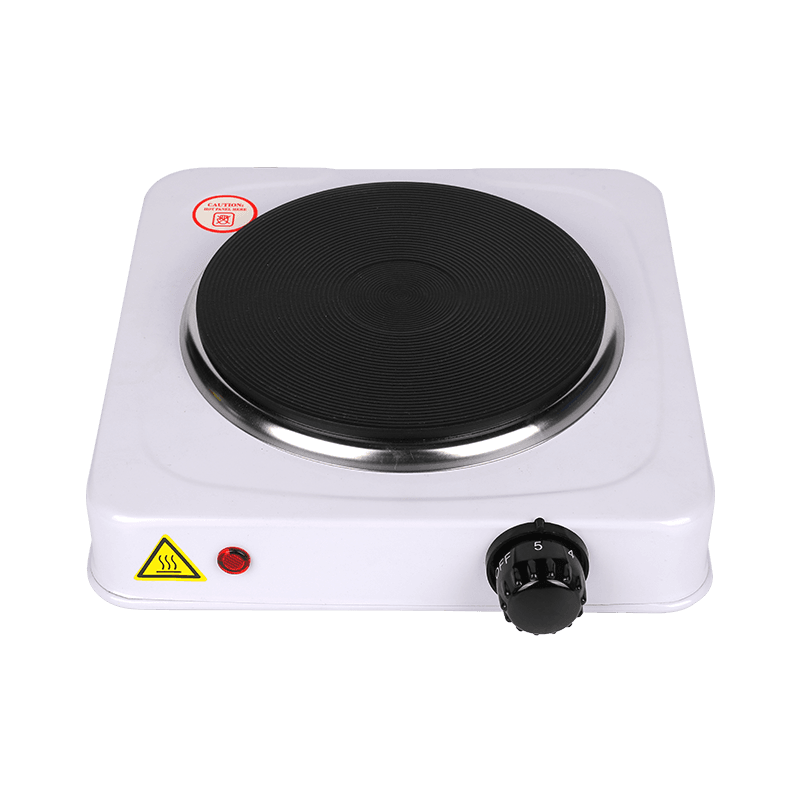
Introducing our flagship product, the High-Quality Durable Commercial Single Hot Plate – a game-changer in the world of culinary appliances. Have you ...
See Details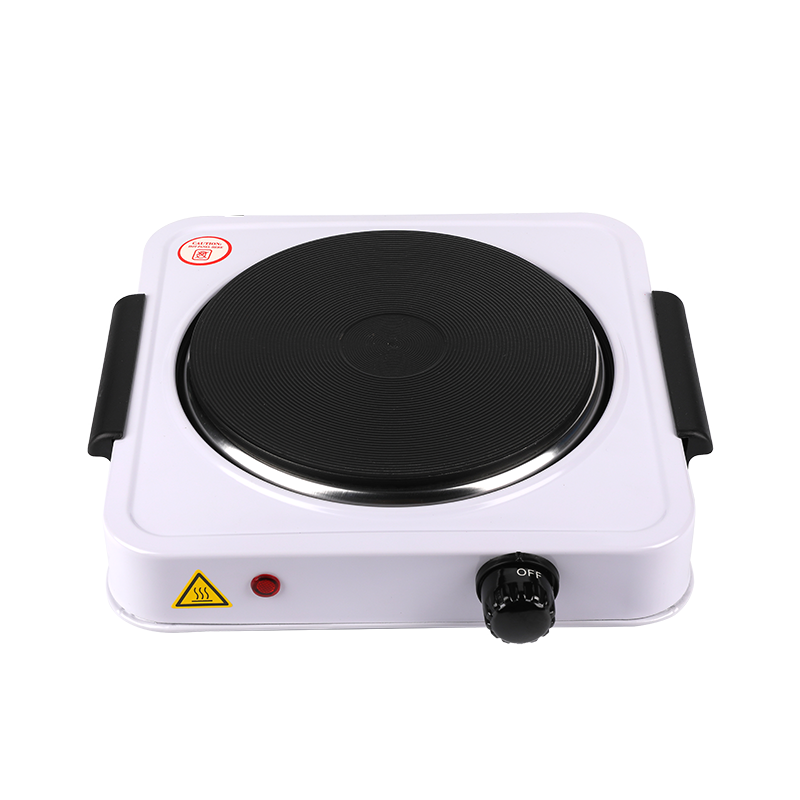
Introducing our Lightweight Energy-Saving Household Single Hot Plate – the solution for busy households seeking convenience, efficiency, and peace of ...
See Details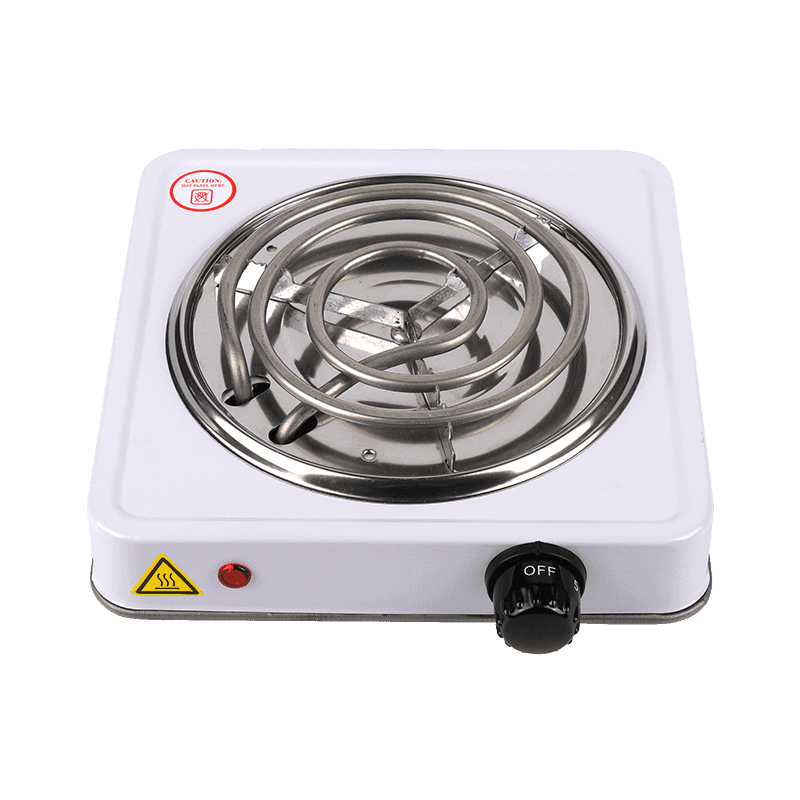
In the realm of modern kitchen appliances, innovation and technology have revolutionized the way we cook and prepare meals. Keeping pace with this evo...
See Details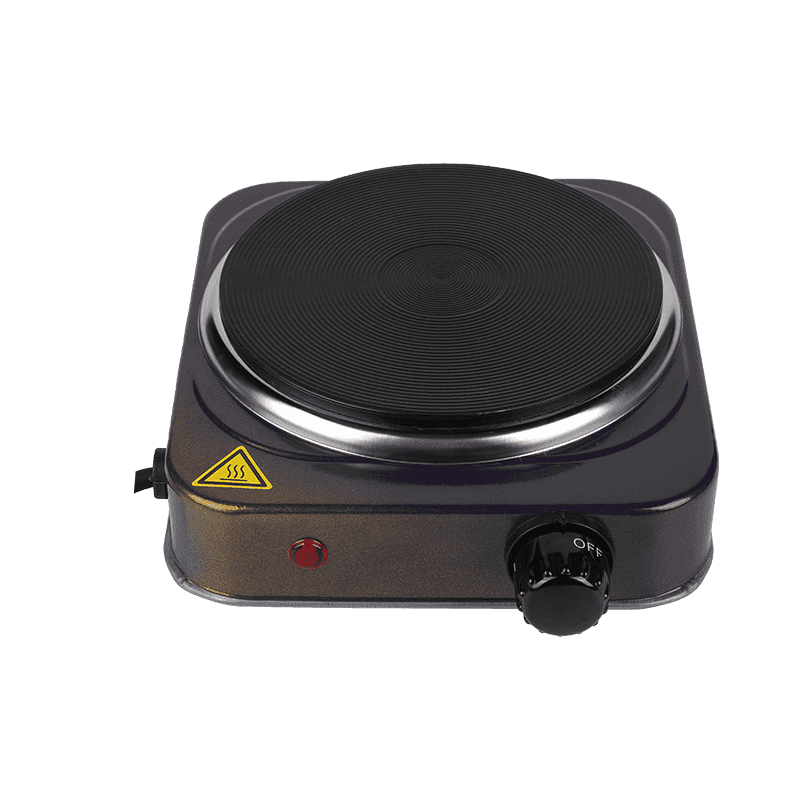
In the modern kitchen, safety, health, and environmental consciousness are of importance. That's why we're proud to introduce the Safe, Healthy, Envir...
See Details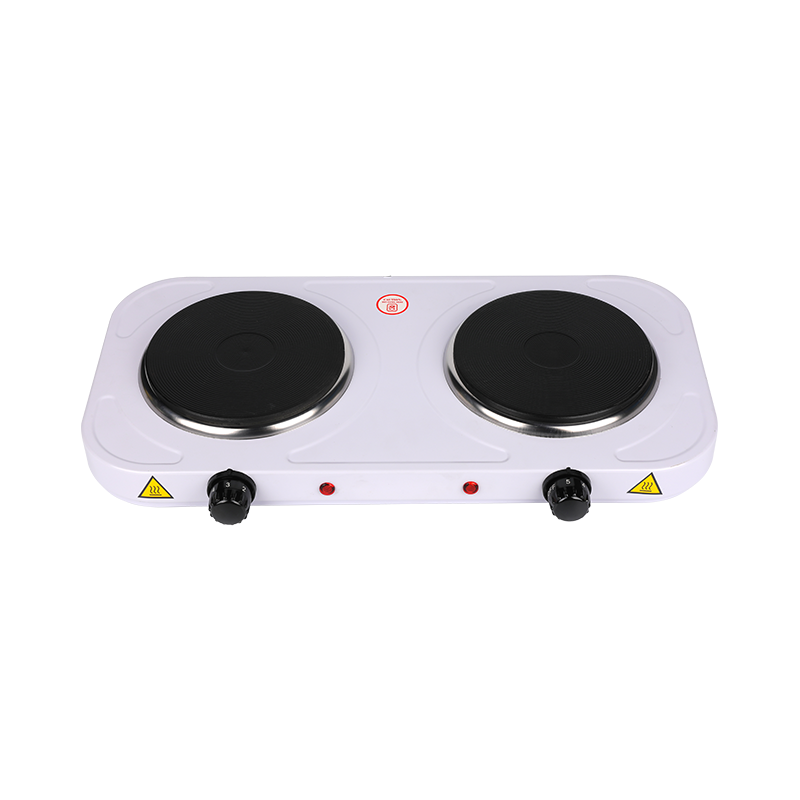
In the realm of modern cooking appliances, versatility, practicality, and intelligence are paramount. Meet the Multi-Functional Practical Intelligent ...
See Details
Welcome to the future of laundry care, where innovation meets convenience! As manufacturers of the Smart Folding Wing Drying Rack, we are thrilled to ...
See Details
Are you tired of traditional laundry drying methods that are cumbersome, inefficient, and take up valuable space? Say hello to our game-changing Multi...
See Details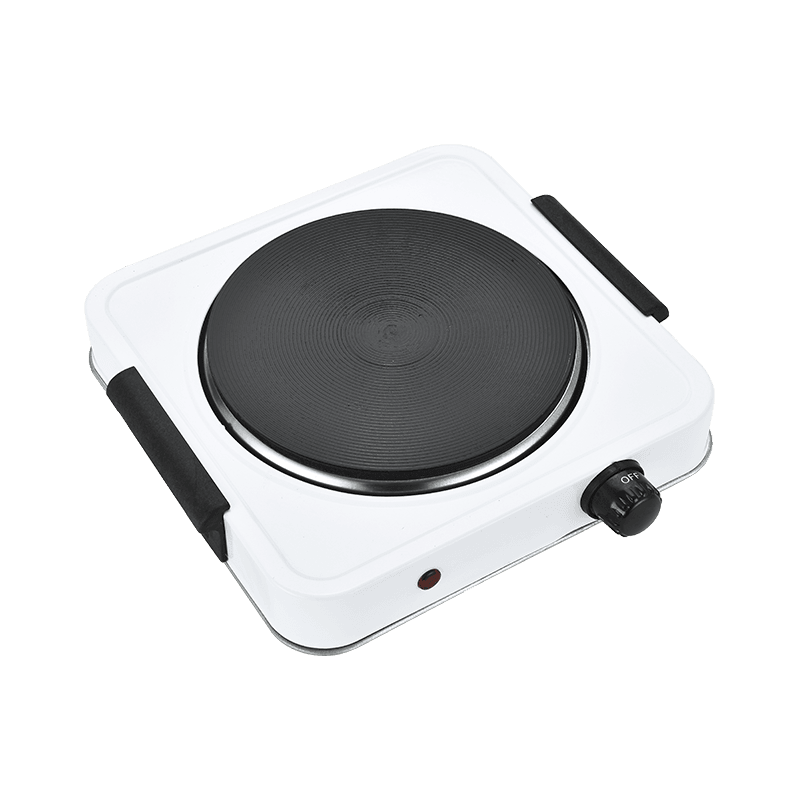
As a manufacturer of the Exquisite Practical Multi-functional Single Hot Plate, we deeply understand the needs and preferences of our customers. Let's...
See Details
Zhejiang Huaang Electrical Appliance Co., Ltd. is a manufacturer specializing in the production of kitchen appliances. It was established in 2009
Tel: +86-0579-84666999
Phone: +86-18058924218
E-Mail: ceo@hualunte.com
Copyright © Zhejiang Warranty Electric Appliance Co., Ltd. All Rights Reserved.
Smart Outdoor Kitchen Appliances Factory
