
 English
 русский
 Español
Portable lightweight outdoor single hot plate
Cat:Single Hot Plate
Introducing our revolutionary Portable Lightweight Outdoor Single Hot Plate – the ultimate cooking companion for outdoor enthusiasts, adventurers, and...
See Details

Phone: +86-0579-84666999

E-mail: ceo@hualunte.com

Tel: +86-18058924218


When considering a new cooking appliance for your space, a hot plate often presents a convenient and compact solution. It offers flexibility for various living situations, from apartments with limited kitchen facilities to supplemental cooking surfaces. However, the choice involves understanding key aspects like power requirements, inherent safety features, and the scenarios where it functions well. It is also useful to recognize how a traditional appliance like a kerosene stove compares, particularly when evaluating needs for standard indoor use versus unique circumstances.
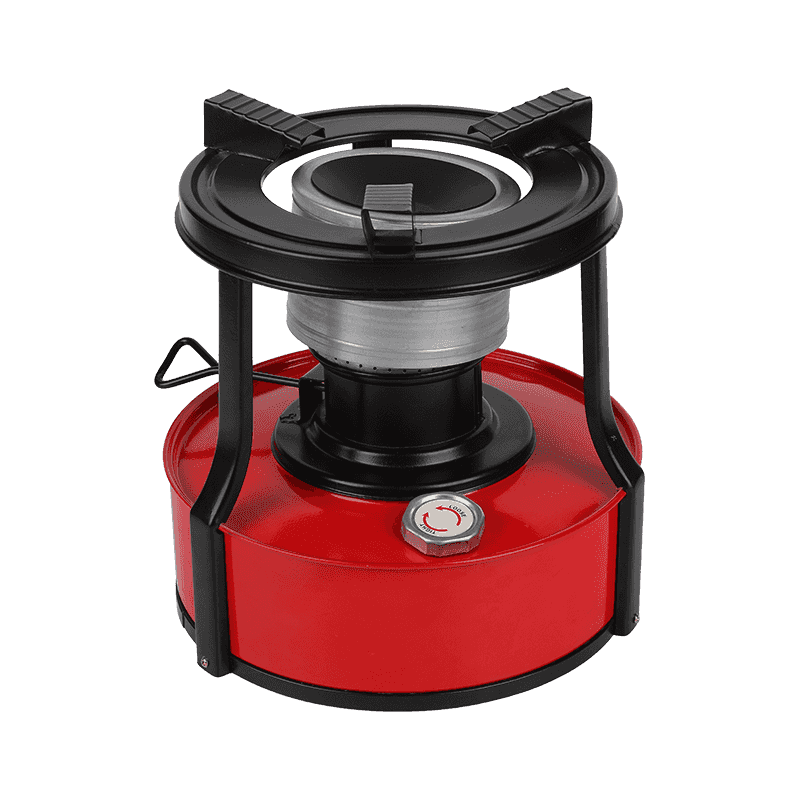
A primary consideration for a hot plate is its power draw and compatibility with your home’s electrical system. Models differ in their energy consumption and the type of current they use. It is necessary to ensure your kitchen outlet and circuit can handle the appliance’s needs to avoid overloading. Modern hot plates incorporate several safety designs aimed at preventing hazards. These can include automatic shut-off timers and sensors that cut power if the unit overheats, contributing to safer operation in an indoor environment. This built-in safety approach differs from fuel-based appliances, such as a kerosene stove, which requires active user management of flame and ventilation to mitigate risks.
The hot plate finds its strength in specific, everyday scenarios. For renters or those living in smaller apartments, it serves as a primary or supplementary cooking surface without requiring permanent installation. In dormitory settings, its enclosed heating element and stable platform are often preferred over open-flame alternatives. For quick tasks like boiling water, simmering sauces, or keeping food warm during gatherings, a hot plate provides straightforward functionality. These common indoor uses highlight its role as a dedicated electrical appliance designed for convenience and controlled cooking.
While a hot plate is suited for regular indoor use, there are conditions where its functionality is limited. In situations with a prolonged loss of electrical power, an appliance requiring an outlet becomes inoperative. It is in these specific scenarios that some individuals might consider alternatives like a kerosene stove. A kerosene stove operates independently of the electrical grid, using liquid fuel to produce a flame for cooking or heating. Its utility is often linked to outdoor activities, emergency preparedness kits, or locations without reliable electricity. The comparison underscores a fundamental distinction: a hot plate is an appliance for daily convenience within a powered home, whereas a kerosene stove is often reserved as a contingency tool for when conventional power is unavailable.
Selecting between these appliances hinges on accurately assessing your primary needs. For routine cooking in a home, dorm, or office with reliable electricity, a hot plate offers a practical and safer option with minimal setup. Its operation is contained, and it does not produce combustion byproducts indoors. If your concern centers on maintaining cooking capability during power interruptions, then understanding the operation and safety requirements of a kerosene stove becomes relevant. This does not make one appliance a replacement for the other; rather, they address different sets of requirements. A thoughtful selection involves matching the appliance’s characteristics—like the hot plate’s need for electricity and built-in safety features—with your most frequent use cases and environment.
Choosing a cooking appliance involves weighing practical factors. A hot plate stands out as a functional choice for everyday indoor use, characterized by its electrical operation and integrated safety mechanisms. Its value is clear in providing a simple cooking surface where installation of a full-sized stove is not feasible. For scenarios extending beyond the typical powered indoor environment, such as extended off-grid situations, alternatives, including the kerosene stove, are examined by some users. Ultimately, identifying whether your needs align with daily convenience or specific contingency planning guides a suitable and satisfactory choice.
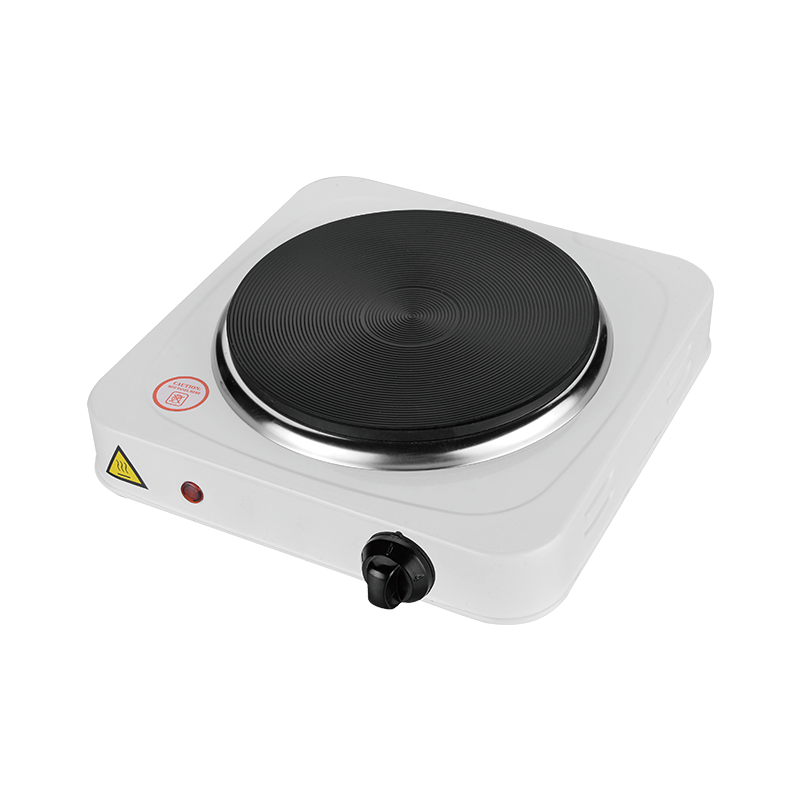
Introducing our revolutionary Portable Lightweight Outdoor Single Hot Plate – the ultimate cooking companion for outdoor enthusiasts, adventurers, and...
See Details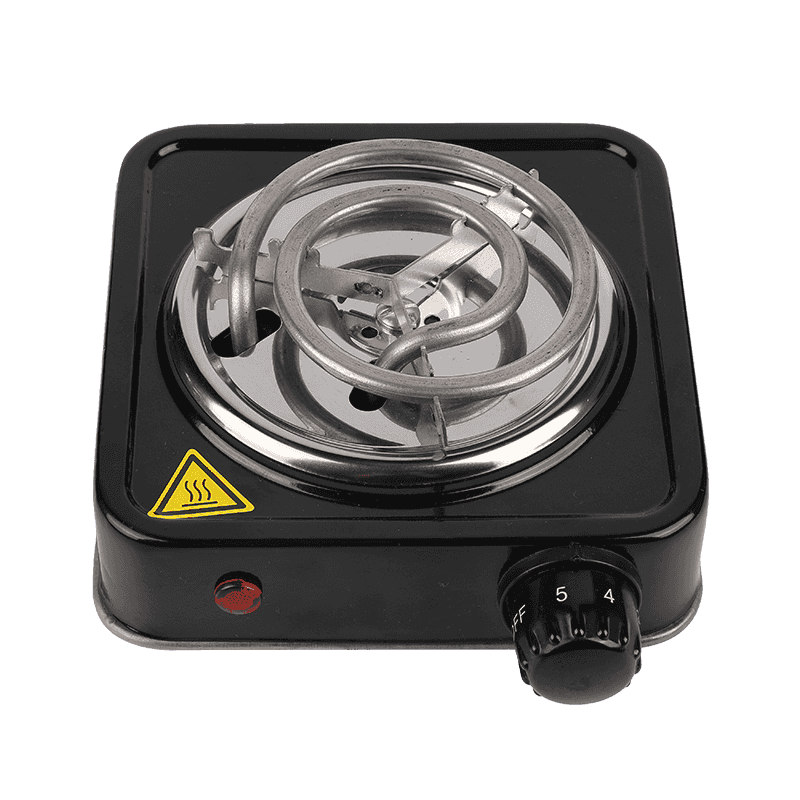
In today's fast-paced world, where space is at a premium, finding efficient and convenient solutions for small kitchens and limited spaces is essentia...
See Details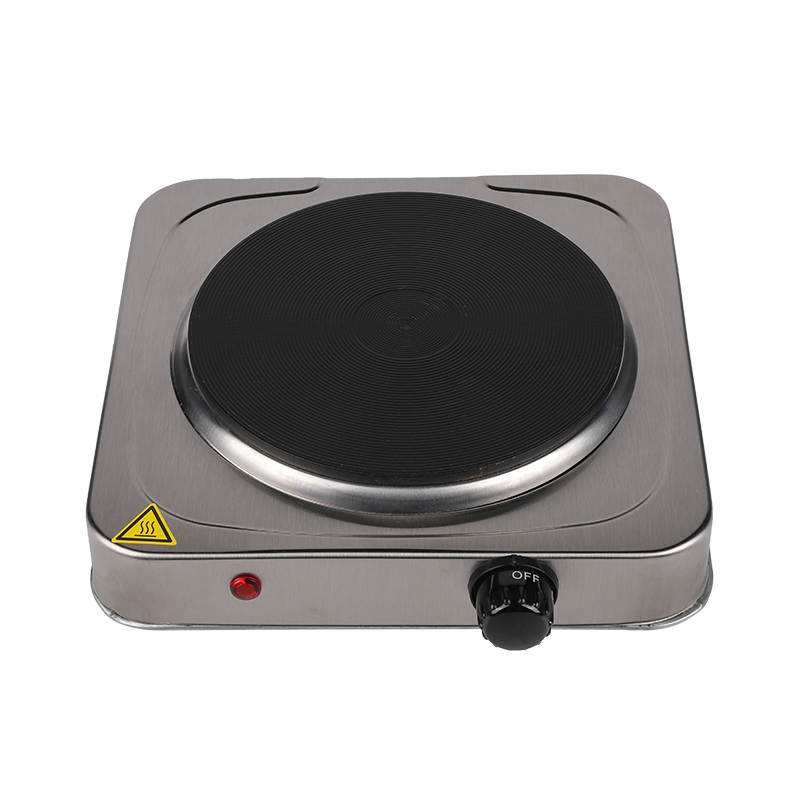
In the heart of every home, the kitchen stands as a hub of culinary creativity and family gatherings. But in today's fast-paced world, convenience and...
See Details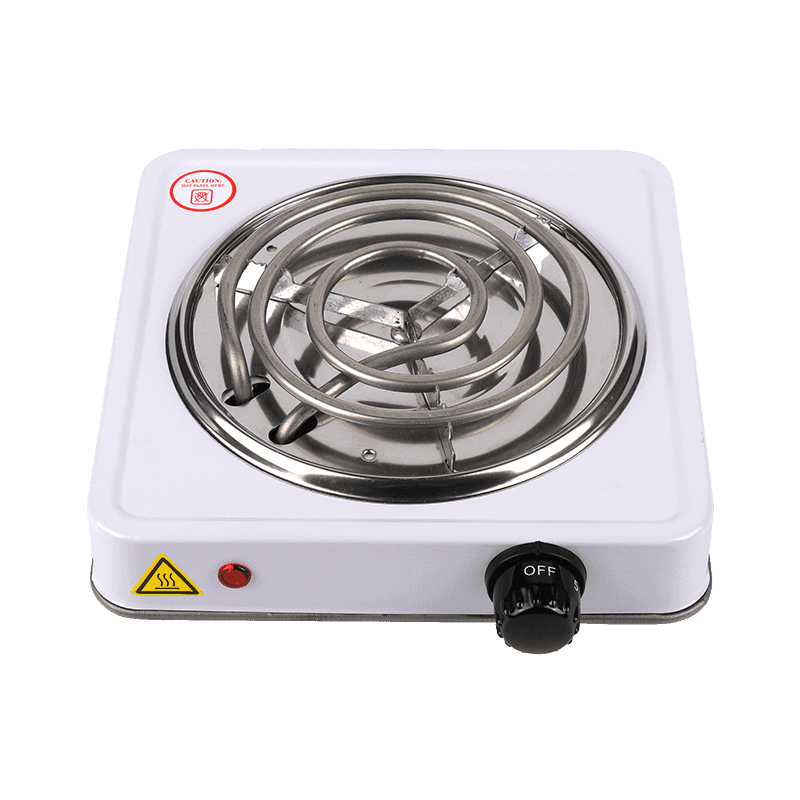
In the realm of modern kitchen appliances, innovation and technology have revolutionized the way we cook and prepare meals. Keeping pace with this evo...
See Details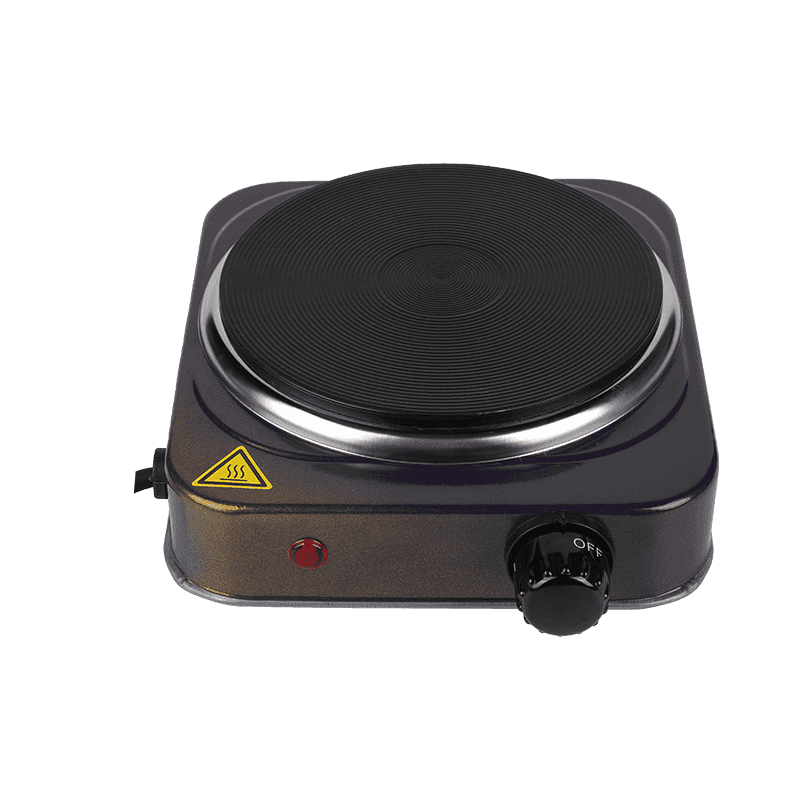
In the modern kitchen, safety, health, and environmental consciousness are of importance. That's why we're proud to introduce the Safe, Healthy, Envir...
See Details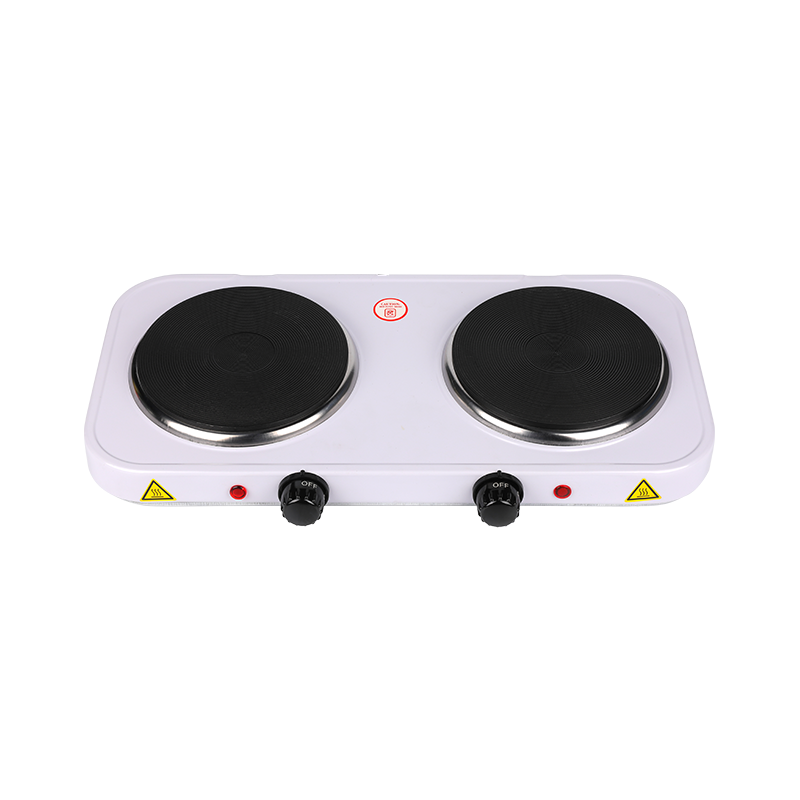
In the realm of modern kitchen appliances, versatility, efficiency, and convenience reign. Enter the Intelligent, Energy-Saving, Multi-Functional Doub...
See Details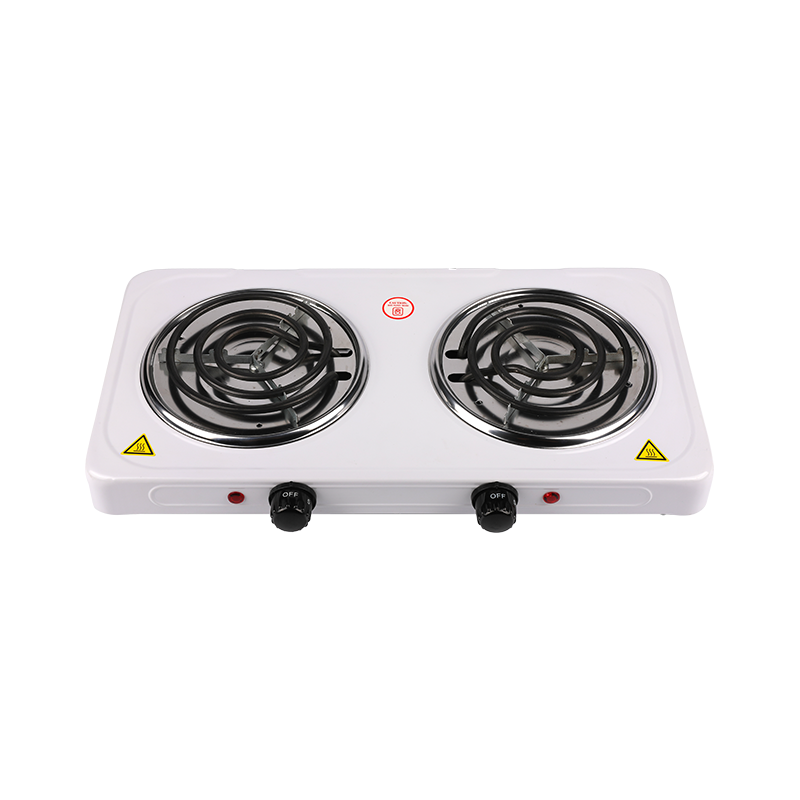
In the realm of home cooking, safety and reliability are paramount concerns for every household. With the Safe and Reliable Household Double Hot Plate...
See Details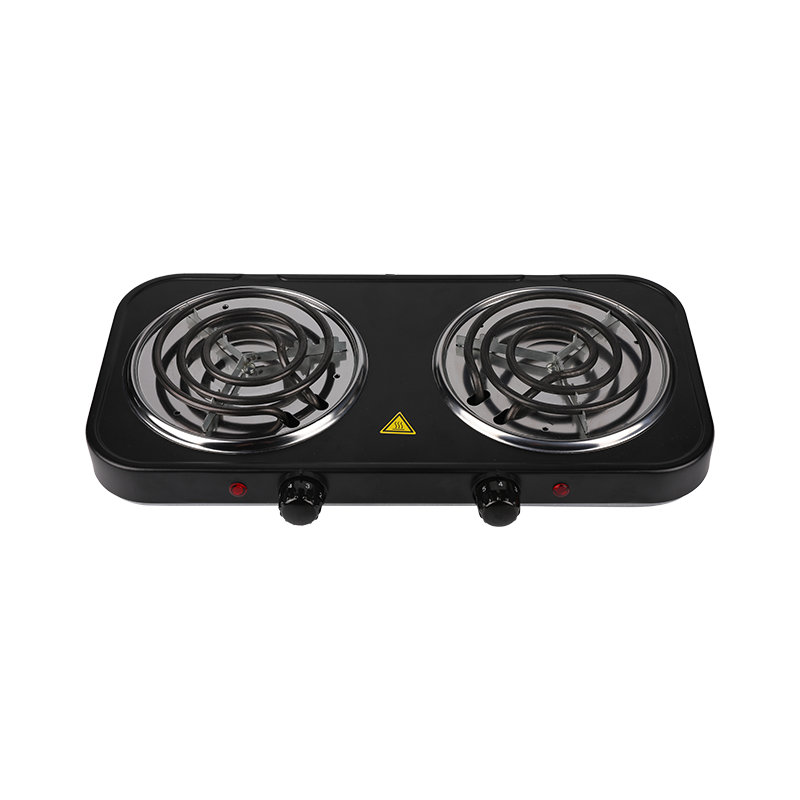
In the fast-paced environment of commercial kitchens and food service establishments, efficiency is paramount. That's where the Efficient Time-Saving ...
See Details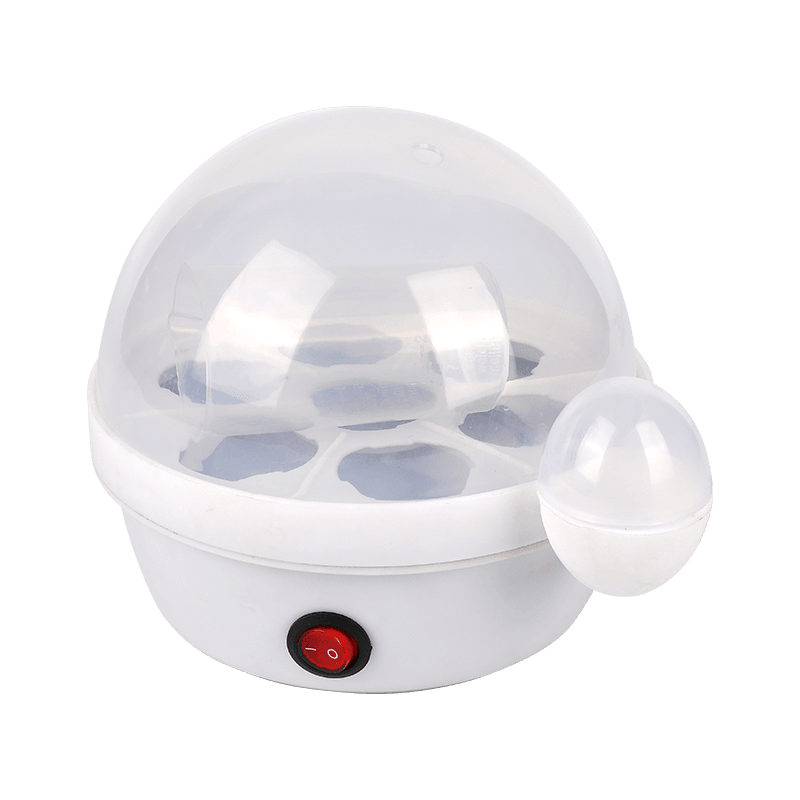
Introducing our Multi-functional Convenient Egg Boiler Expert – the ultimate kitchen tool for effortlessly preparing cooked eggs with precision and sp...
See Details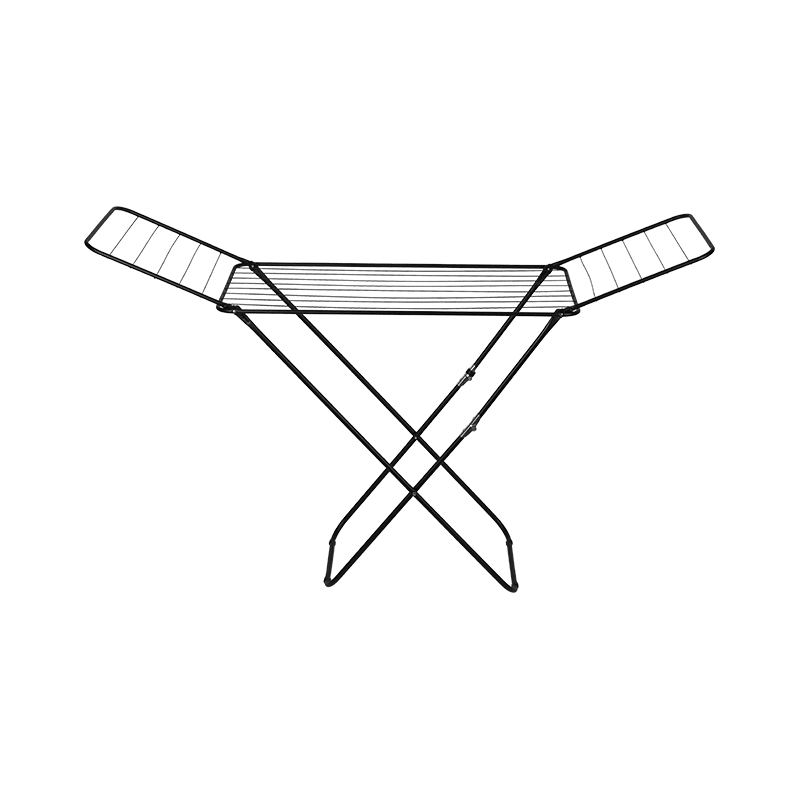
Welcome to the future of laundry care, where innovation meets convenience! As manufacturers of the Smart Folding Wing Drying Rack, we are thrilled to ...
See Details
Zhejiang Huaang Electrical Appliance Co., Ltd. is a manufacturer specializing in the production of kitchen appliances. It was established in 2009
Tel: +86-0579-84666999
Phone: +86-18058924218
E-Mail: ceo@hualunte.com
Copyright © Zhejiang Warranty Electric Appliance Co., Ltd. All Rights Reserved.
Smart Outdoor Kitchen Appliances Factory
