
 English
 русский
 Español
High-quality durable commercial single hot plate
Cat:Single Hot Plate
Introducing our flagship product, the High-Quality Durable Commercial Single Hot Plate – a game-changer in the world of culinary appliances. Have you ...
See Details

Phone: +86-0579-84666999

E-mail: ceo@hualunte.com

Tel: +86-18058924218


For households that rely on indoor or outdoor air drying, keeping the Wing Drying Rack stable is essential for safety and convenience. A wobbly rack can cause garments to fall, disrupt airflow, or even tip over when unevenly loaded. Understanding what affects balance and how to improve stability helps ensure a smoother laundry experience.
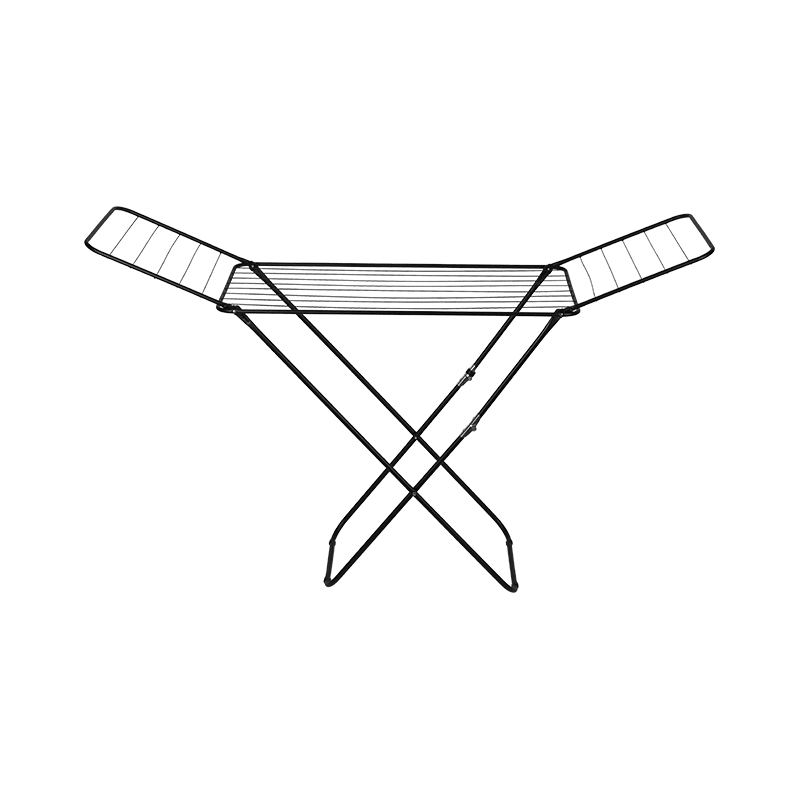
Several factors contribute to instability:
Uneven Load Distribution: When damp garments cluster on one side, the rack may tilt or shift.
Uneven Floor Surfaces: Older floors, tiled surfaces, or spaces with slight slopes may lead to imbalance.
Loose Joints or Hinges: Over time, frequent folding and unfolding can loosen connection points.
Lightweight Materials: Some lightweight structures may shift if exposed to sudden movement or gusts of wind outdoors.
Incorrect Wing Angle: If one wing is opened wider than the other, the uneven stance can affect balance.
Wider Base--A broad base distributes weight more evenly and reduces the likelihood of tipping.
Non-Slip Foot Pads--Rubberized or textured feet prevent the rack from sliding on smooth floors such as tile or hardwood.
Cross-Support Bars--Additional support bars between legs create a more rigid structure that resists bending or twisting.
Lockable Components--Simple locking mechanisms near hinge points help maintain the proper shape once the rack is fully opened.
Reinforced Frame Design--Sturdy bars and durable connectors enhance resistance to wobbling when fully loaded.
Users can adopt several techniques to maintain a steady rack:
Place heavier items such as thick towels or bedding near the center. Spread garments evenly across both wings to prevent tilting.
Position the rack on the flattest part of the room. If necessary, place a thin mat or rug underneath to improve friction and reduce movement.
If hinges or screws loosen over time, tightening them helps restore structural strength.
Ensure both wings are opened to similar angles to maintain symmetry.
A non-slip mat under the rack is useful on surfaces that are smooth or slightly uneven.
When using the rack outdoors, wind and uneven ground require additional precautions. Placing weighted objects such as bags or small containers near the base can provide extra support. Avoid using the rack during very windy conditions to prevent sudden tipping. Positioning the rack near a wall can also block airflow and improve stability.
Consider replacing the rack if:
The frame is bent, the hinges no longer tighten, and the Bars show structural fatigue. The legs no longer rest evenly on the ground
A wobbly wing-drying rack is not inevitable. In many situations, stability can be greatly improved through careful setup, mindful loading, and simple household adjustments. By understanding the mechanics of instability, you can take practical steps to ensure your rack remains a solid, reliable platform for all your air-drying needs.
A stable wing rack enhances laundry safety, increases drying efficiency, and reduces interruptions. By understanding the factors that influence balance and applying small adjustments, users can enjoy a smoother and more dependable drying experience. Stability contributes significantly to the practicality of wing racks, making them a valuable component of everyday home organization.
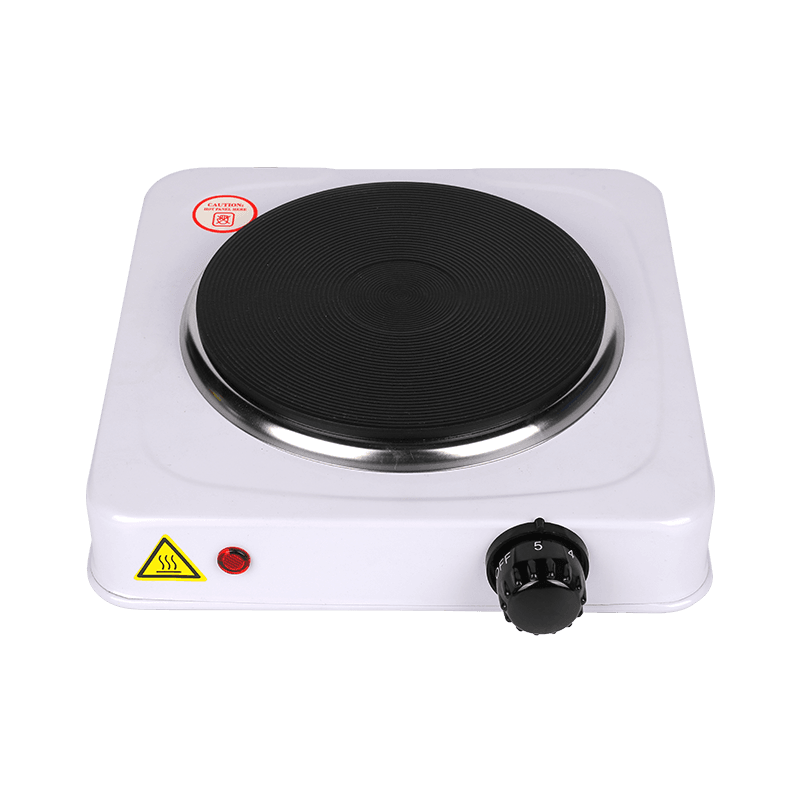
Introducing our flagship product, the High-Quality Durable Commercial Single Hot Plate – a game-changer in the world of culinary appliances. Have you ...
See Details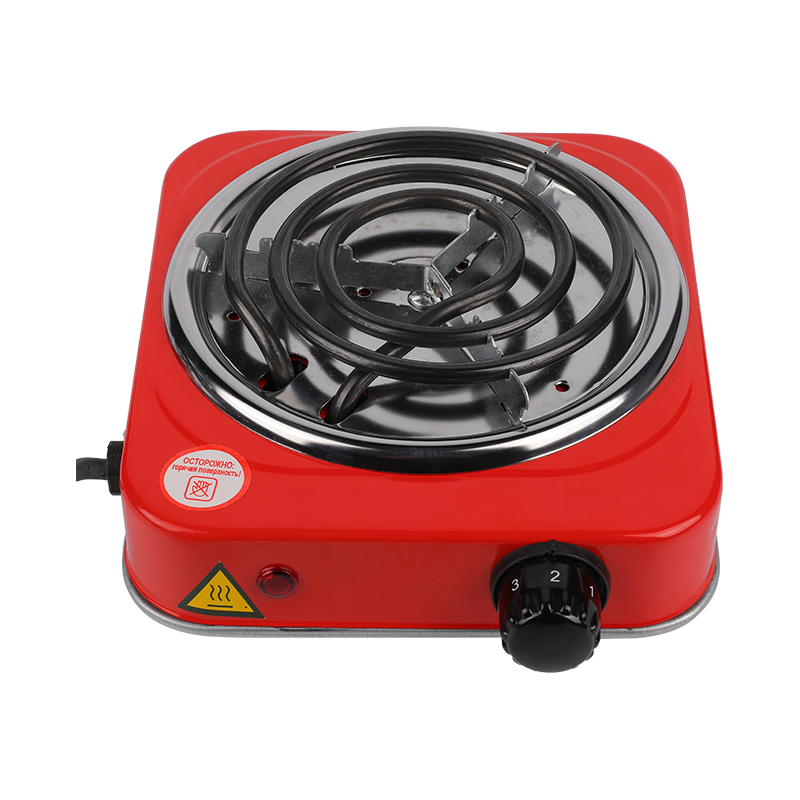
Introducing our Professional Quality Commercial Single Hot Plate – the ultimate solution for all your cooking needs in commercial settings. As a manuf...
See Details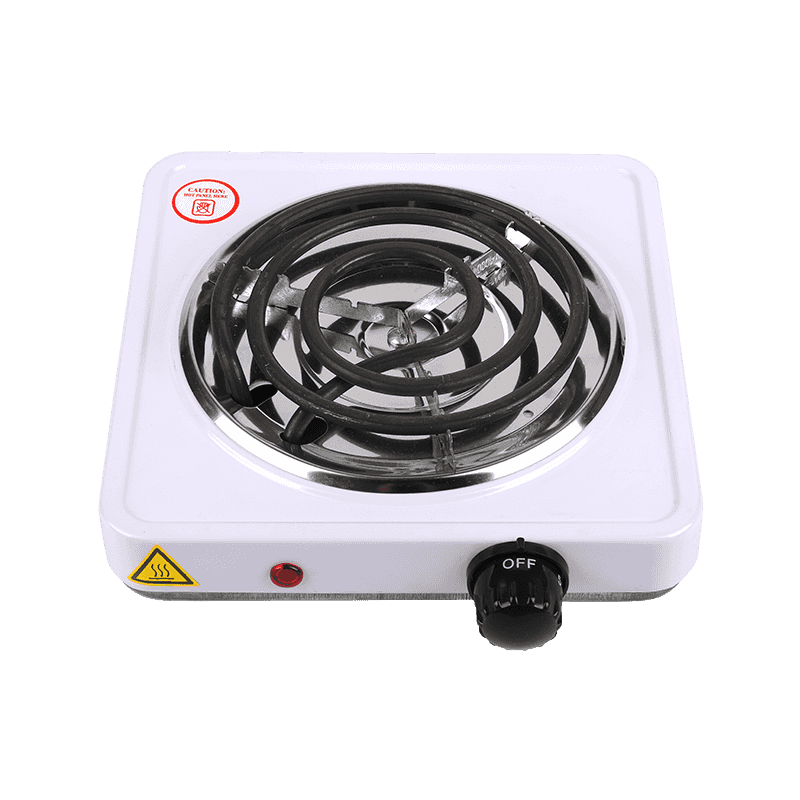
The Multi-functional healthy household single hot plate is an essential kitchen appliance designed for modern homes. This compact yet versatile device...
See Details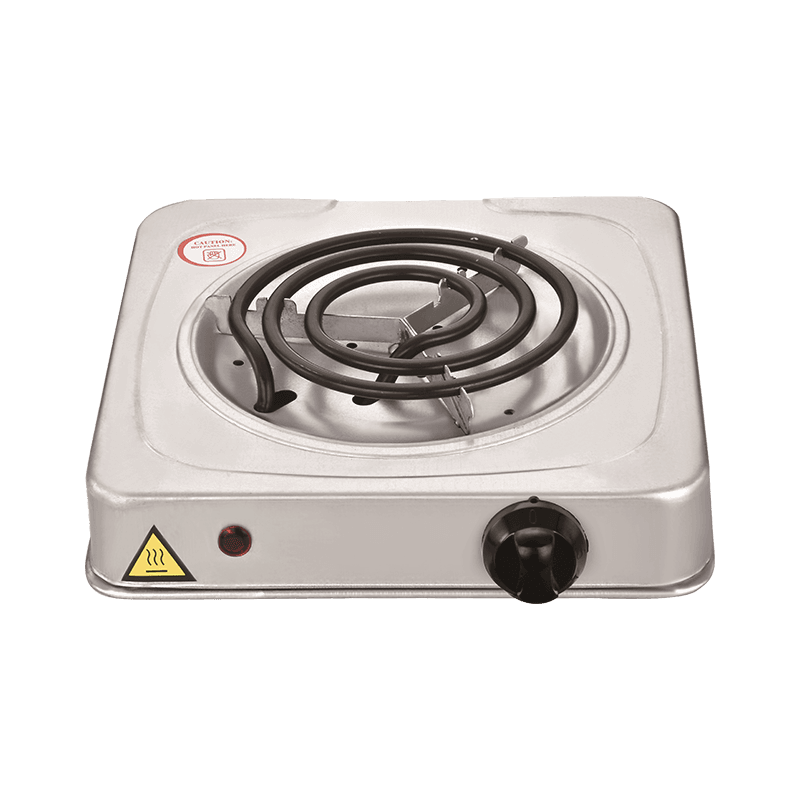
Introducing our Premium Environmentally Friendly Household Single Hot Plate – an addition to any home kitchen seeking both quality performance and eco...
See Details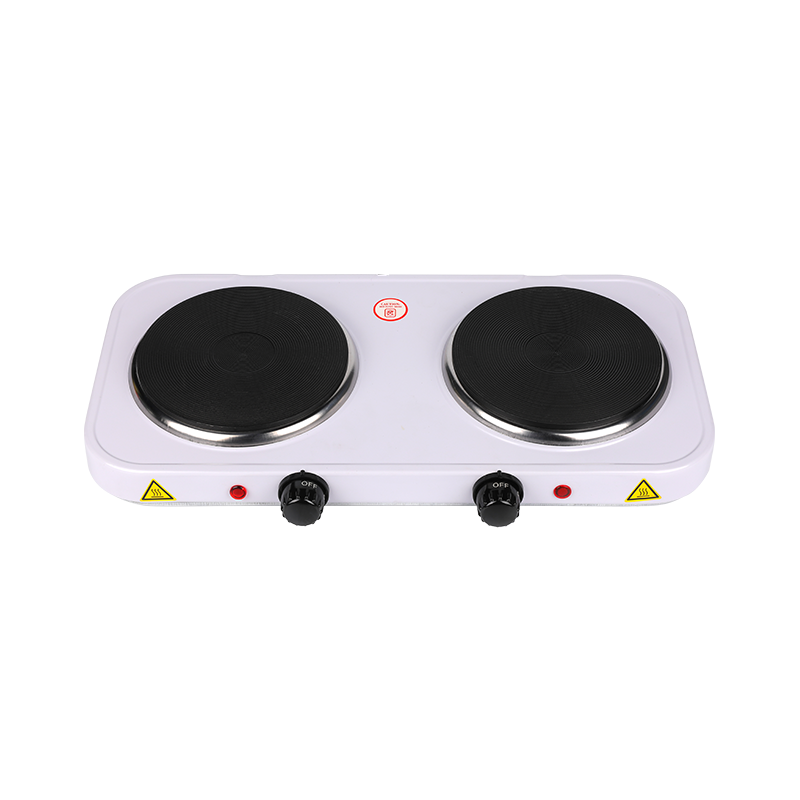
In the realm of modern kitchen appliances, versatility, efficiency, and convenience reign. Enter the Intelligent, Energy-Saving, Multi-Functional Doub...
See Details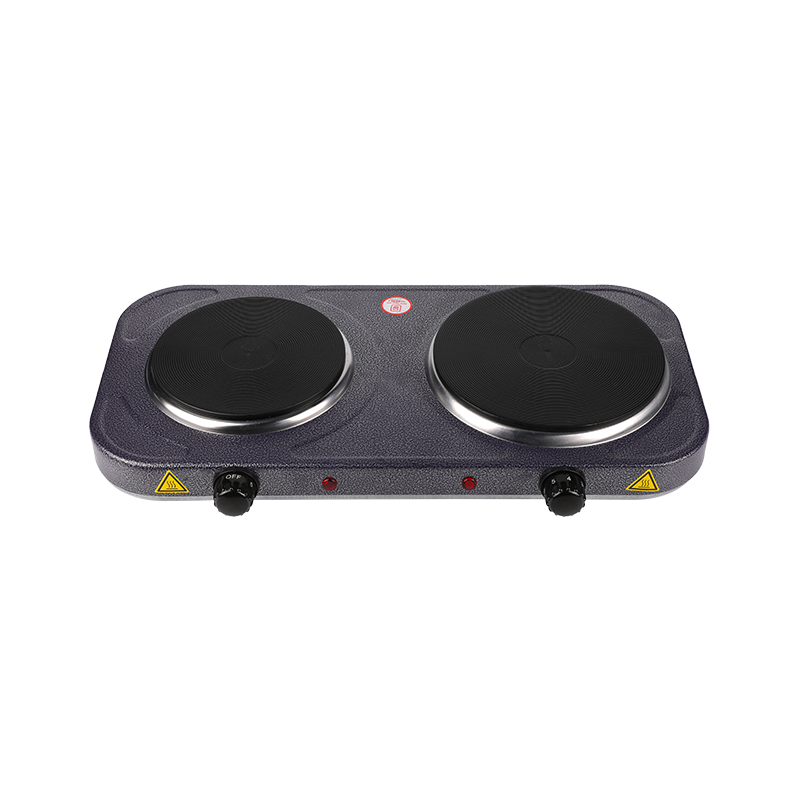
In today's environmentally conscious world, sustainability, energy efficiency, and health-conscious cooking are becoming increasingly important factor...
See Details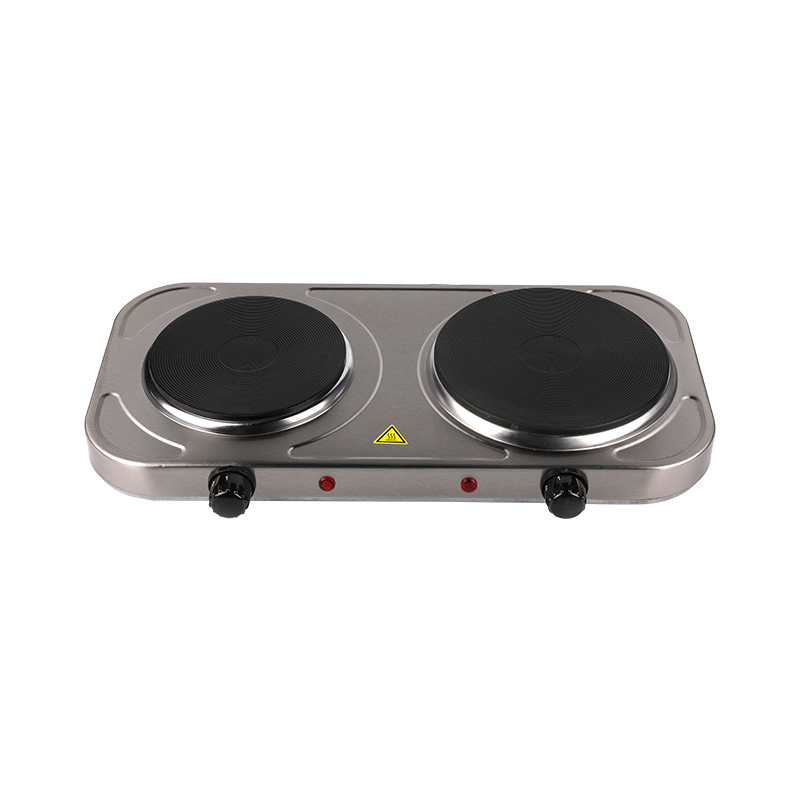
In today's fast-paced world, maintaining a healthy diet often takes a back seat to convenience. However, with the advent of the Healthy Cooking Intell...
See Details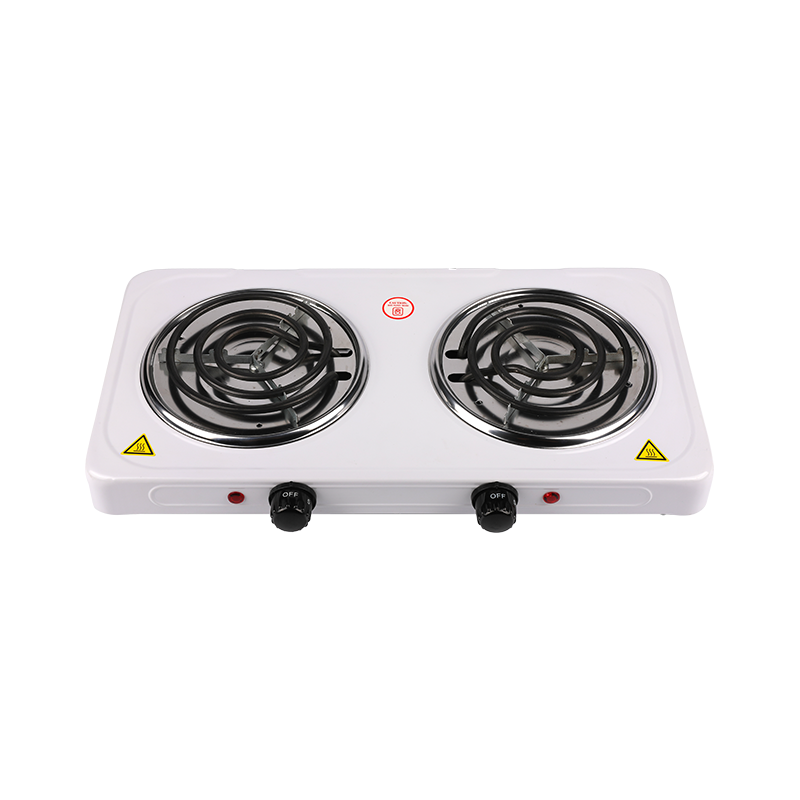
In the realm of home cooking, safety and reliability are paramount concerns for every household. With the Safe and Reliable Household Double Hot Plate...
See Details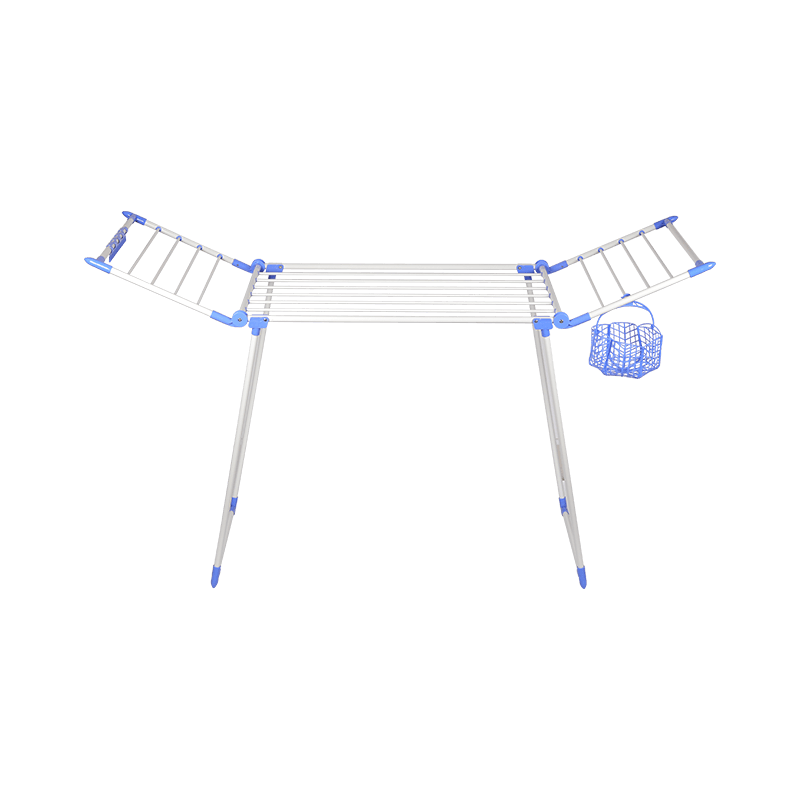
Welcome to the pinnacle of laundry elegance and practicality! As manufacturers of the Comfortable and Stylish Wing Drying Rack, we take pride in prese...
See Details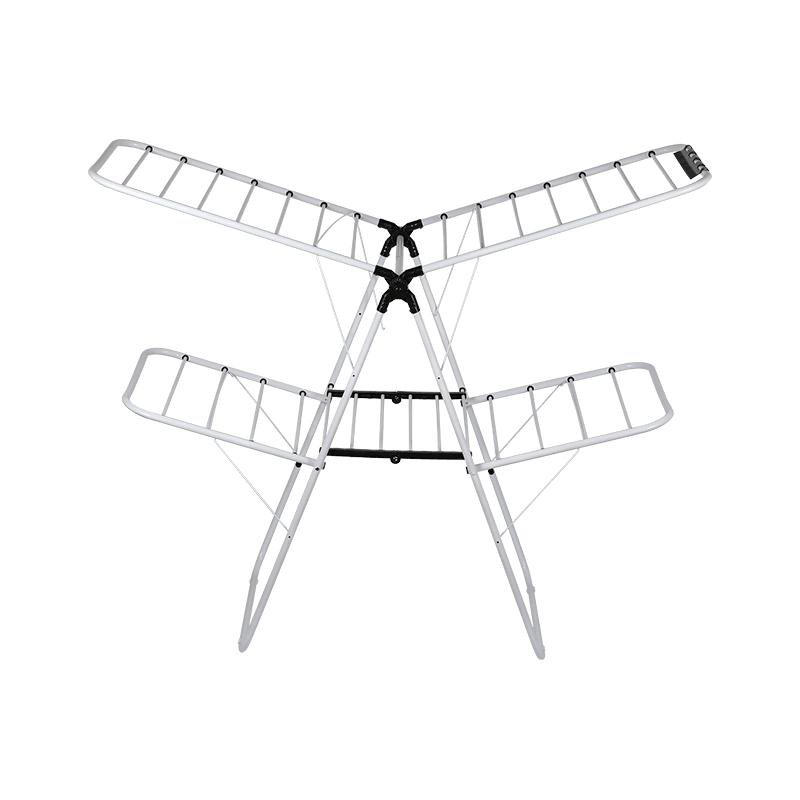
Are you tired of traditional laundry drying methods that are cumbersome, inefficient, and take up valuable space? Say hello to our game-changing Multi...
See Details
Zhejiang Huaang Electrical Appliance Co., Ltd. is a manufacturer specializing in the production of kitchen appliances. It was established in 2009
Tel: +86-0579-84666999
Phone: +86-18058924218
E-Mail: ceo@hualunte.com
Copyright © Zhejiang Warranty Electric Appliance Co., Ltd. All Rights Reserved.
Smart Outdoor Kitchen Appliances Factory
