
 English
 русский
 Español
Multi-functional innovative portable single hot plate
Cat:Single Hot Plate
In the realm of culinary convenience, our company proudly presents our latest innovation: the multi-functional, innovative, and portable single hot pl...
See Details

Phone: +86-0579-84666999

E-mail: ceo@hualunte.com

Tel: +86-18058924218


Selecting a Wing Drying Rack today involves more than simply checking the size. These racks play an important role in helping households dry garments efficiently without permanent installations. With numerous designs available, understanding the key factors that influence daily use can help shoppers make informed decisions that suit their home layout, laundry volume, and personal preferences.
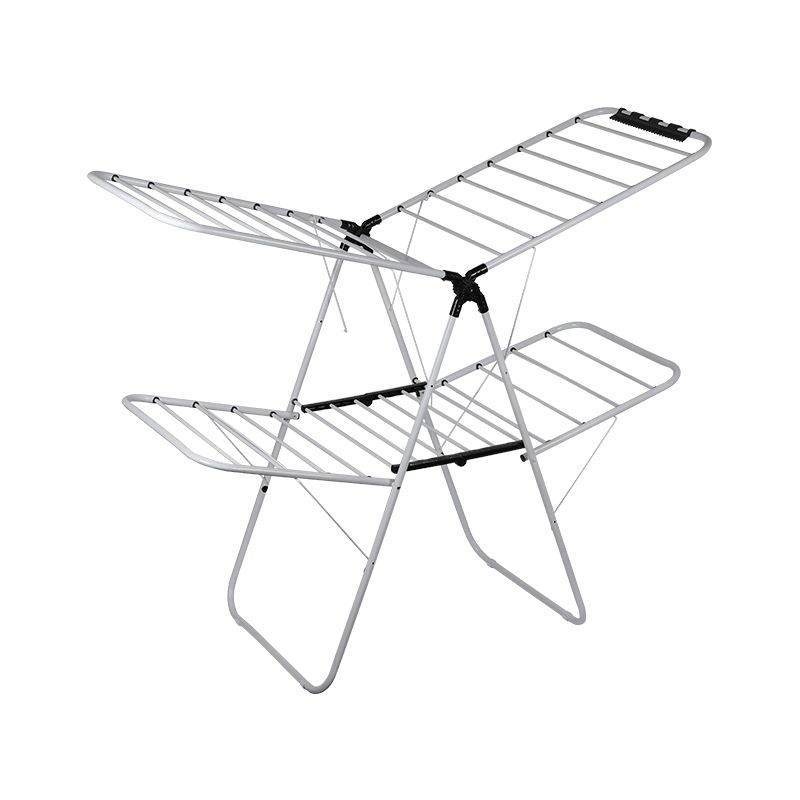
Before choosing a rack, it is helpful to consider laundry habits. Households with several members tend to require more drying space, especially if they frequently wash towels or bedding. Individuals living in compact apartments may prioritize foldability and weight. Those who often dry delicate clothing may need additional flat-drying surfaces. Clarifying these needs at the start will help narrow down suitable options.
Drying Capacity-Capacity affects how easily you can separate garments for airflow. A well-balanced rack should offer enough room for various clothing types without creating clutter.
Material Types-Wing racks come in different materials such as metal, aluminum, wood, and composite structures. Each material has unique strengths related to durability, weight, and ease of handling.
Load Support- A stable frame helps ensure the rack remains steady when holding damp laundry. Reinforced joints and wide support legs can improve reliability during daily use.
For homes with limited storage, foldability is crucial. Consider racks that collapse into slim profiles and are easy to open or close without extra force.
It is important to check both the expanded and folded dimensions. A rack that fits the laundry area may still be difficult to store if it remains bulky when folded.
Non-slip feet, crossbars, and lockable joints can contribute to better balance.
Additional features such as small-item hangers, mesh shelves, shoe-drying sections, and extra hooks increase versatility.
Compact racks that fold flat and weigh less are ideal. These allow easy storage behind furniture or inside closets.
A more spacious rack fits families who produce larger laundry loads. Multi-tier structures help organize garments by type.
Users who often wash bedding should consider racks with long arms or adjustable wing heights that can accommodate oversized pieces.
For indoor-focused households, stable feet and wider bases are beneficial for maintaining balance on smooth floors.
Outdoor users can look for materials that withstand exposure to sunlight and changing weather.
Drying racks come in different categories depending on complexity and features. Entry-level models are suitable for occasional use, while mid-range options offer stronger materials and better folding systems. Higher-end designs introduce multiple layers and specialized configurations. Understanding the expected usage frequency can help determine the right investment range.
To extend the rack’s usability:
Space out laundry to avoid strain on bars. Ensure joints are tightened periodically. Keep the rack dry before folding to maintain structural quality. Store the rack in a cool environment when not in use
Choosing a wing rack that complements your daily routine can greatly improve household efficiency. Each home has different expectations, and a well-suited rack enhances convenience while supporting a comfortable living environment. By evaluating the essential features and matching them to your needs, you can select a model that fits your space, habits, and laundry preferences.
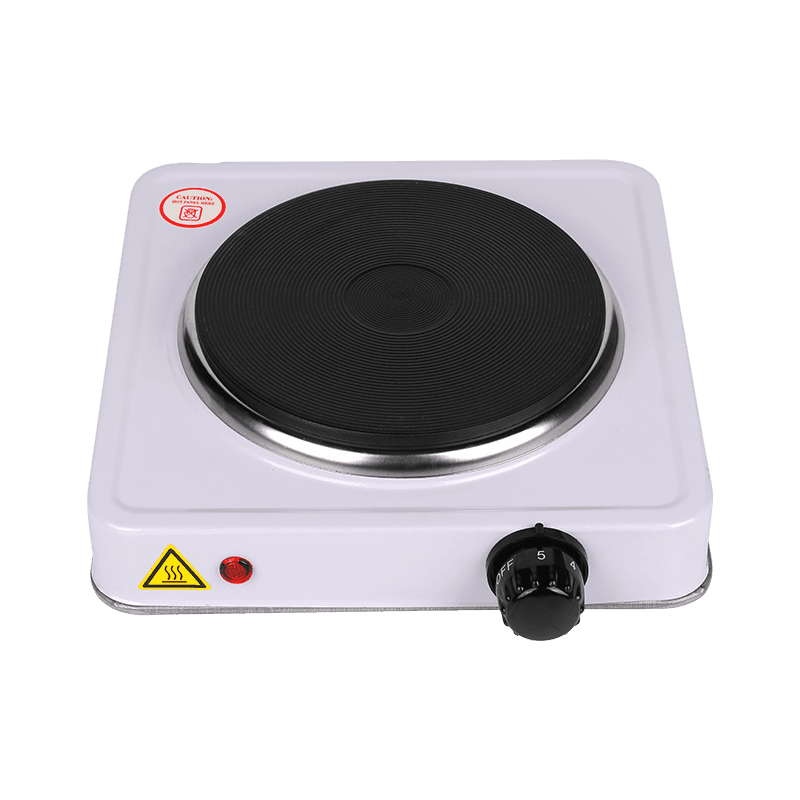
In the realm of culinary convenience, our company proudly presents our latest innovation: the multi-functional, innovative, and portable single hot pl...
See Details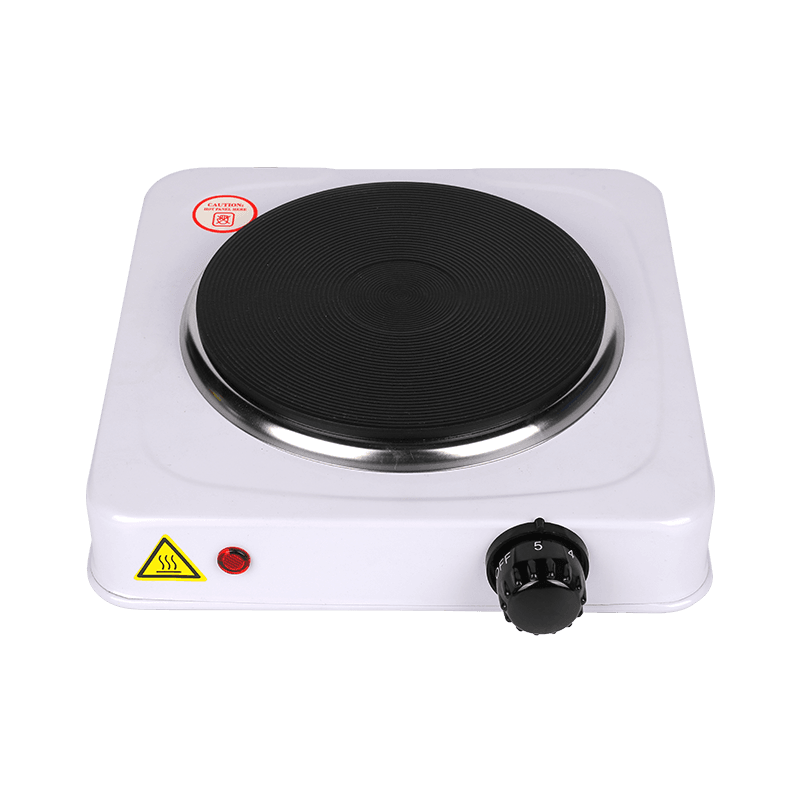
Introducing our flagship product, the High-Quality Durable Commercial Single Hot Plate – a game-changer in the world of culinary appliances. Have you ...
See Details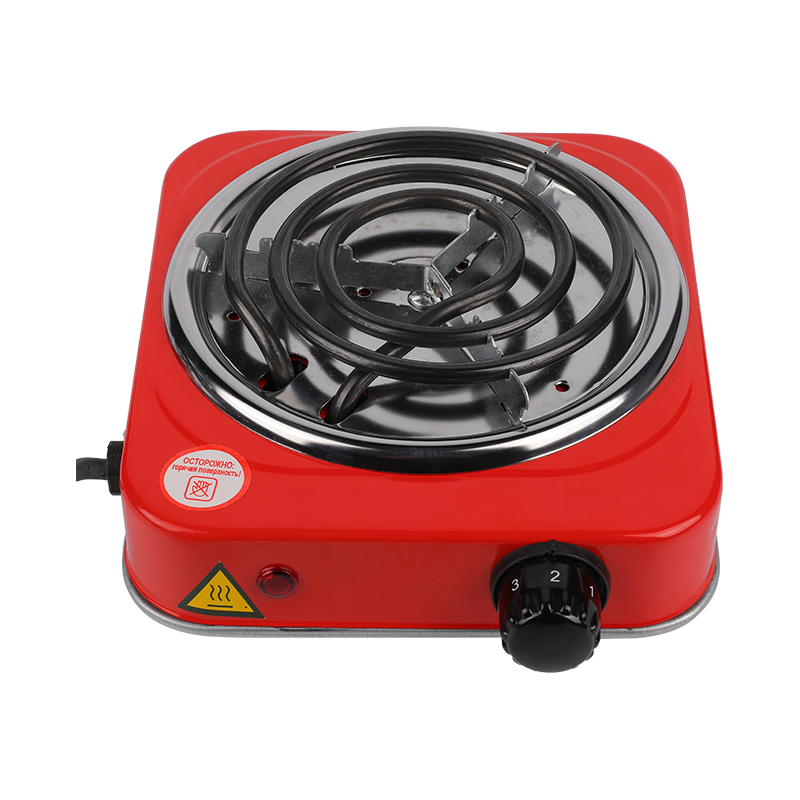
Introducing our Professional Quality Commercial Single Hot Plate – the ultimate solution for all your cooking needs in commercial settings. As a manuf...
See Details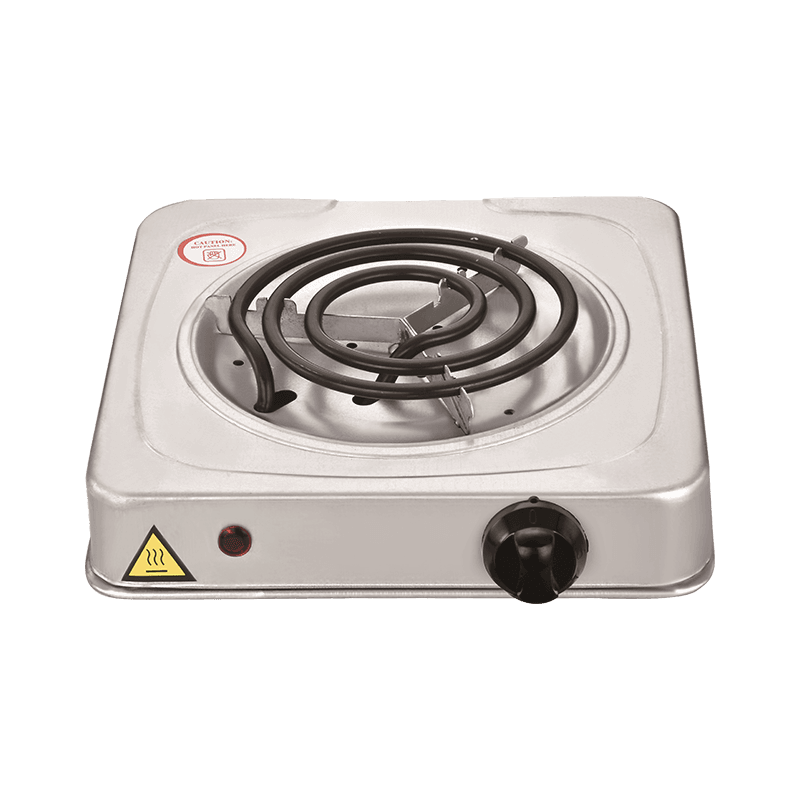
Introducing our Premium Environmentally Friendly Household Single Hot Plate – an addition to any home kitchen seeking both quality performance and eco...
See Details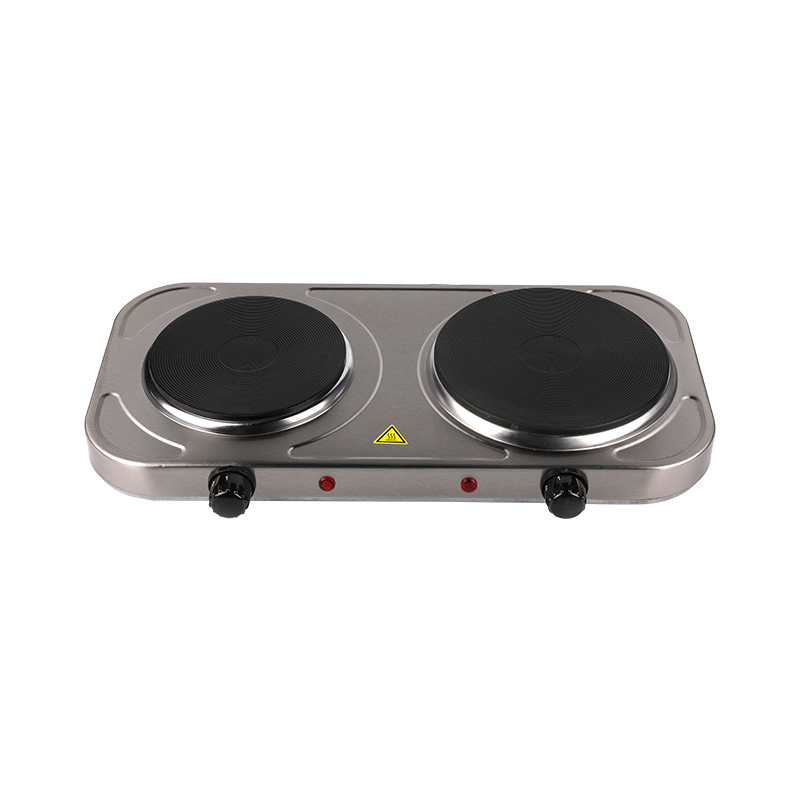
In today's fast-paced world, maintaining a healthy diet often takes a back seat to convenience. However, with the advent of the Healthy Cooking Intell...
See Details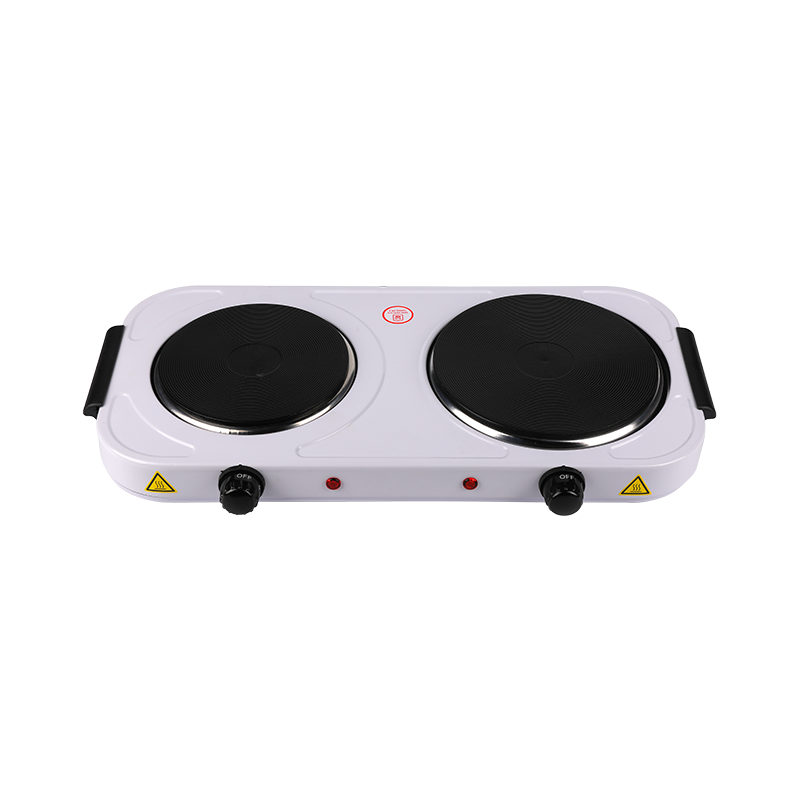
In today's fast-paced world, where time is of the essence and convenience is paramount, the heart of every home lies in its kitchen. It's where famili...
See Details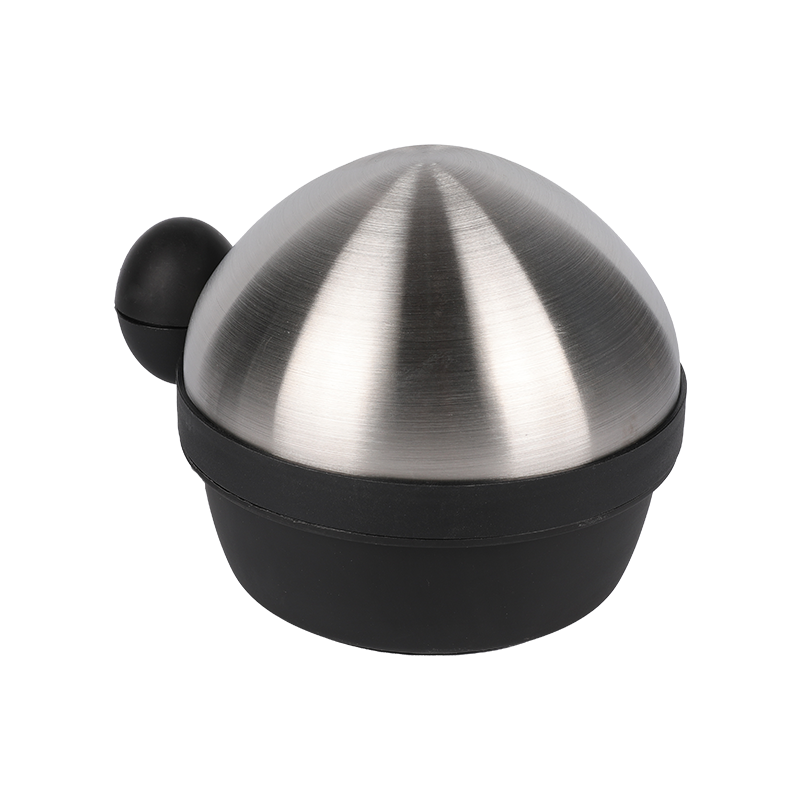
Introducing our Intelligent Rapid Egg Boiler – the ultimate solution for effortlessly preparing eggs in record time. Engineered with cutting-edge tech...
See Details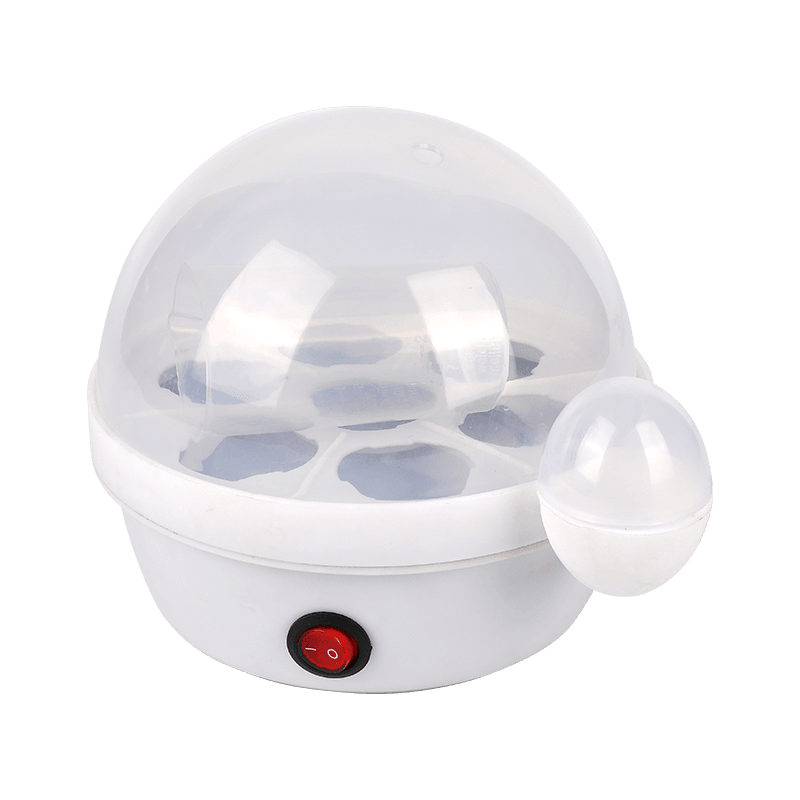
Introducing our Multi-functional Convenient Egg Boiler Expert – the ultimate kitchen tool for effortlessly preparing cooked eggs with precision and sp...
See Details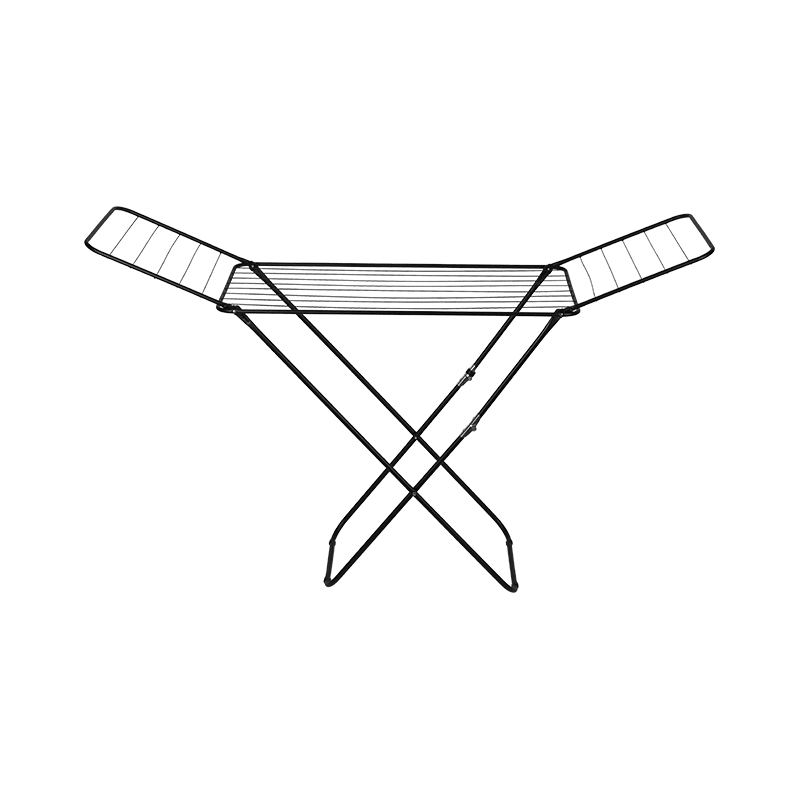
Welcome to the future of laundry care, where innovation meets convenience! As manufacturers of the Smart Folding Wing Drying Rack, we are thrilled to ...
See Details
Are you tired of traditional laundry drying methods that are cumbersome, inefficient, and take up valuable space? Say hello to our game-changing Multi...
See Details
Zhejiang Huaang Electrical Appliance Co., Ltd. is a manufacturer specializing in the production of kitchen appliances. It was established in 2009
Tel: +86-0579-84666999
Phone: +86-18058924218
E-Mail: ceo@hualunte.com
Copyright © Zhejiang Warranty Electric Appliance Co., Ltd. All Rights Reserved.
Smart Outdoor Kitchen Appliances Factory
