
 English
 русский
 Español
Health and environmentally friendly saving single hot plate
Cat:Single Hot Plate
In the realm of sustainable culinary solutions, our company takes pride in presenting our innovative single hot plate, designed to embody the core val...
See Details

Phone: +86-0579-84666999

E-mail: ceo@hualunte.com

Tel: +86-18058924218


Egg boilers have become a practical addition to modern kitchens, particularly for households, office kitchens, hotels, and small food-service businesses looking for convenient ways to prepare eggs. As consumers pay more attention to quick breakfasts, meal preparation, and easy-to-clean kitchen appliances, demand for reliable egg cooking equipment continues to create opportunities for international buyers. For Egg Boiler Manufacturers, understanding these everyday requirements is important when developing products for different markets. Buyers are not simply looking for an appliance that boils eggs; they also want consistent cooking results, straightforward operation, safe handling, and convenient maintenance.
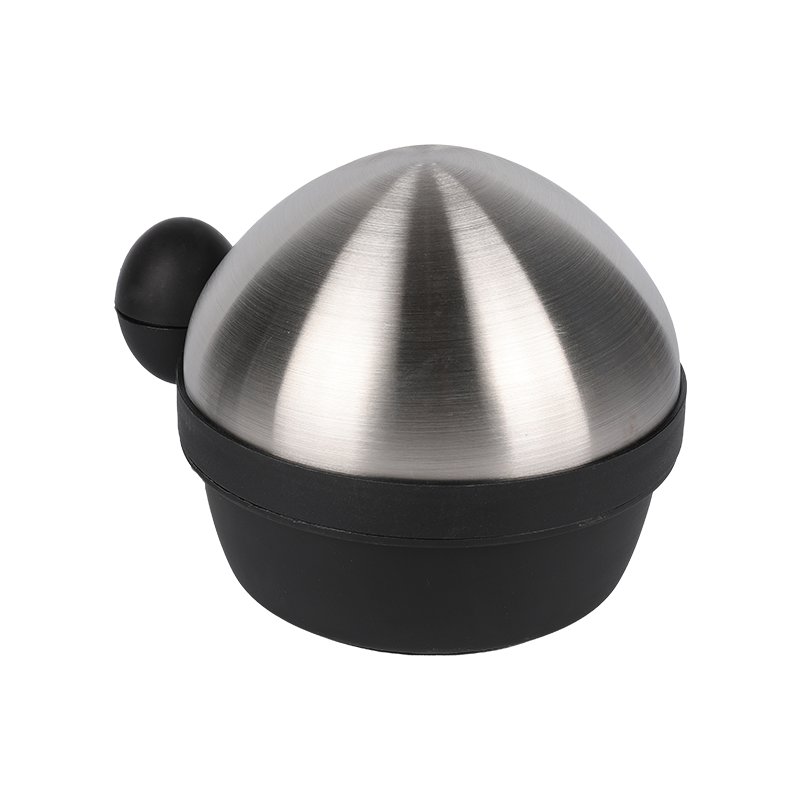
Capacity is one of the first details buyers should consider. A compact egg boiler may suit apartments, student accommodation, and small office kitchens, where countertop space is limited. Larger models can serve family kitchens, hotel breakfast areas, and catering operations that prepare several portions during busy morning hours.
From a manufacturing perspective, we pay attention to the relationship between product size and actual cooking requirements. A larger egg tray does not automatically mean a more practical appliance. The spacing between eggs, steam circulation, and tray stability all affect daily operation. Buyers should consider their expected order volume and target customer group before selecting a capacity range.
Some consumers prefer soft-boiled eggs with runny yolks, while others want fully cooked eggs for salads, sandwiches, and meal preparation. This difference creates a practical product requirement: users need a cooking process that is easy to understand and repeat.
Many electric egg cookers use measured water and steam to control cooking. The amount of water, egg size, starting temperature, and quantity loaded can influence the final result. We recommend providing clear water measurement instructions and easy-to-follow cooking guidance. For distributors selling into household markets, simple operating instructions can also reduce customer confusion and after-sales enquiries.
Busy mornings often involve several tasks happening at once. Someone may prepare coffee, pack lunch, or get children ready while the eggs are cooking. An automatic shut-off function helps reduce the need for continuous monitoring.
When evaluating an egg boiler, buyers should distinguish between a simple cooking alert and a function that actually stops heating. Depending on the product design, an indicator light, audible reminder, or automatic power-off feature can improve the user experience. These details are worth checking during sample evaluation rather than relying only on product descriptions.
Cleaning is another factor that influences whether consumers continue using a small kitchen appliance. Mineral deposits can gradually appear on the heating plate, particularly in areas with hard water. Egg residue and moisture can also collect around removable components.
A practical design should make routine maintenance straightforward. We suggest buyers pay attention to:
These details may appear minor, but they can influence product reviews and customer satisfaction over time.
For overseas distributors, electrical compatibility should be discussed before placing a bulk order. Voltage, frequency, plug type, power cord specifications, and product labeling may differ between destination markets.
Egg boilers are covered by the scope of IEC 60335-2-15:2024, which addresses safety requirements for household appliances used for heating liquids, including egg boilers. Buyers should confirm the applicable standards and conformity requirements for their target market.
IEC+1
As a manufacturer, we consider electrical protection, insulation, temperature control, and structural stability during product development and quality checks. Buyers should also request relevant test documentation before confirming an order.
Retailers and importers may have different product positioning requirements. Some focus on affordable household appliances, while others develop kitchen appliance collections for supermarkets, online stores, or private-label brands.
OEM and ODM cooperation allows buyers to discuss product appearance, packaging, accessories, branding, and selected functional configurations according to the manufacturer's actual capabilities. Before mass production, sample testing can help confirm cooking performance, component assembly, and packaging suitability.
A clear specification sheet is equally important. It helps purchasing teams compare models, calculate shipping requirements, and communicate product details to local sales channels.
An egg boiler may look like a simple kitchen appliance, but its everyday value comes from the details: reliable heating, convenient operation, easy maintenance, and safe electrical design. For international buyers, working with experienced Egg Boiler Manufacturers also means having a production partner who understands product consistency, market requirements, and wholesale cooperation. By focusing on these practical requirements, distributors can develop an egg boiler range that fits real household needs and creates sustainable opportunities in overseas kitchen appliance markets.
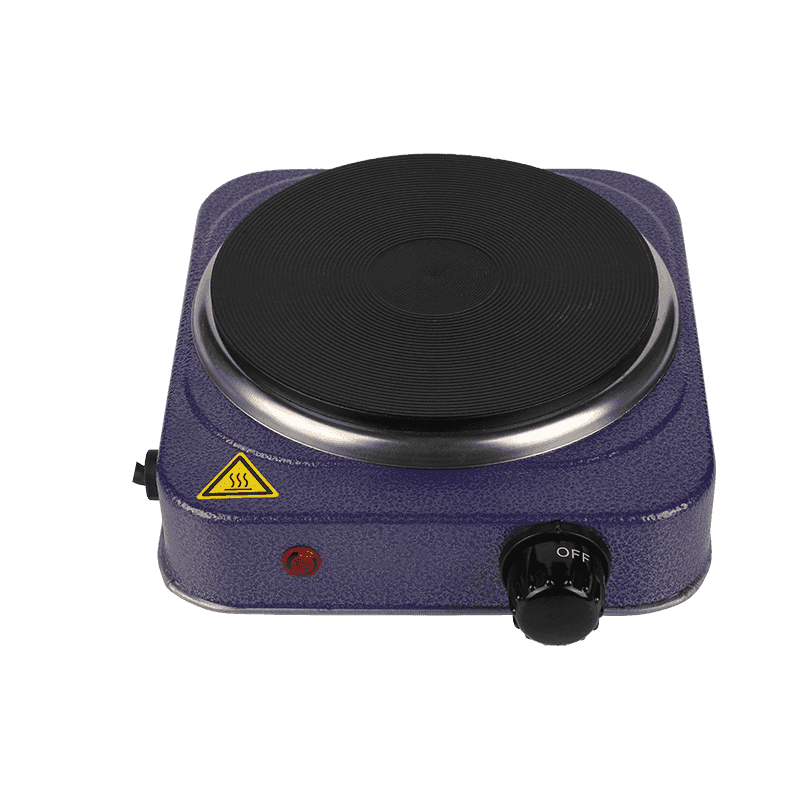
In the realm of sustainable culinary solutions, our company takes pride in presenting our innovative single hot plate, designed to embody the core val...
See Details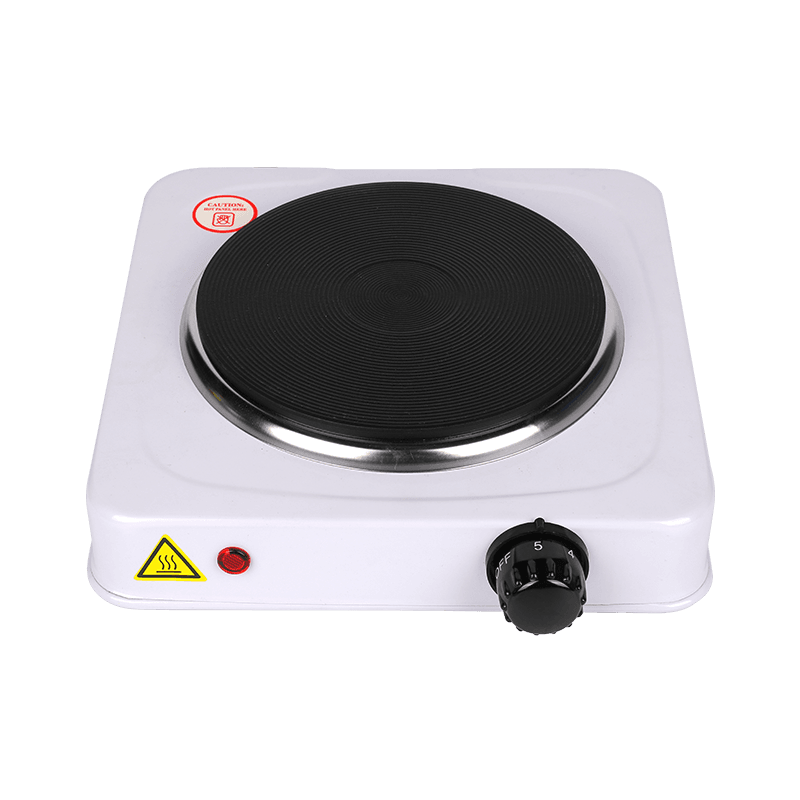
Introducing our flagship product, the High-Quality Durable Commercial Single Hot Plate – a game-changer in the world of culinary appliances. Have you ...
See Details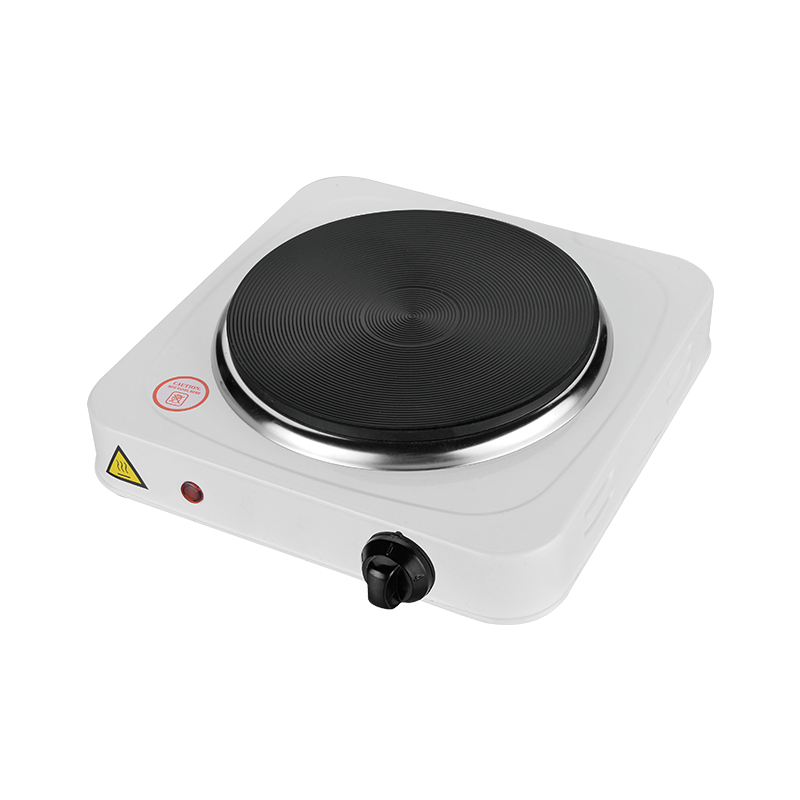
Introducing our revolutionary Portable Lightweight Outdoor Single Hot Plate – the ultimate cooking companion for outdoor enthusiasts, adventurers, and...
See Details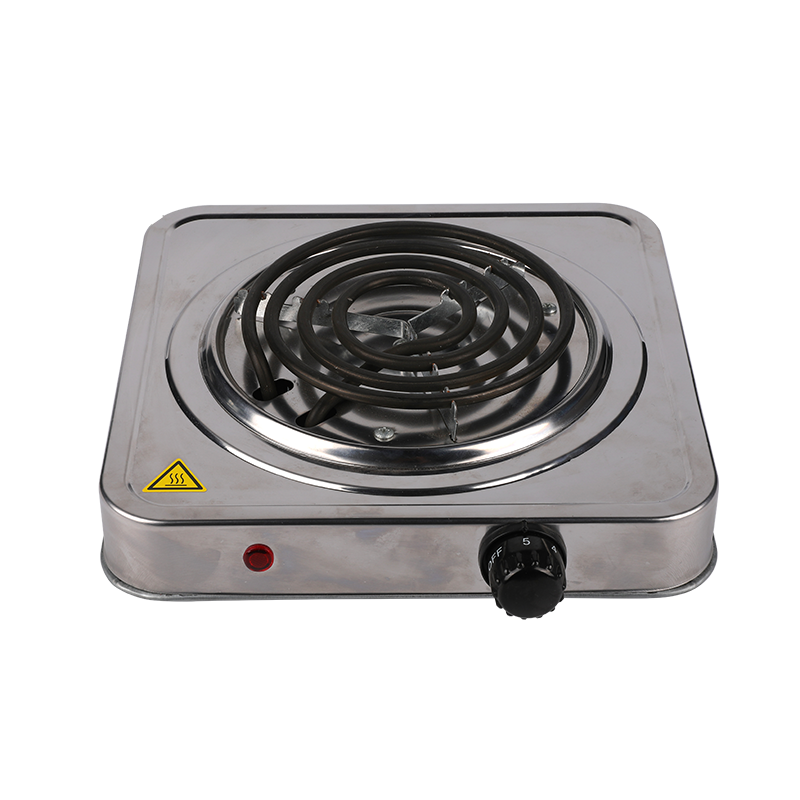
Welcome to our website, where we're proud to present our flagship product: the Efficient Time-Saving Commercial Single Hot Plate. As the owner of the ...
See Details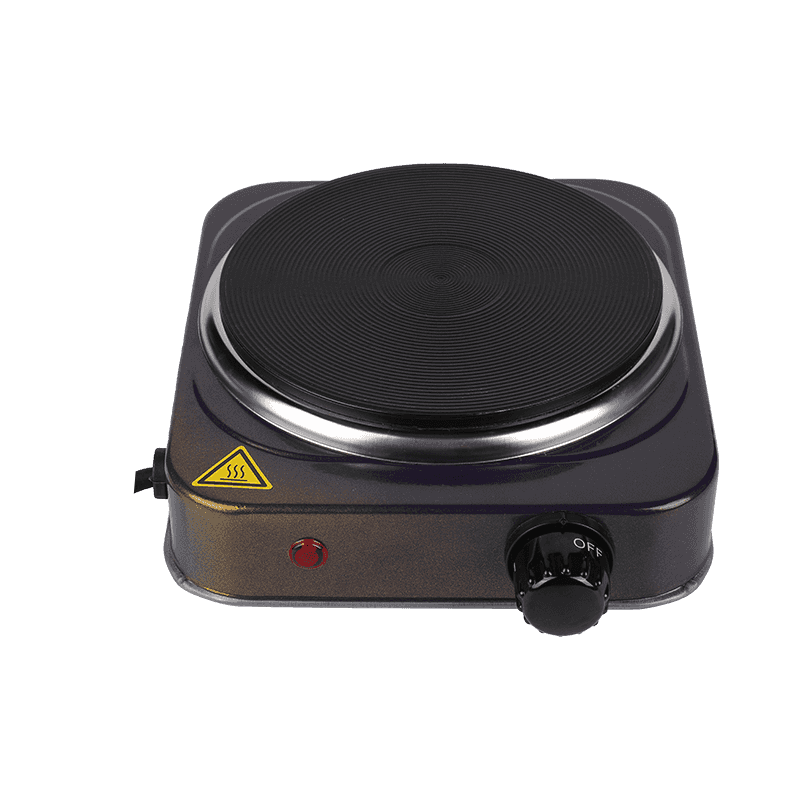
In the modern kitchen, safety, health, and environmental consciousness are of importance. That's why we're proud to introduce the Safe, Healthy, Envir...
See Details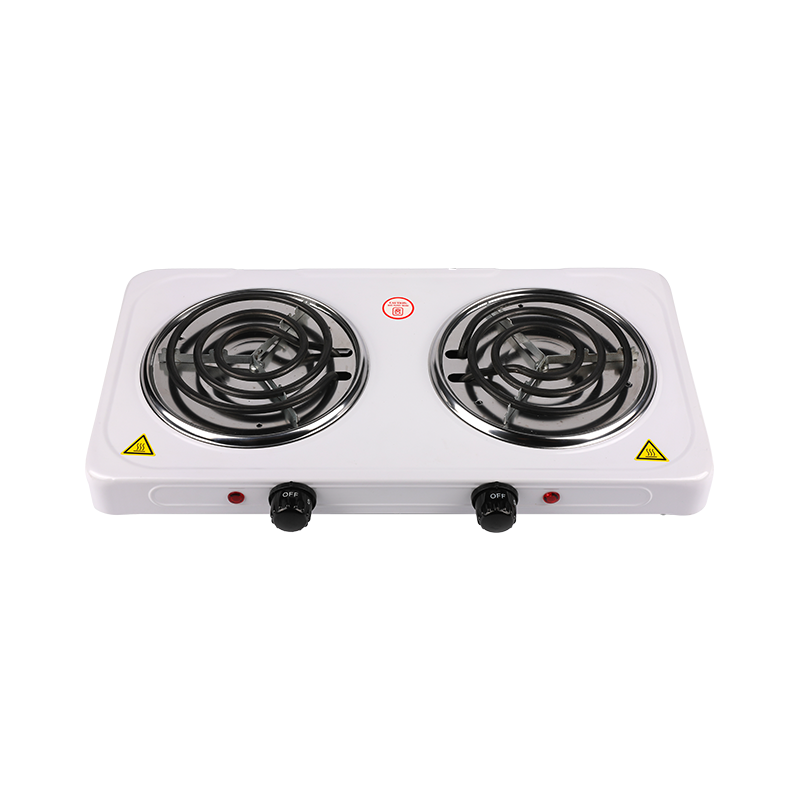
In the realm of home cooking, safety and reliability are paramount concerns for every household. With the Safe and Reliable Household Double Hot Plate...
See Details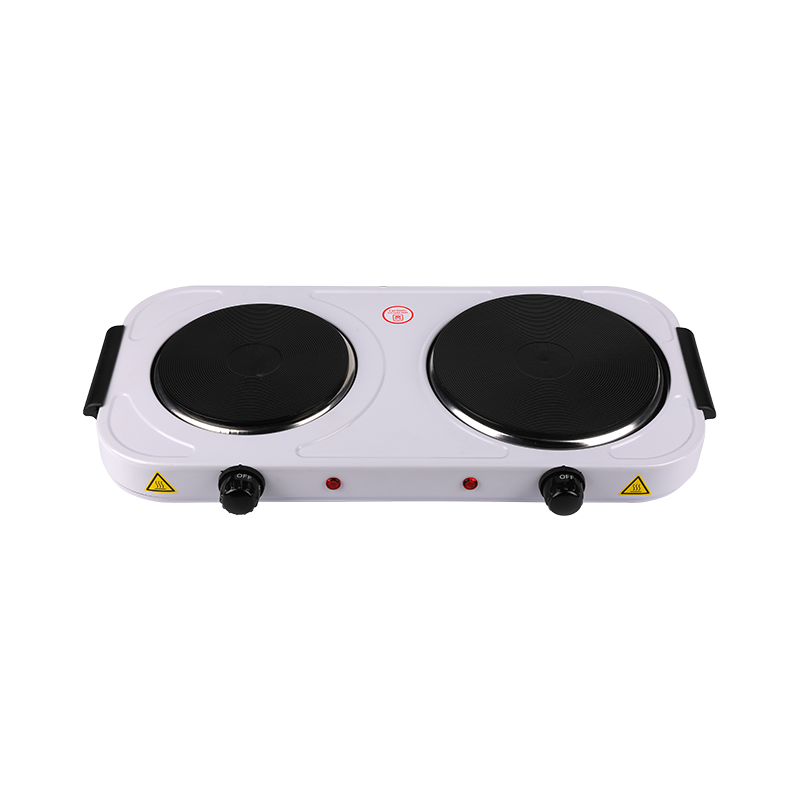
In today's fast-paced world, where time is of the essence and convenience is paramount, the heart of every home lies in its kitchen. It's where famili...
See Details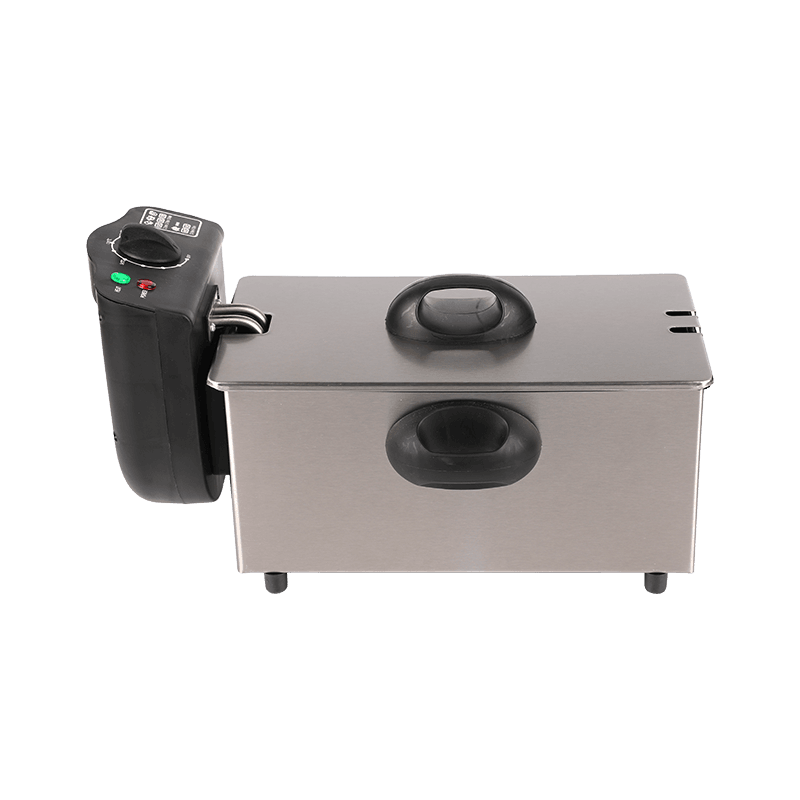
Introducing our Healthy and Environmentally Friendly Versatile Deep Fryer – the solution for health-conscious individuals and eco-conscious households...
See Details
Introducing our Intelligent Rapid Egg Boiler – the ultimate solution for effortlessly preparing eggs in record time. Engineered with cutting-edge tech...
See Details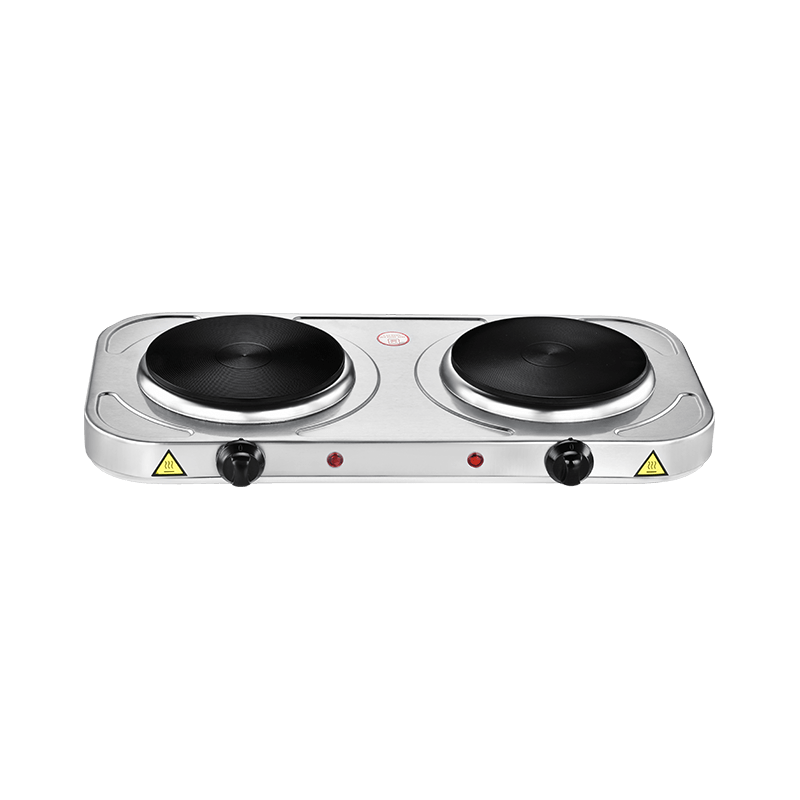
In the bustling world of commercial kitchens, durability, reliability, and quality are non-negotiable. Enter the High-Quality Durable Commercial Doubl...
See Details
Zhejiang Huaang Electrical Appliance Co., Ltd. is a manufacturer specializing in the production of kitchen appliances. It was established in 2009
Tel: +86-0579-84666999
Phone: +86-18058924218
E-Mail: ceo@hualunte.com
Copyright © Zhejiang Warranty Electric Appliance Co., Ltd. All Rights Reserved.
Smart Outdoor Kitchen Appliances Factory
