
 English
 русский
 Español
Multi-functional healthy household single hot plate
Cat:Single Hot Plate
The Multi-functional healthy household single hot plate is an essential kitchen appliance designed for modern homes. This compact yet versatile device...
See Details

Phone: +86-0579-84666999

E-mail: ceo@hualunte.com

Tel: +86-18058924218


As more consumers prepare breakfast at home, small kitchen appliances are becoming part of everyday meal preparation. An egg boiler offers a convenient way to cook eggs without constantly watching a pot on the stove. However, users may encounter problems such as uneven cooking, water residue, difficult cleaning, or unclear operating instructions. These details also matter to overseas distributors when selecting products for their markets. For Egg Boiler Manufacturers, understanding these common issues helps guide product design, functional improvements, and manufacturing decisions that better match real household needs.
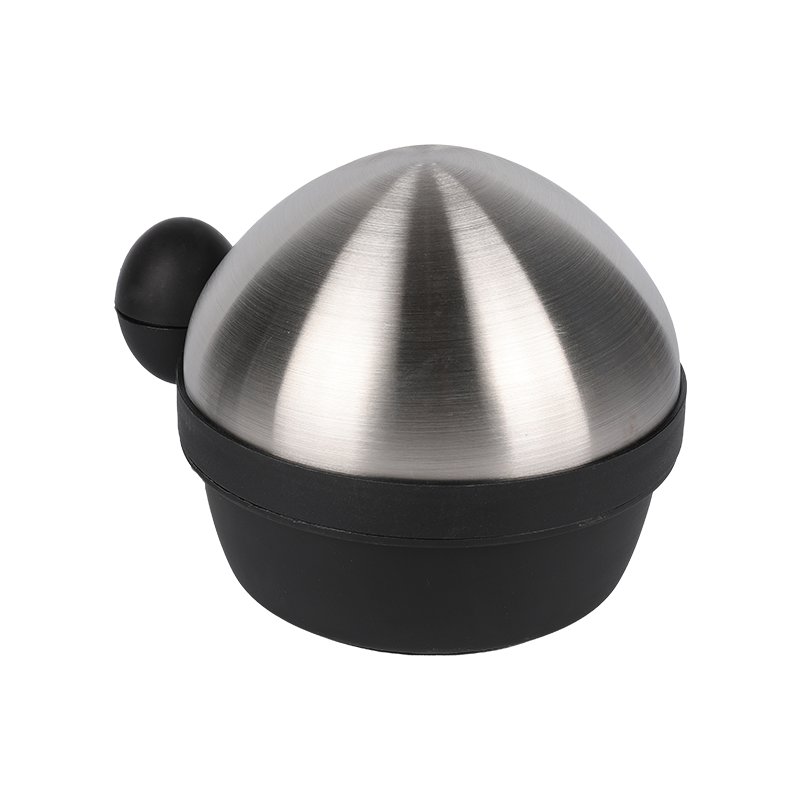
Most electric egg boilers use heated water to generate steam, which cooks eggs inside a covered container. This design reduces the need for a traditional cooking pot and makes the preparation process easier to manage.
However, cooking results can vary depending on egg size, water quantity, starting temperature, and the number of eggs placed in the tray. Clear water measurement instructions are therefore important. Manufacturers should provide practical guidance so users can adjust the cooking process according to their preferred results.
One common concern among consumers is that eggs may not reach the same level of doneness. This can happen when eggs are different sizes or are placed incorrectly inside the appliance.
A well-designed egg tray helps maintain suitable spacing between eggs, allowing steam to circulate around them. Buyers evaluating an electric egg boiler should pay attention to tray structure, egg placement, and the relationship between heating performance and product capacity.
For manufacturers, testing different loading conditions is useful for identifying potential issues before products enter mass production.
The heating plate is an important component because it converts electrical energy into heat and produces the steam needed for cooking. Its material, surface treatment, and structural design can influence daily maintenance and long-term use.
Mineral deposits may develop after repeated heating, especially when consumers use hard water. A smooth and accessible heating surface can make cleaning easier.
When sourcing from a manufacturer, buyers should ask about:
These details help purchasing teams assess whether a product is suitable for their intended retail market.
Consumers often prefer kitchen appliances that require little effort to maintain. Egg boilers should therefore be designed with removable components and accessible surfaces wherever the product structure allows.
The lid and egg tray should be easy to remove after cooking. The outer housing should also be straightforward to wipe clean. Manufacturers need to consider how steam, moisture, and occasional egg residue may affect different parts of the appliance.
Clear maintenance instructions are equally important. Users should understand when to clean the heating plate, how to remove mineral deposits, and which components should not be immersed in water.
Because egg boilers operate with electricity, hot water, and steam, safety deserves attention during product selection. Buyers should check the appliance's electrical protection, insulation, temperature control, and overall structural stability.
Automatic shut-off, overheating protection, and indicator lights may be available depending on the model. These functions should be evaluated according to the actual product specifications rather than assumed to be included in every design.
Importers should also confirm voltage, frequency, plug configuration, labeling, and applicable certification requirements for their destination markets before placing bulk orders.
An egg boiler designed for individual households may have different requirements from one intended for family use or hotel breakfast preparation.
For example, compact models can appeal to consumers with limited kitchen space, while larger-capacity designs may suit families preparing several eggs at once. Retail distributors may also request different colors, packaging styles, accessories, and branding options.
Through OEM and ODM cooperation, buyers can discuss these requirements with manufacturers and select configurations that fit their product positioning. Sample evaluation before mass production helps confirm whether the proposed design meets their expectations.
A successful egg boiler product involves more than a heating element and an egg tray. Cooking consistency, material selection, convenient cleaning, electrical safety, and packaging all influence the purchasing decision. As Egg Boiler Manufacturers, we understand that overseas buyers need products that are practical for consumers and manageable for wholesale distribution. By discussing specifications, testing samples, and confirming production requirements before ordering, importers can build a more suitable kitchen appliance range for their target markets.
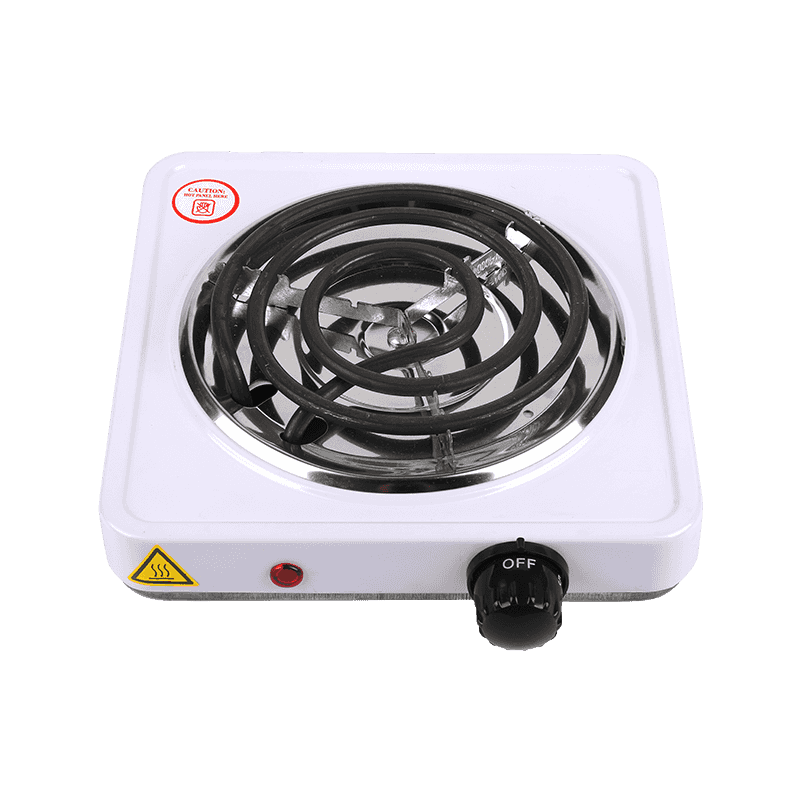
The Multi-functional healthy household single hot plate is an essential kitchen appliance designed for modern homes. This compact yet versatile device...
See Details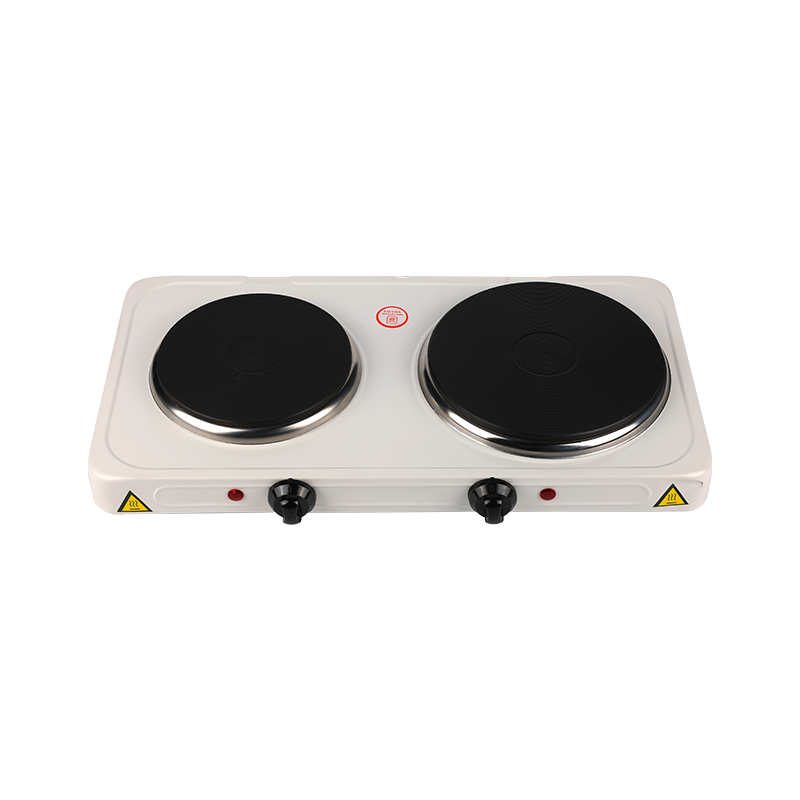
In the realm of culinary convenience, portability, and ease of use are key factors, especially for outdoor cooking adventures. Enter the Portable Ligh...
See Details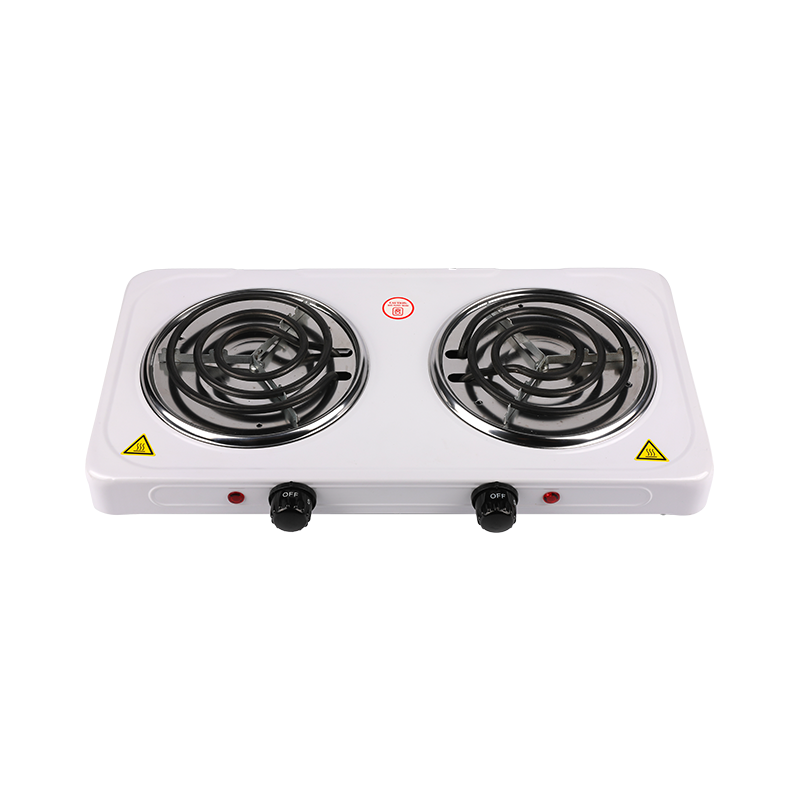
In the realm of home cooking, safety and reliability are paramount concerns for every household. With the Safe and Reliable Household Double Hot Plate...
See Details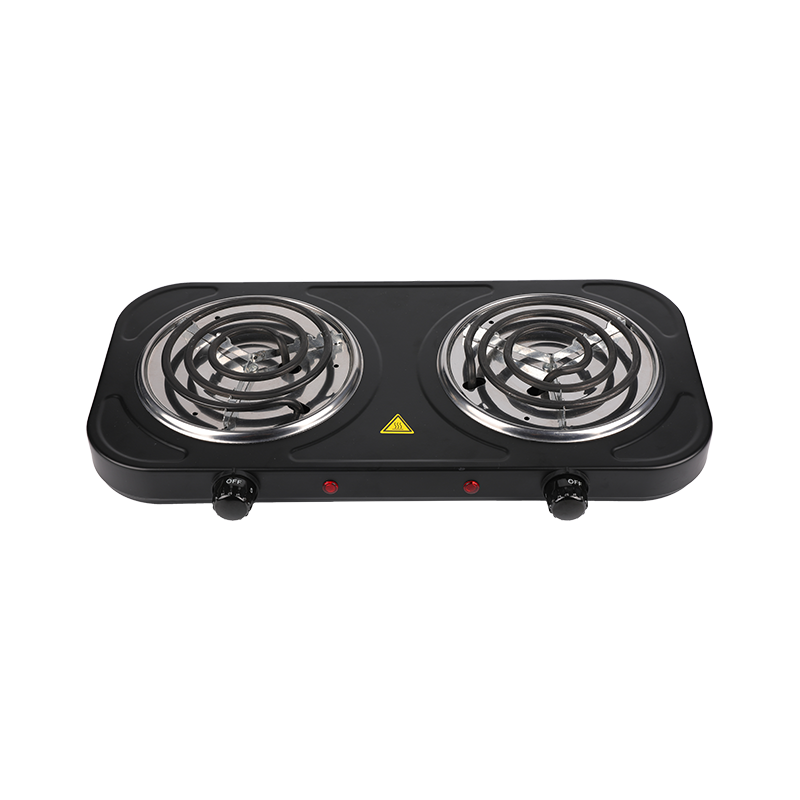
In the fast-paced world of hospitality and culinary excellence, having the right equipment is crucial for success. Enter the Professional Quality Comm...
See Details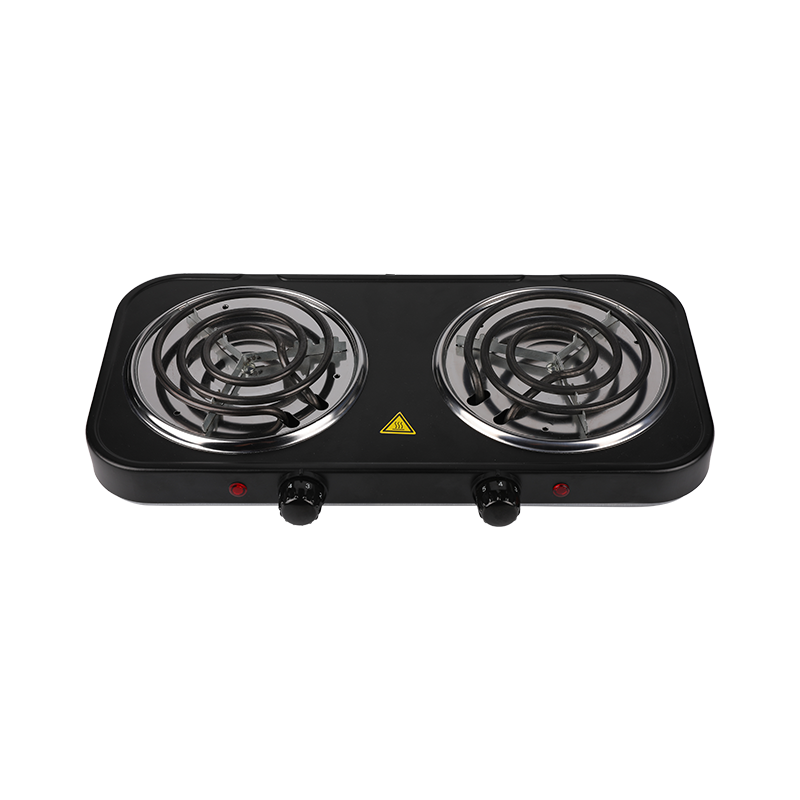
In the fast-paced environment of commercial kitchens and food service establishments, efficiency is paramount. That's where the Efficient Time-Saving ...
See Details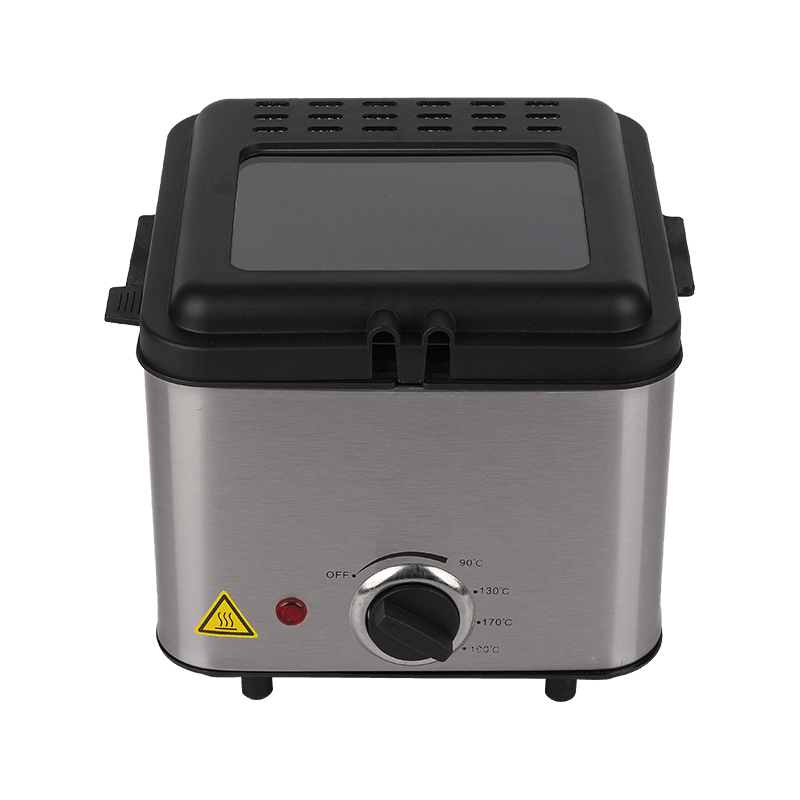
Introducing our Fast and Convenient Multi-functional Deep Fryer – the ultimate solution for those seeking quick and hassle-free cooking options with a...
See Details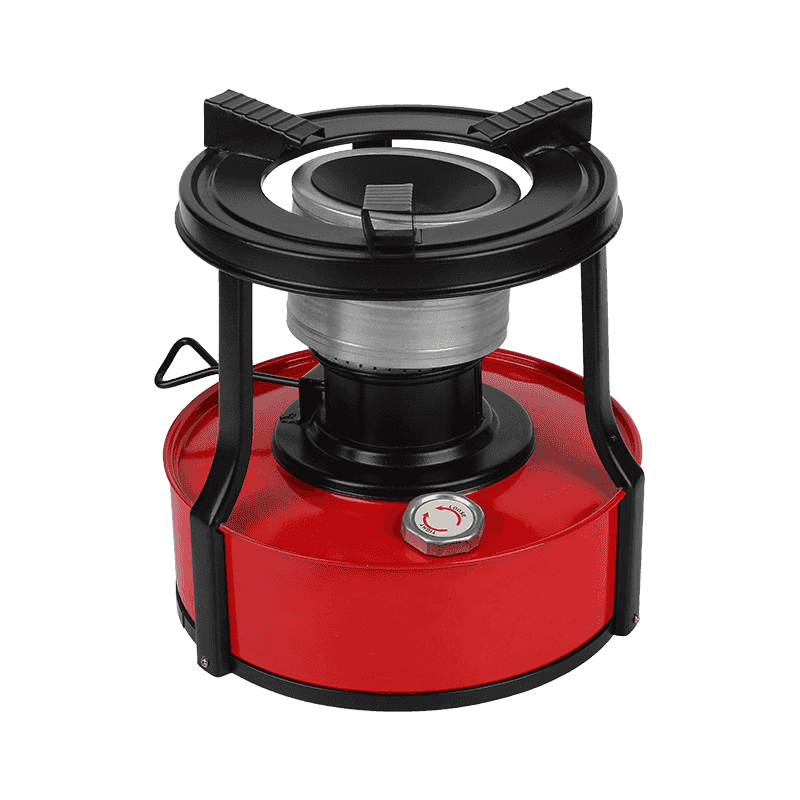
In the realm of versatile and eco-friendly cooking solutions, our company proudly presents our latest innovation: the efficient, energy-saving, and mu...
See Details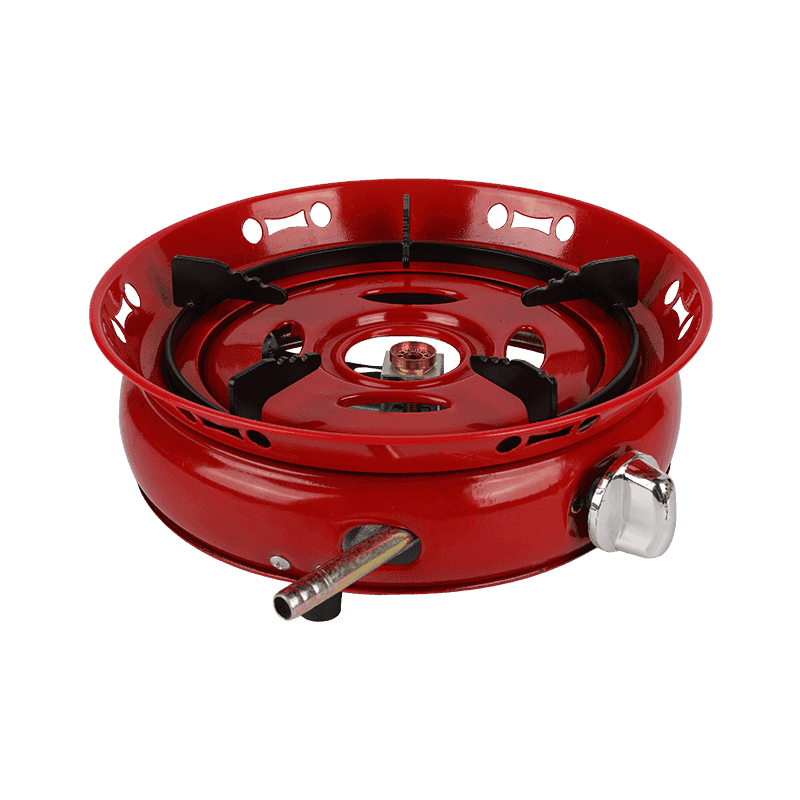
Welcome to the future of cooking convenience and sustainability! As manufacturers of cutting-edge Intelligent, Convenient, and Energy-Saving Kerosene ...
See Details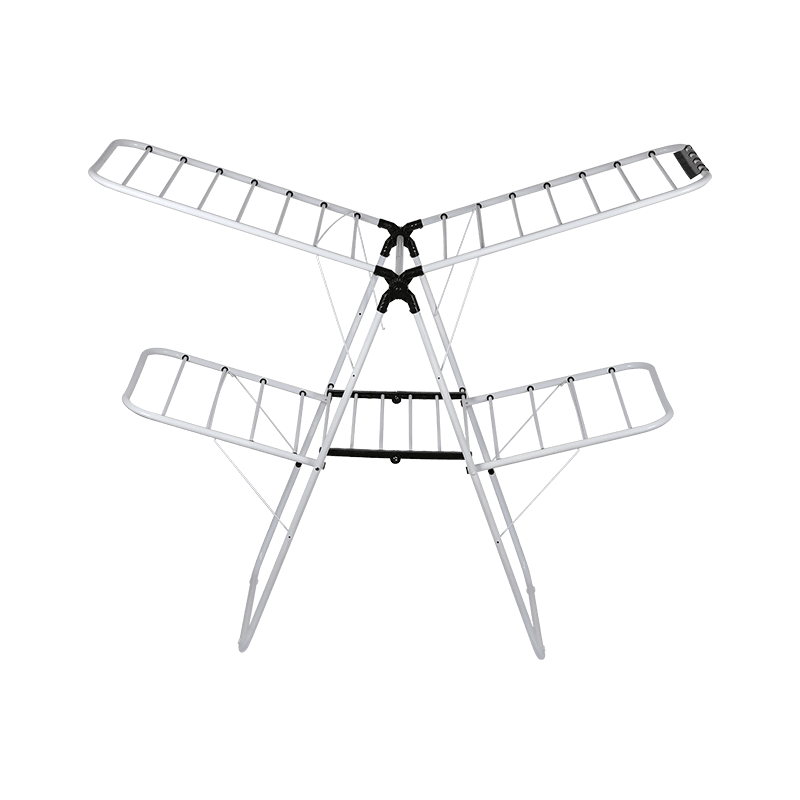
Are you tired of traditional laundry drying methods that are cumbersome, inefficient, and take up valuable space? Say hello to our game-changing Multi...
See Details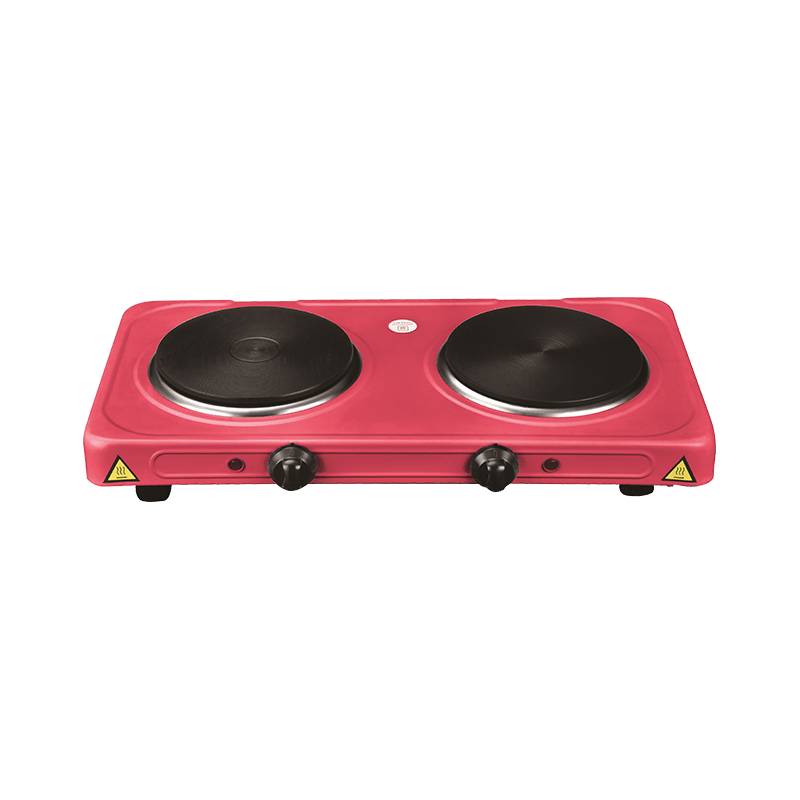
In the realm of modern culinary appliances, precision, convenience, and versatility are paramount. Meet the Precision Temperature Control Convenient D...
See Details
Zhejiang Huaang Electrical Appliance Co., Ltd. is a manufacturer specializing in the production of kitchen appliances. It was established in 2009
Tel: +86-0579-84666999
Phone: +86-18058924218
E-Mail: ceo@hualunte.com
Copyright © Zhejiang Warranty Electric Appliance Co., Ltd. All Rights Reserved.
Smart Outdoor Kitchen Appliances Factory
