
 English
 русский
 Español
Intelligent, efficient and energy-saving single hot plate
Cat:Single Hot Plate
In the realm of culinary innovation, our company stands at the forefront with its cutting-edge single hot plate, engineered to embody the trifecta of ...
See Details

Phone: +86-0579-84666999

E-mail: ceo@hualunte.com

Tel: +86-18058924218


A kerosene stove is commonly used in households, for outdoor cooking, and in off-grid environments because it does not depend on electricity or gas systems. While it is practical and widely applicable, safe operation is essential. Since kerosene is a liquid fuel that produces combustion gases, proper usage, ventilation control, and safety awareness are necessary to avoid health and fire risks.
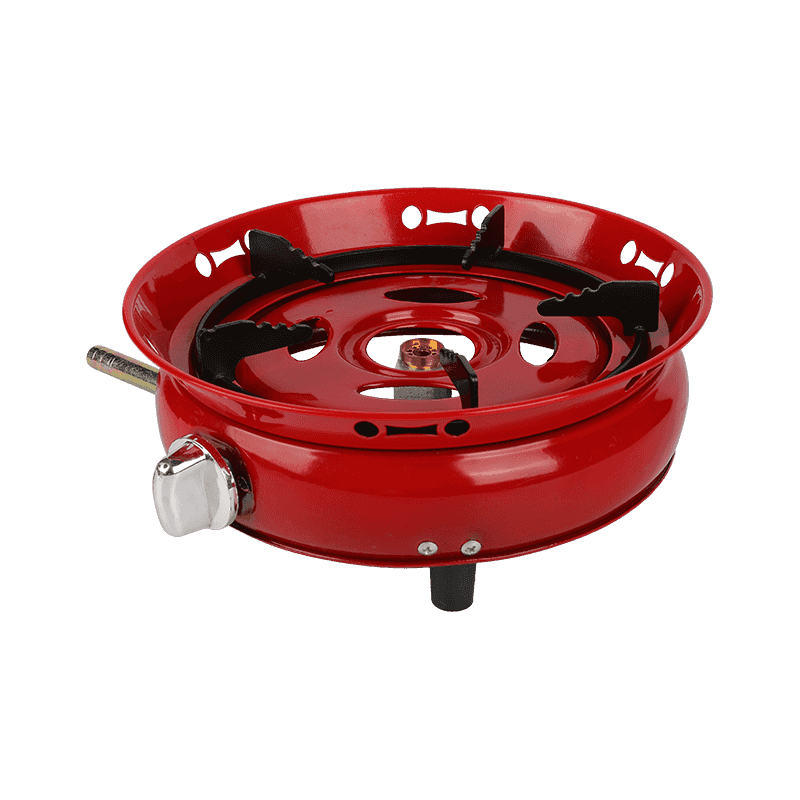
This article explains key safety guidelines, indoor usage considerations, ventilation management, and risk prevention methods when using a kerosene stove.
Combustion and Gas Emissions
When a kerosene stove burns fuel, it produces heat for cooking. At the same time, combustion generates byproducts such as carbon dioxide and water vapor. If burning is incomplete, it may also produce carbon monoxide and soot.
In open or ventilated environments, these gases disperse naturally. However, in closed spaces, they may accumulate and create safety hazards. Understanding this process is important for safe operation.
Indoor Usage Conditions
A kerosene stove can be used indoors only when ventilation is sufficient. Rooms with open windows or airflow paths are more suitable than sealed spaces.
Indoor use often happens during cold weather or emergencies. In such cases, maintaining airflow is more important than heat retention. Without ventilation, oxygen levels may drop, and harmful gases may build up.
Ventilation Requirements
Ventilation is the most important safety factor. Fresh air must enter the space while combustion gases are released outside.
Simple methods include opening windows or doors during operation. Exhaust fans can also help improve airflow in enclosed environments.
Good ventilation improves both safety and combustion efficiency. A stove with enough oxygen burns more completely and produces less soot.
Carbon Monoxide Risk
Carbon monoxide is a major safety concern because it is colorless and odorless. It can be produced when fuel burns incompletely, especially in low-oxygen conditions.
Because it cannot be detected easily, prevention is the only reliable safety method. Ensuring airflow, maintaining clean burners, and using proper fuel quality help reduce this risk.
In indoor environments, carbon monoxide detectors can provide additional safety protection.
Fuel Handling Safety
Kerosene is highly flammable, so fuel handling must be careful. It should always be stored in sealed and clearly labeled containers.
Refueling must only be done when the stove is fully turned off and cooled. Adding fuel to a hot stove can cause ignition hazards.
Any spilled fuel should be cleaned immediately. Keeping flammable materials away from the stove area is also important for safety.
Stable Placement and Operation
The stove should always be placed on a flat and stable surface. Uneven placement may cause fuel leakage or tipping.
In outdoor environments, wind protection may be needed to maintain stable flame conditions.
Overfilling the fuel tank should be avoided, and all components must be securely assembled before use.
Maintenance and Safety Performance
Regular maintenance helps ensure safe operation. A clean burner supports complete combustion and reduces harmful emissions.
If components such as wicks or fuel channels become dirty or blocked, combustion efficiency may decrease,e and safety risks may increase.
Routine inspection helps identify problems early and keeps the stove in a stable working condition.
Emergency Usage Awareness
In emergencies such as power outages or off-grid situations, kerosene stoves are often used as primary cooking tools. In these cases, safety awareness becomes even more important.
Users should prepare basic supplies such as fuel, ignition tools, and maintenance items in advance.
Knowing how to quickly shut down the stove in case of abnormal operation is also important for emergency safety.
A kerosene stove is a practical cooking solution for indoor, outdoor, and off-grid environments. However, safe usage depends on proper ventilation, careful fuel handling, stable operation, and regular maintenance.
By following basic safety principles and ensuring good airflow, users can significantly reduce risks and maintain stable long-term performance.
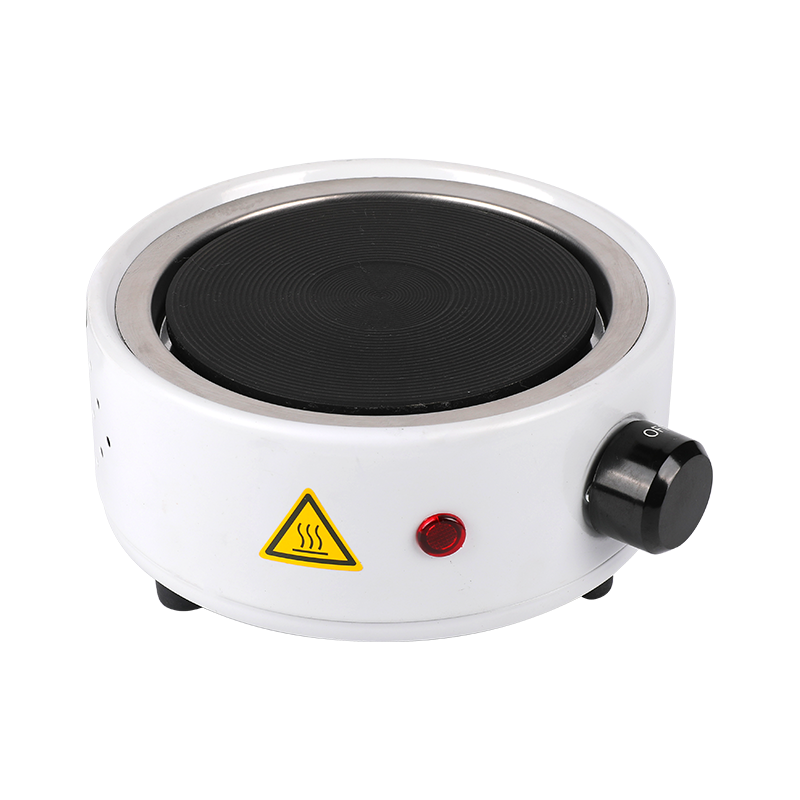
In the realm of culinary innovation, our company stands at the forefront with its cutting-edge single hot plate, engineered to embody the trifecta of ...
See Details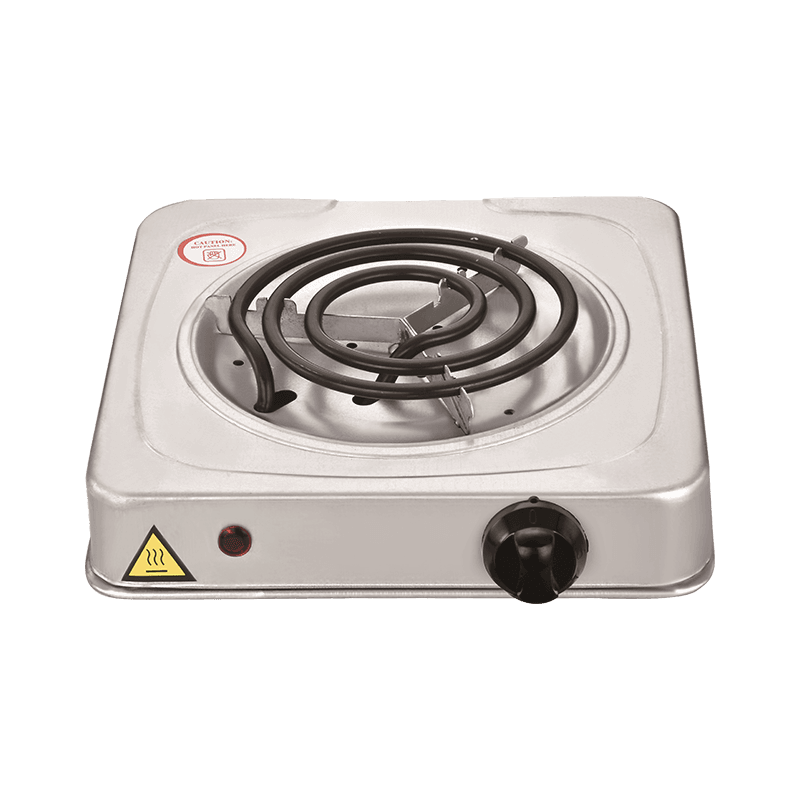
Introducing our Premium Environmentally Friendly Household Single Hot Plate – an addition to any home kitchen seeking both quality performance and eco...
See Details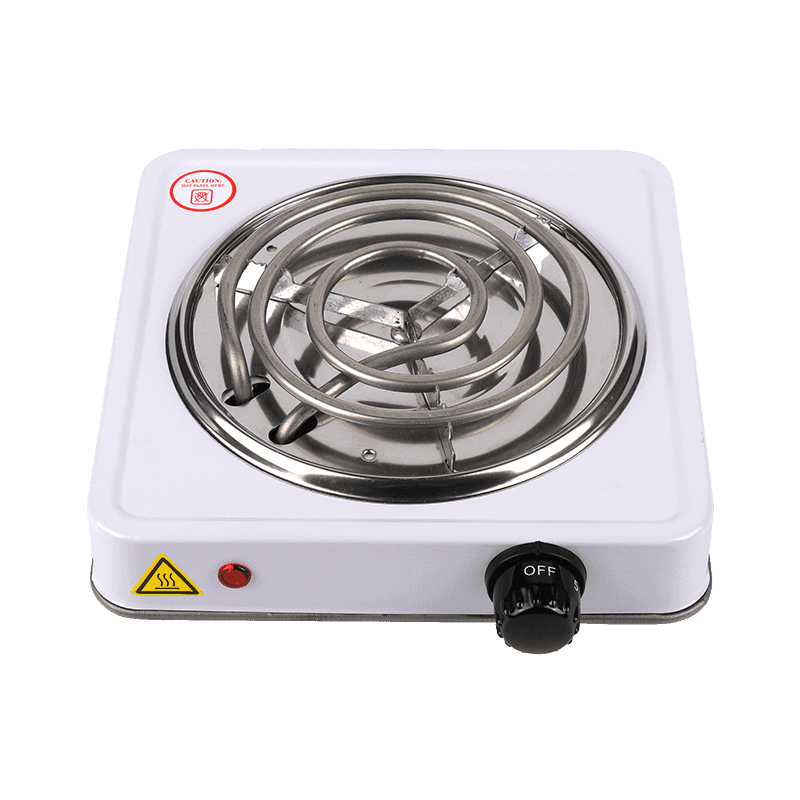
In the realm of modern kitchen appliances, innovation and technology have revolutionized the way we cook and prepare meals. Keeping pace with this evo...
See Details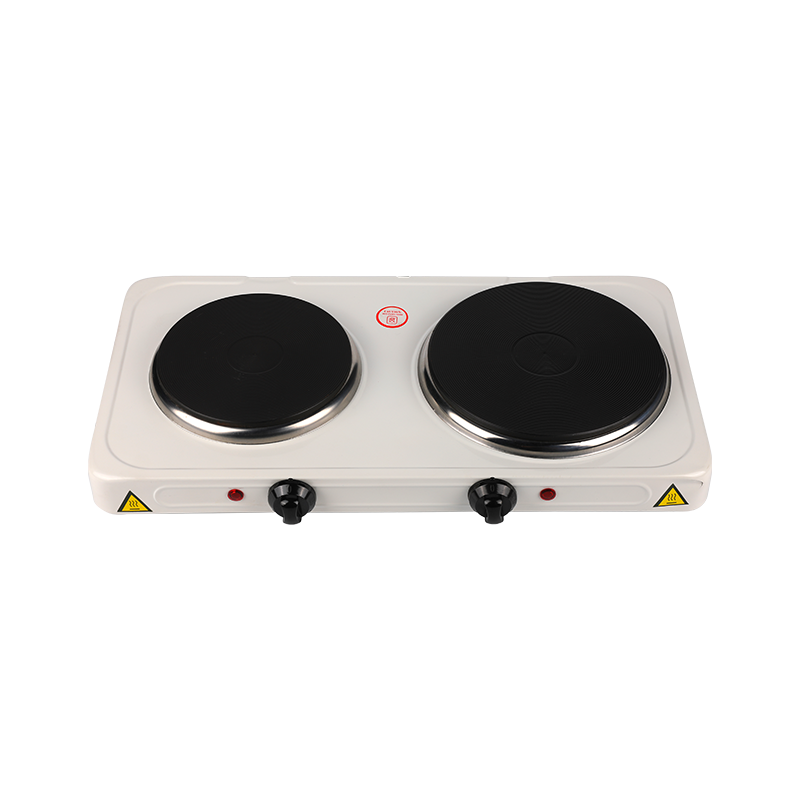
In the realm of culinary convenience, portability, and ease of use are key factors, especially for outdoor cooking adventures. Enter the Portable Ligh...
See Details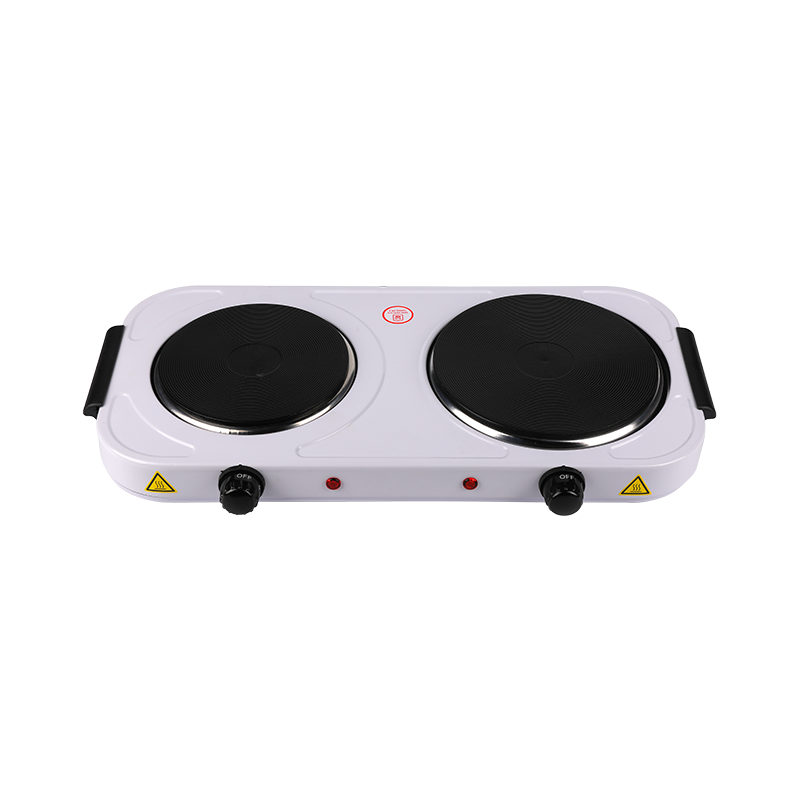
In today's fast-paced world, where time is of the essence and convenience is paramount, the heart of every home lies in its kitchen. It's where famili...
See Details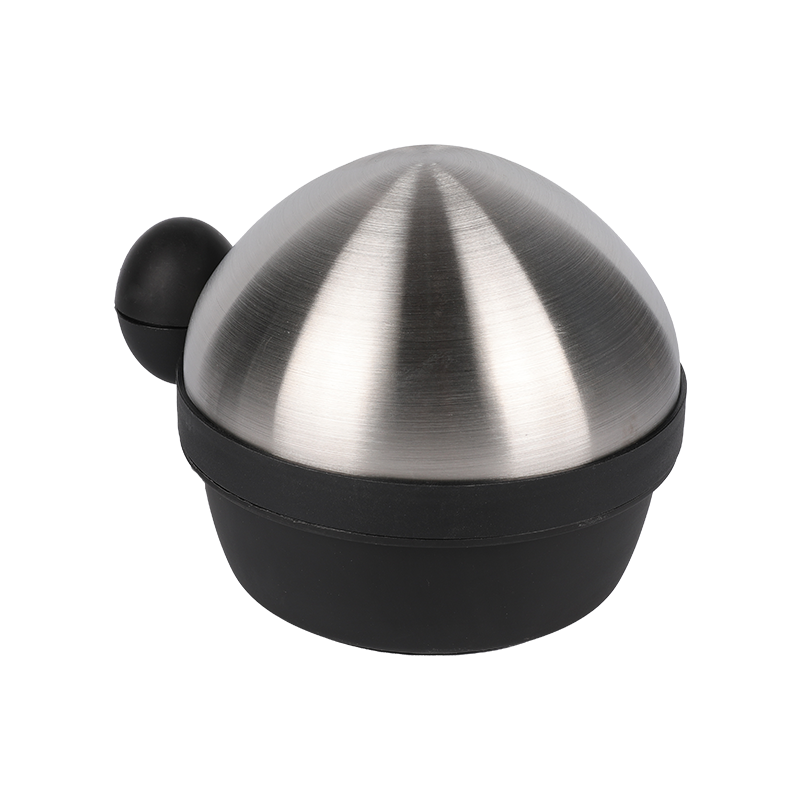
Introducing our Intelligent Rapid Egg Boiler – the ultimate solution for effortlessly preparing eggs in record time. Engineered with cutting-edge tech...
See Details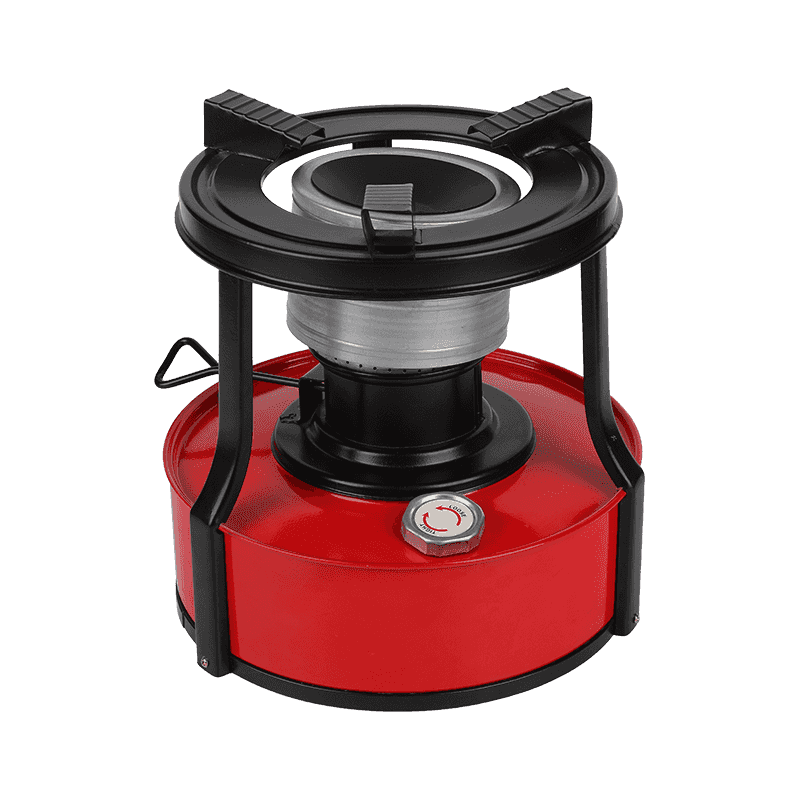
In the realm of versatile and eco-friendly cooking solutions, our company proudly presents our latest innovation: the efficient, energy-saving, and mu...
See Details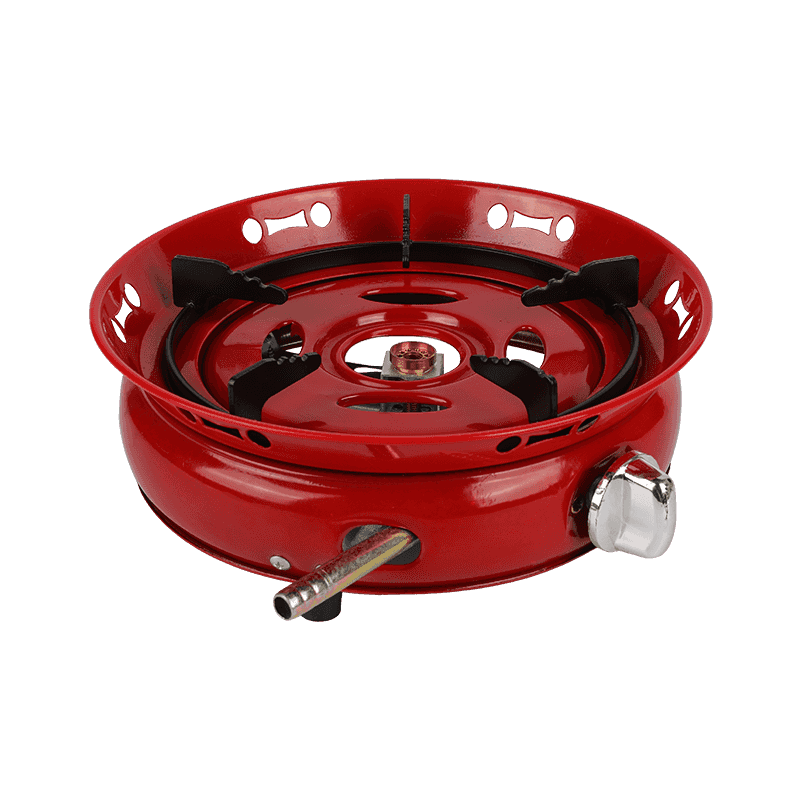
Welcome to the future of cooking convenience and sustainability! As manufacturers of cutting-edge Intelligent, Convenient, and Energy-Saving Kerosene ...
See Details
Are you tired of traditional laundry drying methods that are cumbersome, inefficient, and take up valuable space? Say hello to our game-changing Multi...
See Details
As a manufacturer of the Exquisite Practical Multi-functional Single Hot Plate, we deeply understand the needs and preferences of our customers. Let's...
See Details
Zhejiang Huaang Electrical Appliance Co., Ltd. is a manufacturer specializing in the production of kitchen appliances. It was established in 2009
Tel: +86-0579-84666999
Phone: +86-18058924218
E-Mail: ceo@hualunte.com
Copyright © Zhejiang Warranty Electric Appliance Co., Ltd. All Rights Reserved.
Smart Outdoor Kitchen Appliances Factory
