
 English
 русский
 Español
Multi-functional innovative portable single hot plate
Cat:Single Hot Plate
In the realm of culinary convenience, our company proudly presents our latest innovation: the multi-functional, innovative, and portable single hot pl...
See Details

Phone: +86-0579-84666999

E-mail: ceo@hualunte.com

Tel: +86-18058924218


A kerosene stove is available in different structural designs, with wick-type and pressure-type models being the two most commonly used systems. Each type operates using a different combustion method and is suited for different cooking needs, environments, and user preferences. Understanding the differences between these two models helps users choose the appropriate stove for their specific application.
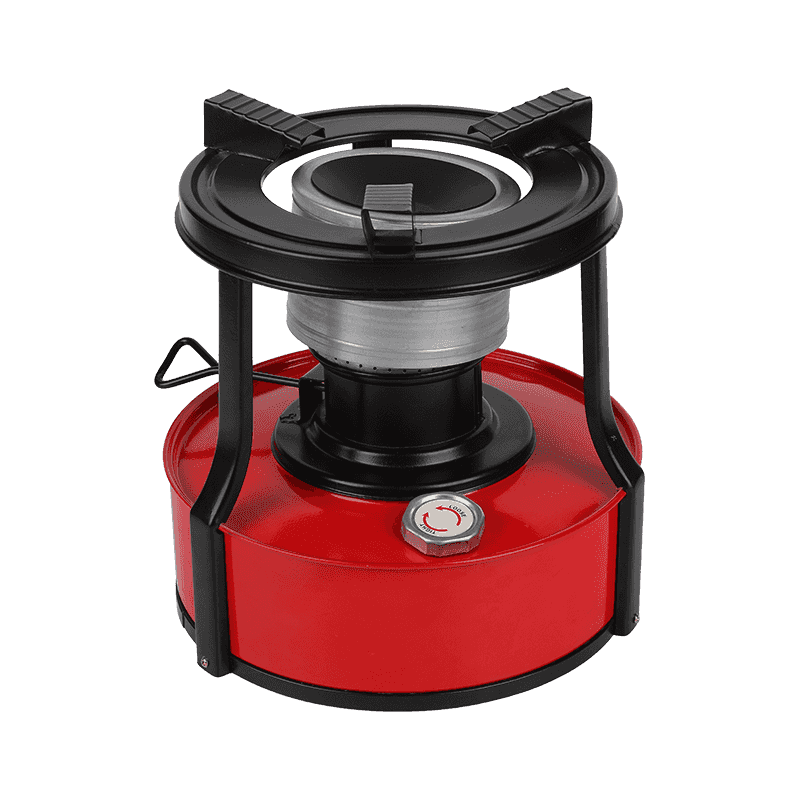
Wick-Type Kerosene Stove Structure and Working Principle
Wick-type kerosene stoves operate using a fabric wick that absorbs kerosene from the fuel tank. The fuel travels upward through capillary action and is burned at the exposed top of the wick to produce a flame.
This system is mechanically simple and does not require additional pressure components. Users control flame size by adjusting the height of the wick, which changes the amount of fuel exposed to combustion.
Because of its simple structure, wick-type stoves are often used in basic cooking scenarios such as boiling water, heating meals, and light cooking tasks that do not require high heat intensity.
Pressure-Type Kerosene Stove Operation System
Pressure-type stoves operate through a different mechanism. Instead of relying on a wick, they use air pressure to force fuel into a combustion chamber where it is vaporized and burned.
Before ignition, users must build internal pressure using a manual pump. This pressure ensures that fuel flows consistently during operation. Once the system is pressurized, the stove produces a more concentrated flame compared to wick-based systems.
Pressure stoves are often used in situations where stronger heat output is needed or where cooking must be completed in a shorter period of time.
Heat Output and Cooking Behavior Differences
Wick stoves produce a steady and controlled flame that is suitable for low to medium heat cooking. They are often preferred for slow cooking processes where stable heat is more important than intensity.
Pressure stoves generate a stronger and more focused flame. This allows faster heating and more intensive cooking applications. The flame response can also be adjusted by managing pressure levels.
These differences influence how each stove is used in practical environments such as households, outdoor cooking, or emergency setups.
Ease of Operation and Learning Requirements
Wick stoves are generally easier to operate because they require minimal preparation. Users simply adjust the wick and ignite the fuel.
Pressure stoves require additional steps, such as pumping and pressure control,l before ignition. Users must understand how pressure affects combustion performance to maintain stable operation.
For users who prefer simplicity, wick models may be more accessible. For users who require higher heat output, pressure models may be more suitable.
Maintenance and Component Care
Wick-type stoves require periodic wick replacement because the material gradually wears out with use. A worn wick can lead to uneven flame or ignition difficulties.
Pressure-type stoves require maintenance of pumps, seals, and fuel channels to ensure proper pressure buildup and safe fuel delivery.
Each model has different maintenance needs, but both require regular care to maintain stable performance.
Application Scenarios and Selection Considerations
Wick stoves are commonly used in household backup cooking and simple outdoor use. Pressure stoves are more often used in outdoor environments or situations requiring stronger heat performance.
Selection depends on cooking habits, environment, fuel availability, and user familiarity with the system.
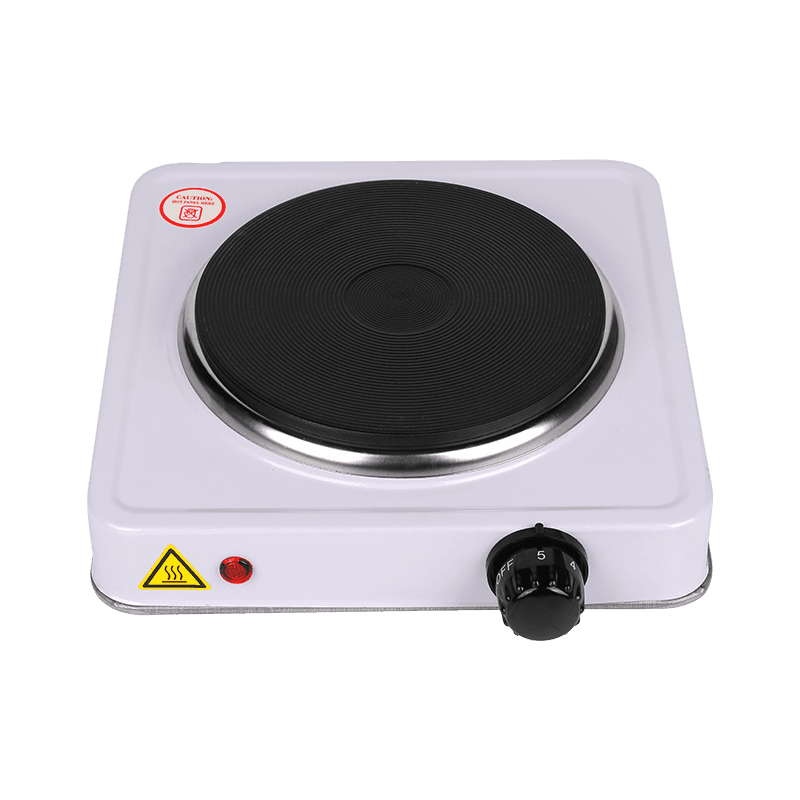
In the realm of culinary convenience, our company proudly presents our latest innovation: the multi-functional, innovative, and portable single hot pl...
See Details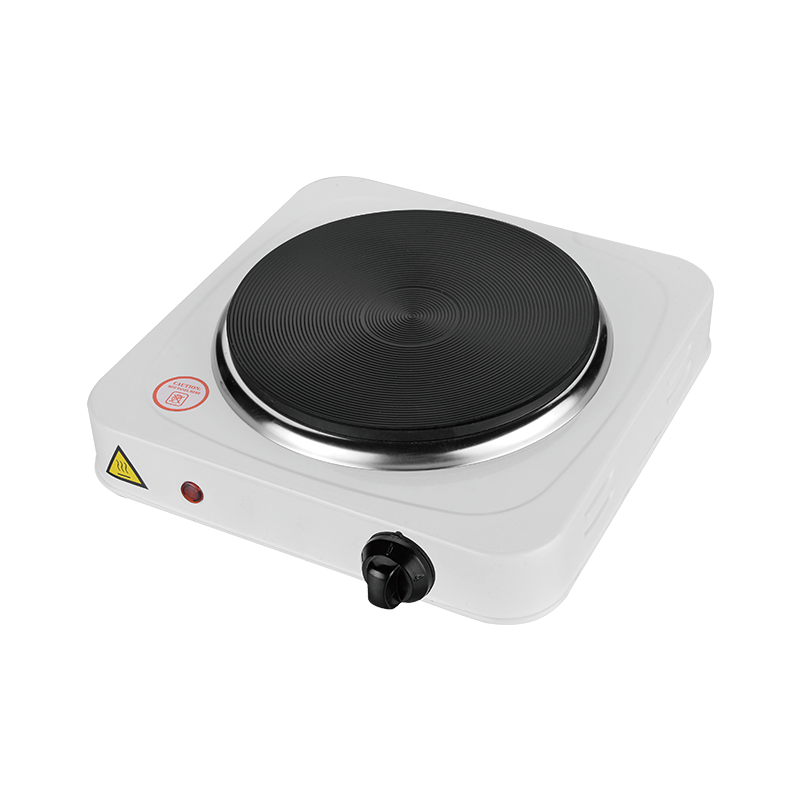
Introducing our revolutionary Portable Lightweight Outdoor Single Hot Plate – the ultimate cooking companion for outdoor enthusiasts, adventurers, and...
See Details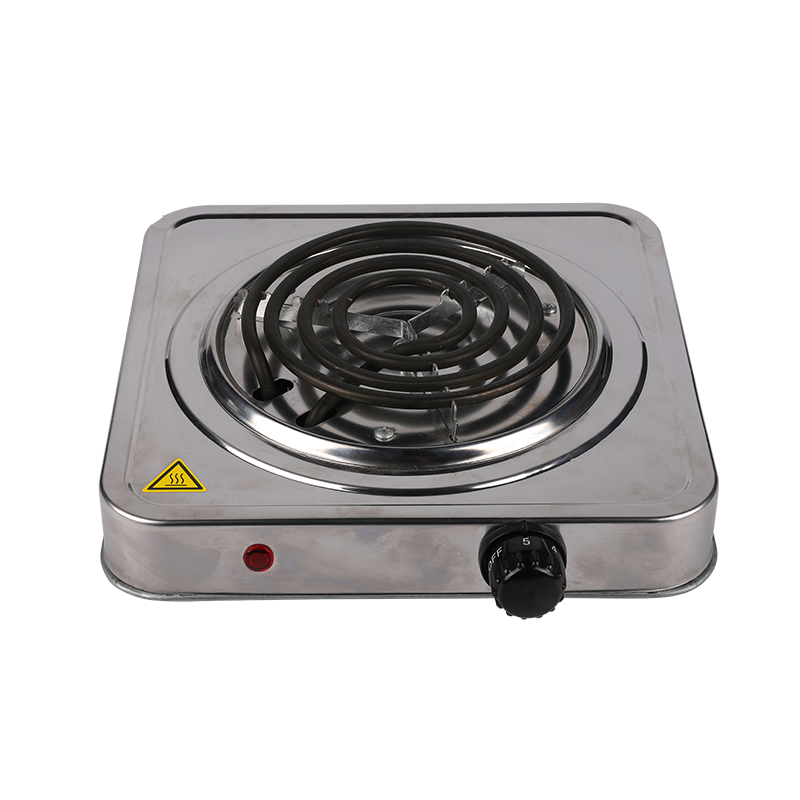
Welcome to our website, where we're proud to present our flagship product: the Efficient Time-Saving Commercial Single Hot Plate. As the owner of the ...
See Details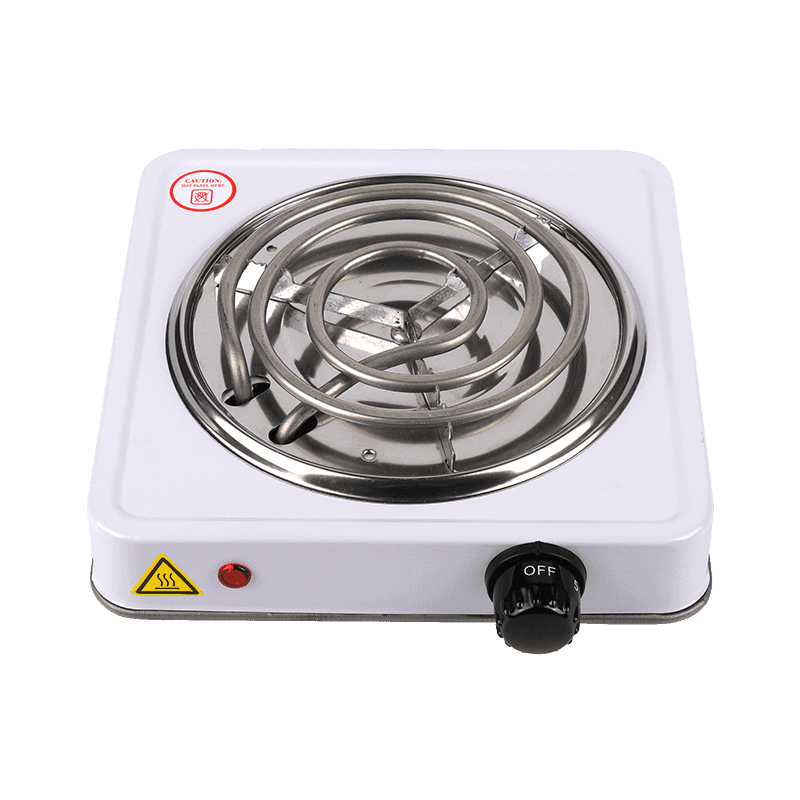
In the realm of modern kitchen appliances, innovation and technology have revolutionized the way we cook and prepare meals. Keeping pace with this evo...
See Details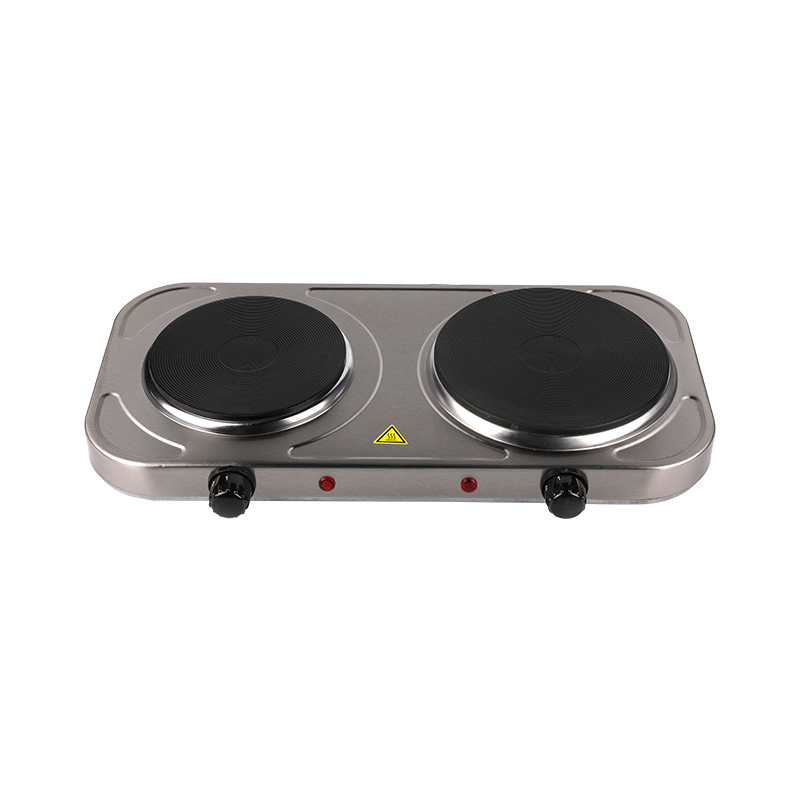
In today's fast-paced world, maintaining a healthy diet often takes a back seat to convenience. However, with the advent of the Healthy Cooking Intell...
See Details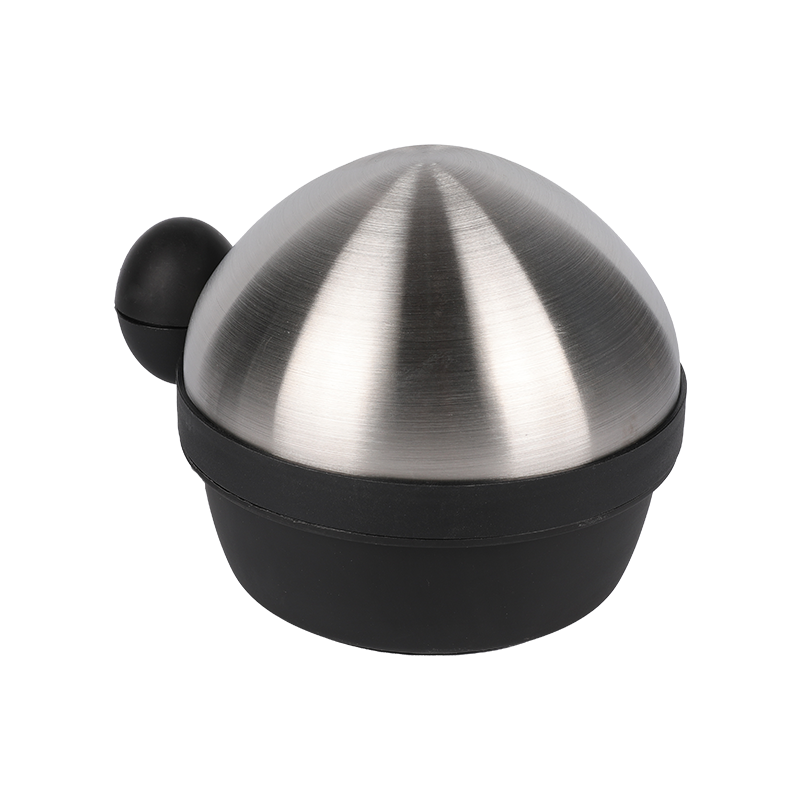
Introducing our Intelligent Rapid Egg Boiler – the ultimate solution for effortlessly preparing eggs in record time. Engineered with cutting-edge tech...
See Details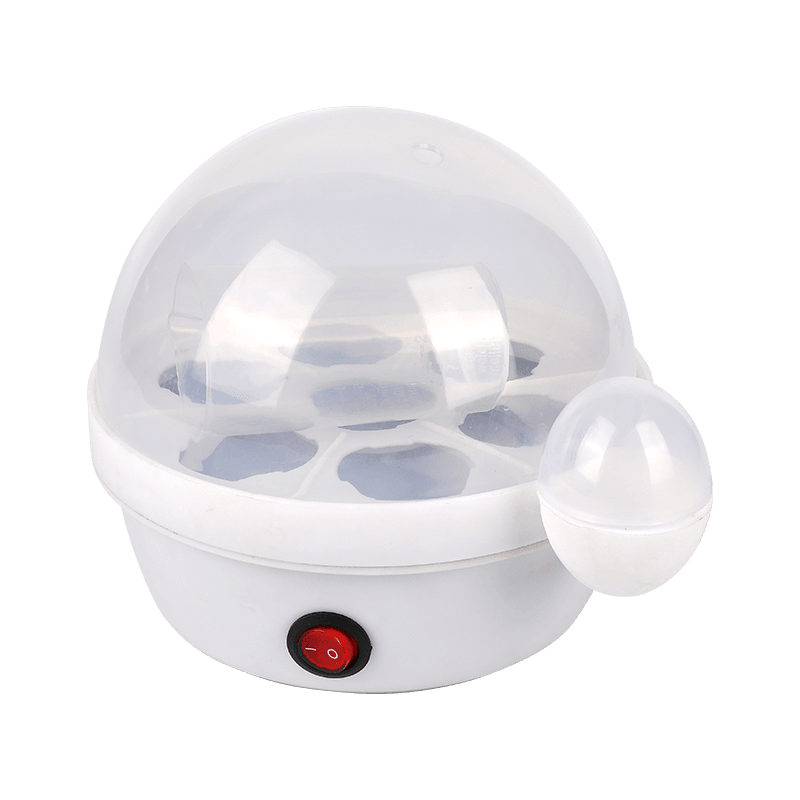
Introducing our Multi-functional Convenient Egg Boiler Expert – the ultimate kitchen tool for effortlessly preparing cooked eggs with precision and sp...
See Details
In the realm of versatile and eco-friendly cooking solutions, our company proudly presents our latest innovation: the efficient, energy-saving, and mu...
See Details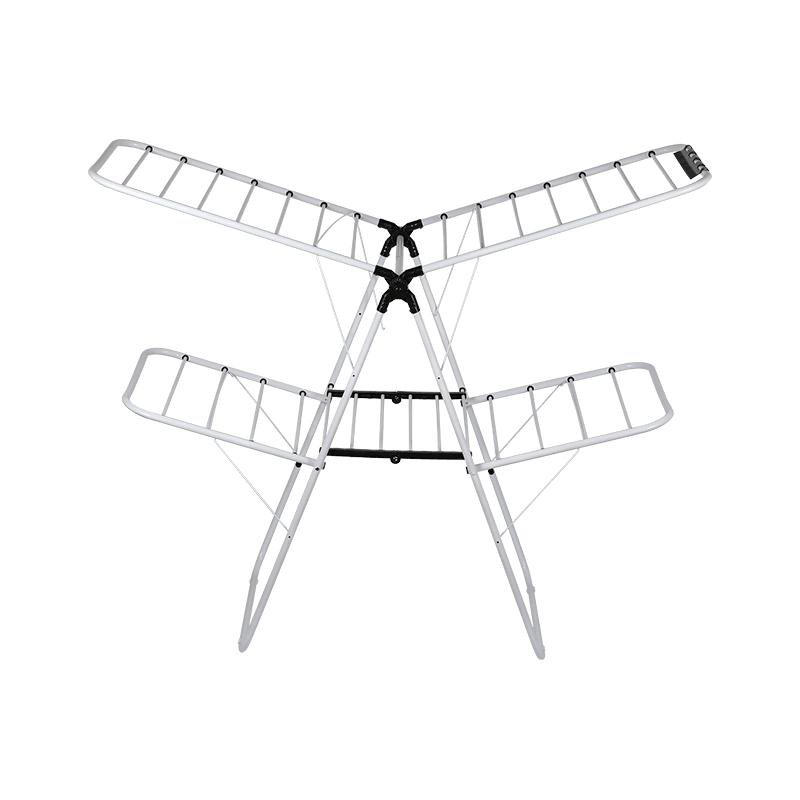
Are you tired of traditional laundry drying methods that are cumbersome, inefficient, and take up valuable space? Say hello to our game-changing Multi...
See Details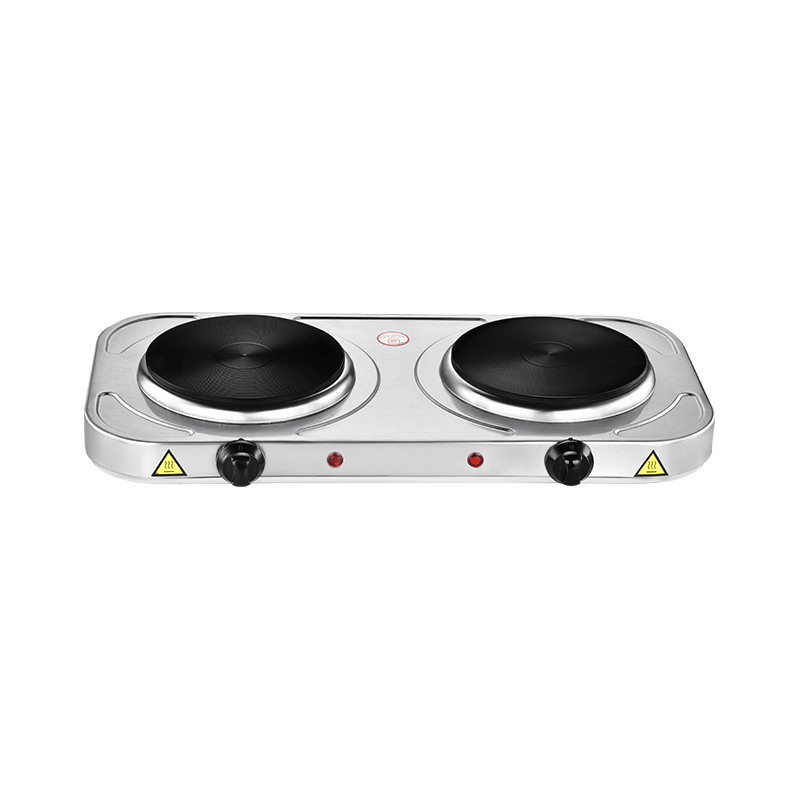
In the bustling world of commercial kitchens, durability, reliability, and quality are non-negotiable. Enter the High-Quality Durable Commercial Doubl...
See Details
Zhejiang Huaang Electrical Appliance Co., Ltd. is a manufacturer specializing in the production of kitchen appliances. It was established in 2009
Tel: +86-0579-84666999
Phone: +86-18058924218
E-Mail: ceo@hualunte.com
Copyright © Zhejiang Warranty Electric Appliance Co., Ltd. All Rights Reserved.
Smart Outdoor Kitchen Appliances Factory
