
 English
 русский
 Español
Intelligent, efficient and energy-saving single hot plate
Cat:Single Hot Plate
In the realm of culinary innovation, our company stands at the forefront with its cutting-edge single hot plate, engineered to embody the trifecta of ...
See Details

Phone: +86-0579-84666999

E-mail: ceo@hualunte.com

Tel: +86-18058924218


A kerosene stove is commonly used in remote off-grid living environments where electricity and gas infrastructure may be limited, unstable, or completely unavailable. In such conditions, daily cooking cannot rely on modern energy networks, so a fuel-based cooking system becomes an essential part of household survival and routine life. The kerosene stove provides a practical and independent solution that supports long-term living in isolated areas.
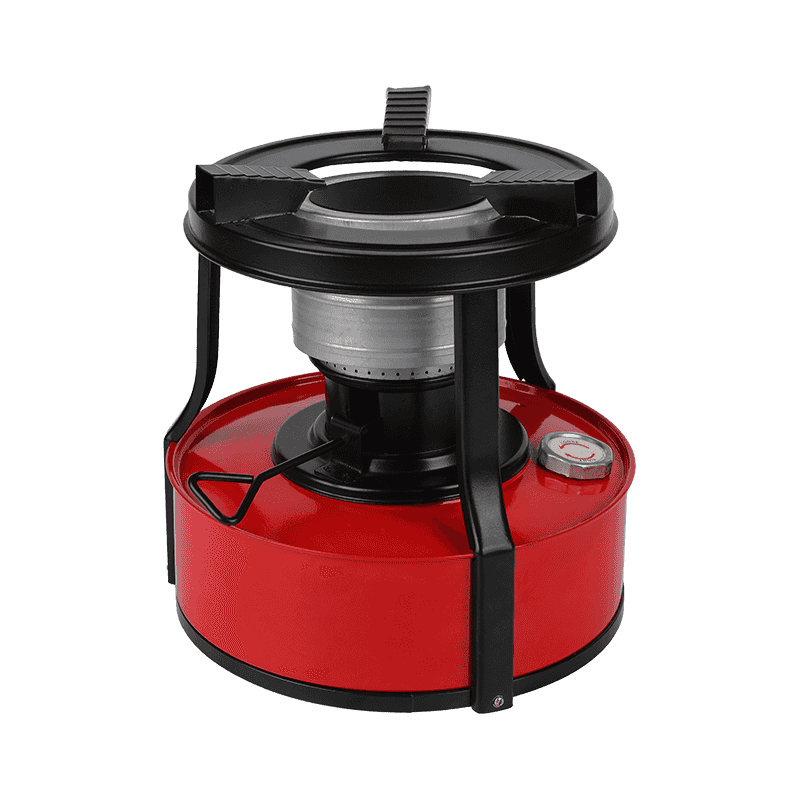
Energy Independence in Off-Grid Environments
One of the main characteristics of off-grid living is the need for energy independence. Households or shelters located far from urban infrastructure must rely on self-sufficient systems for cooking, heating, and basic daily activities.
A kerosene stove supports this requirement by operating without electricity or gas pipelines. It uses liquid fuel that can be stored and transported in advance, allowing users to maintain cooking capability regardless of external supply conditions. This independence is especially important in rural regions, mountain areas, coastal shelters, or temporary off-grid setups.
Daily Cooking Requirements in Remote Areas
In off-grid environments, cooking is a daily necessity rather than an occasional activity. A kerosene stove can be used for boiling water, preparing staple foods, cooking soups, and heating preserved meals. Its steady flame output allows users to perform repetitive cooking tasks throughout the day.
Because food storage options may be limited in remote locations, cooking efficiency and reliability become important. The stove helps ensure that meals can be prepared even when environmental conditions are not stable.
Fuel Storage and Supply Planning
Fuel management plays a central role in off-grid living. Kerosene must be stored in sealed and durable containers designed to prevent leakage and evaporation. These containers are usually kept in dry and stable storage areas away from direct heat or sunlight.
Unlike urban environments, where fuel can be purchased easily, remote areas may require planning. Users often calculate usage patterns and store fuel based on estimated consumption cycles. This ensures continuous cooking capability without interruption.
Proper labeling of fuel containers also helps prevent confusion and improves safety during long-term storage.
Environmental Adaptability and Weather Conditions
A kerosene stove is not affected by weather conditions, making it suitable for environments where energy systems like solar or wind may fluctuate. It can operate in cold climates, humid regions, or areas with limited sunlight.
This adaptability makes it useful in seasonal environments where energy availability may change throughout the year. Even during storms or cloudy periods, cooking functions remain stable.
Maintenance and Long-Term Usage
Regular maintenance is essential in off-grid environments where replacement parts may not be readily available. Cleaning burner components, checking fuel flow, and inspecting structural parts help maintain consistent operation.
Over time, certain components such as wicks or seals may require replacement depending on the stove type. Proper maintenance habits extend the usability of the stove and reduce operational issues.
Practical Role in Everyday Life
Beyond cooking, a kerosene stove also supports general household needs such as heating water for cleaning, preparing food for storage, and assisting in basic sanitation tasks. Its simple structure makes it suitable for users who prefer equipment that does not require complex installation or technical setup.
In off-grid living, reliability and independence are key, and the kerosene stove continues to serve as a practical solution for daily life.
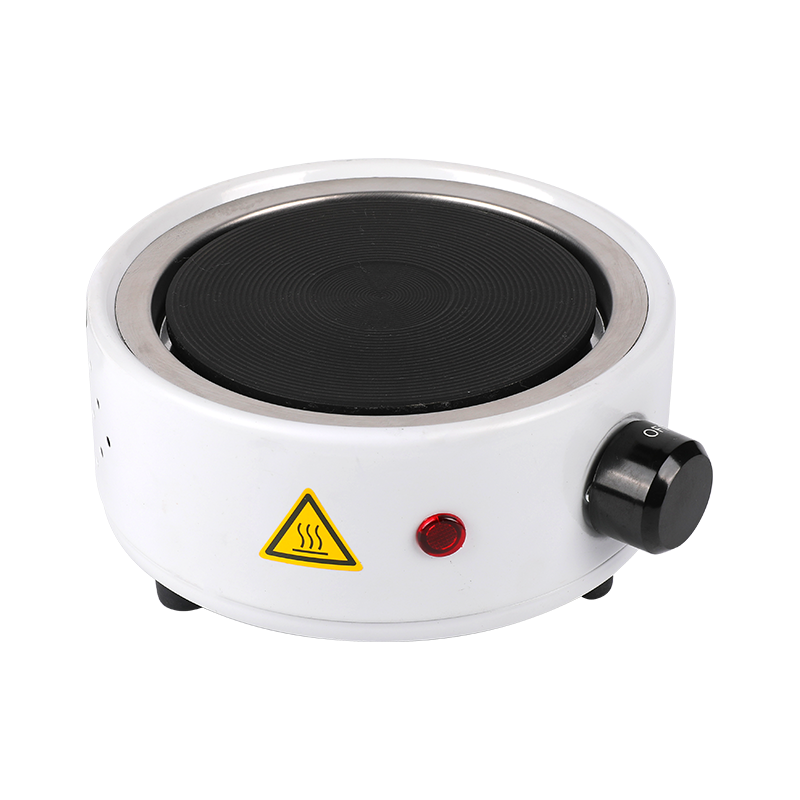
In the realm of culinary innovation, our company stands at the forefront with its cutting-edge single hot plate, engineered to embody the trifecta of ...
See Details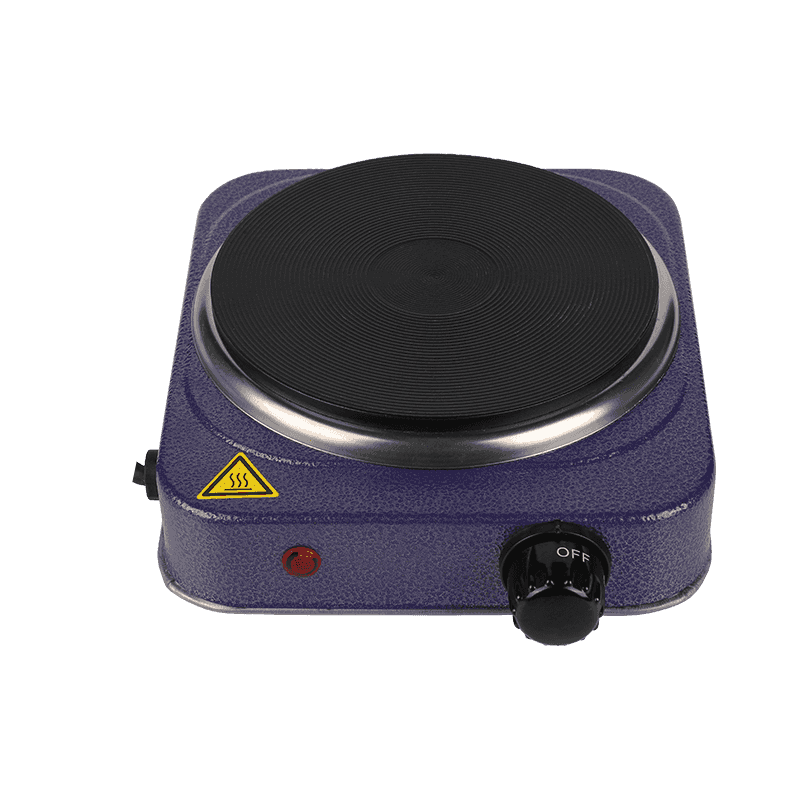
In the realm of sustainable culinary solutions, our company takes pride in presenting our innovative single hot plate, designed to embody the core val...
See Details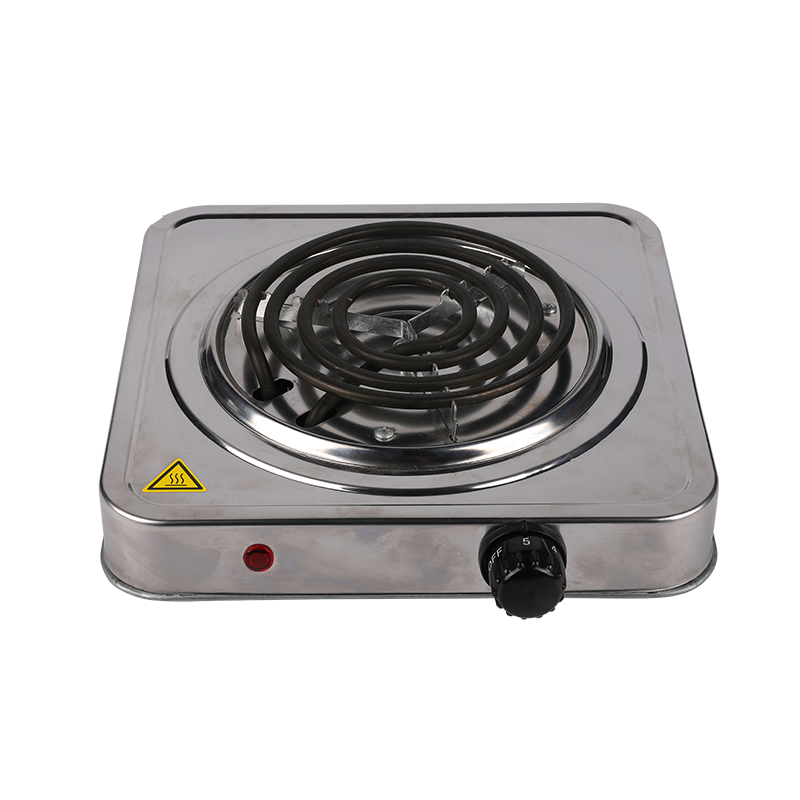
Welcome to our website, where we're proud to present our flagship product: the Efficient Time-Saving Commercial Single Hot Plate. As the owner of the ...
See Details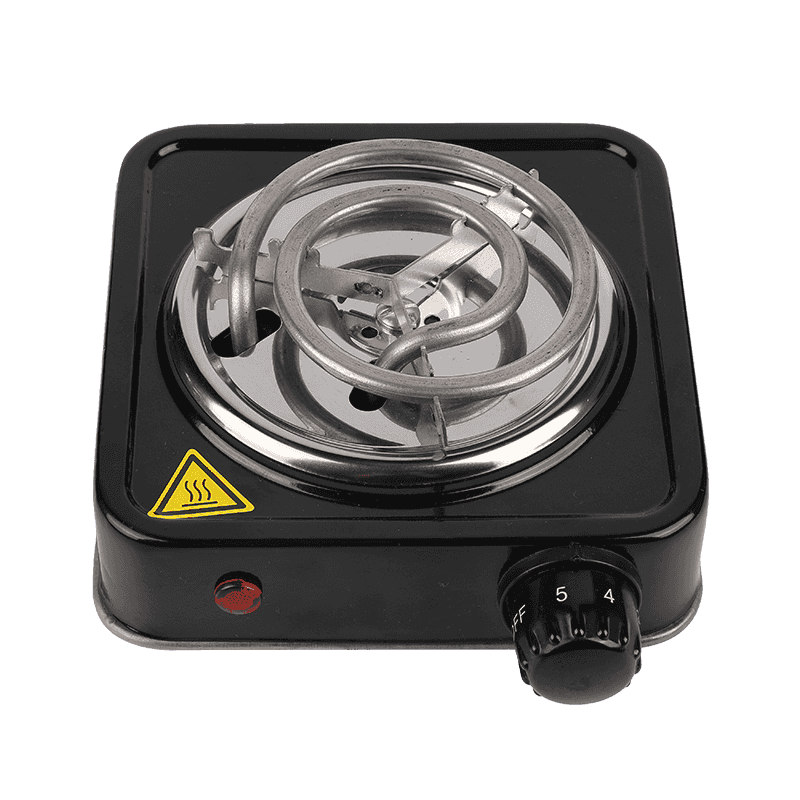
In today's fast-paced world, where space is at a premium, finding efficient and convenient solutions for small kitchens and limited spaces is essentia...
See Details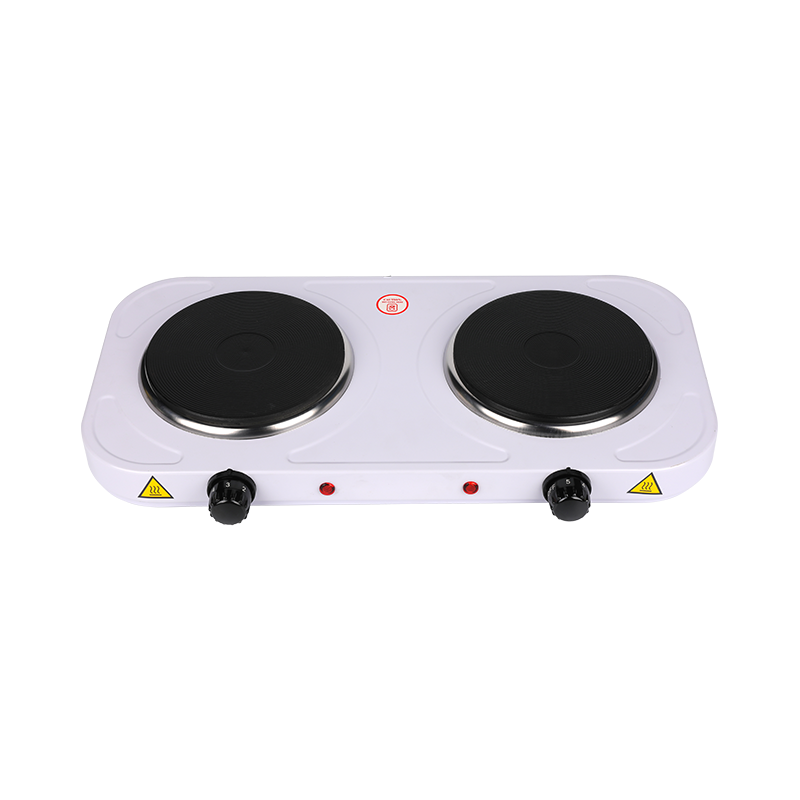
In the realm of modern cooking appliances, versatility, practicality, and intelligence are paramount. Meet the Multi-Functional Practical Intelligent ...
See Details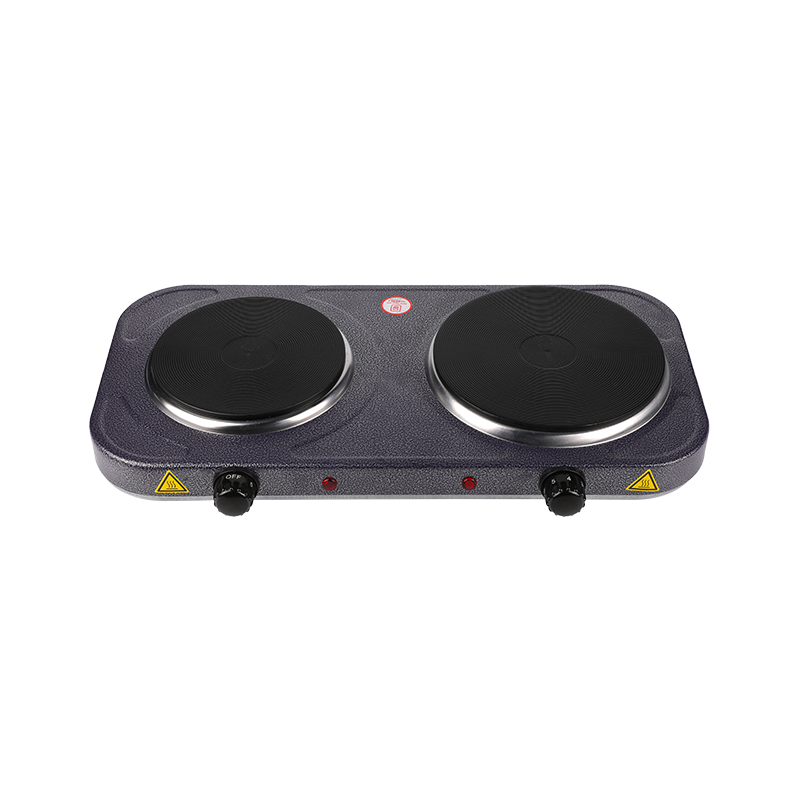
In today's environmentally conscious world, sustainability, energy efficiency, and health-conscious cooking are becoming increasingly important factor...
See Details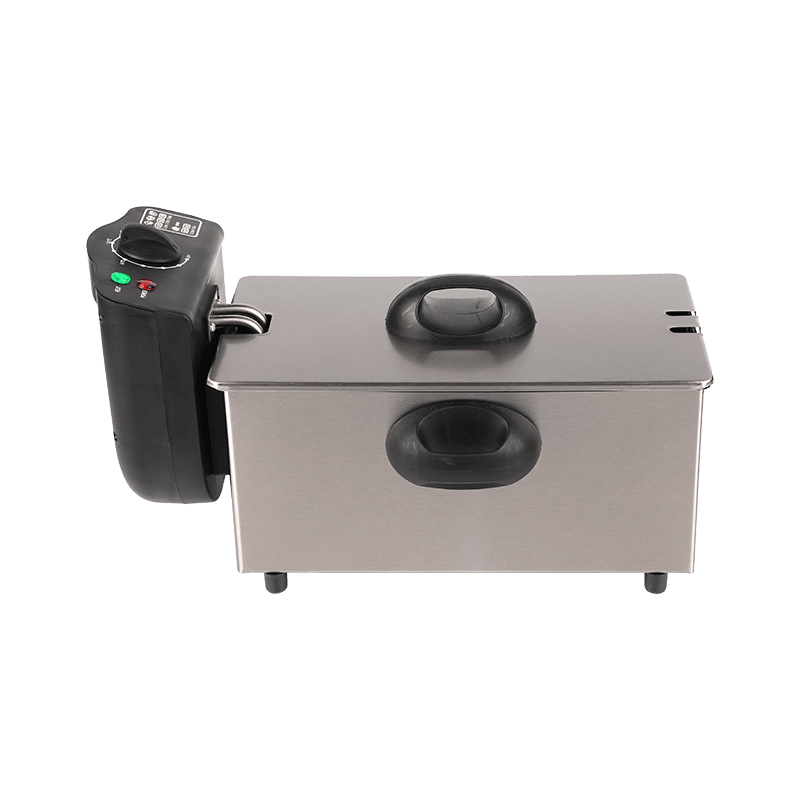
Introducing our Healthy and Environmentally Friendly Versatile Deep Fryer – the solution for health-conscious individuals and eco-conscious households...
See Details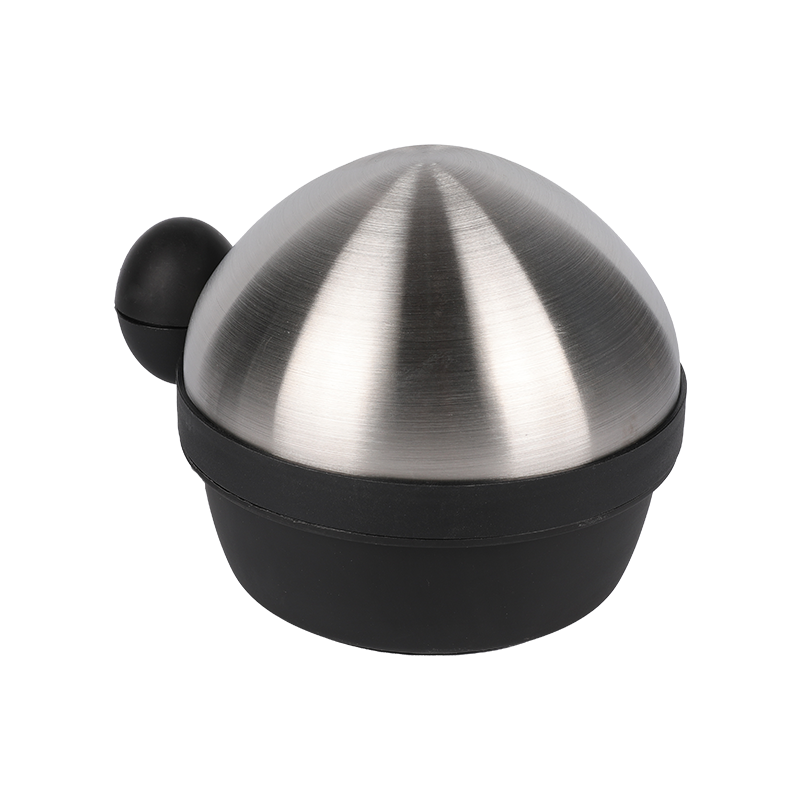
Introducing our Intelligent Rapid Egg Boiler – the ultimate solution for effortlessly preparing eggs in record time. Engineered with cutting-edge tech...
See Details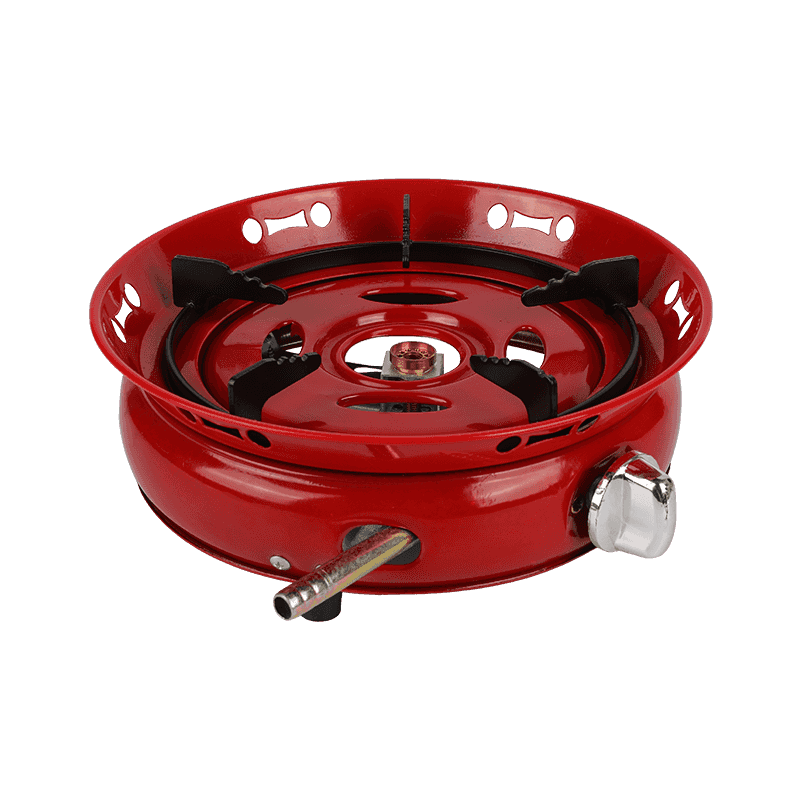
Welcome to the future of cooking convenience and sustainability! As manufacturers of cutting-edge Intelligent, Convenient, and Energy-Saving Kerosene ...
See Details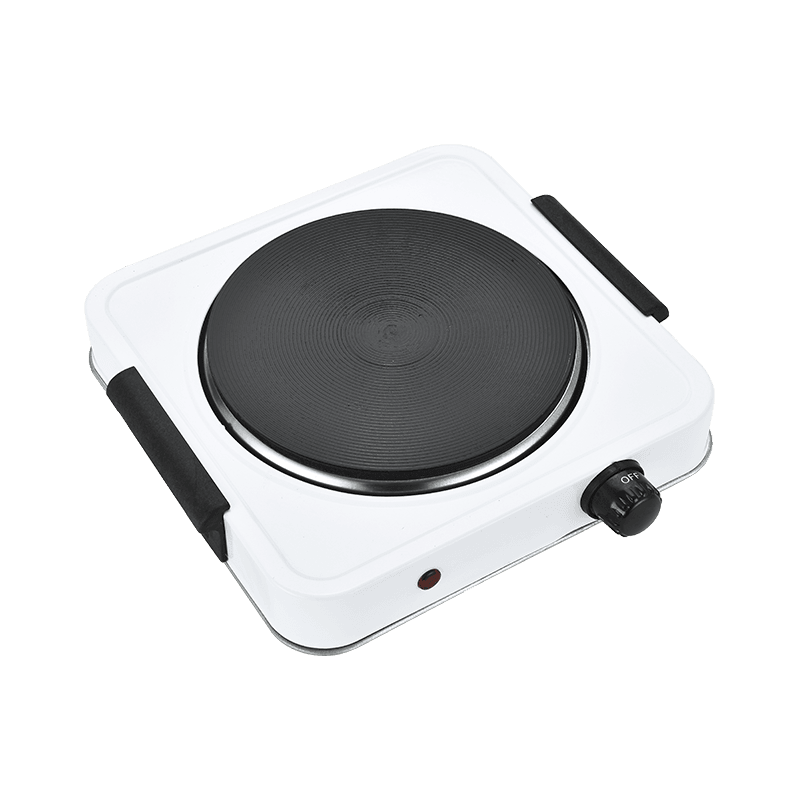
As a manufacturer of the Exquisite Practical Multi-functional Single Hot Plate, we deeply understand the needs and preferences of our customers. Let's...
See Details
Zhejiang Huaang Electrical Appliance Co., Ltd. is a manufacturer specializing in the production of kitchen appliances. It was established in 2009
Tel: +86-0579-84666999
Phone: +86-18058924218
E-Mail: ceo@hualunte.com
Copyright © Zhejiang Warranty Electric Appliance Co., Ltd. All Rights Reserved.
Smart Outdoor Kitchen Appliances Factory
