
 English
 русский
 Español
Intelligent, efficient and energy-saving single hot plate
Cat:Single Hot Plate
In the realm of culinary innovation, our company stands at the forefront with its cutting-edge single hot plate, engineered to embody the trifecta of ...
See Details

Phone: +86-0579-84666999

E-mail: ceo@hualunte.com

Tel: +86-18058924218


A Spiral heating hot plate can be a practical choice when laboratory or light industrial heating tasks require steady heat transfer without adding unnecessary equipment complexity. As engineers and purchasing teams review heating equipment, attention is increasingly moving toward temperature control, surface heating consistency, material compatibility, and ease of daily operation. Recent laboratory equipment discussions also continue to focus on reliable heating and controlled workflows rather than simply increasing heating capacity.
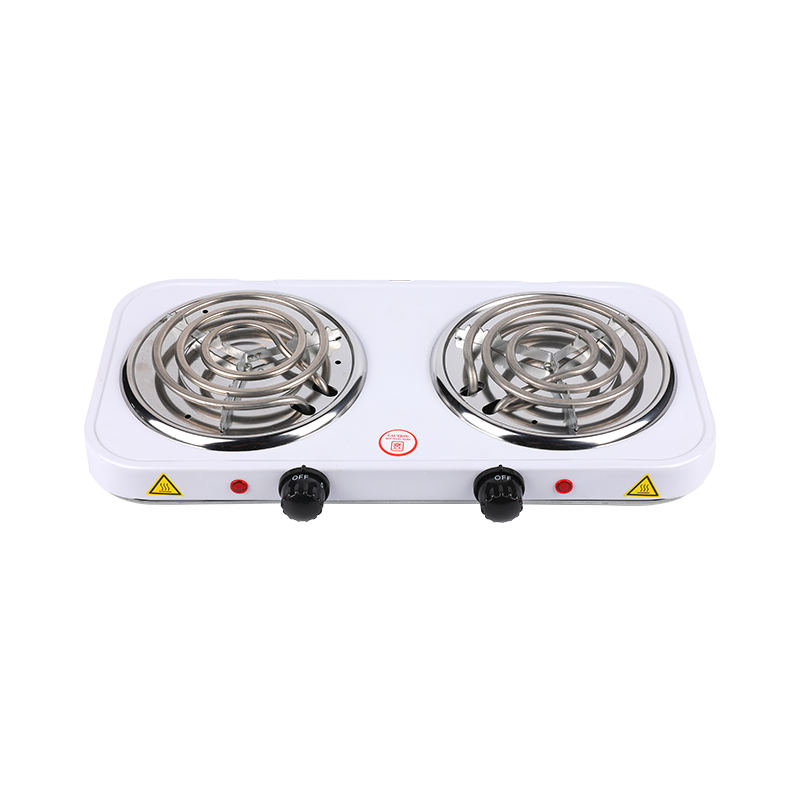
A common mistake is selecting a hot plate mainly by appearance or rated power. The actual application matters more. Beakers, flasks, metal containers, and other vessels transfer heat differently, so the heating surface and control method should match the process.
A spiral heating element provides a direct heat source beneath the plate, making it suitable for routine sample preparation, liquid heating, evaporation support, and other bench processes where controlled heating is required.
Uneven heating can create practical problems during laboratory work. The vessel may become hotter in one area while the liquid remains cooler elsewhere, especially when the container does not sit properly on the heating surface.
When we manufacture heating plates, we pay attention to the relationship between the heating element, plate structure, and contact surface. The goal is to create a heating setup that behaves predictably during repeated operation rather than simply reaching a target temperature quickly.
For engineers, temperature adjustment is often more useful than raw heating output. A controllable hot plate allows operators to change the heating level according to the material being processed and the stage of the application.
This is particularly useful when a process needs gradual heating instead of sudden temperature changes. Digital or adjustable controls can also make routine operation easier for different users.
Material selection should follow the working conditions. Laboratory environments may involve moisture, chemical exposure, frequent cleaning, or continuous daily use. The plate surface and housing therefore need to be considered together with the intended application.
For buyers sourcing equipment for laboratories, testing rooms, workshops, or small production processes, asking about construction materials and maintenance requirements before ordering can prevent compatibility problems later.
Good heating equipment should fit naturally into the operator's workflow. Controls that are easy to reach, a stable base, and a heating surface suited to commonly used vessels can make routine tasks simpler.
We also recommend considering how the hot plate will be positioned, cleaned, stored, and serviced, rather than evaluating the heating function alone.
From a manufacturing perspective, consistency between units is an important part of equipment sourcing. Buyers ordering heating equipment for multiple workstations usually need predictable operation across the batch.
Production inspection, heating-element assembly, electrical connections, and surface finishing all influence the final product. Clear communication about application requirements also helps us determine whether a standard configuration or a customized heating solution is more appropriate.
When selecting a Spiral heating hot plate, buyers should start with the actual vessel, material, heating process, control requirements, and working environment. This approach makes equipment selection more practical and helps avoid paying for functions that the application does not require.
For laboratories and industrial users looking for a straightforward heating solution, a properly configured Spiral heating hot plate can become a dependable part of everyday work.
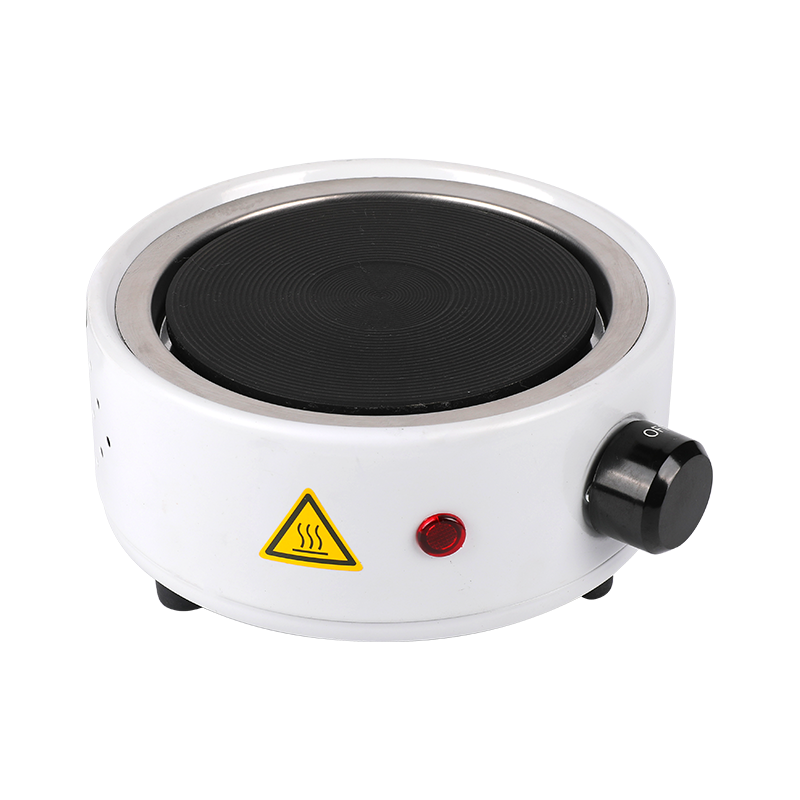
In the realm of culinary innovation, our company stands at the forefront with its cutting-edge single hot plate, engineered to embody the trifecta of ...
See Details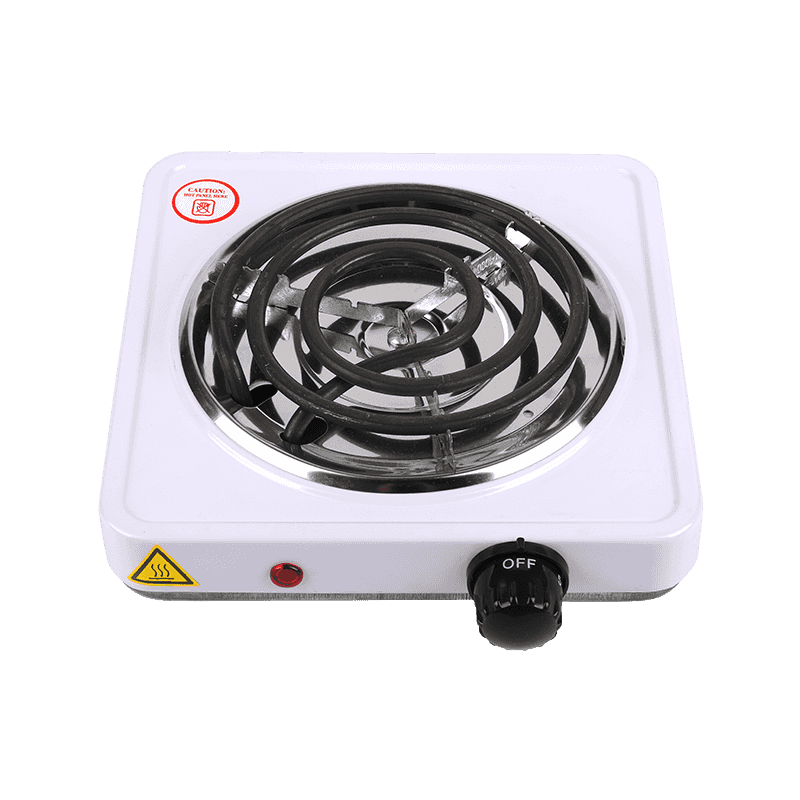
The Multi-functional healthy household single hot plate is an essential kitchen appliance designed for modern homes. This compact yet versatile device...
See Details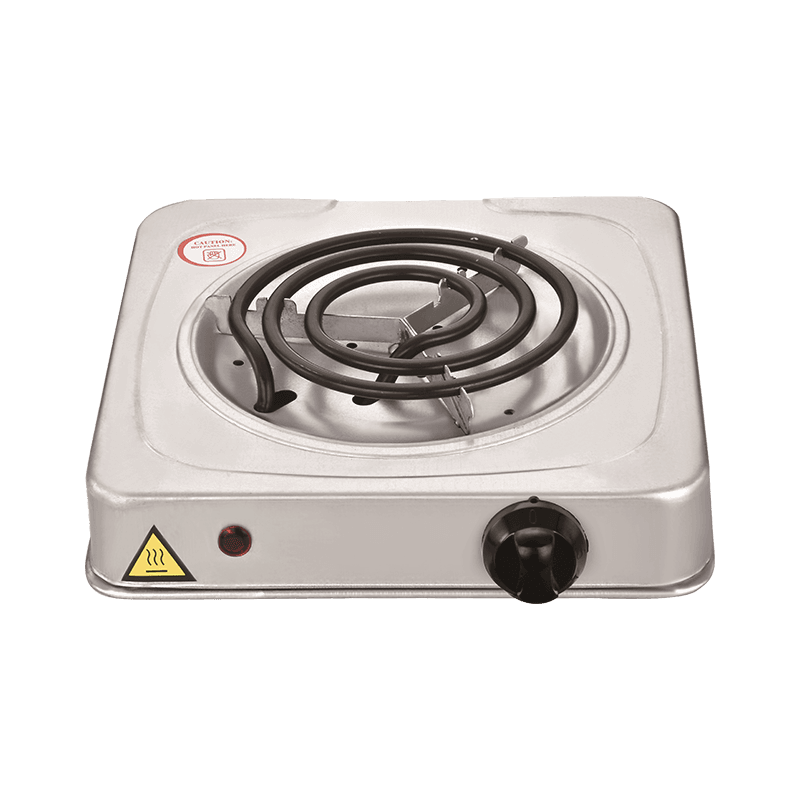
Introducing our Premium Environmentally Friendly Household Single Hot Plate – an addition to any home kitchen seeking both quality performance and eco...
See Details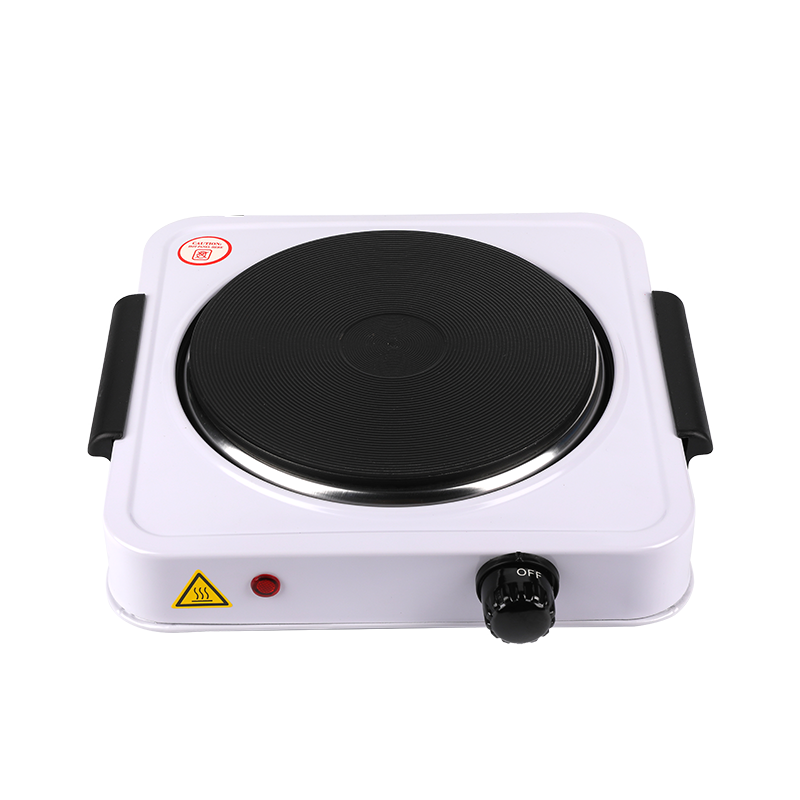
Introducing our Lightweight Energy-Saving Household Single Hot Plate – the solution for busy households seeking convenience, efficiency, and peace of ...
See Details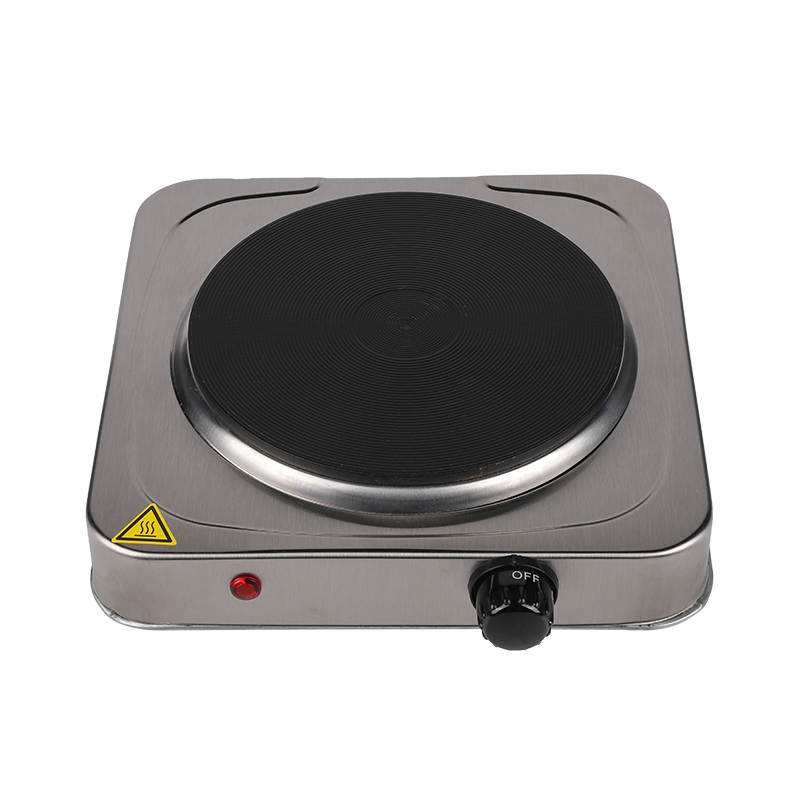
In the heart of every home, the kitchen stands as a hub of culinary creativity and family gatherings. But in today's fast-paced world, convenience and...
See Details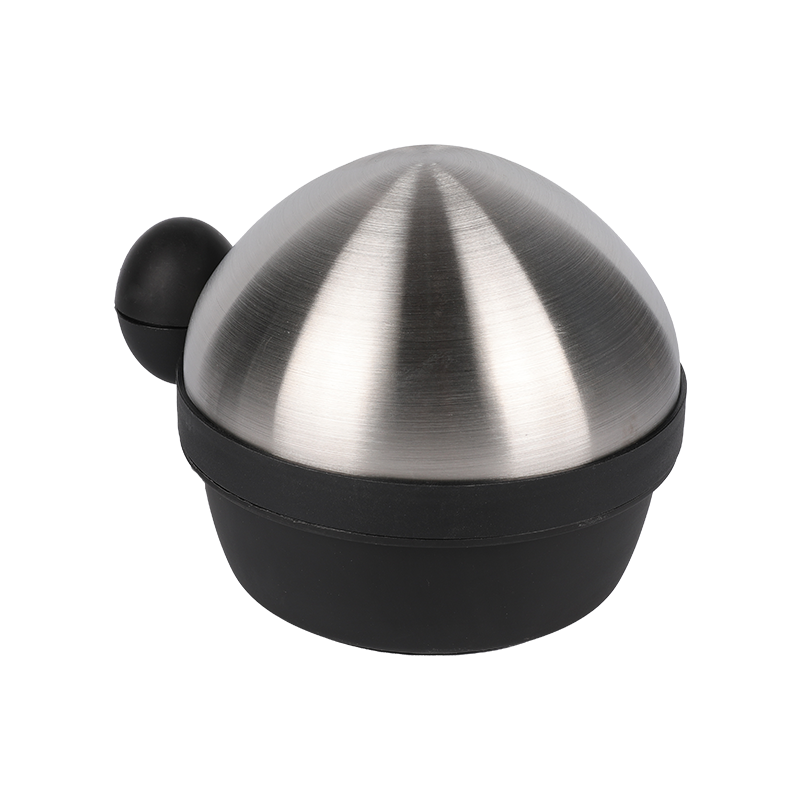
Introducing our Intelligent Rapid Egg Boiler – the ultimate solution for effortlessly preparing eggs in record time. Engineered with cutting-edge tech...
See Details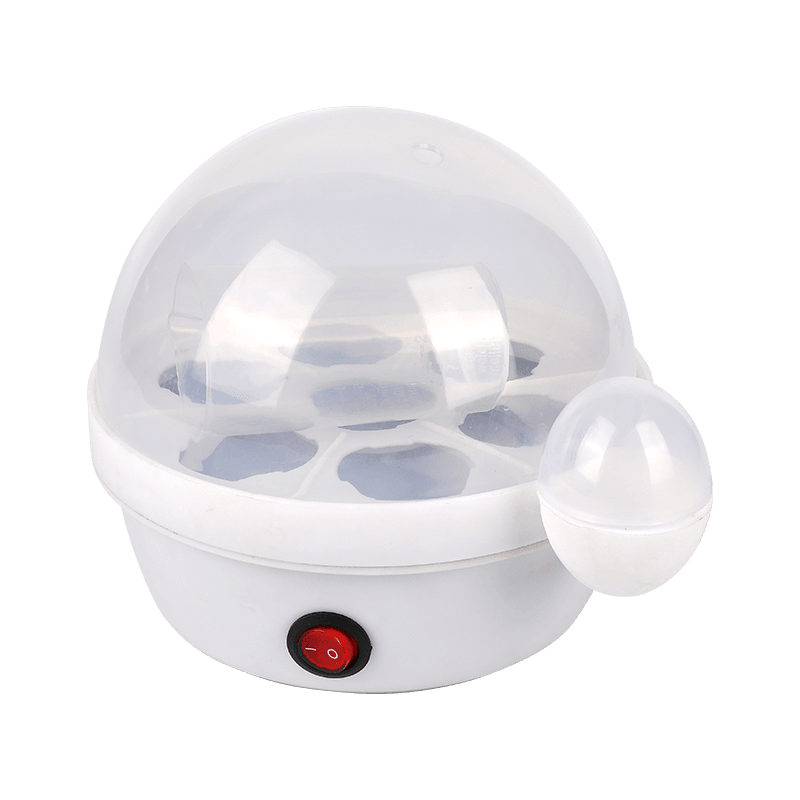
Introducing our Multi-functional Convenient Egg Boiler Expert – the ultimate kitchen tool for effortlessly preparing cooked eggs with precision and sp...
See Details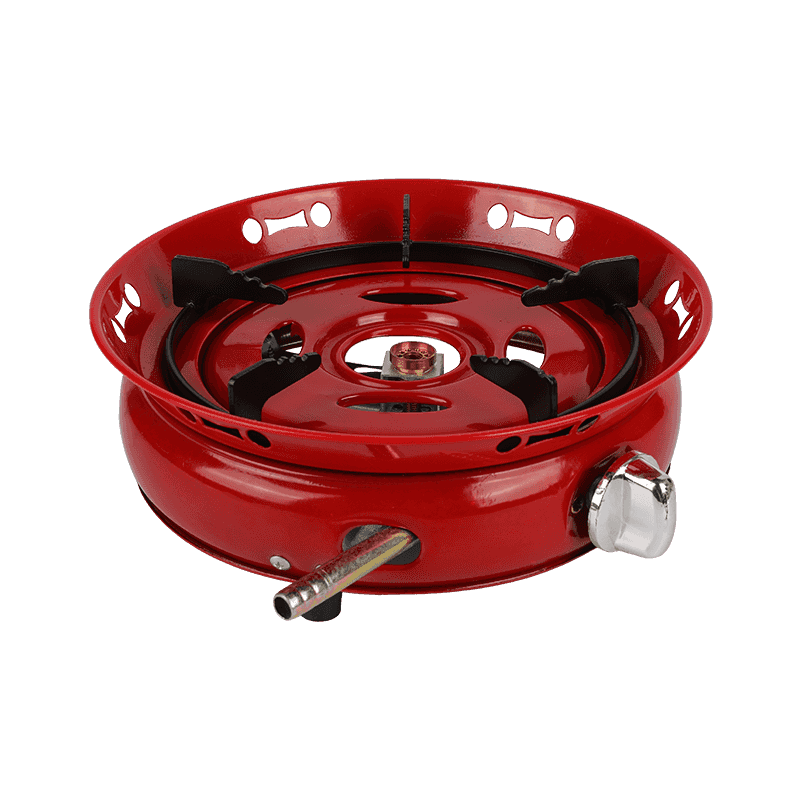
Welcome to the future of cooking convenience and sustainability! As manufacturers of cutting-edge Intelligent, Convenient, and Energy-Saving Kerosene ...
See Details
Are you tired of traditional laundry drying methods that are cumbersome, inefficient, and take up valuable space? Say hello to our game-changing Multi...
See Details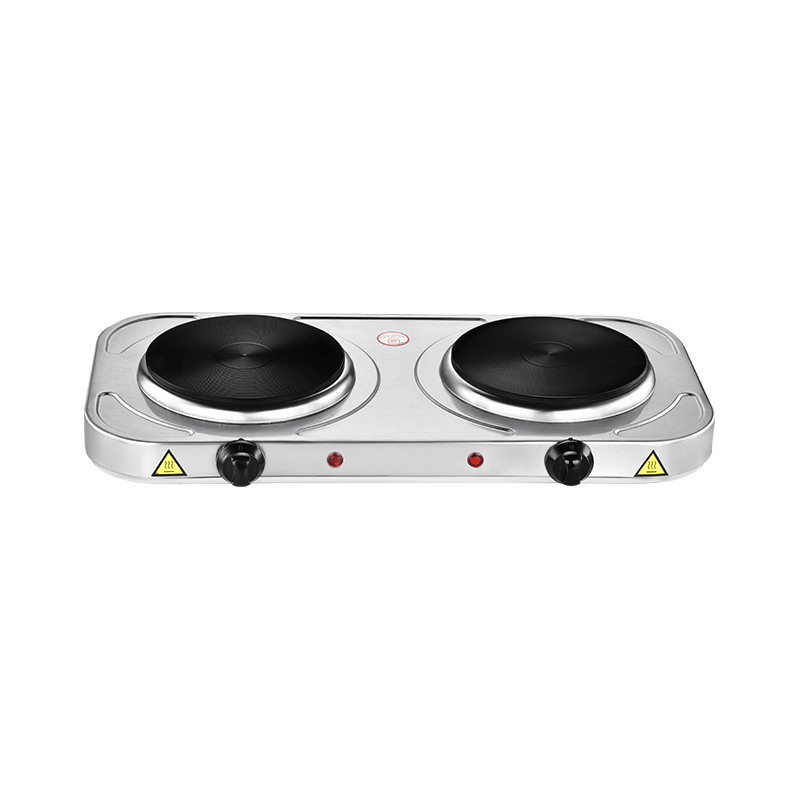
In the bustling world of commercial kitchens, durability, reliability, and quality are non-negotiable. Enter the High-Quality Durable Commercial Doubl...
See Details
Zhejiang Huaang Electrical Appliance Co., Ltd. is a manufacturer specializing in the production of kitchen appliances. It was established in 2009
Tel: +86-0579-84666999
Phone: +86-18058924218
E-Mail: ceo@hualunte.com
Copyright © Zhejiang Warranty Electric Appliance Co., Ltd. All Rights Reserved.
Smart Outdoor Kitchen Appliances Factory
