
 English
 русский
 Español
Professional quality commercial single hot plate
Cat:Single Hot Plate
Introducing our Professional Quality Commercial Single Hot Plate – the ultimate solution for all your cooking needs in commercial settings. As a manuf...
See Details

Phone: +86-0579-84666999

E-mail: ceo@hualunte.com

Tel: +86-18058924218


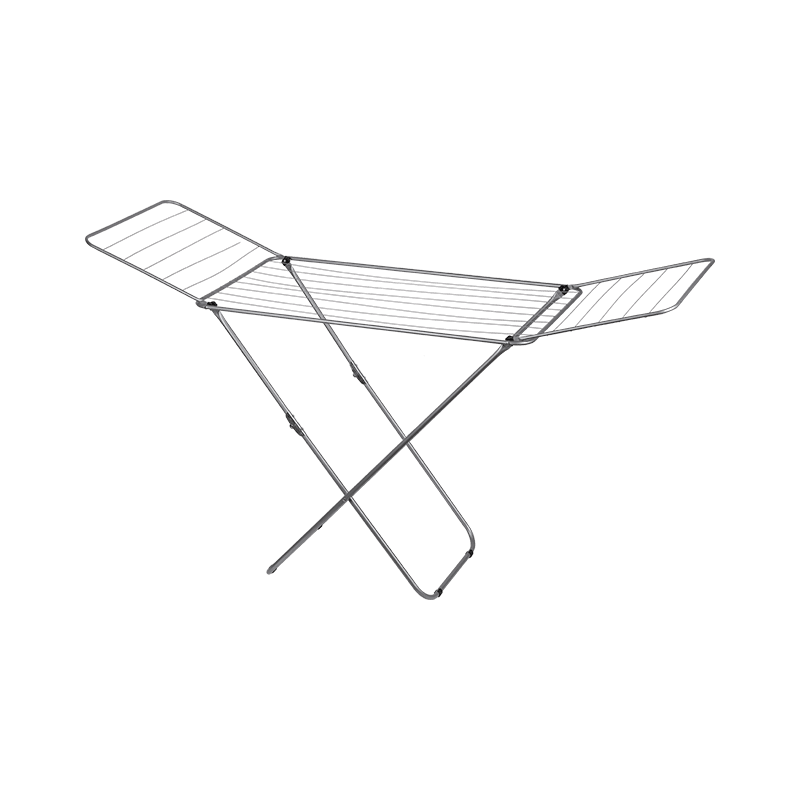
In recent household product markets, wing drying rack items continue to receive attention from both retail buyers and sourcing teams. In particular, Clothes drying rack Factory production has been closely connected with the discussion around material selection, as durability becomes an important consideration in product development and purchasing decisions.
As living spaces become more varied and usage scenarios become more flexible, buyers are paying closer attention to how long a drying rack can maintain its structure, stability, and appearance under daily use. This shift has encouraged manufacturers and suppliers to review material options and structural designs more carefully.
Growing Attention Toward Material Performance
One of the main focus areas for wing drying rack buyers is material performance. Different materials provide different levels of strength, corrosion resistance, and weight balance. In general, stainless steel, aluminum alloy, and coated steel are commonly used in production.
Stainless steel is often chosen for its resistance to moisture exposure, especially in environments where racks may be used in bathrooms, balconies, or outdoor areas. Aluminum alloy is considered for its lighter weight, which makes handling and storage easier. Coated steel provides a balance between cost efficiency and structural stability.
Buyers are increasingly evaluating not only the material type but also how the material performs after repeated folding, loading, and exposure to different environments.
Structural Durability in Daily Use
Durability is not only about the material itself but also about how the structure is designed. Wing drying racks typically include foldable wings on both sides, and these moving parts require stable joints and reliable connection points.
Manufacturers often focus on reinforcement at key stress points, especially where the folding arms meet the central frame. Welding quality, screw fastening strength, and joint alignment all influence long-term usability.
In many purchasing discussions, buyers ask about how the product behaves under full load conditions, especially when used for heavier clothing items such as towels, bedding, or winter garments.
Environmental Adaptability Considerations
Different usage environments influence how durability is evaluated. Indoor usage often focuses on stability and space efficiency, while outdoor usage requires resistance to moisture, sunlight exposure, and temperature changes.
In humid environments, corrosion resistance becomes more important, while in dry regions, structural stability and load-bearing capacity may receive more attention. These differences shape how wing drying rack designs are adjusted for different markets.
Clothes drying rack Factory production processes often include surface treatment options such as powder coating or protective finishing layers to improve environmental adaptability.
Folding Mechanism and Long-Term Use
Another important aspect of durability is the folding mechanism. Since wing drying racks are designed for flexible use, they are frequently opened and closed. This repeated motion places pressure on hinges and connecting components.
Design improvements often focus on smoother folding action, reduced friction points, and reinforced pivot structures. The goal is to maintain usability over time without affecting stability during operation.
Buyers often consider whether the folding system remains stable after repeated use, as this directly affects product lifespan and user experience.
User Expectations in Practical Scenarios
In practical household scenarios, wing drying racks are expected to support a variety of laundry types. Lightweight clothing, heavier fabrics, and mixed loads all require stable support. As a result, structural balance becomes an important factor.
Some users prioritize compact storage when the rack is not in use, while others focus on the ability to expand the rack for larger laundry loads. These different expectations influence how designs are evaluated during procurement.
From a sourcing perspective, Clothes drying rack Factory development often reflects these usage patterns by offering multiple structural variations and adjustable designs.
Manufacturing Focus on Material Selection
Material selection is closely connected to production planning. Factories evaluate raw materials based on strength testing, bending resistance, and surface durability. These tests help ensure that finished products can handle repeated use conditions.
In addition, consistency in material quality helps maintain uniform performance across production batches. This is especially important for bulk supply situations where multiple units must perform in a similar way.
Surface treatment processes also play a role in improving durability. Anti-rust coatings and protective layers help extend product usability in different environments.
Market Direction Toward Functional Longevity
The attention given to durable materials reflects a broader direction in household product development. Buyers are increasingly focused on functional longevity rather than short-term use. This includes evaluating structural reliability, material strength, and ease of maintenance.
Wing drying rack designs continue to evolve in response to these expectations, while Clothes drying rack Factory production approaches adapt to meet changing market preferences.
Product development discussions often center around balancing durability, usability, and storage convenience, ensuring that designs remain practical for everyday household use without unnecessary complexity.
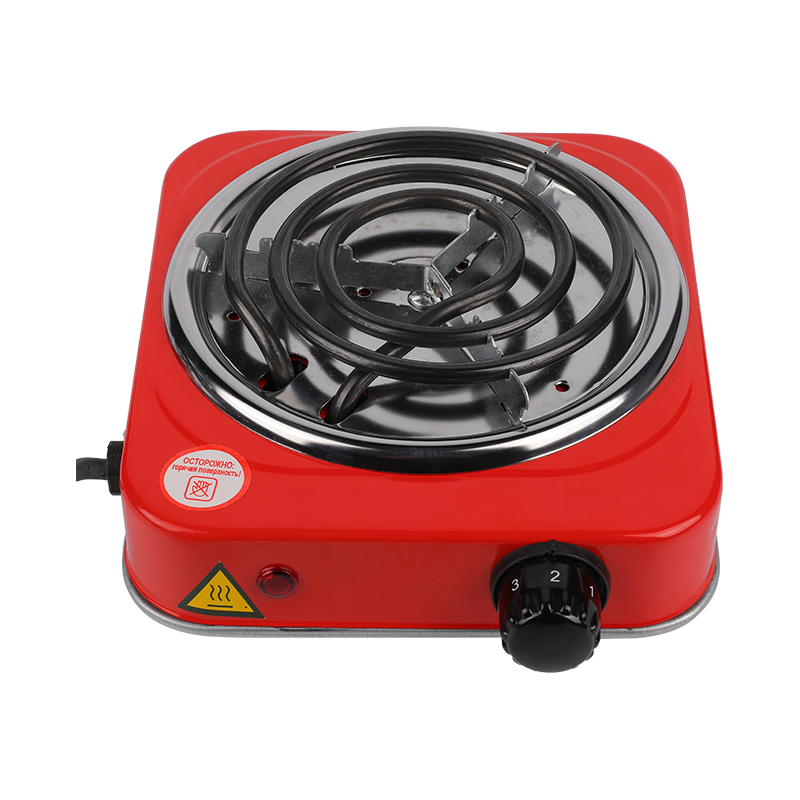
Introducing our Professional Quality Commercial Single Hot Plate – the ultimate solution for all your cooking needs in commercial settings. As a manuf...
See Details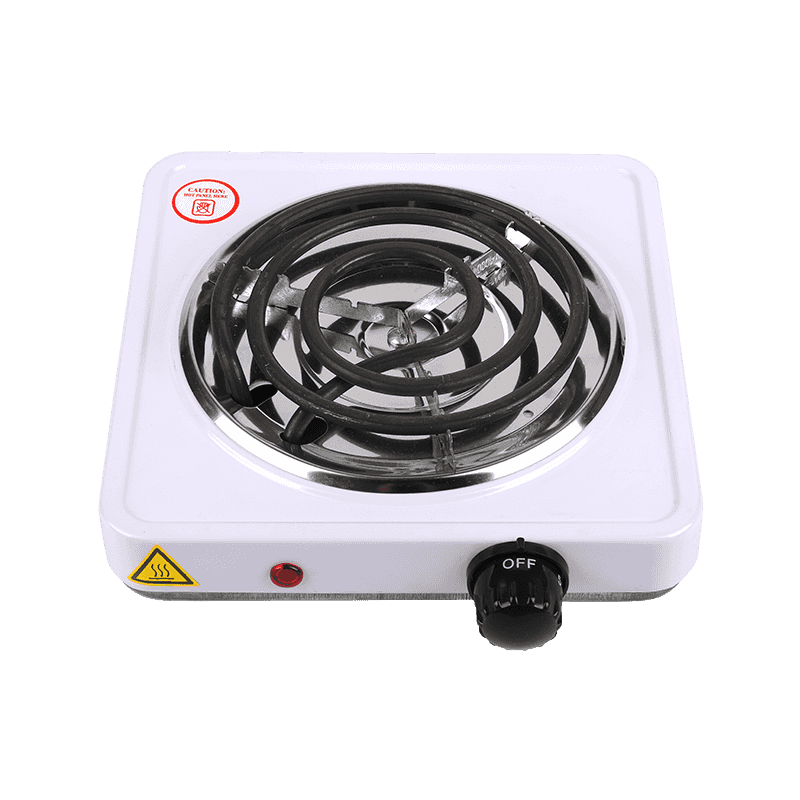
The Multi-functional healthy household single hot plate is an essential kitchen appliance designed for modern homes. This compact yet versatile device...
See Details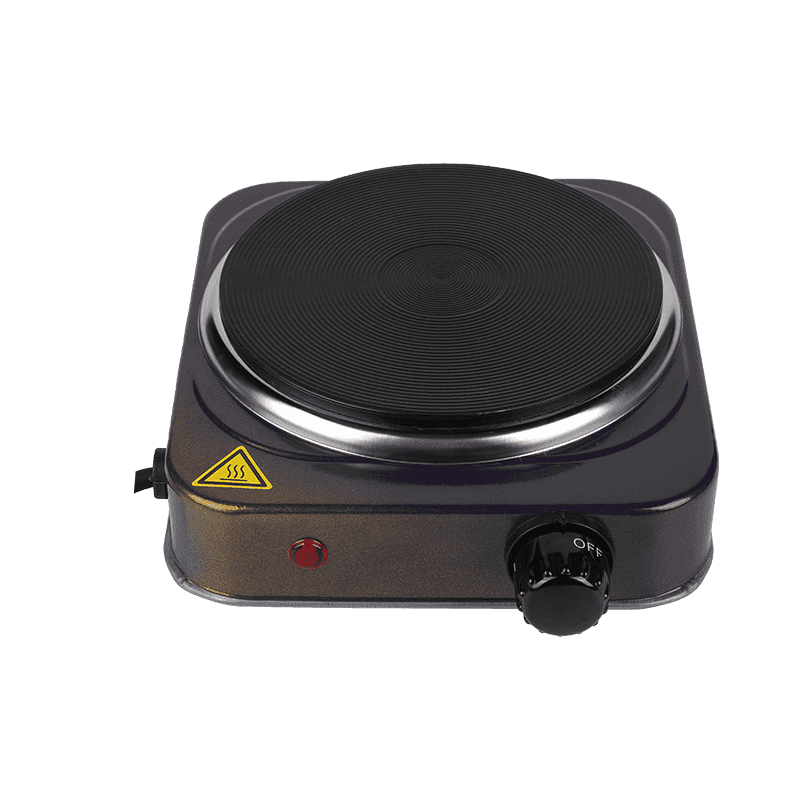
In the modern kitchen, safety, health, and environmental consciousness are of importance. That's why we're proud to introduce the Safe, Healthy, Envir...
See Details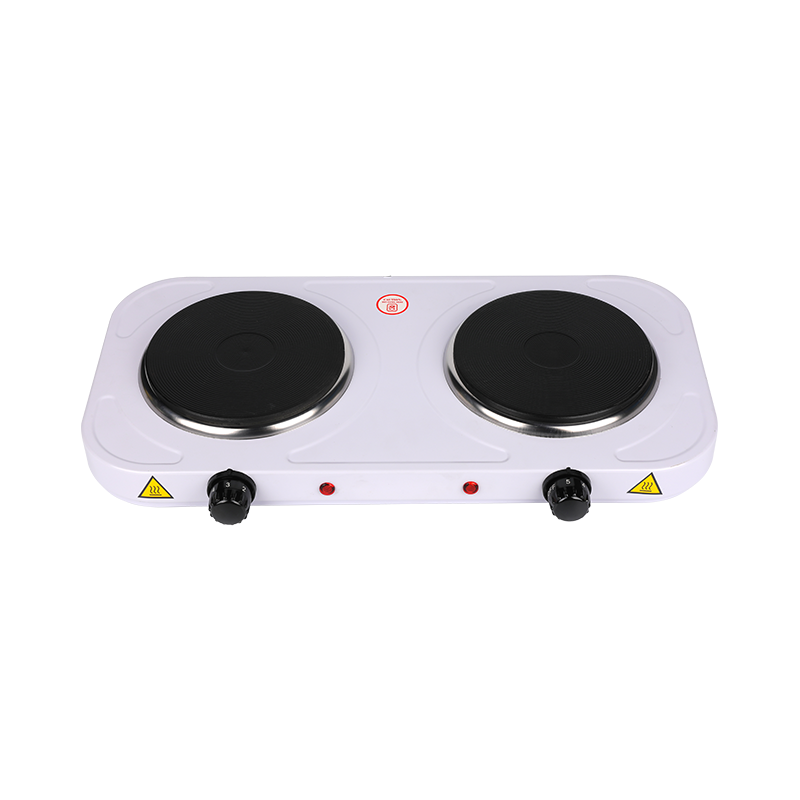
In the realm of modern cooking appliances, versatility, practicality, and intelligence are paramount. Meet the Multi-Functional Practical Intelligent ...
See Details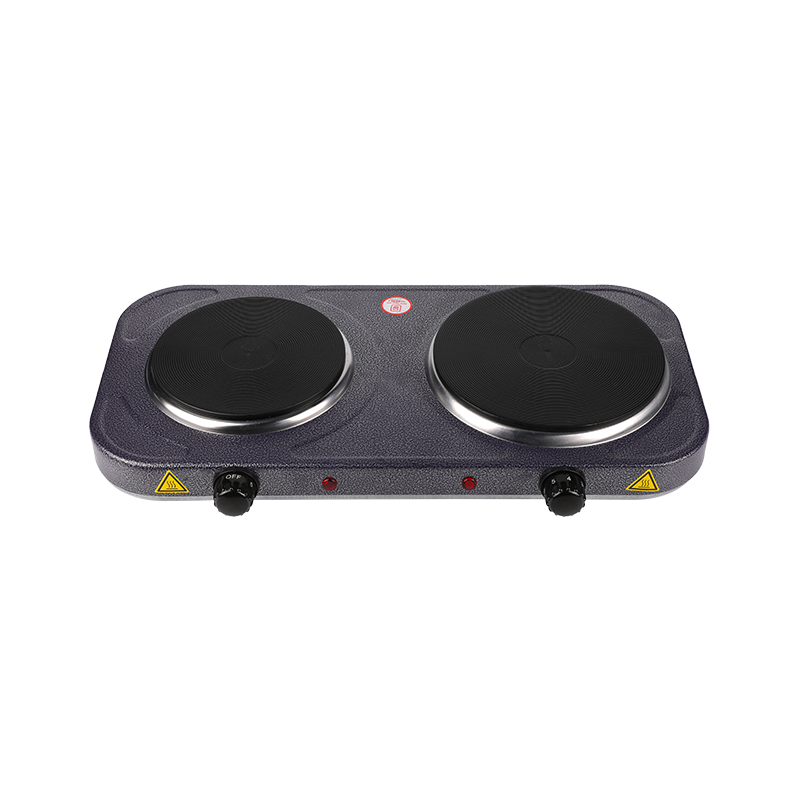
In today's environmentally conscious world, sustainability, energy efficiency, and health-conscious cooking are becoming increasingly important factor...
See Details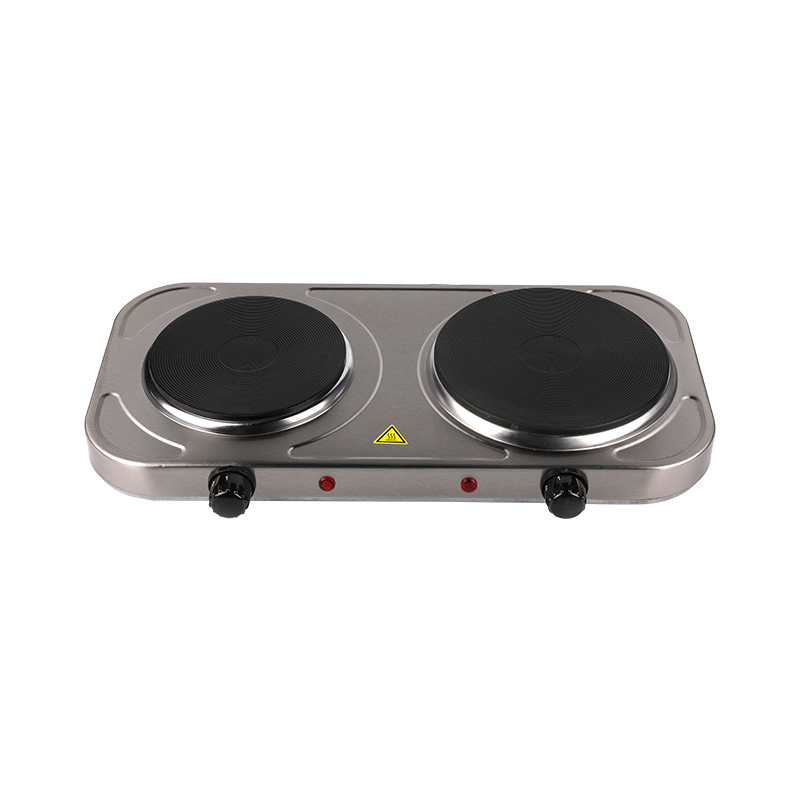
In today's fast-paced world, maintaining a healthy diet often takes a back seat to convenience. However, with the advent of the Healthy Cooking Intell...
See Details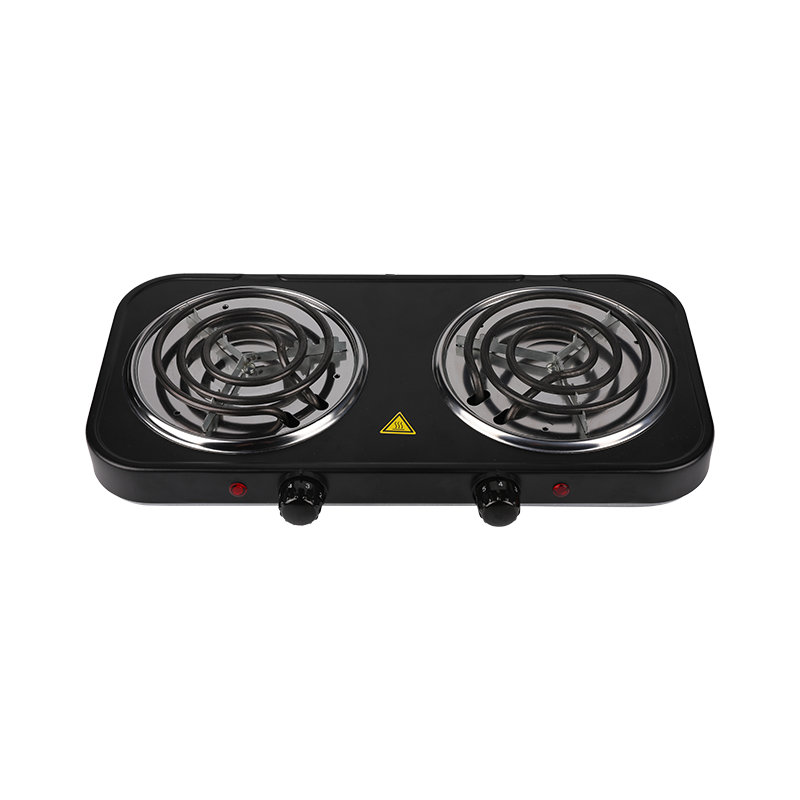
In the fast-paced environment of commercial kitchens and food service establishments, efficiency is paramount. That's where the Efficient Time-Saving ...
See Details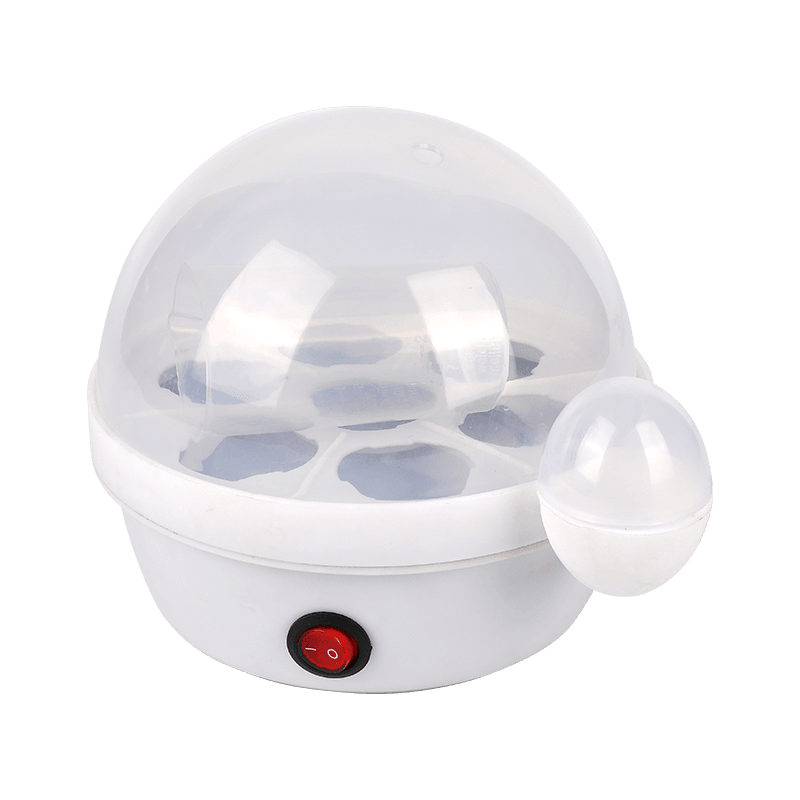
Introducing our Multi-functional Convenient Egg Boiler Expert – the ultimate kitchen tool for effortlessly preparing cooked eggs with precision and sp...
See Details
We are thrilled to present our latest innovation in home laundry solutions - the Exquisite Space-Saving Wing Drying Rack. This elegant and practical d...
See Details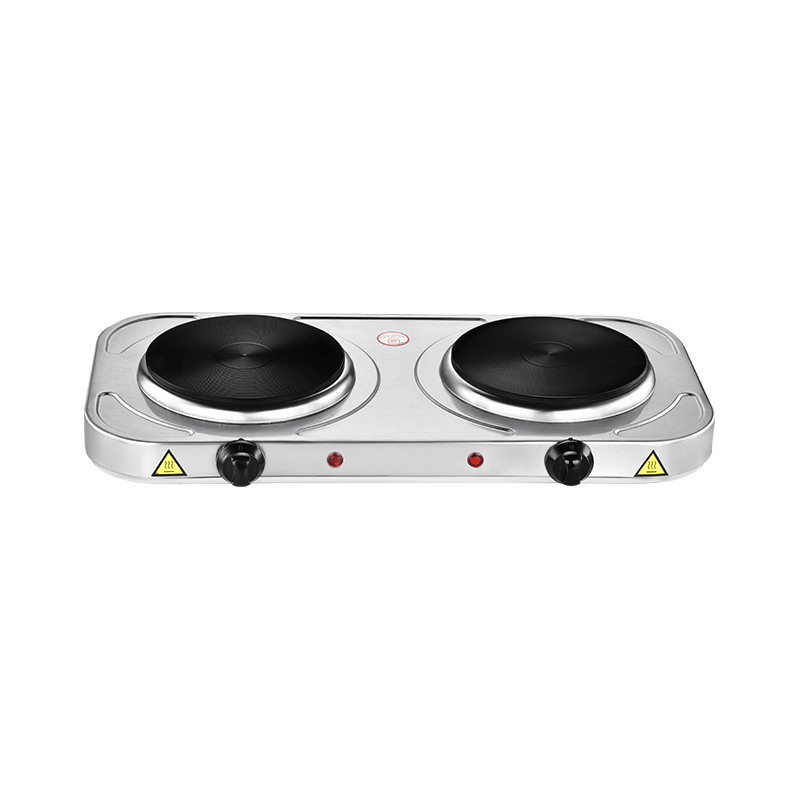
In the bustling world of commercial kitchens, durability, reliability, and quality are non-negotiable. Enter the High-Quality Durable Commercial Doubl...
See Details
Zhejiang Huaang Electrical Appliance Co., Ltd. is a manufacturer specializing in the production of kitchen appliances. It was established in 2009
Tel: +86-0579-84666999
Phone: +86-18058924218
E-Mail: ceo@hualunte.com
Copyright © Zhejiang Warranty Electric Appliance Co., Ltd. All Rights Reserved.
Smart Outdoor Kitchen Appliances Factory
